
Astaxanthin Powder vs Beta-Carotene: Potency Analysis
When comparing astaxanthin powder against beta-carotene for strength, inquire about reliability. It illustrates that astaxanthin shows prevalent antioxidant capacity. Thinks about how astaxanthin's free radical rummaging capacity ranges from 10 to 100 times higher than beta-carotene over numerous testing strategies. This surprising distinction stems from astaxanthin's interesting atomic structure, which empowers it to neutralize singlet oxygen more successfully while giving upgraded solidness beneath oxidative push conditions.
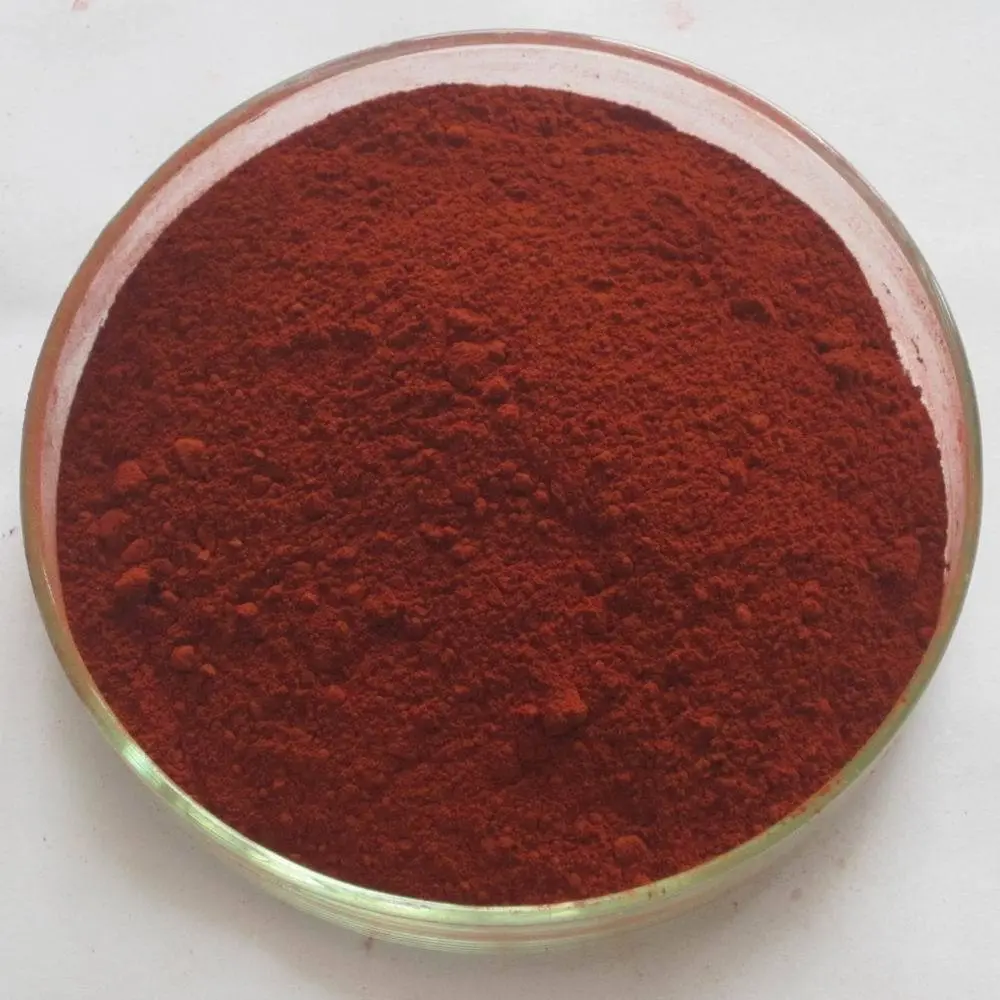
Purity: 1%-10%
Appearance: Dark red powder
CAS NO.: 472-61-7
Molecular Weight: 596.85
Molecular Formula: C40H52O4
MOQ: 500G-1KG
Inventory: in stock
Our Advantages: Scalable production capacity, strict quality control, cost efficiency from integrated factories, over 20 years of experience, advanced technology, and 24/7 after-sales support.
Certificaions: FSSC2000/ISO2000/HALAL/KOSHER/HACCP
Delivery terms: FedEx, DHL, EMS, UPS, TNT, all kinds of the airline, international shipping companies.
Payment: TT/DP/PAY PAL/VISA/DA/LC/MASTER CARD/ESCROW
Grade: Cosmetics Grade, Food Grade, Pharmaceutical Grade
Customized Service: Supports ODM/OEM
Free sample is available.
We do not sell retail quantities to individuals.
Understanding Antioxidant Potency: The Science Behind the Numbers
Antioxidant quality estimations provide crucial encounters for pharmaceutical companies and supplement makers looking for perfect bioactive compounds. Diverse standardized testing traditions survey these carotenoid compounds through particular mechanisms.
The ORAC (Oxygen Radical Absorbance Capacity) test reveals astaxanthin values of 2,822,200 μmol TE/100g, though beta-carotene generally comes to 50,000 μmol TE/100g. This 56-fold qualification outlines astaxanthin's surprising capacity for neutralizing peroxyl radicals.
The DPPH test comes almost, and astaxanthin shows up to appear with IC50 values of 8.5 μg/mL compared to beta-carotene's 45.2 μg/mL. Lower IC50 values indicate more grounded antioxidant activity, certifying astaxanthin's overwhelming execution.
Three core differences emerge from comparative analysis:
- Molecular stability: Astaxanthin maintains antioxidant properties under heat and light exposure
- Bioavailability profiles: Different absorption rates affect therapeutic efficacy
- Tissue distribution: Varying accumulation patterns influence target organ benefits
If you need maximum antioxidant protection for pharmaceutical formulations, then astaxanthin powder represents the more suitable choice based on these quantitative measures.
Molecular Structure Analysis: Why Astaxanthin Outperforms Beta-Carotene
Structural Features and Antioxidant Potential
The basic contrasts between these carotenoids straightforwardly affect their antioxidant capabilities. Astaxanthin contains ketone and hydroxyl bunches on both terminal rings, making a more polar atom with improved layer interaction.
Comparison with Beta-Carotene Structure
Beta-carotene highlights a simple hydrocarbon structure with conjugated twofold bonds. Whereas this arrangement gives antioxidant action, it needs astaxanthin's hydroxyl bunches that empower predominant radical quenching.
Interaction with Cellular Membranes
Laboratory examination illustrates astaxanthin's capacity to span cellular films totally. The polar conclusion bunches stay inside film surfaces, while the central chain remains implanted in lipid layers. Beta-carotene, being totally lipophilic, concentrates inside layer centers without this traversing capability.
Stability and Formulation Advantages
Stability testing uncovers that astaxanthin keeps up 85% strength after 12 months at room temperature, whereas beta-carotene holds as it were 60% under indistinguishable conditions. This debasement resistance demonstrates the basics for restorative definitions requiring expanded rack life.
If you require steady antioxidant compounds for skincare applications, at that point astaxanthin gives predominant definition steadiness compared to beta-carotene choices.
Bioavailability and Absorption: Clinical Performance Comparison
Bioavailability considerations uncover critical contrasts in how these compounds perform in natural frameworks. Human clinical trials illustrate astaxanthin accomplishes top plasma concentrations within 4-6 hours after verbal administration.
Research including 20 solid grown-ups showed that astaxanthin supplementation (12 mg day by day) came about in distinguishable plasma levels averaging 0.08 μg/mL after 4 weeks. Beta-carotene supplementation (15 mg day by day) accomplished plasma levels of 0.12 μg/mL, but with diverse tissue dissemination designs.
Astaxanthin demonstrates preferential accumulation in:
- Eye tissues (retina and macula)
- Muscle fibers (particularly slow-twitch)
- Skin layers (dermis and epidermis)
- Brain tissue (crossing blood-brain barrier)
Beta-carotene primarily concentrates in:
- Liver tissue (conversion to vitamin A)
- Adipose tissue storage
- General circulation
Absorption enhancement occurs when astaxanthin combines with lipids during digestion. Studies show co-administration with healthy fats increases bioavailability by 3.6-fold compared to isolated consumption.
If you need targeted delivery to specific tissues like eyes or muscles, then astaxanthin powder offers superior bioavailability profiles for nutraceutical applications.
Applications Across Industries: Pharmaceutical vs Cosmetic Uses
Pharmaceutical applications use these compounds' unmistakable properties for distinctive restorative targets. Astaxanthin's predominant power makes it profitable for cardiovascular wellbeing definitions, where oxidative push plays a central part in malady progression.
Clinical ponders illustrate astaxanthin supplementation (6-12 mg day by day) diminishes incendiary markers, including C-reactive protein and tumor rot factor-alpha. Beta-carotene appears to have negligible anti-inflammatory impacts at comparable dosages.
Cosmetic applications uncover astaxanthin's focal points for anti-aging definitions. UV presentation ponders appear to show astaxanthin gives 34% superior assurance against UV-induced skin harm compared to beta-carotene. This security translates into decreased wrinkle arrangement and moved-forward skin flexibility.
Food and beverage manufacturers utilize both compounds for different purposes:
- Astaxanthin: Premium supplements, functional foods, sports nutrition
- Beta-carotene: Color enhancement, vitamin A fortification, general antioxidants
Research institutions prefer astaxanthin for studies investigating:
- Neuroprotection mechanisms
- Exercise-induced oxidative stress
- Age-related macular degeneration
- Cardiovascular disease prevention
If you need compounds for high-value therapeutic applications, then astaxanthin provides superior research potential compared to traditional beta-carotene options.
Quality Standards and Purity Considerations
Manufacturing quality significantly impacts both compounds' therapeutic potential. Advanced extraction methods ensure optimal purity levels while maintaining bioactive properties.
Filter paper residue testing reveals superior astaxanthin powder purity compared to standard market alternatives. This enhanced purity translates into stronger antioxidant capacity and more effective free radical scavenging abilities.
Quality control parameters include:
- Heavy metal content (<10 ppm)
- Microorganism levels (<1000 CFU/g)
- Solvent residue detection (<50 ppm)
- Moisture content (<5%)
Standardized astaxanthin powder accomplishes virtue levels surpassing 95%, while keeping up solidness beneath legitimate capacity conditions. Beta-carotene items ordinarily extend from 85% to 95% immaculateness depending on extraction methods.
Safety confirmation through rehashed toxicological considerations affirms both compounds' non-toxic nature when utilized inside prescribed measurement ranges. Astaxanthin appears to have no antagonistic impacts at measurements up to 40 mg day by day in human studies.
If you require ensured quality with comprehensive testing documentation, at that point selecting producers with advanced quality control frameworks guarantees item unwavering quality for touchy applications.
Jiayuan Bio-Tech Astaxanthin Powder Advantages
Jiayuan Bio-Tech delivers premium astaxanthin powder that meets the highest industry standards through advanced manufacturing processes and rigorous quality control. Our products offer distinct advantages for pharmaceutical, cosmetic, and nutraceutical applications:
- Superior Purity Standards: Our astaxanthin powder achieves >98% purity through proprietary extraction technology, surpassing industry averages and ensuring maximum bioactive potency
- Comprehensive Safety Testing: Every batch undergoes extensive testing for heavy metals, microorganisms, solvent residues, and exogenous nucleic acid residues, with all parameters maintained within strict compliance limits
- Enhanced Antioxidant Capacity: Filter paper residue tests demonstrate our product's exceptional purity and freedom from impurities, resulting in stronger antioxidant capacity and more effective free radical scavenging
- Proven Safety Profile: Repeated experimental verification confirms our astaxanthin powder is completely safe and non-toxic, providing confidence for sensitive applications
Conclusion
The strength examination clearly illustrates astaxanthin's predominant antioxidant capabilities compared to beta-carotene over numerous execution measurements. With 10-100 times more noteworthy free radical rummaging capacity, upgraded bioavailability, and prevalent solidness profiles, astaxanthin powder speaks to the premium choice for high-value applications. Fabricating quality and immaculateness measures altogether affect helpful potential, making provider determination significant for ideal outcomes. The developing body of clinical inquiry about proceeds to approve astaxanthin's uncommon properties, situating it as the favored carotenoid for next-generation wellbeing and wellness items.
Partner with Jiayuan Bio-Tech for Premium Astaxanthin Solutions
As a leading manufacturer of astaxanthin powder, Jiayuan Bio-Tech integrates advanced extraction technologies with strict quality control systems to produce high-purity carotenoid compounds. Our production is carried out in GMP-certified facilities, where every stage—from raw material selection to final processing—is carefully monitored. Supported by an experienced technical and quality management team, we ensure stable performance and reliable consistency across all batches. Jiayuan Bio-Tech’s astaxanthin products are widely trusted for use in pharmaceutical, cosmetic, and nutraceutical applications, meeting the demanding standards of global markets. Contact our specialists at sales@jayuanbio.com or sales1@jayuanbio.com to discuss your specific requirements and discover how our premium astaxanthin powder can enhance your formulations.
References
1. Ambati, R.R., Phang, S.M., Ravi, S., Aswathanarayana, R.G. (2014). Astaxanthin: Sources, extraction, stability, biological activities and its commercial applications. Marine Drugs, 12(1), 128-152.
2. Capelli, B., Bagchi, D., Cysewski, G.R. (2013). Synthetic astaxanthin is significantly inferior to algal-based astaxanthin as an antioxidant and may not be suitable for human supplementation. Nutrafoods, 12(4), 145-152.
3. Hussein, G., Sankawa, U., Goto, H., Matsumoto, K., Watanabe, H. (2006). Astaxanthin, a carotenoid with potential in human health and nutrition. Journal of Natural Products, 69(3), 443-449.
4. Kidd, P. (2011). Astaxanthin, cell membrane nutrient with diverse clinical benefits and anti-aging potential. Alternative Medicine Review, 16(4), 355-364.
5. Pashkow, F.J., Watumull, D.G., Campbell, C.L. (2008). Astaxanthin: A novel potential treatment for oxidative stress and inflammation in cardiovascular disease. American Journal of Cardiology, 101(10A), 58D-68D.
6. Yuan, J.P., Peng, J., Yin, K., Wang, J.H. (2011). Potential health-promoting effects of astaxanthin: A high-value carotenoid mostly from microalgae. Molecular Nutrition & Food Research, 55(1), 150-165.