
Astaxanthin Powder for Immunity: Does It Really Help
Astaxanthin Powder promotes immunological health with one of nature’s most effective antioxidant processes. This keto-carotenoid, extracted from the microalga Haematococcus pluvialis, has shown, in laboratory tests, a singlet oxygen-quenching ability that is very much better than that of Vitamin C. Astaxanthin supplementation is associated with increased natural killer cell activity , lower inflammatory markers and improved cellular defence against oxidative stress in clinical study . This dark-red ingredient provides a science-backed route to immune-focused product development for pharmaceutical, nutraceutical and functional food businesses.
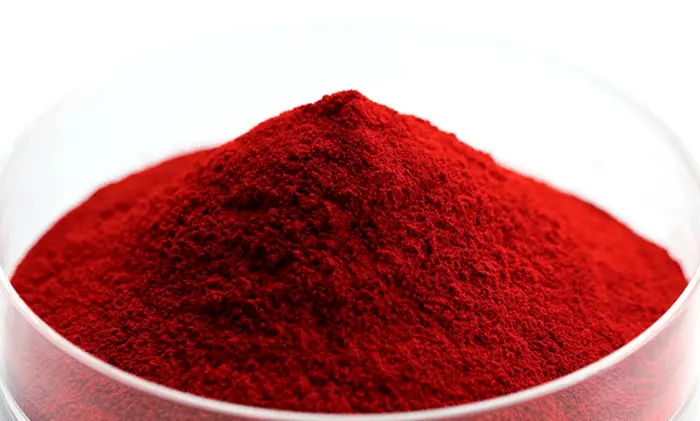
Purity: 1%-10%
Appearance: Dark red powder
CAS NO.: 472-61-7
Molecular Weight: 596.85
Molecular Formula: C40H52O4
MOQ: 500G-1KG
Inventory: in stock
Our Advantages: Scalable production capacity, strict quality control, cost efficiency from integrated factories, over 20 years of experience, advanced technology, and 24/7 after-sales support.
Certificaions: FSSC2000/ISO2000/HALAL/KOSHER/HACCP
Delivery terms: FedEx, DHL, EMS, UPS, TNT, all kinds of the airline, international shipping companies.
Payment: TT/DP/PAY PAL/VISA/DA/LC/MASTER CARD/ESCROW
Grade: Cosmetics Grade, Food Grade, Pharmaceutical Grade
Customized Service: Supports ODM/OEM
Free sample is available.
We do not sell retail quantities to individuals.
Introduction
The global shift toward proactive health management has created a steady demand for immune-supporting ingredients that deliver tangible benefits. Among these, Astaxanthin Powder stands out – for its antioxidant power, but also for the manufacturing versatility it offers to supplement, food and cosmetic formulations. For purchasing managers and R&D teams evaluating bulk suppliers, understanding what makes astaxanthin work at the cellular level – and what distinguishes a premium batch from a subpar one – has direct consequences for product performance and brand image. This guide explores the science, quality markers and procurement considerations that matter most when sourcing astaxanthin for immune-health applications.
What is Astaxanthin Powder and How Does It Support Immunity?
Biological Origin and Chemical Structure
Astaxanthin (C40H52O4) is a lipophilic keto-carotenoid synthesised by the microalga Haematococcus pluvialis spontaneously in response to environmental stress. It is available as a powder, which is a stable, simple to handle alternative for producers to the crude oleoresin. At Jiayuan Bio-Tech, manufacturing starts with the controlled photobioreactor culture of H. pluvialis followed by supercritical CO2 extraction. The obtained oleoresin is microencapsulated, where the lipophilic astaxanthin is coated with hydrophilic carriers such as modified starch or gum arabic. This procedure addresses two long-standing industry issues, fast oxidation of crude oleoresin in the presence of light and air and low water dispersibility in formulation matrices. The encapsulated powder is structurally intact and biologically active under normal storage and production settings.
Natural Versus Synthetic Forms: Critical Procurement Distinction
The origin of astaxanthin directly impacts its biological effectiveness and regulatory status. Microalgae-derived natural astaxanthin is mostly composed of the 3S,3'S stereoisomer, which has shown to be more bioavailable and has better antioxidant activity than other stereoisomers . Synthetic versions, derived from petrochemical precursors, are a combination of stereoisomers (3R,3'R, meso and 3S,3'S) with different biological characteristics. The antioxidant activity of natural astaxanthin was shown to be 20–50 times higher than synthetic astaxanthin in conventional experiments (Guerin et al., 2003). Jiayuan Bio-Tech's natural Astaxanthin Powder undergoes rigorous purity verification — including HPLC analysis and residue testing — to confirm the absence of contaminants that could compromise antioxidant performance or alter formulation stability.
Immune System Modulation at Cellular Level
Astaxanthin regulates immunological function via numerous complementary routes. Its peculiar chemical structure with polar terminal groups traversing the lipid bilayer allows it to simultaneously protect the hydrophilic and lipophilic parts of cell membranes from oxidative damage. A research in Nutrition & Metabolism (Park et al., 2010) showed that astaxanthin supplementation in human participants improved the immunoglobulin synthesis, T-and B-cell function and natural killer cell activity. It also modulates inflammatory cytokines by inhibiting the pro-inflammatory cytokines such as TNF-α and IL-6, and inducing anti-inflammatory cytokines. Astaxanthin decreases reactive oxygen species and chronic inflammation, producing an environment where immune cells can work better. Jiayuan Bio-Tech tests each batch for heavy metals, microbiological pollutants and residual solvents to ensure the product meets safety standards for immune-health applications.
Proven Health Benefits of Astaxanthin Powder Relevant to Immunity
Antioxidant and Anti-Inflammatory Effects
Astaxanthin Powder’s role in immune support is based on its antioxidant properties. Its chemical framework — conjugated double bonds with polar end groups that span membrane bilayers — endows it with extraordinary singlet oxygen-quenching activity, exceeding that of several conventional antioxidants in comparative in vitro studies. Indeed, supplementation with astaxanthin in human clinical trials has shown considerable decreases in indicators of oxidative stress . One research showed that astaxanthin (6 mg/day) for eight weeks decreased DNA oxidative damage by roughly 40% and increased activity of endogenous antioxidant enzyme . For product manufacturers, these findings translate into a mechanistic-based substance that shields immune cells against oxidative damage that would otherwise impede their function.
Skin Health as an Immune Barrier
Skin is the body’s biggest immunological organ and Astaxanthin Powder helps that barrier function in a few ways. The chemical is deposited in the dermis, where it reduces UV-induced inflammation and cellular damage. Clinical investigations (Tominaga et al., 2012) have shown that oral astaxanthin enhances skin elasticity and moisture retention capacity and decreases inflammatory markers associated with impaired barrier function. These qualities have led to their increasing use by cosmetic and skincare makers. For dietary supplements targeting skin health, typical daily doses range from 4–12 mg. Topical formulations generally incorporate 0.01% to 0.1% astaxanthin, depending on the product type and delivery system.
Complementary Health Advantages: Cardiovascular, Eye, and Cognitive Support
In addition to immunological regulation, astaxanthin has been extensively shown to help cardiovascular, eye and brain health. Cardiovascular study (Fassett & Coombes, 2011) has linked astaxanthin to reduced inflammation in the arteries, improved endothelial function, and healthy lipid profiles - all of which contribute to immunological health by enhancing circulation and nutrient delivery. Astaxanthin accumulates in the retinal tissues of the eye, protecting the photoreceptor cells and reducing visual fatigue. New findings from neuroscience reveal it may also protect neuronal mitochondria and reduce neuroinflammation. These synergistic benefits give companies with the option to sell goods containing astaxanthin as multi-function health solutions that may support premium pricing and broader market appeal.
Astaxanthin Powder Versus Other Supplements: Making the Right Choice
Powder Form Advantages for B2B Procurement
B2B purchasing in powder format gives apparent benefits in cost and formulation flexibility. Unlike pre-encapsulated substances that need further processing, Astaxanthin Powder in bulk form may be added straight to tablets, capsules, sachets and functional food matrices. Accelerated stability testing from Jiayuan Bio-Tech indicates that microencapsulated powder holds more than 95% of its efficacy over a 24-month period under regulated storage settings. Bioavailability A well-formulated microencapsulated powder dispersed in lipid-containing matrix may achieve absorption rates similar to oil-based formulations. Bulk powder is often 15-25% less expensive than encapsulated beadlet counterparts on cost, a margin that multiplies dramatically for producers working at scale.
Comparative Analysis: Krill Oil, Fish Oil, and Beta-Carotene
Astaxanthin Powder has a unique antioxidant profile compared to other popular supplement ingredients. Krill oil does include astaxanthin, however it is only in the range of 0.1 to 0.5 mg per gram, so you would need to eat impossibly huge amounts to get a therapeutic level. While fish oil contains omega-3 fatty acids that help keep membranes healthy, it doesn’t have the direct antioxidant power of astaxanthin. Beta-carotene is a carotenoid but is similar in structure and is mostly a pro-vitamin A precursor and does not have the singlet oxygen quenching ability as astaxanthin. Of the ingredients, only astaxanthin has been shown in controlled experiments to prevent lipid peroxidation as well as to directly improve immune cell function. These functional differences provide a premium posture for procurement teams and the justification for the price disparity between astaxanthin and commodity antioxidants.
Quality Distinctions: Organic, Natural, and Synthetic Variants
For procurement teams, procuring astaxanthin is a complex environment of quality. There are customers who do care about organic certification, however for most B2B applications the most practical difference is natural vs synthetic. Jiayuan Bio-Tech Natural Astaxanthin Powder has a comprehensive analytical profile: HPLC purity verification, heavy metal testing, microbiological testing and residual solvent testing. These criteria are according to USP and EP pharmaceutical grade regulations. Toxicological studies have established astaxanthin's safety profile at doses up to 100× typical supplementation levels. For buyers evaluating suppliers, ISO, GMP, and HACCP certifications provide evidence of formal quality management systems. The most reliable suppliers back their claims with complete Certificates of Analysis, batch-to-batch consistency records, and documented compliance for all target regulatory markets.
Procurement Guide: Buying Astaxanthin Powder for B2B Clients
Supplier Identification and Evaluation Strategies
The difference between a credible astaxanthin source and a commodities dealer lies in verifiable production infrastructure. Look for GMP-certified manufacturing facilities, in-house analytical labs and documented cultivation or extraction methods. Jiayuan Bio-Tech has two GMP standard manufacturing lines for extraction, processing and microencapsulation which provides batch to batch uniformity. Request process flow diagrams, equipment specs, and full QC methods for any provider. Third party audit reports, and on-site inspection for independent verification. Established suppliers should also have thorough documentation: safety data sheets, food-grade declarations, regulatory status letters, and stability data. Lastly, check payment terms and financial stability. Suppliers that provide flexible payment terms and have a track record of consistent quality tend to have a better operating base.
Private Label Opportunities and Customization
Many B2B customers are looking for private label agreements that can be customised to their brand without a financial investment in manufacturing equipment. This allows quality Astaxanthin Powder providers such as Jiayuan Bio-Tech to customise the carrier matrix and concentration levels to suit certain market needs. Custom formulations could mix astaxanthin with synergistic substances like vitamin E, phospholipids, or plant extracts. Custom formulated products generally have a minimum order quantity of 50 kg to 500 kg, however lesser quantities are possible for trial orders of standard specifications. Private label agreements need to include detailed supply contracts with IP ownership, quality requirements and exclusivity clauses to safeguard the interests of both parties.
Pricing Benchmarks, MOQs, and Logistics Considerations
Astaxanthin Powder Pricing is influenced by three criteria – purity, source (natural vs synthetic) and order volume. The price for high purity (≥5%) natural microalgae astaxanthin powder in the industrial market is often between $3000 and $8000/kg. Synthetic substitutes are cheaper, but less effective and less differentiated in the market. For evaluation reasons the minimum order is 1 kilogram. Volume pricing is for 25kg, 100kg and 500kg levels. Jiayuan Bio-Tech maintains strategic inventory to handle normal orders with timely delivery. Jiayuan Bio-Tech provides warehouse stocking services to assist customers manage their cash flow. Astaxanthin is sensitive to heat and light, hence it must be sent in temperature-controlled logistics and light-protected packaging. Correct categorisation of the HS codes and full paperwork is important for international shipments to avoid customs delays. We coordinate shipping through FedEx, DHL, UPS, and specialized nutraceutical freight forwarders, with door-to-door delivery and customs clearance support for US and EU destinations.
Is Astaxanthin Powder Safe? Side Effects and Dosage Guidelines
Clinical Safety Profile and Contraindications
Astaxanthin Powder has been tested in toxicological tests and is safe for different populations. In the 12-week trial at 40 mg/day, no clinically significant side effects or hematological/biochemical abnormalities were noted. The chemical has proved safety even at dosages greater than normal supplementing levels. Some users report a slight skin tinting at high dosage ( >20mg/day), a harmless effect that disappears when dose is decreased. Gastrointestinal discomfort is uncommon and normally disappears when taken with meals. People on immunosuppressant drugs should check with their healthcare providers before using astaxanthin, since it has an effect on the immune system, although no major drug interactions have been recorded in the clinical literature. Astaxanthin has a proven safety record, which allows consumer product producers to utilise it within the allowed dose range.
Special Precautions for Vulnerable Populations
The general safety profile of astaxanthin is low. However, certain groups need to be more cautious. Animal reproduction studies have not demonstrated any teratogenic effects and there are inadequate human clinical research to establish if it is safe during pregnancy. Responsible product labels recommend that pregnant or lactating women check with a physician before to usage. Astaxanthin Powder from microalgae does not entail the danger of seafood allergy as with astaxanthin from crustaceans or fish. Clinical evidence for paediatric usage is sparse; cautious dose of 0.5 to 2 mg/day depending on body weight has been recommended, but not officially established. If you have an autoimmune illness, check with your doctor before using immune modifying supplements; increased immune function might interfere with disease treatment regimens.
Recommended Dosage Ranges Across Applications
The right amount of astaxanthin to take depends on what you are using it for, who it is for, and how it is delivered. The typical dose for dietary supplements is 4–12 mg, and clinical studies have shown immunological benefits at 6 mg/day and higher . Topical cosmetic preparations usually contain 0.01%–0.1% astaxanthin as a topical antioxidant protectant. Functional foods and drinks need careful formulation to ensure stability and flavour, 0.5–5 mg per serving is usual depending on the product matrix; Sports nutrition supplements may include 12–20 mg to enhance recovery after exercise and prevent oxidative stress. In pharmaceutical uses, dosages of up to 40 mg have been studied under medical supervision. Final dose recommendations should be made by product developers based on published clinical data, target consumer demands and relevant health claim restrictions in each market.
Conclusion
Astaxanthin Powder delivers scientifically validated immune support across pharmaceutical, nutraceutical, cosmetic, and functional food applications. Its exceptional antioxidant capacity, Its proven immune-modulation benefits and excellent safety profile make it a high value component for health-centric product lines. Getting procurement right is key to natural sourcing, stringent quality control and regulatory compliance. At Jiayuan Bio-Tech we verify HPLC purity and test for residues in each batch to guarantee the Astaxanthin Powder consistently works in your recipes. We provide B2B customers with consistent, high-quality astaxanthin ingredients via technical knowledge, flexible customisation choices and end-to-end logistical assistance – and compete successfully in the increasing immunological health sector.
FAQ
1. Can astaxanthin improve immunity across all age groups?
Research suggests astaxanthin can support immune function across age groups, though the magnitude of benefit varies with baseline health status. Older adults tend to show more pronounced improvements in immune markers, likely because age-related oxidative stress accumulation creates more room for measurable gains. Young and middle-aged adults benefit primarily from exercise-induced immune stress reduction. Limited pediatric studies indicate safety and potential benefit, but standardized dosing guidelines for children remain underdeveloped. Product positioning should reflect age-specific evidence rather than broad, uniform claims.
2. What are the effectiveness differences between natural and synthetic astaxanthin?
Natural astaxanthin from microalgae demonstrates significantly higher bioavailability and antioxidant activity than synthetic versions. The difference stems from stereoisomer composition: natural astaxanthin is predominantly 3S,3'S, while synthetic forms contain a mixed isomer profile (3R,3'R, meso, and 3S,3'S). Clinical studies indicate that natural astaxanthin produces more sustained changes in oxidative stress markers and immune function parameters. Synthetic alternatives offer cost savings but deliver lower efficacy and carry weaker market positioning, particularly in premium supplement segments where consumers increasingly demand natural-source ingredients.
3. What are best practices for storing and handling bulk Astaxanthin Powder?
Proper storage prevents oxidative degradation and preserves astaxanthin's stability. Store bulk powder in sealed, light-blocking containers at temperatures below 25°C with relative humidity under 60%. Nitrogen flushing during packaging extends shelf life by displacing oxygen. Once opened, packages should be resealed promptly and contents used within the recommended timeframe. Jiayuan Bio-Tech's microencapsulated powder offers greater stability than unprotected astaxanthin, retaining over 95% potency for 24 months under appropriate storage conditions.
Partner with Jiayuan Bio-Tech for Premium Astaxanthin Powder Supplier Solutions
Jiayuan Bio-Tech supplies pharmaceutical-grade Astaxanthin Powder manufactured to the standards demanded by immune-health product development. Our advanced microencapsulation technology, rigorous quality control (including heavy metal and microbial testing), and verified purity through HPLC analysis give B2B clients the consistency and confidence they need. We offer customized formulation support, flexible MOQs starting at 1 kg, and comprehensive logistics services — including customs clearance assistance for smooth delivery. Our ISO- and GMP-certified production systems ensure batch-to-batch stability, which is critical for regulated product manufacturing. Whether you're developing dietary supplements, functional foods, cosmetic formulations, or pharmaceutical applications, our technical team provides end-to-end support from concept through production. Contact our procurement team at sales@jayuanbio.com or sales1@jayuanbio.com to discuss your specifications, request samples, and discover how our Astaxanthin Powder can strengthen your product line in the growing immune health market.
References
1. Ambati, R. R., Phang, S. M., Ravi, S., & Aswathanarayana, R. G. (2014). Astaxanthin: sources, extraction, stability, biological activities and its commercial applications—a review. Marine Drugs, 12(1), 128-152.
2. Park, J. S., Chyun, J. H., Kim, Y. K., Line, L. L., & Chew, B. P. (2010). Astaxanthin decreased oxidative stress and inflammation and enhanced immune response in humans. Nutrition & Metabolism, 7(1), 18-28.
3. Fassett, R. G., & Coombes, J. S. (2011). Astaxanthin: a potential therapeutic agent in cardiovascular disease. Marine Drugs, 9(3), 447-465.
4. Tominaga, K., Hongo, N., Karato, M., & Yamashita, E. (2012). Cosmetic benefits of astaxanthin on humans subjects. Acta Biochimica Polonica, 59(1), 43-47.
5. Guerin, M., Huntley, M. E., & Olaizola, M. (2003). Haematococcus astaxanthin: applications for human health and nutrition. Trends in Biotechnology, 21(5), 210-216.
6. Yuan, J. P., Peng, J., Yin, K., & Wang, J. H. (2011). Potential health-promoting effects of astaxanthin: a high-value carotenoid mostly from microalgae. Molecular Nutrition & Food Research, 55(1), 150-165.