Astaxanthin Powder Bulk Sourcing: Avoid Common Mistakes
Sourcing Astaxanthin Powder Bulk requires careful attention to quality criteria, supplier dependability, and regulatory compliance. Procurement managers in the food, cosmetics, nutraceuticals and pharmaceuticals sectors have a lot to lose – the antioxidant power of this keto-carotenoid, mostly coming from Haematococcus pluvialis microalgae, is almost 6,000 times that of Vitamin C. The improper supplier or failure to conduct required quality inspections may impair product effectiveness, delay manufacturing schedules, and harm the brand's image.
Purity: 1%-10%
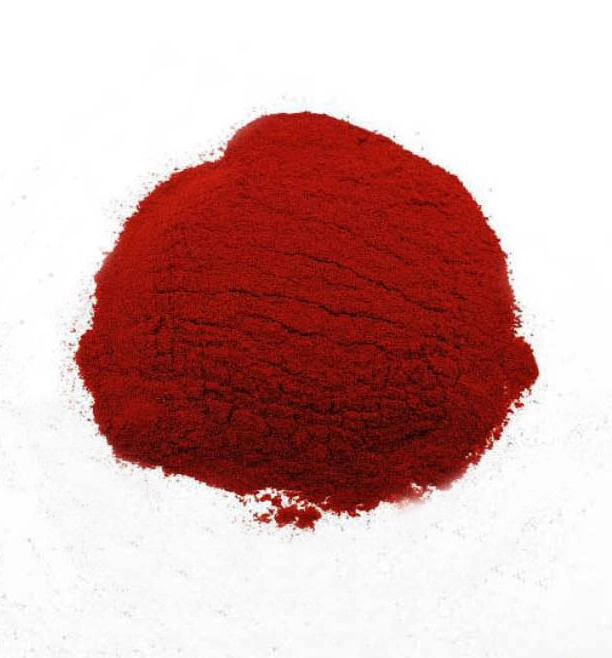
Appearance: Dark red powder
CAS NO.: 472-61-7
Molecular Weight: 596.85
Molecular Formula: C40H52O4
MOQ: 500G-1KG
Inventory: in stock
Our Advantages: Scalable production capacity, strict quality control, cost efficiency from integrated factories, over 20 years of experience, advanced technology, and 24/7 after-sales support.
Certificaions: FSSC2000/ISO2000/HALAL/KOSHER/HACCP
Delivery terms: FedEx, DHL, EMS, UPS, TNT, all kinds of the airline, international shipping companies.
Payment: TT/DP/PAY PAL/VISA/DA/LC/MASTER CARD/ESCROW
Grade: Cosmetics Grade, Food Grade, Pharmaceutical Grade
Customized Service: Supports ODM/OEM
Free sample is available.
We do not sell retail quantities to individuals.
Introduction
B2B industries including nutritional supplements, cosmetics, functional drinks, and animal nutrition are driving the global demand for Astaxanthin Powder Bulk. In each case, the component provides a functional benefit – cardiovascular health in nutraceuticals, skin resilience in cosmetic formulations and natural colouration in aquaculture feed.
But procurement teams do encounter significant challenges. Risk exists via quality variations, ambiguous certification claims, opaque pricing schemes and logistical delays. Pharmaceutical businesses have received failed potency test batches. Cosmetics companies have had issues with colour stability. Inadequate paperwork has caused customs waits for supplement makers. Knowing these pitfalls—and how you avoid them—can be the difference between a resilient supply chain and expensive interruptions.
Understanding Astaxanthin Powder Bulk – Key Insights for Procurement
Natural vs. Synthetic Origins Matter
Astaxanthin Powder Bulk is available in natural (extracted from microalgae farming) and synthetic (manufactured by petrochemical synthesis). The difference counts on the molecular scale. Natural astaxanthin has the (3S,3’S) stereoisomeric structure, but synthesised astaxanthin is often a racemic combination. This structural variation directly influences the bioavailability and the antioxidant activity.
While natural astaxanthin from Haematococcus pluvialis has a premium price tag, it gives marketers an obvious positioning advantage with health-conscious customers. These are usually grown in controlled photobioreactors or open pond systems, then broken down and extracted using supercritical CO2 . The result is a pure extract with no residue from chemical solvents – satisfying the standards for organic certification.
Industrial Grade Specifications
Astaxanthin Powder Bulk is typically available in concentrations ranging from 1% to 10% active compound. Lower concentrations use spray-drying with carrier materials such as modified starch or maltodextrin to improve stability and flowability. Higher-potency oleoresin powders require specialized packaging to prevent oxidative degradation during storage and handling.
Cold Water Dispersible (CWD) grades are coated with gum arabic or modified cellulose to generate stable emulsions in aqueous drinks without separation of oil. Standard oleoresin forms are compatible with lipid-based delivery methods and softgel encapsulation. Successful formulation depends on matching the proper grade to your production process.
Primary B2B Applications
Cold Water Dispersible (CWD) grades are coated with gum arabic or modified cellulose to generate stable emulsions in water-based drinks without separation of oil. Standard oleoresin formulations perform well with lipid based deliveryThe main consumers of Astaxanthin Powder Bulk are OEM manufacturers and private label businesses. This component is used by nutraceutical businesses in formulations for multivitamins, standalone antioxidant supplements and sports recovery products. Typical doses in final products are from 4 mg to 12 mg per serving.
Astaxanthin is used in cosmetics in anti-aging serums, UV protection creams and oral beauty supplements. Its properties as free radical scavenger and for skin suppleness make it a notable ingredient for premium skin care products. It is quite potent and highly coloured, thus doses for topical use are usually kept below 0.1%.
Common Mistakes in Bulk Astaxanthin Powder Sourcing and How to Avoid Them
Overlooking Certification Documentation
Many procurement managers think the Certificate of Analysis (COA) is enough confirmation of quality. A COA certifies active chemical content, but it’s just one element of the picture. Ask for a full set of paperwork before doing bulk orders:
- ISO 9001 certification — validates quality management system compliance.
- GMP (Good Manufacturing Practice) certification — confirms production facility meets pharmaceutical-grade standards.
- Organic certifications (USDA, EU, or equivalent) — substantiates natural-source claims.
- Heavy metal testing, microbiological screening, and pesticide residue reports — safeguard against contaminated batches.
Reputable suppliers maintain transparent testing protocols and willingly share third-party results. Hesitation to provide documentation or vague quality assurances should raise immediate concern. At Jiayuan Bio-Tech, every batch of Astaxanthin Powder Bulk undergoes systematic testing for heavy metals, microbial counts, solvent residues, and residual contaminants — keeping all parameters well within international regulatory limits. Our internal testing consistently demonstrates extraction purity that exceeds typical industry baselines.
Neglecting Source Transparency
Source origin directly influences the product authenticity and its market placement. Some providers mix natural and synthetic Astaxanthin Powder Bulk without declaring it, which breaks both the integrity of the product and the faith of consumers. Growth conditions, extraction procedures, and risk profiles for contamination are influenced by the culture environment.
There is variation in environmental controls and regulatory monitoring throughout microalgae culture areas. Facilities working in a regulated environment usually generate cleaner raw materials with a decreased chance of contamination. Requesting supplier site audits or third-party inspection reports provide insight into real manufacturing conditions.
Misaligning Order Quantities
Choosing a supplier may be challenging with MOQ restrictions, especially if you’re a smaller company or introducing new product lines. MOQs are determined by suppliers based on manufacturing batch economics - equipment setup, quality control and paperwork expenses all play a part.
Typical Astaxanthin Powder Bulk minimums are 5 to 50 kilogram for standard orders, while some manufacturers have 100 kg minimums for bulk pricing. Procurement teams must balance the expense of inventory retention against the savings achieved via bulk buying. Over-ordering ties up working capital and leads to an increased risk of oxidative damage during long-term storage.
Best Practices for Choosing the Right Bulk Astaxanthin Powder Supplier
Rigorous Quality Standard Screening
Layered verification demonstrates top suppliers’ commitment to quality. Search for organisations who are ISO certified and have GMP compliant facilities and do extensive batch testing. Availability of in-house analytical capabilities – HPLC (High-Performance Liquid Chromatography), spectrophotometry, and microbiological testing equipment – shows a considerable investment in quality infrastructure.
One important but frequently neglected signal is batch uniformity. Request COAs from many manufacturing lots to evaluate differences in active component content, colour intensity and physical characteristics. Large batch-to-batch fluctuation indicates problems with process control. Jiayuan Bio-Tech has two GMP manufacturing lines for stable high output.
Transparent Pricing and Value Assessment
Astaxanthin Powder Bulk pricing varies significantly based on purity grade, source origin, certification status, and order volume. Natural astaxanthin typically costs three to five times more than synthetic versions due to the complexity of cultivation and extraction. Organic certification adds an additional 15–30% premium.
“Be careful of prices that are way below market,” he said. Unusually cheap cost is typically indicative of quality compromise, adulteration or replacement with synthetics. Ask for specific price breakdowns to see what the pricing consists of and to find real bargaining leverage points.
Sample Testing and Trial Orders
Never buy in bulk without trying a sample first. Ask for samples from genuine manufacturing runs, not specially created show materials. Test internally or via an independent laboratory to validate the concentration of the active chemical, purity, solubility and stability under the circumstances of your unique procedure.
The sample should be representative of your real method of formulation. Behaviour of test powder during encapsulation for softgel manufacture For beverage applications, test for dispersibility, colour stability and flavour effect. Evaluate stability across a variety of pH and temperature values and compatibility with other constituents in cosmetic compositions.
How to Use and Store Bulk Astaxanthin Powder for Maximum Benefit
Proper Dosage and Formulation Guidelines
Astaxanthin supplements are commonly dosed at 4–12 mg a day for general antioxidant support, however doses may need to be altered for specialised purposes. Cosmetic formulations typically include 0.01–0.1% in topical treatments. Functional foods have a broad range of uses based on serving size and health benefits intended.
In powder form, bioavailability is what counts. Astaxanthin is lipophilic, meaning it dissolves in fat and is better absorbed when eaten with dietary fats. Softgel delivery methods employing olive oil, MCT oil or sunflower oil as carriers show improved bioavailability over dry tablet formulations.
Optimal Storage Conditions
Astaxanthin is a carotenoid, with an unstable conjugated double bond structure, that is particularly susceptible to oxidation, light and heat. Proper storage is key to maintaining potency and shelf life.
The main storage worry is temperature regulation. Keep long-term inventory refrigerated at 2° to 8°C (36° to 46°F). Short-term storage at room temperature (< 25°C/77°F) is permissible, especially for encapsulated or microencapsulated powder forms with greater stability. Avoid temperature changes that promote condensation and moisture intrusion.
Regulatory Compliance Considerations
International trade in Astaxanthin Powder Bulk requires navigating region-specific regulatory frameworks. The US FDA recognizes natural astaxanthin as GRAS (Generally Recognized as Safe) for certain purposes, although synthetic astaxanthin has fewer approved-use categories. EU laws provide for different approval routes for feed and food applications.
Import paperwork requirements differ in each nation. The standard documentation requires commercial invoices, packing lists, certificates of origin, COA paperwork and perhaps phytosanitary certifications for algae-derived items. For proper customs classification (HS codes) the relevant tariff rates are. Incorrect categorisation causes delays or unexpected charges.
Navigating Price Comparisons and Market Trends in Bulk Astaxanthin Procurement
Understanding Price Fluctuation Factors
The price of Astaxanthin Powder in bulk is seasonal and cyclical. Productivity of microalgae production relies on weather conditions, water quality and photobioreactor efficiency. Outdoor growing methods are very dependent upon the seasonal changes in temperature and lighting which impact harvest yields.
Pricing and availability are also impacted by supply chain interruptions. Spot prices may be pushed higher by temporary supply shortages caused by shipping delays, port congestion and geopolitical turmoil. Long-term supply contracts with price-stabilization provisions assist the purchasers withstand short-term market turbulence.
Comparative Analysis with Alternative Antioxidants
Bench-marking of astaxanthin with other antioxidants helps to confirm cost-effectiveness in formulations. Beta-carotene is far cheaper, but it’s a much less powerful antioxidant. Lycopene has specific advantages, especially for prostate health applications.
The two cheap and well characterised vitamins are E (tocopherols) and C (ascorbic acid). There is a lot of safety data on them and they are approved for use. Astaxanthin Powder Bulk, however, has obvious benefits such as better free-radical scavenging capability and cell membrane crossing ability, therefore it is a different level of performance.
Emerging Market Trends
The natural-products movement continues to drive demand for algae-derived astaxanthin despite its premium pricing. Consumers increasingly seek "clean label" products with recognizable, naturally sourced ingredients. This trend supports premium branding strategies that justify higher ingredient costs.
High-potency formulations are gaining market share as brands differentiate through clinically backed efficacy claims. Products delivering 10–12 mg astaxanthin per serving attract health-conscious consumers willing to invest in proven benefits. Organic certification demand is also accelerating across both supplement and cosmetics markets.
Conclusion
The successful procurement of Astaxanthin Powder Bulk needs great care in quality verification, supplier assessment, regulatory approval, and overall cost control. The usual pitfalls – insufficient certification assessment, lack of transparency from the source, MOQ mismatch and poor supplier screening – generate extra risk that degrades product quality and operational efficiency.
This paper offers practical frameworks for supplier assessment, quality assurance and supply relationship management for procurement teams. This difference between natural and synthetic, the choice of the suitable powder grades for a given application and adequate storage procedures all help to maintaining the robust antioxidant effects of this substance.
FAQ
1. Is bulk astaxanthin powder safe to use for large-scale production?
Yes, high-quality Astaxanthin Powder Bulk from reputable sources is safe for large-scale production when proper handling protocols are followed. In the United States, natural astaxanthin derived from microalgae holds GRAS status for specific applications, and clinical studies have consistently demonstrated its safety profile. Jiayuan Bio-Tech ensures all product parameters remain well within international safety standards.
2. What is the typical minimum order quantity when purchasing in bulk?
MOQ requirements vary by supplier based on production capacity and operational model. Standard industrial MOQs typically range from 5 to 50 kg, with some manufacturers requiring 100 kg minimums for volume discount pricing. Smaller specialty suppliers may accommodate 1–5 kg orders at a premium to support emerging brands and research projects. We recommend discussing MOQ flexibility during supplier evaluation to align with your production ramp.
3. How can I verify the authenticity and quality of astaxanthin powder from a new supplier?
Verification requires a structured approach: document review, sample testing, and supplier audit. Request current COA reports, third-party lab results confirming purity and contamination screening, and batch consistency data from recent production runs. Independent lab testing should be conducted at accredited facilities using HPLC analysis for active compound concentration and spectrophotometry for characteristic absorption band verification.
Partner with Jiayuan Bio-Tech for Premium Astaxanthin Powder Bulk Supply
Securing reliable, high-quality Astaxanthin Powder Bulk requires a supplier with technical depth, rigorous quality control, and customer-focused service. Jiayuan Bio-Tech has built long-standing partnerships with pharmaceutical companies, cosmetic brands, nutraceutical manufacturers, food processors, and research institutions across global markets.
Our production infrastructure includes two GMP-compliant production lines backed by a comprehensive quality testing system. Every batch undergoes careful screening for heavy metals, microbial counts, solvent residues, and contaminant parameters to ensure strict compliance. Our internal testing consistently demonstrates purity levels that exceed typical industry baselines — translating to stronger antioxidant performance in your finished formulations.
We understand the challenges procurement professionals face: balancing quality requirements against budget constraints, navigating international logistics, and maintaining supply consistency. Our factory-direct production model and warehouse stocking services meaningfully reduce total acquisition costs. We accommodate flexible order quantities to support both established manufacturers and emerging brands developing new product lines.
International shipping expertise sets us apart as a trusted Astaxanthin Powder Bulk supplier. Our partnerships with major carriers — including FedEx, DHL, UPS, and international freight forwarders — ensure reliable delivery. We manage customs clearance procedures for the United States and European markets, ensuring goods arrive at your facility without delays or complications. Contact our procurement specialists today at sales@jayuanbio.com or sales1@jayuanbio.com to discuss your requirements.
References
1. Ambati, R.R., Phang, S.M., Ravi, S., Aswathanarayana, R.G. (2014). "Astaxanthin: Sources, Extraction, Stability, Biological Activities and Its Commercial Applications—A Review." Marine Drugs, 12(1), 128-152.
2. Capelli, B., Bagchi, D., Cysewski, G.R. (2013). "Synthetic Astaxanthin is Significantly Inferior to Algal-Based Astaxanthin as an Antioxidant and May Not be Suitable as a Human Nutraceutical Supplement." Nutrafoods, 12(4), 145-152.
3. Kidd, P. (2011). "Astaxanthin, Cell Membrane Nutrient with Diverse Clinical Benefits and Anti-Aging Potential." Alternative Medicine Review, 16(4), 355-364.
4. Pashkow, F.J., Watumull, D.G., Campbell, C.L. (2008). "Astaxanthin: A Novel Potential Treatment for Oxidative Stress and Inflammation in Cardiovascular Disease." American Journal of Cardiology, 101(10A), 58D-68D.
5. Dose, J., Matsugo, S., Yokokawa, H., Koshida, Y., Okazaki, S. (2016). "Free Radical Scavenging and Cellular Antioxidant Properties of Astaxanthin." International Journal of Molecular Sciences, 17(1), 103.
6. Guerin, M., Huntley, M.E., Olaizola, M. (2003). "Haematococcus Astaxanthin: Applications for Human Health and Nutrition." Trends in Biotechnology, 21(5), 210-216.