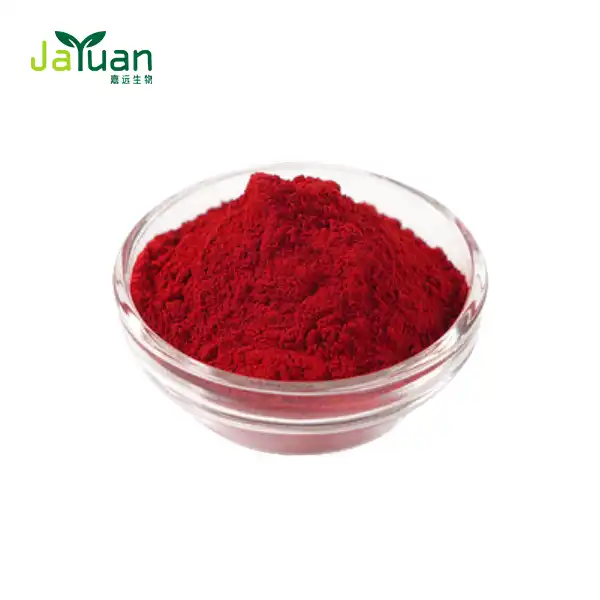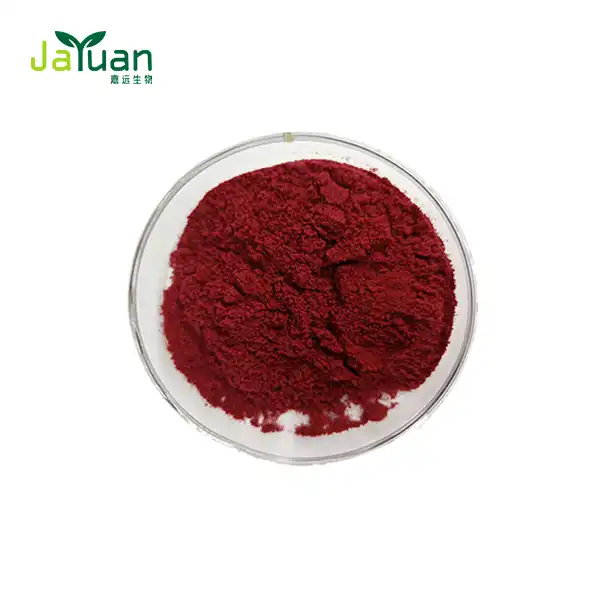
Astaxanthin Powder Bulk for Aquaculture Feed: Key Benefits
Astaxanthin powder bulk has become one of the most sought-after raw ingredients in aquaculture feed formulation. Derived primarily from the microalgae Haematococcus pluvialis, this keto-carotenoid ingredient is widely recognized for its potent antioxidant properties, natural pigmentation effect, and measurable impact on aquatic animal health. For B2B procurement teams sourcing feed-grade carotenoid raw materials at scale, understanding the full range of benefits—and knowing how to evaluate supplier quality—can directly affect product performance and supply chain efficiency.
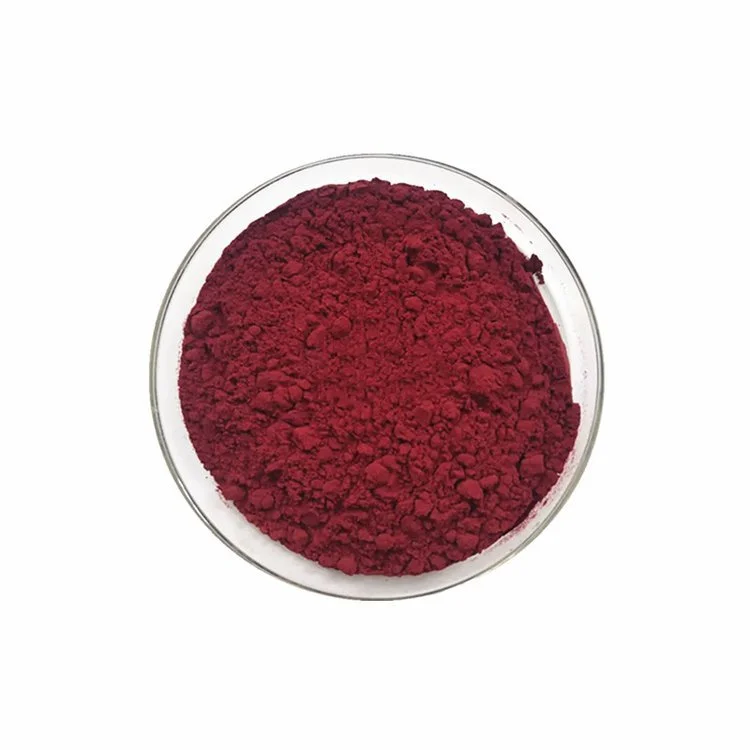
Understanding Astaxanthin Powder Bulk in Aquaculture
What It Is and Where It Comes From
Astaxanthin powder bulk is a concentrated, large-scale supply of the keto-carotenoid astaxanthin. It is usually made from Haematococcus pluvialis microalgae using supercritical CO₂ fluid technology. This molecule, which is scientifically named 3,3'-dihydroxy-β,β-carotene-4,4'-dione, covers the whole cell membrane and protects against free radicals better than beta-carotene and Vitamin E combined at the same levels.
Natural vs. Synthetic: Why It Matters for Procurement
The bulk of natural astaxanthin powder bulk is mostly the 3S, 3'S isomer in an esterified form. This form is better absorbed by aquatic species than synthetic variants, which are a racemic mixture of isomers in a free (unesterified) form. This difference affects both the inclusion rates and the cost-per-unit calculations for procurement directors who are in charge of annual sourcing contracts.
Antioxidant Science Behind the Ingredient
According to research that has been published, astaxanthin is about 550 times stronger as an antioxidant than Vitamin E and 6,000 times stronger than Vitamin C in some test settings (Guerin et al., 2003). In aquaculture feed, this ability directly means less reactive stress for fish and shrimp, which helps their immune systems work better and gives them more general health during the production cycle.
Core Benefits of Astaxanthin Powder Bulk for Aquaculture Feed
Pigmentation, Growth Performance, and Disease Resistance
Before making big purchases, procurement teams and feed formulators often ask for data that can be measured. Based on scientific evidence and real-world use, these are the main benefits:
- Pigmentation quality: Astaxanthin powder bulk gives salmon, trout, and shrimp the distinctive pink-to-red meat color that customers associate with high-quality products. A study in the journal Aquaculture shows that feeding astaxanthin at a dose of 40–80 mg/kg makes meat coloring scores much better, which directly raises market value.
- Growth and feed conversion: Research on Atlantic salmon and rainbow trout shows that adding astaxanthin to food increases feed conversion ratios (FCR) by 5–10% and helps fish gain weight more quickly than groups that didn't add astaxanthin. Better lipid metabolism and food uptake at the cellular level are part of the process.
- Immune response and disease resistance: Astaxanthin in food makes shrimp and fish's immune systems stronger by lowering lipid peroxidation and increasing the activity of white blood cells. In tests with Litopenaeus vannamei shrimp, the death rate was lower when they were exposed to bacteria when their feed had regular carotene supplements.
- Stress tolerance: Astaxanthin powder bulk increases aquatic species' resistance to low oxygen levels, handling stress, and weather swings, all of which can lower crop returns in intensive farming operations.
When added up, these benefits mean better quality end products, lower losses due to death, and a better return on investment for both feed producers and aquaculture operators.
How to Use Astaxanthin Powder Bulk in Aquaculture Feed
Recommended Inclusion Rates by Species
The best dose depends on the species and the goal of the production. Standard amounts for salmonids are between 40 and 80 mg/kg of finished feed. 50 to 100 mg/kg is a common amount for shrimp in intensive systems. Feed formulators should figure out how much raw material to use based on the confirmed assay percentage of the astaxanthin powder bulk that is being used. For example, a 2% standardized powder needs 2,000 to 4,000 mg per kg of feed to deliver 40 to 80 mg of active astaxanthin.
Stability During Feed Production
Heat, light, and air can all damage astaxanthin. When pelleting or extruding, temperatures above 80°C can speed up the breakdown process through oxidation. Astaxanthin powder in the form of microencapsulated or beadlet forms is more stable in production settings, and vacuum-sealed aluminum foil bags help keep the powder's strength from the warehouse to the mixer.
Choosing the Right Format for Your Application
There are three main ways that aquaculture feed can be delivered:
- Bulk powder: Saves money when used in large amounts, but needs to be handled carefully and packed in anti-oxidation material.
- Microencapsulated beadlets: More stable during processing; a little more expensive per unit, but less active ingredient loss.
- Oil suspension: This can be used for liquid coatings, and it can help some sea animals, but it's not as good for making pellets for big groups of animals.
When buying tons of astaxanthin powder, procurement professionals usually look for uniform powder or microencapsulated forms that come with a certificate of analysis (CoA) that proves they keep their potency.
Choosing the Right Astaxanthin Powder Bulk Supplier for Your Aquaculture Business
Certifications and Quality Standards to Require
An astaxanthin powder bulk provider that you can trust should at least have ISO and GMP certifications. For some export markets, HALAL certification is important. In addition to certificates, buying teams should ask for full quality paperwork that shows heavy metals, bacteria, solvent residues, and exogenous nucleic acid residues are all below the limits set by regulations.
At Jiayuan Bio-Tech, tests on filter paper residue shows that our astaxanthin ingredient is purer and has fewer impurities than rival products. This means that the extraction process is more pure and the product is better at fighting free radicals. Our product has been tested many times and found to be safe and non-toxic. This gives quality teams solid information for qualifying suppliers.
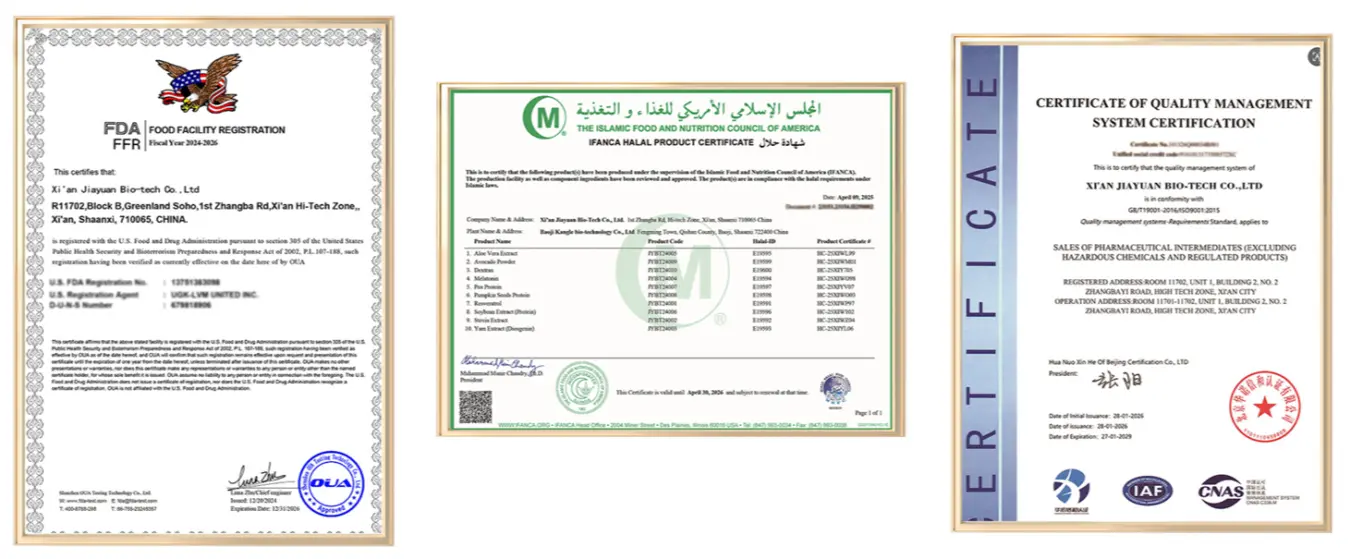
OEM, Private Label, and Custom Formulation Capabilities
Large supplement brands and feed makers often need astaxanthin powder bulk that is tailored to their needs in terms of concentration levels, proprietary blends, or specific specifications. A good company that makes astaxanthin powder in bulk should offer both OEM processes and private marking. Jiayuan Bio-Tech offers both, as well as variable minimum order amounts and storage stocking choices that are meant to free up capital that would otherwise be used to keep inventory.
Logistics, Lead Times, and Supply Reliability
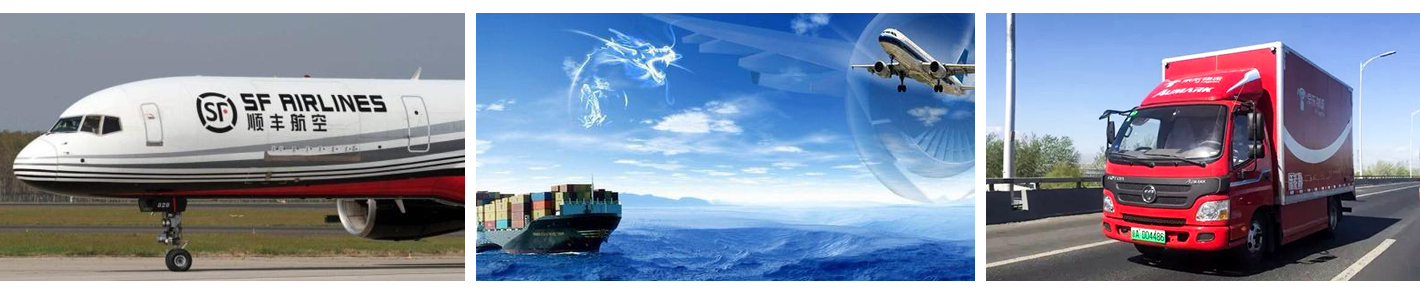
Procurement directors are worried about the risk of supply concentration. When you work with a provider that keeps huge amounts of stock and good working relationships with FedEx, DHL, UPS, EMS, and other foreign shipping companies, you can be sure that your order will arrive on time. Jiayuan Bio-Tech can also clear customs for goods coming from the US and Europe and send them directly to your facility.
Future Trends and Innovations in Astaxanthin for Aquaculture
Market Growth and Demand Drivers
According to Grand View Research (2023), the global astaxanthin market was worth about USD 850 million in 2022 and is expected to grow at a CAGR of around 7% until 2030. This is mostly due to the growth of farming in Asia-Pacific and North America. As clean labeling becomes a way to stand out in the business world, demand for natural, non-GMO astaxanthin powder bulk is growing faster than demand for synthetic alternatives.
Advances in Extraction and Sustainability
Solvent-based methods are being replaced by supercritical CO₂ extraction technology, which makes astaxanthin ingredients that are purer and leave no solvents behind, which is a key quality difference for feed-grade uses. Growing Haematococcus pluvialis in a closed-loop photobioreactor also uses less land and water, which is in line with what big food and store buyers are increasingly asking for in sustainability reports.
Regulatory Landscape in the USA and Europe
Astaxanthin from Haematococcus pluvialis is allowed by the FDA to be used as a colorant in salmonid feed in the United States. Regulation (EC) No 1831/2003 in the EU lets it be used as a feed addition. When buying astaxanthin powder in bulk to sell in regulated markets, procurement teams should make sure that the paperwork from their supplier shows that they are following the rules in that region.
Conclusion
Astaxanthin powder bulk provides aquaculture feed with quantifiable, evidence-based benefits, such as better flesh coloration and feed conversion rates, as well as stronger immune function and stress resistance. For procurement directors who are in charge of getting a lot of ingredients, the quality of your astaxanthin supply has a direct impact on the quality of your products and the reliability of your supply chain. A smart business move is to pick a seller whose products have been tested for purity, whose stock stays stable, and who has all the necessary legal paperwork. All of this is available from Jiayuan Bio-Tech, along with clear testing results and dedicated logistics support for buyers from other countries.
FAQ
1. What is the recommended astaxanthin dosage for salmon feed?
According to both research and real-world experience, the best range for Atlantic salmon and rainbow trout is between 40 and 80 mg/kg of finished feed. The exact inclusion rate is based on the goal flesh color score, the length of the production cycle, and how strong the astaxanthin powder bulk is that is being used.
2. Is natural astaxanthin more effective than synthetic in aquaculture?
Because it is mostly made up of 3S and 3'S esterified isomers, natural astaxanthin from Haematococcus pluvialis is more bioavailable in salmonids. Several studies that compare them show that natural forms of pigments work better per milligram than synthetic racemic forms.
3. What certifications should B2B buyers require?
If they are available, ask for at least ISO, GMP, and HALAL licenses. Heavy metal levels, microbe counts, solvent residues, and foreign nucleic acid residue compliance must all be confirmed via a full CoA.
Partner with Jiayuan Bio-Tech for Premium Astaxanthin Powder Bulk
As a seasoned astaxanthin powder bulk supplier, Jiayuan Bio-Tech provides GMP and ISO-certified ingredients that have been checked for purity and come with full compliance documentation. They also offer competitive tiered pricing for purchases of more than one ton. The total cost of sourcing is lower with our factory-direct model, and our in-house logistics team handles customs clearance for both the US and Europe. Get in touch with us right away to talk about yearly framework agreements, bulk pricing, or sample requests.
📧 sales@jayuanbio.com | sales1@jayuanbio.com
References
1. Guerin, M., Huntley, M. E., & Olaizola, M. (2003). Haematococcus astaxanthin: Applications for human health and nutrition. Trends in Biotechnology, 21(5), 210–216.
2. Christiansen, R., & Torrissen, O. J. (1996). Growth and survival of Atlantic salmon fed different dietary levels of astaxanthin. Aquaculture Nutrition, 2(1), 55–62.
3. Kiron, V., Puangkaew, J., Ishizaka, K., Satoh, S., & Watanabe, T. (2004). Antioxidant status and non-specific immune responses in rainbow trout fed astaxanthin. Aquaculture, 234(1–4), 361–379.
4. Grand View Research. (2023). Astaxanthin Market Size, Share & Trends Analysis Report. Grand View Research.
5. Ambati, R. R., Phang, S. M., Ravi, S., & Aswathanarayana, R. G. (2014). Astaxanthin: Sources, extraction, stability, biological activities, and its commercial applications. Marine Drugs, 12(1), 128–152.
6. European Food Safety Authority (EFSA). (2014). Scientific opinion on astaxanthin as a feed additive for salmonids and other fish. EFSA Journal, 12(8), 3790.