
2026 Guide: Choosing the Right Astaxanthin Powder for Your Health Products
Choosing the best astaxanthin powder for your health product formulations requires a thorough comprehension of supplier credentials, bioavailability considerations, and quality standards. Mostly generated from Haematococcus pluvialis microalgae, this strong carotenoid antioxidant has great potential for use by pharmaceutical businesses, cosmetic brands, nutraceutical producers, and research organizations looking for high-quality natural compounds. Making wise procurement selections is crucial for gaining a competitive edge and ensuring the success of a product in light of the expanding market demand and changing quality standards.
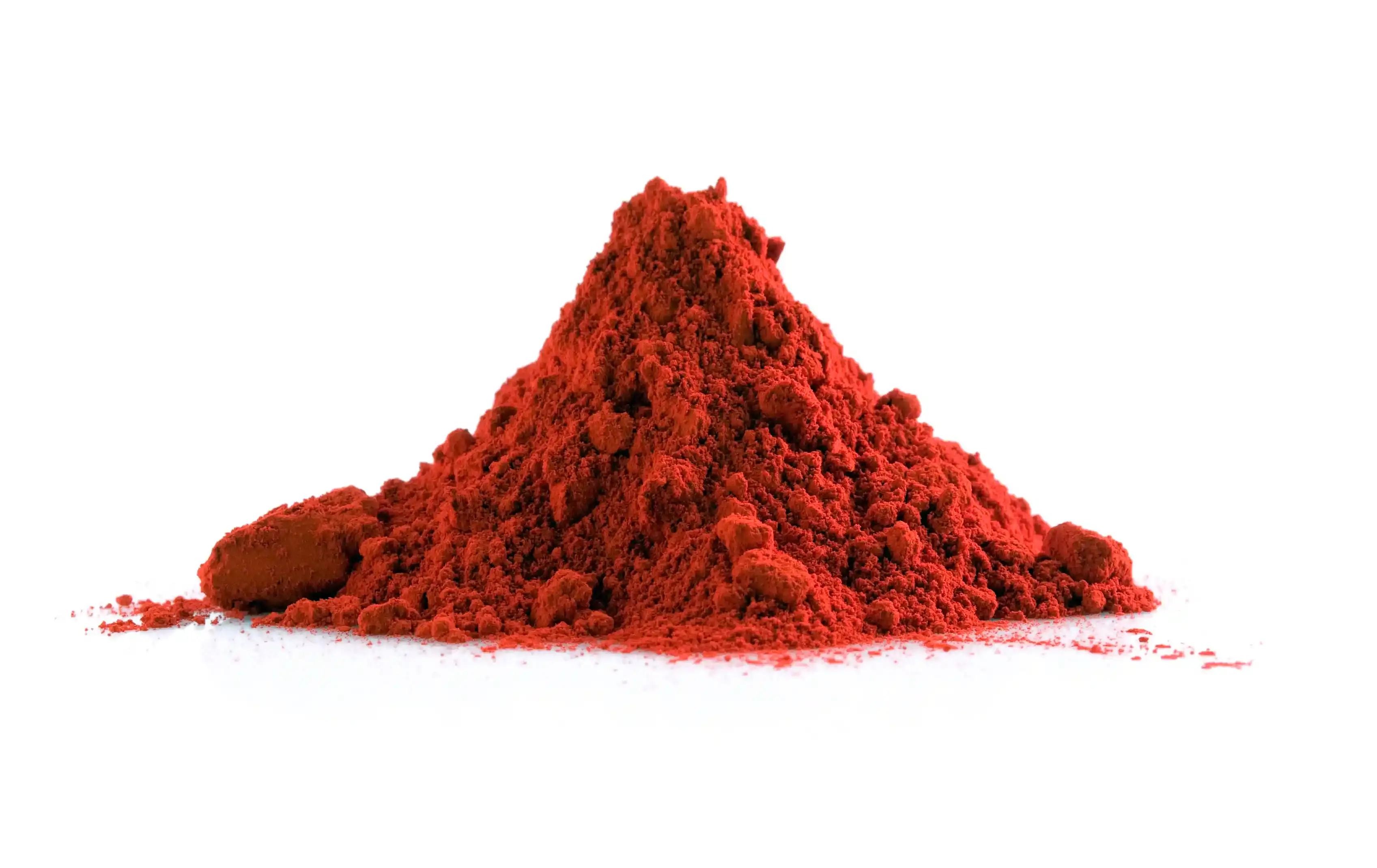
Purity: 1%-10%
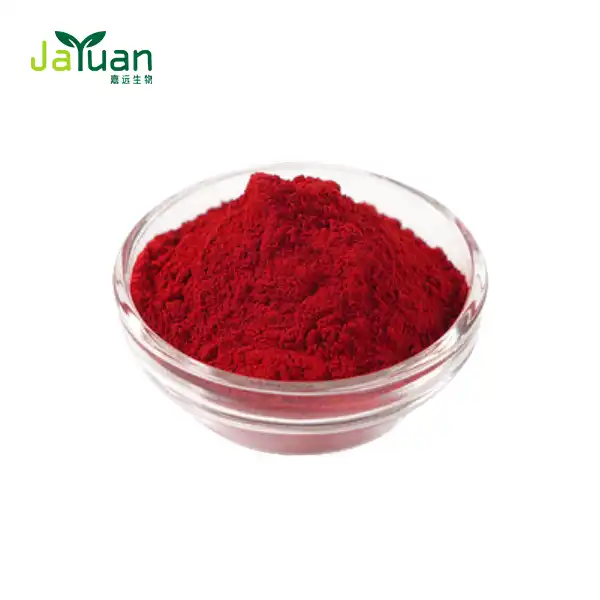
Appearance: Dark red powder
CAS NO.: 472-61-7
Molecular Weight: 596.85
Molecular Formula: C40H52O4
MOQ: 500G-1KG
Inventory: in stock
Our Advantages: Scalable production capacity, strict quality control, cost efficiency from integrated factories, over 20 years of experience, advanced technology, and 24/7 after-sales support.
Certificaions: FSSC2000/ISO2000/HALAL/KOSHER/HACCP
Delivery terms: FedEx, DHL, EMS, UPS, TNT, all kinds of the airline, international shipping companies.
Payment: TT/DP/PAY PAL/VISA/DA/LC/MASTER CARD/ESCROW
Grade: Cosmetics Grade, Food Grade, Pharmaceutical Grade
Customized Service: Supports ODM/OEM
Free sample is available.
We do not sell retail quantities to individuals.
Understanding Astaxanthin Powder and Its Health Benefits
Salmon and other marine species contain astaxanthin powder, a strong antioxidant that provides exceptional protection. Clad in the carotenoid family, it is said to be up to 6,000 times more potent than vitamin C and, in certain cases, 550 times more powerful than vitamin E.
Cellular Protection and Anti-Aging Properties
There are many ways that astaxanthin protects cells. It shields fat-soluble and water-soluble components by bridging cell membranes in a unique way. This two-pronged approach offers complete protection against free radical damage and oxidative stress. Because of its structure, astaxanthin efficiently neutralizes peroxyl and singlet oxygen radicals. Its capacity to penetrate blood-brain and blood-retinal barriers allows for specific protection of the nervous system and eyes. Astaxanthin Powder's qualities make it perfect for formulations promoting eye health and cognitive assistance.
Skin Health and Cosmetic Applications
The use of astaxanthin powder in anti-aging cosmetics is growing in popularity. Research indicates that it improves hydration, decreases wrinkles, and increases skin suppleness. A vital component of protective skincare, its photoprotective properties help protect skin from UV rays. Because it reduces inflammation, astaxanthin is useful in cosmetics. It supports the young look of the skin by reducing inflammation, which is connected to aging. It is therefore positioned as a high-end component in upscale cosmeceutical products.
Dosage Guidelines and Safety Considerations
For general health, a daily intake of 4–12 mg of astaxanthin is advised; greater dosages should only be used therapeutically under supervision. At approved dosages, studies indicate that it is very safe and well-tolerated, with no significant adverse effects noted. Being a fat-soluble substance that needs lipid carriers for the best absorption, astaxanthin's bioavailability is greatly increased when taken with dietary fats. Co-ingredients may improve absorption rates in dietary supplement applications, hence this feature affects formulation techniques.
Comparing Astaxanthin Powder with Other Forms and Products
Although each form has specific qualities appropriate for a variety of purposes, astaxanthin powder provides clear benefits over other delivery methods. Making an educated choice based on target markets and particular product needs is made possible by being aware of these distinctions.
Powder vs. Capsule and Oil Forms
Powder is easy to combine and enables adjustable dosage. It offers concentrated strength in little portions. Proper processing makes it more stable than oil forms, especially when protected from oxygen and light. Capsule shapes restrict formulation versatility but provide ease and accurate dosage. Although it increases bioavailability, oil-based astaxanthin has stability and production issues. The ultimate decision is based on production capacity and market preferences.
Natural vs. Synthetic Astaxanthin Powder
Because it is found in an esterified form, Haematococcus pluvialis natural astaxanthin has a high bioavailability. This difference is important for manufacturers' choices since research indicates that it may be 20 times more bioavailable than synthetic counterparts. Compared to manufactured blends, natural astaxanthin powder has a better bioactivity due to its 3S,3'S stereoisomer. It also contains substances that work in concert, such as carotenoids and omega-3s, which provide further health advantages. The higher effectiveness of natural astaxanthin attracts a premium, while cost favors synthetic. Market trends toward natural ingredients in luxury health and beauty goods are being driven by consumers' desire to spend more for perceived quality.
Comparison with Krill Oil and Other Antioxidants
Compared to specialized astaxanthin powder, krill oil has lower quantities of astaxanthin. Compared to krill-based alternatives, pure astaxanthin is more economical and effective for high-potency antioxidant formulations. In contrast to other antioxidants like resveratrol, coenzyme Q10, or vitamin E, astaxanthin exhibits special benefits in terms of stability and multi-target efficacy. Unlike many single-phase antioxidants, the molecule offers wider protection due to its ability to work across cellular membranes.
Procurement Considerations for B2B Buyers
A thorough assessment of supplier capabilities, quality standards, and logistical considerations is necessary when sourcing premium Astaxanthin Powder. Supplier selection is very important for effective product development because of the intricacy of astaxanthin manufacturing and the vital relevance of quality.
Quality Standards and Certifications
High-quality astaxanthin providers adhere to stringent quality control and pharmaceutical-grade requirements. GMP and ISO are important certifications. They provide thorough analytical certifications that use residual solvent, microbiological, and heavy metal testing to confirm safety, potency, and purity. By using sophisticated testing, such as filter paper residue analysis, quality verification surpasses certificates. Superior Astaxanthin Powder has low residual levels, indicating improved purification and increased antioxidant capacity. The effectiveness of the product and the consistency of its manufacture are directly impacted by these variations.
Bulk Purchasing and Pricing Strategies
Prices for astaxanthin powder are mostly determined by purity; larger concentrations fetch a higher price. Commercial grades usually have a composition of 1% to 10% Astaxanthin Powder, although more is required for certain applications. Establishing long-term supplier partnerships is a wise economical decision due to the significant volume reductions available at industrial sizes. In addition to unit cost, negotiation tactics have to include terms of payment, minimum order quantities, and quality assurances. Framework agreements are often created by successful buyers to provide price stability and flexibility for volume modifications in response to changes in market demand.
Supply Chain and Logistics Factors
Due to its sensitivity to oxygen, heat, and light, astaxanthin has to be handled carefully throughout the supply chain. Product integrity is preserved throughout storage and transit when it is packaged properly in nitrogen-flushed, light-resistant containers. Microalgae culture cycles cause lead times to fluctuate periodically, therefore inventory planning is essential for ongoing production plans. For natural substances to be sent internationally, temperature control, appropriate customs paperwork, and compliance with import regulations are necessary. Through logistical assistance, including customs clearance and direct delivery to your destination, seasoned suppliers streamline the purchase process.
Incorporating Astaxanthin Powder into Your Health Products
It is necessary to comprehend stability features, regulatory constraints, and ideal dosage methodologies in order to successfully include astaxanthin powder into health product formulations. Expert formulators can successfully negotiate the possibilities and difficulties presented by the compound's special qualities.
Formulation Best Practices
Because astaxanthin is fat-soluble, its best bioavailability requires careful delivery system design. Emulsification, lipid matrices, and encapsulation improve absorption and stop breakdown. The stability and effectiveness of the finished product are greatly impacted by the choice of excipient, making it crucial. Stability testing is essential due of astaxanthin's sensitivity. Under controlled circumstances, accelerated studies forecast shelf life and provide storage guidance. Potency is maintained for more than two years with proper formulation.
Regulatory Compliance Across Markets
Astaxanthin Powder regulatory systems differ greatly across markets, necessitating cautious approval process navigation. While astaxanthin is generally recognized as safe (GRAS) in the US for use in dietary supplements, certain uses in European markets must adhere to new food laws. Accurate representation of astaxanthin content and suitable support for health claims are required by labeling regulations. In order to successfully communicate the advantages of their products and keep claims within authorized bounds, manufacturers must strike a balance between marketing goals and regulatory restrictions.
Product Type Matching and Applications
Since different product categories call for different formulation techniques, it fits in well with them all. While skin-compatible delivery methods and aesthetic considerations are necessary for cosmetic applications, standardized dosage and stability optimization are advantageous for dietary supplements. There are particular difficulties with flavor masking and processing stability in functional food applications. In items where color neutrality is desired, astaxanthin's strong red coloring may need to be carefully controlled, although it may also be beneficial for marketing appeal.
Jiayuan Bio-Tech: Your Premium Astaxanthin Powder Partner
Xi'an Jiayuan Bio-Tech is a prominent producer of superior natural plant extracts, with a focus on producing premium Astaxanthin Powder for a range of business-to-business uses. From sourcing raw materials to delivering the finished product, our dedication to perfection covers every facet of manufacturing, guaranteeing constant quality that satisfies the exacting standards of research, pharmaceutical, cosmetic, and nutraceutical applications.
Superior Product Quality and Purity
Due to stringent quality control, our astaxanthin powder surpasses industry purity requirements. Microbes, residues, and heavy metals are maintained within acceptable bounds. Superior purity over rivals is confirmed by advanced testing, which also shows increased extraction efficiency and a greater antioxidant potential for more potent free radical scavenging. Extensive testing and many independent studies have shown the safety and non-toxicity of our astaxanthin. This gives manufacturers of pharmaceuticals and nutraceuticals the certainty they want. These quality benefits assist our customers satisfy regulatory requirements and improve the performance of their products.
Comprehensive Manufacturing Capabilities
Pharmaceutical-grade Astaxanthin Powder is produced on our state-of-the-art GMP-certified manufacturing lines using state-of-the-art extraction technology. We guarantee stringent international quality compliance for the most demanding applications thanks to our ISO, SGS, and HALAL certifications. Consistent, excellent production is ensured by this system. Clients may request precise formulas suited to their particular product needs with customizable OEM services. Throughout the development process, our technical staff works directly with customers, offering their knowledge of formulation optimization, stability testing, and regulatory compliance tactics.
Global Distribution and Support Services
In collaboration with FedEx, DHL, and other significant international carriers, Jiayuan Bio-Tech's logistics network guarantees easy customs clearance in Europe, the US, and other countries. We reduce the complexity of the supply chain and the overall cost of procurement for foreign purchasers by delivering directly to client locations. While bulk consolidation lowers transportation costs for customers needing various natural ingredients, our warehouse stocking services allow for the quick fulfillment of urgent orders. When compared to conventional distribution channels, factory-direct pricing and effective logistics result in considerable cost savings.
Conclusion
Selecting the right Astaxanthin Powder for health product formulations requires careful evaluation of quality standards, supplier capabilities, and application-specific requirements. Natural astaxanthin offers superior bioavailability and efficacy compared to synthetic alternatives, justifying premium pricing for high-quality applications. Successful procurement depends on thorough supplier verification, understanding of regulatory requirements, and strategic formulation approaches that maximize product performance. The growing market demand for natural antioxidants positions astaxanthin as an attractive ingredient for diverse health product categories, from dietary supplements to cosmeceuticals.
FAQ
1. What is the optimal dosage for dietary supplement formulations?
Recommended Astaxanthin Powder dosages for dietary supplements typically range from 4-12 mg daily for general health support. Higher therapeutic dosages may be appropriate for specific applications, though professional guidance becomes important above 12 mg daily. Formulation considerations should account for bioavailability enhancement through fat-soluble delivery systems.
2. Are there any known side effects or interactions?
Astaxanthin demonstrates excellent safety profiles with no significant adverse effects reported at recommended dosages. Potential interactions with blood-thinning medications require consideration due to astaxanthin's cardiovascular benefits. Manufacturers should include appropriate labeling recommendations for consumers taking prescription medications.
3. How can I verify supplier credibility and product quality?
Credible Astaxanthin Powder suppliers provide comprehensive certificates of analysis, maintain pharmaceutical-grade certifications, and offer facility auditing opportunities. Advanced testing methods such as filter paper residue analysis reveal important quality differences between suppliers. Request stability data, microbial testing results, and heavy metal analysis to ensure consistent product quality.
Partner with Jiayuan Bio-Tech for Premium Astaxanthin Powder Solutions
Ready to elevate your health products with superior Astaxanthin Powder? Jiayuan Bio-Tech delivers pharmaceutical-grade natural ingredients backed by rigorous quality standards and comprehensive support services. Our experienced team provides personalized consultations, product samples, and customized formulation support to ensure optimal results for your specific applications. Contact our knowledgeable astaxanthin powder supplier team at sales@jayuanbio.com or sales1@jayuanbio.com to discuss your requirements and discover how our premium ingredients can enhance your product portfolio.
References
1. Higuera-Ciapara, I., Felix-Valenzuela, L., & Goycoolea, F. M. (2006). Astaxanthin: A Review of its Chemistry and Applications. Critical Reviews in Food Science and Nutrition, 46(2), 185-196.
2. Ambati, R. R., Phang, S. M., Ravi, S., & Aswathanarayana, R. G. (2014). Astaxanthin: Sources, Extraction, Stability, Biological Activities and Its Commercial Applications. Marine Drugs, 12(1), 128-152.
3. Capelli, B., Bagchi, D., & Cysewski, G. R. (2013). Synthetic Astaxanthin is Significantly Inferior to Algal-Based Astaxanthin as an Antioxidant and may not be Suitable as a Human Nutraceutical Supplement. Nutrafoods, 12(4), 145-152.
4. Fakhri, S., Aneva, I. Y., Farzaei, M. H., & Sobarzo-Sánchez, E. (2019). The Neuroprotective Effects of Astaxanthin: Therapeutic Targets and Clinical Perspective. Molecules, 24(14), 2640.
5. Kidd, P. (2011). Astaxanthin, Cell Membrane Nutrient with Diverse Clinical Benefits and Anti-Aging Potential. Alternative Medicine Review, 16(4), 355-364.
6. Zhang, X., Zhao, W. E., Hu, L., Zhao, L., & Huang, J. (2011). Carotenoids Inhibit Proliferation and Regulate Expression of Peroxisome Proliferators-Activated Receptor Gamma in K562 Cancer Cells. Archives of Biochemistry and Biophysics, 512(1), 96-106.