
Where to Buy High-Purity Astaxanthin Powder for Cosmetics?
If you want to get astaxanthin powder for cosmetic use, you should only buy from suppliers who can guarantee pharmaceutical-grade quality, thorough testing methods, and stable supply lines. There are a few good options: natural extract makers who are experts in what they do, well-known B2B platforms, and direct factory suppliers who can make formulas that fit the needs of the cosmetics business and give full certificates of analysis.
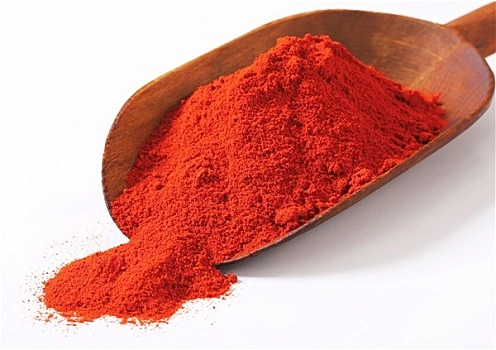
Purity: 1%-10%
Appearance: Dark red powder
CAS NO.: 472-61-7
Molecular Weight: 596.85
Molecular Formula: C40H52O4
MOQ: 500G-1KG
Inventory: in stock
Our Advantages: Scalable production capacity, strict quality control, cost efficiency from integrated factories, over 20 years of experience, advanced technology, and 24/7 after-sales support.
Certificaions: FSSC2000/ISO2000/HALAL/KOSHER/HACCP
Delivery terms: FedEx, DHL, EMS, UPS, TNT, all kinds of the airline, international shipping companies.
Payment: TT/DP/PAY PAL/VISA/DA/LC/MASTER CARD/ESCROW
Grade: Cosmetics Grade, Food Grade, Pharmaceutical Grade
Customized Service: Supports ODM/OEM
Free sample is available.
We do not sell retail quantities to individuals.
Understanding Astaxanthin Powder: The Premium Marine Carotenoid
Astaxanthin, a marine carotene that mostly comes from the microalgae Haematococcus pluvialis, is one of nature's best defenses. This marine pigment is very stable and easy for the body to receive, unlike some other natural antioxidants. A lot of people in the makeup business are learning about how astaxanthin's unique molecular structure makes it better at getting rid of free radicals.
Chemical Properties and Stability
Because of how its molecules are built, astaxanthin can fully pass through cell walls and protect cells inside and out. It is especially good for skin health because of where it is. While other carotenoids lose their protective properties when they are exposed to light and heat, astaxanthin keeps its.
Forms and Concentrations Available
Most of the time, astaxanthin powder sold in shops has between 2% and 10% pure astaxanthin in it. Astaxanthin can be used by the body right away in its free form, but esterified forms are more stable when stored and processed. A lot of the time, manufacturers change the concentration amounts based on what the cosmetic product needs.
Global Market Dynamics for Astaxanthin Powder
As more people learn about natural ways to fight age and clean beauty trends, the global astaxanthin market keeps growing quickly. The United States, China, Japan, and Israel are all major production hubs. Each has its own benefits when it comes to cost, quality, and technology.
Supply Chain Considerations
Because microalgae have special needs for growth, global supply lines for astaxanthin face some unique problems. The weather, changes in the seasons, and the state of technology all have a big effect on how consistently output happens. To make sure there is a steady supply, leading suppliers keep various production facilities.
Taxanhin needs to be carefully kept at the right temperature during transport and storage to keep its effectiveness. To keep the quality of their goods while they're being shipped internationally, most sellers use special packaging with nitrogen flushing and light-blocking materials.
Regional Quality Standards
Astaxanthin used in cosmetics must meet different quality standards in each area. Organic certification and environmentally friendly ways of making things are often stressed by European providers. Most Asian manufacturers try to keep costs low while still getting foreign quality certifications. Many North American suppliers focus on high-end goods that come with a lot of testing documentation.
Cosmetic Applications and Market Demand
Astaxanthin is being used in a lot of different types of beauty products, which is changing the demand trends in different market segments. The biggest use case is for anti-aging skin care products, followed by sun protection products and high-end cosmeceuticals.
Anti-Aging and Skin Protection Products
Astaxanthin is added to serums, creams, and masks by cosmetic companies to help with skin problems related to getting older. Clinical tests show that astaxanthin can make skin more elastic, smooth out fine lines, and make the skin feel better overall. People who want to use clean beauty products will like that the ingredient comes from nature.
Astaxanthin can work with regular UV filters to make sun safety products better. Astaxanthin is not a chemical sunscreen, but it does offer extra protection against the reactive damage that UV light causes.
Premium Cosmeceutical Formulations
Astaxanthin is used by high-end cosmetic brands in professional-grade products and high-end skin care lines. The strictest quality rules and the highest levels of purity are needed for these uses. Suppliers that want to work with this market group must give a lot of testing and documentation data.
Comparative Analysis of Sourcing Channels
Different ways of buying things have different pros and cons for cosmetic companies looking for sellers of astaxanthin powder. Businesses can make better sourcing choices based on their needs when they understand these differences.
Direct Factory Sourcing
The unit cost is lowest when you buy directly from the factory. There is direct quality control, and you can change the methods to fit your needs. The minimum order number may be pretty high, though, so it's best for medium- to large-sized businesses.
B2B Platform Procurement
Online business-to-business (B2B) platforms let you connect with multiple sellers at once, which makes it easy to compare prices. A lot of the time, these platforms come with buyer protection programs and methods for verifying suppliers. On the other hand, quality consistency can be very different between vendors on the same site.
Specialized Distributors
Regional distributors have stock that is close by, can send items faster, and make the buying process easier. They usually have relationships with more than one manufacturer, which gives them backup choices for where to get supplies. Distribution markups raise prices but make buying easier for smaller businesses.
Supplier Evaluation and Quality Assurance
There are a lot of things besides price that need to be thought about when choosing the right astaxanthin powder sources. Partnerships that work well depend on quality assurance protocols, following the rules, and being reliable over the long run.
Essential Quality Certifications
Suppliers with a good reputation keep their certifications up to date, such as ISO 9001, GMP compliance, and HACCP food safety guidelines. As the trend toward clean beauty continues to grow, organic approvals become more and more important. Kosher and halal approvals help global brands reach more customers.
Premium suppliers are different from basic suppliers because they can test their goods in a lab. Heavy metals analysis, microbial screening, solvent residue detection, and exogenous DNA testing are all examples of advanced testing. Each shipment from a supplier should come with a proof of analysis.
Production Facility Assessment
Closed-loop cultivation methods and advanced extraction technologies are used in modern astaxanthin production facilities. These systems keep quality consistent while having the least amount of effect on the environment. Facility audits help make sure that claimed skills and quality standards are met.
Controlling the environment during production has a big effect on the quality of the finished product. Controlling temperature, humidity, and taking steps to stop contamination all have a direct effect on the safety and purity of astaxanthin.
Supply Chain Transparency
Reliable providers let you track everything from where the raw materials come from to how they are packaged at the end. This openness is becoming more important as rules get stricter and people become more aware of their rights. Records of farming, extraction methods, and storage conditions should all be included in the documentation.
Procurement Best Practices and Common Pitfalls
To successfully buy astaxanthin, you need to know about industry-specific issues and avoid making common mistakes that could hurt the quality of the product or hurt your business relationships.
Minimum Order Quantities and Inventory Management
MAQs for astaxanthin powder usually run from 1 kg for specialty suppliers to 25 kg for buying directly from the factory. Careful demand forecasting is needed to find the right balance between inventory costs and price benefits. Astaxanthin has a short shelf life, which makes planning supplies more difficult.
For storage, things need to be kept away from light, air, and water. Keeping things in the right way for keeping makes them last longer and keep their effectiveness. A lot of suppliers give packaging with a modified atmosphere to make it more stable while it's being stored.
Payment Terms and Risk Management
Letters of credit or escrow services are often used for big orders when doing business internationally. Wire transfers or platform-based payment methods are often used for smaller purchases. If you build ties with your suppliers, you may be able to get better payment terms over time.
Changes in currencies can have a big effect on the prices of buying things from other countries. To lower the risk of exchange rate changes, some sellers offer price hedging or billing in the local currency.
Quality Control Checkpoints
Protocols for incoming inspections should check the amount of astaxanthin, the amount of wetness, and the safety of microbes. Third-party lab tests are an independent way to check what a seller says. Setting quality standards and avoiding disagreements is easier when you have quality agreements in place.
Testing samples before making big purchases is a good way to find quality problems early on. Most trustworthy sellers let you test samples, but some charge small amounts for higher grades.
Conclusion
To get high-purity astaxanthin powder for cosmetic use, you have to weigh quality, cost, and supplier reliability across a number of choices. For people who buy a lot, direct factory sourcing is the best deal. For people who buy less, specialized distributors are more convenient. No matter what sourcing channel is picked, it is still important to carefully evaluate suppliers and follow strict quality control procedures. Businesses that set up reliable astaxanthin supply lines can benefit from the growing market for natural antioxidants in cosmetics. Companies that put money into good quality processes and relationships with their suppliers will do well in this growing market segment.
Frequently Asked Questions
Q1: What purity levels are recommended for cosmetic-grade astaxanthin powder?
A: Cosmetic applications typically require astaxanthin powder with 5-10% pure astaxanthin content. Higher purity levels provide better efficacy but increase costs. The optimal concentration depends on your specific formulation requirements and target price points.
Q2: How can I verify the authenticity of astaxanthin powder from suppliers?
A: Authentic astaxanthin powder should come with certificates of analysis showing HPLC testing results, microbiological data, and heavy metals screening. Request samples for independent laboratory testing and verify supplier certifications through issuing authorities.
Q3: What shelf life can I expect from properly stored astaxanthin powder?
A: High-quality astaxanthin powder typically maintains potency for 24-36 months when stored in cool, dark, dry conditions with minimal oxygen exposure. Esterified forms generally show better stability than free astaxanthin.
Partner with Jiayuan Bio-Tech for Premium Astaxanthin Powder Supply
Xi'an Jiayuan Bio-Tech stands as a trusted astaxanthin powder manufacturer, delivering pharmaceutical-grade quality with comprehensive testing protocols and global logistics support. Our astaxanthin demonstrates superior purity through filter paper residue testing, with exogenous DNA levels below 0.125 ng/mg meeting international standards. We offer competitive factory-direct pricing, GMP-certified production facilities, and seamless customs clearance services to major markets worldwide. Experience the difference of working with a supplier committed to quality excellence and customer success. Contact us at sales@jayuanbio.com and sales1@jayuanbio.com for detailed product specifications and custom formulation options.
References
1. Kidd, P. (2011). Astaxanthin, cell membrane nutrient with diverse clinical benefits and anti-aging potential. Alternative Medicine Review, 16(4), 355-364.
2. Tominaga, K., Hongo, N., Karato, M., & Yamashita, E. (2012). Cosmetic benefits of astaxanthin on humans subjects. Acta Biochimica Polonica, 59(1), 43-47.
3. Davinelli, S., Nielsen, M. E., & Scapagnini, G. (2018). Astaxanthin in skin health, repair, and disease: A comprehensive review. Nutrients, 10(4), 522.
4. Fakhri, S., Aneva, I. Y., Farzaei, M. H., & Sobarzo-Sánchez, E. (2019). The neuroprotective effects of astaxanthin: Therapeutic targets and clinical perspective. Molecules, 24(14), 2640.
5. Rao, A. R., Sindhuja, H. N., Dharmesh, S. M., Sankar, K. U., Sarada, R., & Ravishankar, G. A. (2013). Effective inhibition of skin cancer, tyrosinase, and antioxidative properties by astaxanthin and astaxanthin esters from the green alga Haematococcus pluvialis. Journal of Agricultural and Food Chemistry, 61(16), 3842-3851.
6. Zhang, X., Zhao, W. E., Hu, L., Zhao, L., & Huang, J. (2011). Carotenoids inhibit proliferation and regulate expression of peroxisome proliferators-activated receptor gamma in K562 cancer cells. Archives of Biochemistry and Biophysics, 512(1), 96-106.