
What Is Pure Astaxanthin Powder? Properties & Natural Sources
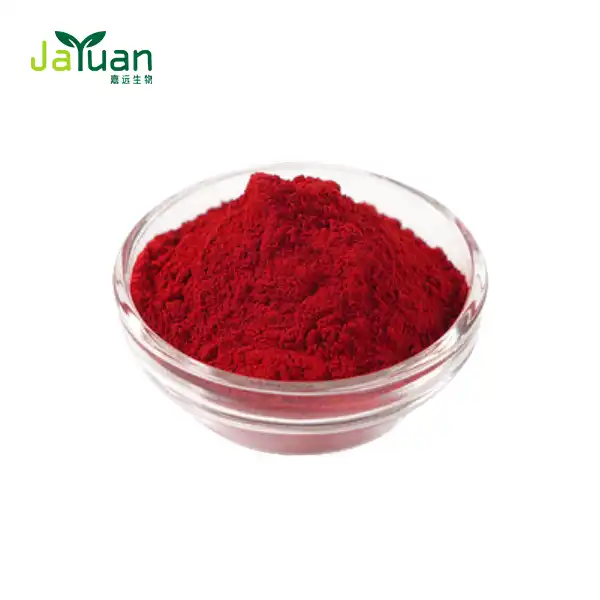
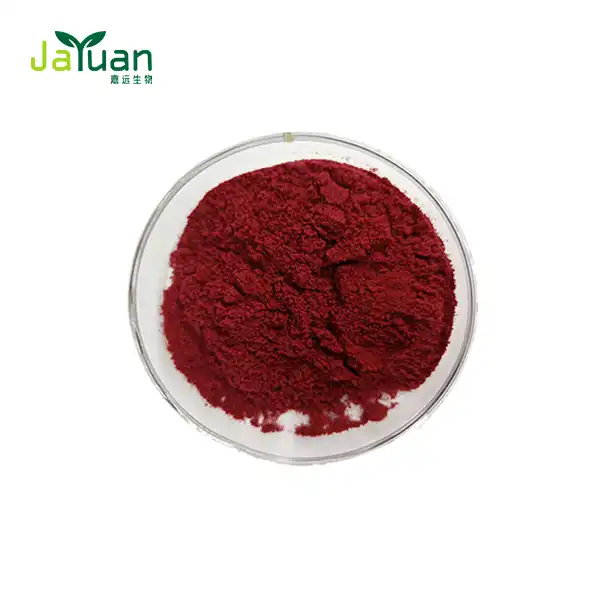
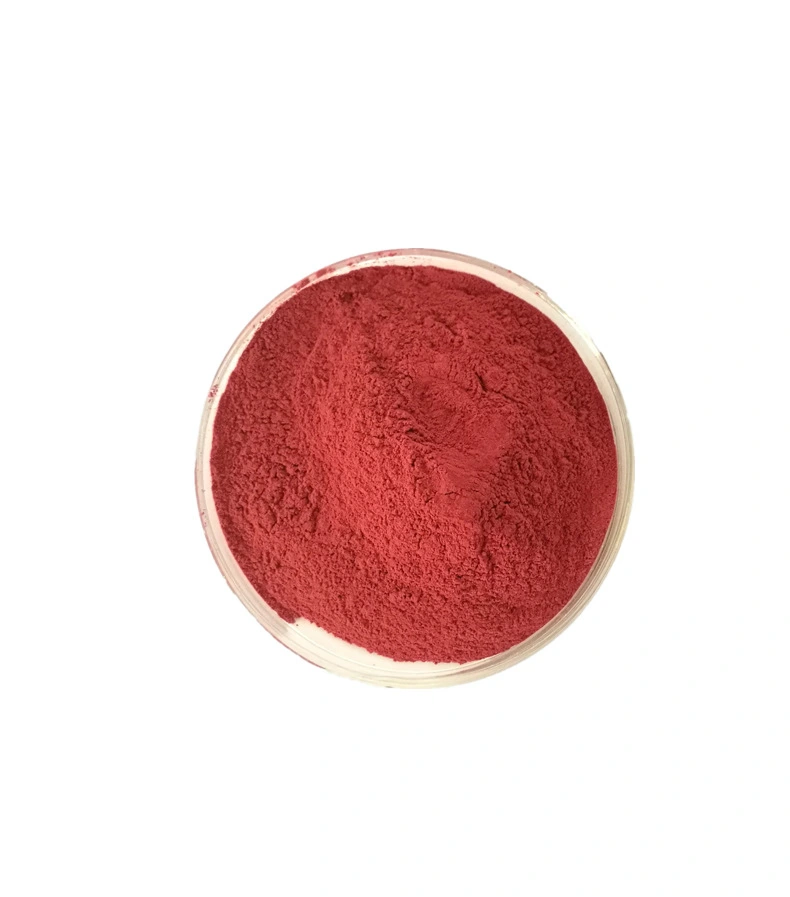
Pure Astaxanthin Powder is a high-grade lipid-soluble keto-carotenoid (3,3'-dihydroxy-β,β'-carotene-4,4'-dione) mostly derived from the microalga Haematococcus pluvialis using sophisticated supercritical CO2 technology. Known worldwide as the “King of Carotenoids,” this incredible chemical has antioxidant strength that is around 6,000 times greater than Vitamin C and 550 times stronger than Vitamin E. Natural astaxanthin powder is more bioavailable than synthetic astaxanthin made from petroleum and has the 3S, 3’S stereoisomer configuration in its physiologically active form. This focused ingredient targets pharmaceutical businesses, cosmetic brands, nutraceutical providers and food makers seeking premium-quality plant extracts for formulation applications.
Understanding Pure Astaxanthin Powder
Chemical Structure and Molecular Properties
Because of its unique structure, natural astaxanthin is different from other carotenoids in terms of its molecular design. Being able to cross whole cell membranes and protect against oxidative stress from both inside and outside of cells is possible because this keto-carotenoid molecule has polar hydroxyl groups on both ends. Pure Astaxanthin Powder is very good at getting rid of free radicals and singlet oxygen species because it has conjugated double bonds that make it very good at giving electrons away.
Understanding these molecular qualities is very important for B2B buying workers who work in the pharmaceutical and nutraceutical industries. The particular 3S, 3'S optical isomer found in powder from microalgae is much more biologically active than manufactured versions. Advanced analysis methods, especially chiral HPLC testing, let quality assurance teams check the natural source and make sure this chosen isomer configuration is present.
Natural Sources Versus Synthetic Alternatives
To find real natural astaxanthin, you need to know where the ingredient comes from and how it is made. Astaxanthin is found in the tissues of wild-caught fish, krill, and prawns, but getting it from these marine sources is hard to do on a large scale and is bad for the environment. Growing microalgae, especially Haematococcus pluvialis, gives businesses the most concentrated and long-lasting natural source they can find.
From petrochemical precursors, synthetic astaxanthin is made, which makes it cheaper to make but not nearly as effective in biological systems. Scientists have found that natural Pure Astaxanthin Powder from microalgae is more than 20 times more powerful as an antioxidant than manmade versions. The difference in function is due to the stereoisomer composition. Natural sources mostly have the 3S, 3'S form, while industrial production makes a racemic mixture with 3R, 3'R, and meso forms that is less bioactive.
We keep a close eye on quality during the whole process of growing and extracting. In our factories, closed-system photobioreactors keep microalgae from getting dirty from the environment while also making the best conditions for growth. Heavy metals, microbes, solvent residues, and exogenous nucleic acid residues are all well below the levels that are required for compliance in all batches, which guarantees purity at the medicinal level.
Purity Standards and Quality Verification
Tests using filter paper leftovers show important differences between high-quality and low-quality Pure Astaxanthin Powder ingredients. Our strict testing procedures show that our powder doesn't have any impurities that can be found. This means that the extraction process is more pure, and the powder has a higher antioxidant capacity. This higher level of purity makes free radical scavenging work better in finished formulations, which has a direct effect on how well your products work for your customers.
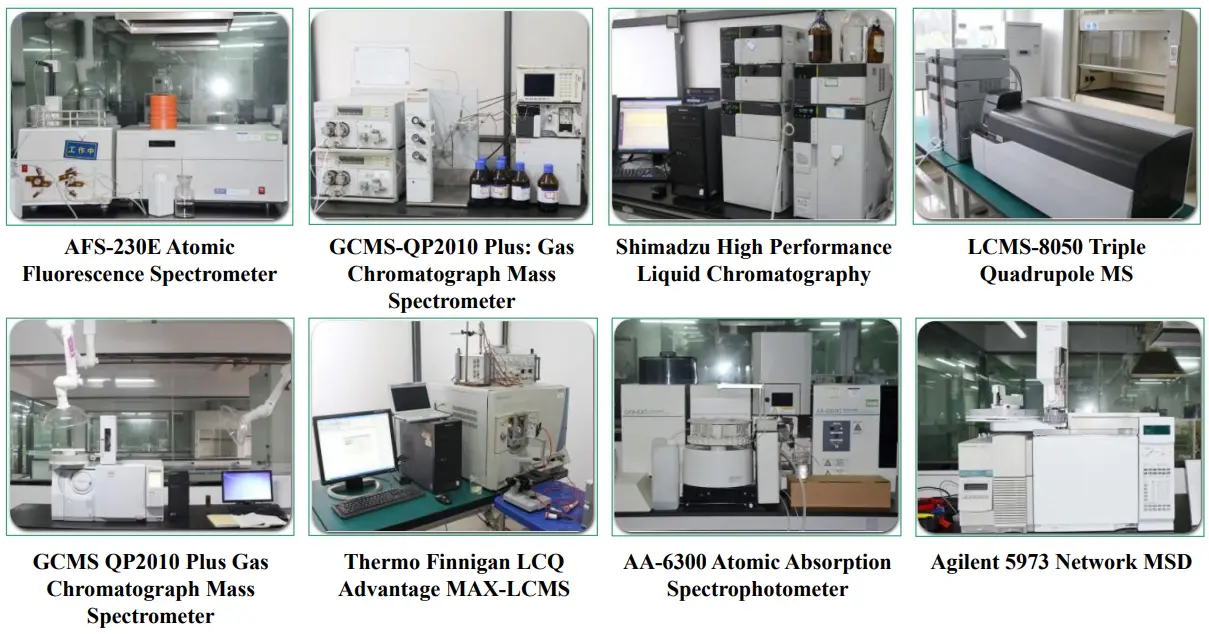
Verification of quality goes beyond just looking at something. A third-party lab test confirms our promise to provide safe, non-toxic ingredients that have been tested over and over again through a lot of experiments. Each production batch goes through a lot of tests, including ones that look for microbial contamination, heavy metal content, pesticide residues, and to make sure the product is still effective using spectrophotometric analysis. These written quality guarantees give pharmaceutical companies and supplement makers the confidence they need when they're looking for a supplier.
Health Benefits and Applications of Pure Astaxanthin Powder
Skin Health and Anti-Aging Properties
Cosmetic and skin care companies are adding Pure Astaxanthin Powder to more and more high-end products that fight visible signs of ageing. Because of its unique ability to cross cell walls, the chemical protects skin cells in more than one way. Pure Astaxanthin Powder supplements or external applications have been shown in clinical tests to improve skin elasticity, moisture retention, and the appearance of fine lines and wrinkles.
These benefits work through a number of different pathways. Pure Astaxanthin Powder stops collagen breakdown by lowering the expression of matrix metalloproteinase. It also protects cells from UV damage and lowers inflammation markers that are linked to faster ageing. When beauty brands make serums, creams, and supplements, they can set their products apart by using scientifically proven active ingredients like this powerful carotenoid.
Cardiovascular and Immune System Support
Suppliers of nutraceuticals that aim to improve heart health find Pure Astaxanthin Powder to be very useful. According to research, this carotenoid helps keep blood pressure levels that are already normal, supports healthy lipid profiles, and improves endothelial function. The anti-inflammatory features of the compound work with the cardiovascular benefits by controlling the production of inflammatory cytokines without blocking the immune system's protective reactions.
Another rising market area is immune system applications. Pure Astaxanthin Powder raises the activity of natural killer cells, helps make antibodies, and changes how immune cells work. Because of these qualities, it is a popular ingredient among companies that make food supplements that aim to boost the immune system. Many human trials have shown that the ingredient is safe, which gives confidence for long-term supplementation plans.
Eye Health and Brain Function
Pharmaceutical businesses that are looking for ways to improve eye health know that Pure Astaxanthin Powder can cross the boundaries between the blood and the retina and brain. This accessibility lets antioxidants directly protect sensitive nerve and eye cells. Pure Astaxanthin Powder has been studied for its possible ability to improve vision, lessen eye fatigue from digital screens, and keep the retina healthy.
New study is looking into cognitive benefits, such as how they can help with memory, attention, and mental clarity. That the compound can lower oxidative stress in brain tissues and help mitochondria work better gives it neuroprotective properties. For controlled studies and the development of standard formulations, research institutions that are looking into these uses need high-purity powder.
Comparing Pure Astaxanthin Powder with Other Forms and Competitors
Powder Versus Capsule and Oil Formulations
When compared to pre-encapsulated goods, raw Pure Astaxanthin Powder has clear benefits for business buyers. Powder forms offer the most formulation freedom, letting companies change dosages, mix with complementary ingredients, and choose transport methods that meet the needs of their unique products. Even though Pure Astaxanthin Powder is lipophilic, microencapsulation technologies have made it possible to make forms that dissolve in cold water, making them good for use in drinks.
Oil-based astaxanthin preparations have the carotene mixed in with carrier oils, which makes them harder to work with and limits the number of ways they can be used. Pure Astaxanthin Powder formulations, especially those that use modern beadlet technology, keep the substance stable on the shelf and protect it from oxidation. This advantage of stability cuts down on waste from breakdown and keeps the product's effectiveness throughout its shelf life, both of which are important for making money and keeping customers happy.
Astaxanthin Versus Beta-Carotene and Other Antioxidants
When you look at Pure Astaxanthin Powder next to other carotenoids, you can see what makes it special. A lot of health products contain beta-carotene, which is mainly used as a Vitamin A precursor and has some antioxidant properties. Pure Astaxanthin Powder is a powerful antioxidant that doesn't turn into Vitamin A. This means that you don't have to worry about getting too much retinol and higher doses can be used to control oxidative stress.
Some antioxidants can act like pro-oxidants in certain situations, but Pure Astaxanthin Powder's free radical-scavenging activity stays the same in all kinds of physiological settings. Because it is so reliable, it is especially useful in pharmaceutical uses where it is important to know how ingredients will behave. Food and drink companies also like Pure Astaxanthin Powder because it gives products a nice natural colour and useful health benefits, which helps with product growth in two ways.
Environmental Sustainability and Supply Chain Considerations
More and more, B2B buyers are looking at where ingredients come from through the lens of sustainability. When it comes to the environment, growing microalgae to make Pure Astaxanthin Powder is better than getting krill oil or making manmade chemicals. Closed-system cultivation takes away the stress that wild harvesting puts on marine ecosystems while also creating a resource that can be used over and over again and whose quality can be controlled.
Our ways of making things focus on using resources efficiently and having little effect on the world. Photobioreactors reuse water and nutrients, and supercritical CO2 extraction gets rid of the need for chemicals made from petroleum. These environmentally friendly methods are in line with the clean-label goals of skincare brands and food companies that want to use products that appeal to people who care about the environment.
Procurement Guide for Pure Astaxanthin Powder: What B2B Buyers Need to Know
Certification and Quality Assurance Standards
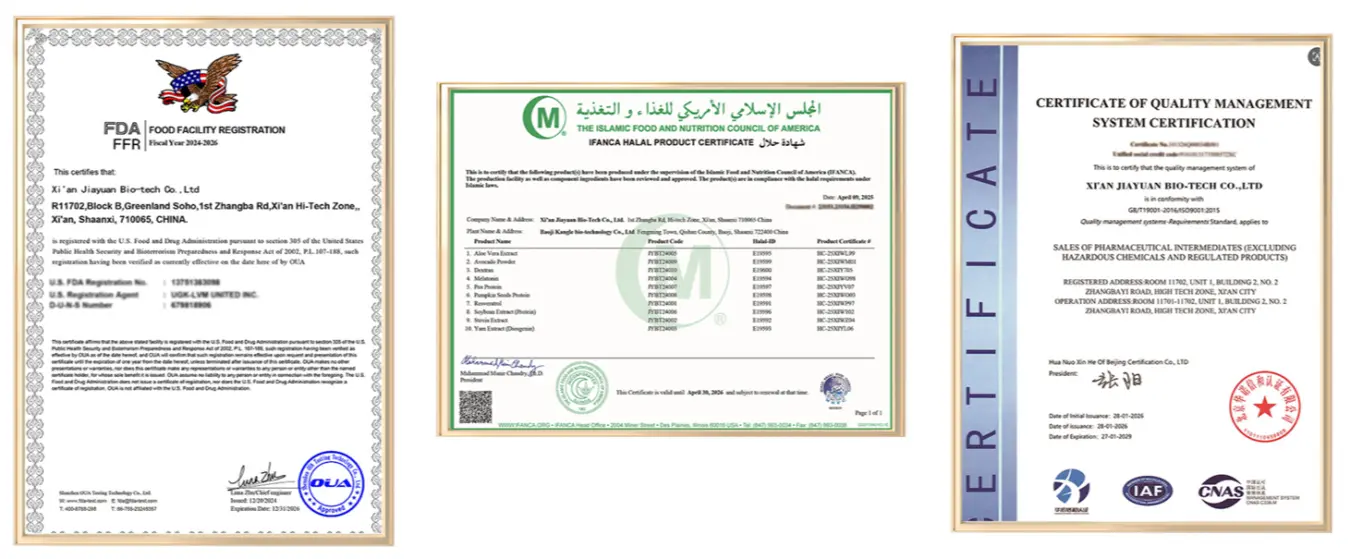
To choose reliable suppliers, you need to check that they have the right certifications and quality management systems in place. GMP-certified factories show they are dedicated to using uniform manufacturing methods and keeping pollution at bay. We have two production lines that follow good manufacturing practices (GMPs) and are certified by ISO, SGS, and HALAL. We can provide you with paperwork that makes it easier to follow the rules set by regulators.
Buyers who want to get into the natural and clean-label markets need to get organic approval. Although organic Pure Astaxanthin Powder is more expensive, it opens up new markets where people don't like fake or conventionally made ingredients. Because we have a wide range of certifications, we can meet the needs of a wide range of customers, from organic supplement makers to pharmaceutical-grade uses.
Pricing Models and Minimum Order Quantities
Understanding how prices work helps procurement managers get better deals. The price of Pure Astaxanthin Powder depends on how concentrated it is. Usually, the concentration ranges from 2% to 5% potency, with higher concentrations costing more. Prices per kilogram are usually better when you commit to buying more, but minimum order quantities vary from supplier to supplier.
We offer competitive bulk prices that are meant to lower the total cost of your purchases. Our factory-direct supply model gets rid of markups on the middlemen, and our warehouse stocking service can handle smaller sales of a variety of goods. This gives you the freedom to try out different formulas without having to buy too much inventory, which is especially helpful when creating new product lines.
International Logistics and Customs Clearance
When you buy something across borders, you have to deal with shipping processes and customs procedures. We have agreements with big carriers like FedEx, DHL, EMS, UPS, and TNT. For larger packages, we also have agreements with foreign shipping companies. As part of our knowledge, we can help big markets like the US and Europe clear their customs.
Our full logistics support is helpful for buyers who have never imported before. We take care of the paperwork that's needed, work with freight forwarders, and can set up customs clearance services that bring goods straight to your facility. End-to-end help speeds up the buying process and lowers the chance of shipping delays or problems with regulations.

Practical Usage and Dosage Recommendations for Pure Astaxanthin Powder
Formulation Guidelines for Dietary Supplements
Manufacturers of dietary supplements usually put Pure Astaxanthin Powder in amounts ranging from 4 mg to 12 mg per dose, but this depends on the benefits they want to achieve and how they want to market their products. For best absorption, the powder needs to be mixed with lipids. This is why soft gel capsules are a great way to deliver the medicine. Manufacturers who use veggie pills should mix the powder with the right plant-based oils or micro-encapsulated beads that are made to make the medicine more bioavailable.
Because Pure Astaxanthin Powder is sensitive to light and air, making tablets is harder than usual. To keep the strength, we suggest using amber or opaque packing and working with excipients that provide protection matrices. Testing your products' stability under accelerated conditions helps you come up with accurate shelf life claims and storage suggestions for your finished goods.
Cosmetic Application Considerations
When making skin care products with Pure Astaxanthin Powder, you need to pay attention to how the powder reacts with fat and its colour. Usually, between 0.01% and 0.1% of finished cosmetics contain this ingredient. This gives obvious antioxidant effects without making the colour too intense. This part of the product mixes well with emulsions, oil-based serums, and dry mixtures.
Controlling the pH, adding antioxidants, and the design of the packaging all affect how stable the cosmetic matrices are. Pure Astaxanthin Powder stays stable in pH ranges of 5.5 to 7.0, which are the same pH ranges used to make most skin care products. When Vitamin E, Vitamin C derivatives, or ferulic acid are mixed together, they form antioxidant systems that work better together and are more stable. Airless pump package keeps ingredients from oxidising while they are being used, so the product stays effective for a longer time.
Integration of Functional Food and Drink
When food and drink companies add Pure Astaxanthin Powder to their recipes, they have to think about some special issues. Standard powder doesn't dissolve well in water, so micro-encapsulated cold-water-soluble forms are needed for drinks and food systems that contain water. When mixed with liquids, these special forms spread out evenly without sitting or making the mouthfeel feel bad.
Processing needs to be done with great care when heat is involved. If you can, add Pure Astaxanthin Powder after the heat treatment steps. If that's not possible, choose micro-encapsulated forms with safe coating systems that can handle short heat exposure. As the need for antioxidant-rich foods grows, more and more of these ingredients are being used in functional drinks, nutrition bars, and fortified dairy products.
Storage suggestions are the same for all types of applications. Pure Astaxanthin Powder should be kept in cool, dry places in containers that keep air out and light out. A lot of suppliers, including ours, use nitrogen flushing during packing to get rid of air and make the product last longer on the shelf. By taking these steps, you can be sure that your money well spent on high-quality ingredients will result in effective finished products that stay effective until they are used.
Conclusion
Pure Astaxanthin Powder is naturally sourced, has high antioxidant levels, and can be used in many different ways in the food, cosmetics, nutrition, and medicinal industries. Knowing the differences between powder made from natural microalgae and synthetic alternatives helps you make smart buying decisions that balance effectiveness, sustainability, and the ability to make money. Quality assurance through thorough testing, the right licenses, and open communication with suppliers are the building blocks for successful product creation. When making astaxanthin-based goods, it's important to work with experienced sources who keep strict quality standards. This is true whether you're making advanced skin care products, supplements for heart health, or functional drinks.
FAQ
1. What makes natural astaxanthin powder superior to synthetic versions?
Astaxanthin that comes from Haematococcus pluvialis has the 3S, 3'S stereoisomer configuration and is over 20 times more powerful as an antioxidant than manmade versions that come from petroleum. Synthetic production creates a variety of isomer forms, such as 3R, 3'R, and meso configurations, which have a lot less cellular activity. Bioavailability and effectiveness are better in human uses when the source is natural.
2. Can astaxanthin powder dissolve in water-based formulations?
Because it is lipophilic, raw Pure Astaxanthin Powder needs to be mixed with oils or fats for best absorption. Micro-encapsulated cold-water-soluble forms work well in beverage and aqueous food uses because they spread out evenly without settling. This makes them easy to add to functional drinks and water-based goods while still staying stable.
3. How should I store astaxanthin powder to maintain potency?
Keep Pure Astaxanthin Powder in containers that don't let air or light in. Keep the containers in a cool, dry place that is out of direct sunlight and away from heat sources. Oxygen is pushed out of the package by nitrogen flushing, which greatly extends the shelf life. These storage conditions stop oxidative breakdown and keep the antioxidant power of the substance throughout all of your production processes.
Partner with a Trusted Pure Astaxanthin Powder Manufacturer
Xi'an Jiayuan Bio-Tech specializes in delivering pharmaceutical-grade natural plant extracts to pharmaceutical companies, cosmetic brands, nutraceutical suppliers, food manufacturers, and research institutions all over the world. Our Pure Astaxanthin Powder undergoes strict quality checks to make sure that it doesn't contain any heavy metals, microorganisms, solvent residues, or nucleic acid residues that are too high. Filter paper residue testing shows that our product is much purer and free of impurities than similar products on the market. This means that it can better fight free radicals and act as an antioxidant in your recipes. We offer quality assurance paperwork that your procurement team needs because we run two production lines that are GMP-certified and have ISO, SGS, and HALAL certifications. Our low bulk prices, flexible minimum order amounts, and full transportation support, which includes help with clearing customs for U.S. and European markets, make it easier for you to buy things from other countries. To get samples, talk about special recipes, or get a full quote for your Pure Astaxanthin Powder supplier needs, please email our team at sales@jayuanbio.com or sales1@jayuanbio.com.
References
1. Ambati, R. R., Phang, S. M., Ravi, S., & Aswathanarayana, R. G. (2014). Astaxanthin: Sources, Extraction, Stability, Biological Activities and Its Commercial Applications—A Review. Marine Drugs, 12(1), 128-152.
2. Guerin, M., Huntley, M. E., & Olaizola, M. (2003). Haematococcus astaxanthin: Applications for human health and nutrition. Trends in Biotechnology, 21(5), 210-216.
3. Capelli, B., Bagchi, D., & Cysewski, G. R. (2013). Synthetic astaxanthin is significantly inferior to algal-based astaxanthin as an antioxidant and may not be suitable as a human nutraceutical supplement. Nutrafoods, 12(4), 145-152.
4. Higuera-Ciapara, I., Felix-Valenzuela, L., & Goycoolea, F. M. (2006). Astaxanthin: A Review of its Chemistry and Applications. Critical Reviews in Food Science and Nutrition, 46(2), 185-196.
5. Yuan, J. P., Peng, J., Yin, K., & Wang, J. H. (2011). Potential health-promoting effects of astaxanthin: A high-value carotenoid mostly from microalgae. Molecular Nutrition & Food Research, 55(1), 150-165.
6. Fassett, R. G., & Coombes, J. S. (2011). Astaxanthin: A potential therapeutic agent in cardiovascular disease. Marine Drugs, 9(3), 447-465.