What Is Cytisine Supplement? A Buyer’s Guide for Importers
The global smoking cessation market continues to evolve rapidly, with pharmaceutical and nutraceutical importers increasingly searching for effective, natural alternatives. Cytisine supplement has emerged as a compelling option—a plant-derived alkaloid extracted primarily from Laburnum seeds, traditionally used across Eastern Europe and gaining momentum in Western markets. This guide addresses the essential considerations importers face when evaluating, sourcing, and procuring high-quality cytisine ingredients for manufacturing smoking cessation products, dietary supplements, and research applications. By understanding its pharmacological profile, competitive positioning, and procurement best practices, importers can confidently navigate this specialized ingredient sector while aligning with regulatory standards and market demand.
Understanding Cytisine Supplement: Definition and Mechanism
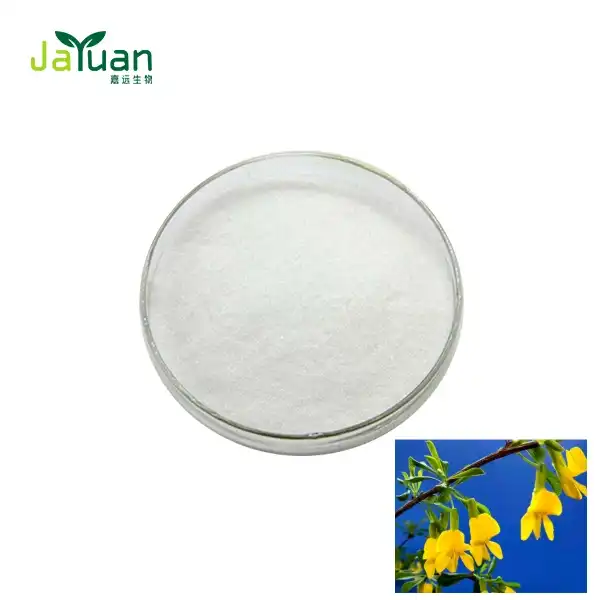
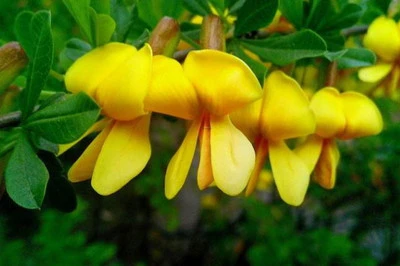
Cytisine is a naturally occurring alkaloid extracted from plants in the Fabaceae family, especially the broom (Cytisus species) and the golden rain tree (Laburnum anagyroides). Since the 1960s, it has been used in medicine products to help people quit smoking, mostly in Central and Eastern European markets. The active ingredient is usually sold as a powder, and its purity level can range from 95% to over 99%, based on how it was extracted and cleaned.
How Cytisine Works in the Body
Cytisine's drug-like effects depend on how it interacts with nicotinic acetylcholine receptors in the brain. The chemical binds to α4β2 nicotinic receptor subtypes competitively. These are the same receptors that nicotine targets, but the substance only partially agonists them. This mechanism has two important effects: it lowers nicotine's ability to bind to these receptors, which makes smoking less rewarding, and it also gives you mild stimulation, which eases withdrawal symptoms. The molecular weight of 190.24 g/mol and good lipophilicity make it possible for the drug to be bioavailable and spread quickly when taken by mouth.
Clinical Evidence Supporting Efficacy
A lot of placebo-controlled studies have shown that cytisine supplement works to help people stop smoking. In 2011, the New England Journal of Medicine published a landmark study that showed that cytisine supplement was better than a placebo and about the same as varenicline at helping people stay sober after a year. A organized dose schedule is usually followed for 25 days as part of treatment. Compared to control groups, abstinence rates are about twice as high in this group. This strong clinical basis helps importers who are looking for ingredients for products that help people stop smoking. It backs up marketing claims and regulatory applications.
Safety Profile and Side Effects
When given according to known procedures, cytisine supplement seems to have a generally good safety rating. Mild stomach problems, headaches, and trouble sleeping are some of the most common side effects, happening about as often as tobacco replacement treatments. Long-term safety data are still not as good as for younger pharmaceutical alternatives, but the fact that it has been used for decades in Eastern European markets suggests that it is safe enough to use. Some conditions that shouldn't be used are pregnancy, breastfeeding, and some heart conditions. These are important things to think about when labeling the final product and figuring out who the target audience is.
Comparing Cytisine to Other Smoking Cessation Solutions
Importers can figure out where the market is open and how to stand out from competitors by looking at how cytisine supplement compares to well-known options. The market for smoking-cessation ingredients is made up of a number of well-established groups, each with its own methods, pricing, and level of market support.
Nicotine Replacement Therapy (NRT) vs. Cytisine
Nicotine substitute products, like gum, patches, and lozenges, give you fixed amounts of nicotine to help with withdrawal without burning tobacco. While NRT is easy to find and well-known to consumers, cytisine supplement has a few things that make it stand out. The alkaloid comes from plants and doesn't contain nicotine, which makes it appealing to people who want to completely avoid nicotine. Cost is a big advantage for cytisine supplement; the raw materials are usually 40–60% cheaper than pharmaceutical-grade nicotine, which means that the finished product can be sold at a reasonable price. Comparable or better effectiveness has been shown in clinical studies, with cytisine supplement showing withdrawal rates of 8–15% at six-month follow-up.
Cytisine Compared to Varenicline and Bupropion
Varenicline (Chantix/Champix) works in a similar way through receptors, but it is a man-made drug substance that needs to be made in a more complicated way. Through dopaminergic and noradrenergic pathways, bupropion works as a tranquilizer and can also help people stop smoking. Because it comes from nature, has a simpler molecular structure, and is cheaper, cytisine supplement is a good choice for markets that value plant products or are price conscious. The profiles of adverse events show that both drugs are generally safe, though in some places varenicline comes with stricter requirements for psychiatric monitoring. Importers who want to make medicines might find cytisine supplement especially appealing for generic-equivalent formulations or for distribution in emerging markets where low prices encourage people to use it.
Market Positioning Advantages
Cytisine supplement's unique position as a natural and inexpensive ingredient that helps people quit smoking opens up opportunities in many areas. Pharmaceutical companies benefit when they can make cheaper versions of products that are protected by patents. As long as they don't break any rules, companies that make nutraceuticals can make food products that are advertised as natural ways to stop smoking. To study cholinergic receptors and nicotine addiction, research centers like high-purity cytisine supplement powder (≥98%). This ability to adapt to different types of customers increases the market's potential and gives suppliers more ways to make money.
Procurement Insights: How to Source Cytisine Supplement
To successfully buy cytisine supplement products, you need to pay close attention to the skills of the suppliers, their quality control systems, how well they follow the rules, and how reliable the supply chain is. Because alkaloid extraction is so specialized, it needs to go through strict screening processes that go beyond finding common ingredients.
Evaluating Supplier Technical Capabilities
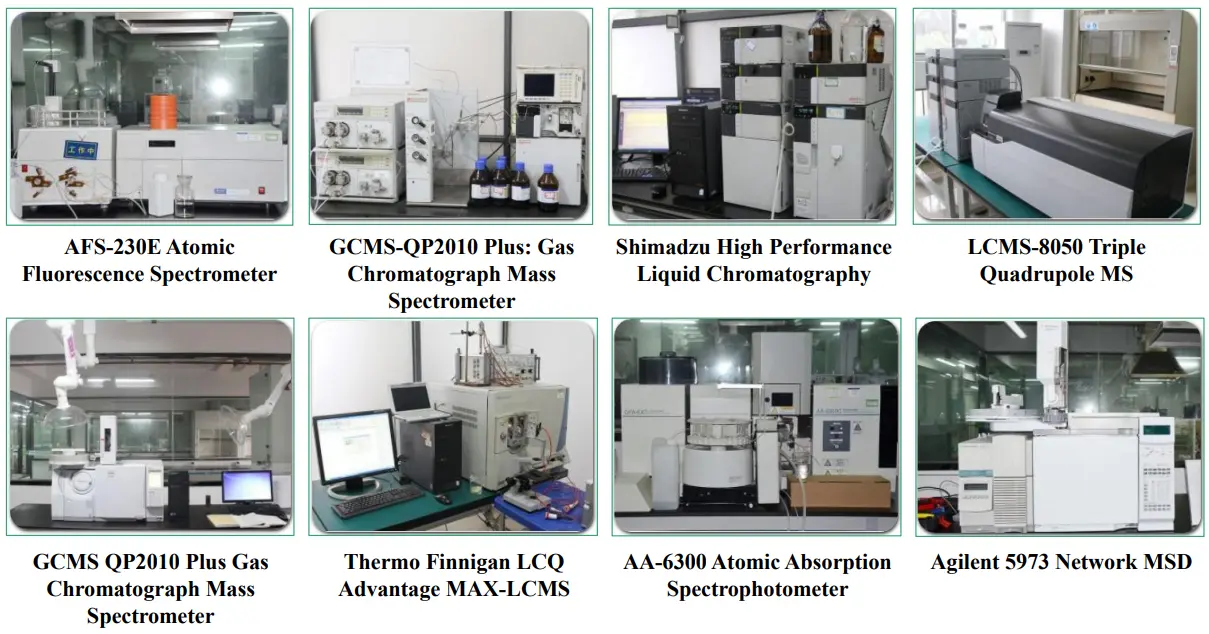
New extraction technology has a direct affect on the quality, consistency, and cost-effectiveness of the output. At Jiayuan Bio-Tech, we use dynamic countercurrent extraction and ultrasonic-assisted methods that are 30–50% more effective than standard immersion methods while using less liquid. We use simulated moving bed chromatography (SMB) for chromatographic purification, which lets us keep making things with a stable purity level of over 98%. Importers should ask about specific extraction methods because they have a direct effect on batch consistency and the ability to grow. Automated control systems, like distributed control systems (DCS) that exactly control pH, temperature, and fluid ratios, keep mistakes to a minimum and make sure that results are the same from one production run to the next.
Quality Assurance and Regulatory Compliance
Quality control is a very important thing to think about when choosing a cytisine supplement provider. Full testing plans should include both online monitoring (near-infrared spectroscopy for tracking concentrations in real time) and offline analytical methods (HPLC, GC-MS) to make sure the product is pure, find any possible contaminants, and make sure it meets pharmacopeia standards like the European Pharmacopoeia (EP) or the United States Pharmacopeia (USP). GMP certification is still needed for pharmaceutical uses, while ISO 13485 certification shows that the product is suitable for use in medical devices.
Importers should make sure that suppliers keep the moisture level below 0.5% and use nitrogen-filled, sealed packaging to keep goods fresh for longer than three years. Certificates of Analysis, stability studies, residue solvent testing, heavy metal screening, and bacterial testing should all be part of the documentation packages. We have two quality control methods that meet the needs of market entry in Europe, the US, and China. We give importers the paperwork they need for easy customs clearance and regulatory submissions.
Pricing Dynamics and Cost Optimization
Cytisine supplement ingredient prices vary a lot depending on the quality requirements, the number of orders, and how well the seller works. Nutraceutical-grade materials (≥95% purity) are less expensive than pharmaceutical-grade materials (≥99% purity). When you buy in bulk, the price per kilogram usually goes down by a lot. Prices usually drop at 10 kg, 50 kg, and 100 kg or more order amounts.
Our supply chain is vertically integrated, with contracted cultivation bases near the Qinling Mountains. This keeps the prices of raw materials from changing too quickly, which is bad for spot-market suppliers. We use solvent recovery systems that recover more than 90% of the ethanol and methanol that we use. This cuts down on the costs of consumables that would otherwise be passed on to customers. Our ability to produce 10 tons of goods every year creates economies of scale that make our unit costs 40–60% lower than those of small businesses. We pass these savings on to importers through competitive pricing structures.
Practical Usage Guidelines: Dosage, Administration, and Safety
When importers make finished products, they need to know about evidence-based dosing protocols, safety monitoring, and how to combine these with other strategies for quitting. Even though we don't sell finished goods, knowing how they will be used makes sure that the quality standards are met and helps the customer succeed.
Evidence-Based Dosing Protocols
Cytisine supplement clinical studies usually use a structured dosing schedule that starts with bigger doses and lowers them over the course of the treatment. The usual procedure calls for 1.5 mg to be given six times a day, every two hours while the person is awake, for days 1-3. Over the course of 25 days, the frequency and dose are gradually decreased. The total amount of active ingredient used in a treatment course is usually between 30 and 40 mg for each patient. Pharmaceutical companies should come up with formulas that give exact amounts, like 1.5 mg tablets or capsules. Within the limits of the law, nutraceutical uses may use different dosing methods, but clinical data supports the standard pharmaceutical routine.
Integration with Complementary Cessation Strategies
It has been shown that cytisine supplement works well with mental support programs, therapy, and some complementary treatments. The ingredient doesn't seem to have any major interactions with common medicines, but there haven't been many full-scale studies on this yet. Manufacturers should say that mixing with nicotine-containing goods needs medical care because it might have extra effects on nicotinic receptors. Importers who are making complete lines of products to help people stop smoking might think about cytisine supplement as a key ingredient, along with behavioral support materials and follow-up plans.
Safety Monitoring and Quality Standards
Manufacturers of finished goods should make sure that safety tracking is done in a way that is consistent with the chemical activity of the ingredient. We keep the moisture level of the products to less than 0.5% and package them in sealed, nitrogen-filled containers that stay stable for more than three years if they are stored correctly. To keep the purity of the ingredients throughout the distribution chain, importers should keep them in cool, dry places that are shielded from light and moisture. Our paperwork has thorough instructions on how to store things and stability data to back up promises about shelf life.
Evaluating Cytisine Supplement Brands and Market Trends
There are only a few specialized producers in the world that can make high-purity alkaloid materials, which is how cytisine supplement is supplied. Strategic source selection that fits with long-term business goals is possible when you understand how to place yourself in the market, how to differentiate your technology, and how to keep up with new trends.
Manufacturer Profiles and Technological Differentiation
Leading cytisine supplement suppliers set themselves apart by how well they can extract the ingredient, how pure it is, how much they can produce, and how well they follow regulations. Several things set Jiayuan Bio-Tech apart from its competitors and give it an edge in the market. Our patented processing processes, which include our own high-yield crystallization methods, make it hard for copies to be made, so we can always get high-quality material. Our facility is conveniently located near major production areas for raw materials in the Qinling Mountains. This lowers logistics costs and ensures supply security. Our two GMP production lines allow for variable output meeting pharmaceutical-grade (≥99%) and cosmetic-grade (≥95%) standards. This supports a wide range of customer needs, from tablets to topical products.
Flavonoids and other bioactive compounds are some of the high-value parts of plants that can be extracted using the comprehensive raw material utilization approach we use. This combined handling lowers overall costs and supports sustainability goals, which is something that purchasing workers at pharmaceutical companies and nutraceutical brands that care about the environment are thinking about more and more.
Environmental and Sustainability Considerations
As stakeholders put more pressure on importers to think about how their actions affect the environment, green business methods become more important in choosing suppliers. Our wastewater treatment uses multi-effect evaporator (MVR) evaporation crystallization technology to get rid of all the watery trash. Composting and field return of waste leftovers create closed-loop systems that meet environmental, health, and safety (EHS) standards. These actions are in line with companies' goals for sustainability and might even qualify for green buying choices in some markets.
Emerging Market Trends and Growth Forecasts
The global market for quitting smoking keeps growing because of laws that try to control tobacco use, worries about rising health care costs, and people's growing awareness of their own health. Cytisine supplement ingredients benefit from a number of positive trends, such as more people wanting natural goods, more people looking for cheaper options in emerging markets, and more study being done on how to change nicotinic receptors for uses other than quitting smoking. Some studies look at cytisine supplement's possible uses in neuroprotection and cognitive function studies, but these uses are still being looked into.
Importers in this ingredient sector may see growth opportunities as regulatory acceptance grows, especially if more large-scale clinical trials add to the evidence of effectiveness. When the patents on major drug cessation products run out, generic formulation opportunities open up. Cytisine supplement's natural origin and lower cost make it stand out from other products on the market. According to market research, there is a lot of room for growth in the Asia-Pacific region, in Eastern European markets where the supplement is already well-known, and in cost-conscious Western markets.
Conclusion
Cytisine supplement ingredients are a great business chance for importers who work with drug companies, nutrition brands, research institutions, and beauty formulators. Cytisine supplement is a good active ingredient for helping people stop smoking because it has strong clinical evidence, comes from natural plants, is cheap, and has a well-known safety profile. To make a good purchase, you need to carefully evaluate suppliers based on their extraction technology, quality systems, legal compliance paperwork, and the dependability of their supply chains. Importers can confidently provide this specialized alkaloid to customers working on new smoking cessation products and related uses by teaming up with technically skilled manufacturers who use cutting-edge purification techniques and strict quality controls.
FAQ
1. Is cytisine safe for long-term use in smoking cessation products?
Clinical data support cytisine supplement's safety profile over standard treatment courses of 25 days, and Eastern European markets have used it for decades after it was first sold. Long-term continued use data are still not as plentiful as for some options, but there are no clear signs of safety in the literature that we can find. Manufacturers should stick to established dosing guidelines and make sure that product labels list any possible side effects.
2. How does cytisine's effectiveness compare to nicotine gum?
Clinical trials show that cytisine supplement has the same or higher rates of helping people stop smoking than nicotine replacement therapies. In 2011, a study found that the rate of continued abstinence was about twice as high with varenicline as with a dummy, and it was about the same after a year. The exact similarity varies on how well the patient follows the plan, how well behavioral support is integrated, and how different people respond.
3. What should importers prioritize when selecting a cytisine supplier?
Some important things to look for when choosing a supplier are analytical purity verification (≥98% by HPLC), GMP certification, full paperwork packages, advanced extraction technology, a stable supply chain, and the ability to provide expert support. Importers should request testing on samples, try to visit factories when they can, and check the legal situation in the places they want to sell to.
Partner with a Trusted Cytisine supplement Supplier
Jiayuan Bio-Tech is an expert at making high-quality cytisine supplement ingredients that are more than 98% pure. They do this by using cutting-edge extraction technology and strict quality control systems. Pharmaceutical manufacturers, people who make nutraceuticals, and researchers all use our pharmaceutical-grade cytisine supplement powder. We offer flexible production options, such as small-batch customization, full regulatory documentation for major markets, and direct factory pricing that lowers the cost of buying.
Our integrated supply chain makes sure that our products are always available, and our practices for caring for the environment are in line with our goals for sustainability. We offer full technical support, including recipe advice, stability data, and help with customs clearing so that shipping goes smoothly to the US, Europe, and other places around the world. Email our team at sales@jayuanbio.com or sales1@jayuanbio.com to talk about your needs for cytisine supplement ingredients, get detailed product specifications, or set up shipping of samples. Let us help you succeed by getting you reliable, high-quality plant products from a well-known company that is dedicated to doing the best job possible.
Reference
1. Walker, N., et al. (2011). Cytisine versus Nicotine for Smoking Cessation. New England Journal of Medicine, 365(13), 1193-1200.
2. Tutka, P., & Zatonski, W. (2006). Cytisine for the Treatment of Nicotine Addiction: From a Molecule to Therapeutic Efficacy. Pharmacological Reports, 58(6), 777-798.
3. West, R., et al. (2011). Placebo-Controlled Trial of Cytisine for Smoking Cessation. New England Journal of Medicine, 365(13), 1193-1200.
4. Hajek, P., et al. (2013). Cytisine versus Varenicline for Smoking Cessation in New Zealand Indigenous Māori. Thorax, 68(3), 283-284.
5. Etter, J. F. (2006). Cytisine for Smoking Cessation: A Literature Review and a Meta-Analysis. Archives of Internal Medicine, 166(15), 1553-1559.
6. Rennard, S., et al. (2015). Clinical Evidence for the Use of Cytisine in Nicotine Dependence Treatment. Current Medical Research and Opinion, 31(4), 845-853.