
What are the reported gastrointestinal side effects of cytisine?
Clinical studies and systematic reviews reveal that cytisine, a naturally occurring alkaloid used in smoking cessation therapies, can cause gastrointestinal side effects including nausea, vomiting, abdominal discomfort, and digestive disturbances. These symptoms typically occur in 8-15% of users and are generally mild to moderate in severity, with most reports indicating transient effects that diminish as the body adapts to the compound. Understanding these side effects is essential for procurement professionals evaluating cytisine as an active ingredient in their product formulations.

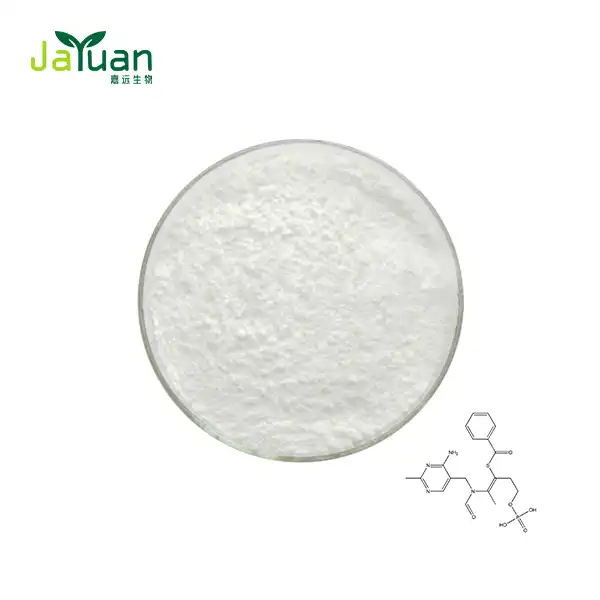
Product Name: Cytisine 98%
CAS NO.: 485-35-8
Molecular formula: C11H14N20
Molecular weight: 190.24
Specification content: 98%(HPLC)
Product Description: Diagonal Prism Powder
Physical properties: Melting point of 98-99 ℃, soluble in water, ethanol, methanol, insoluble in petroleum ether.
MOQ: 500gG-1KG
Our Advantages: Scalable production capacity, strict quality control, cost efficiency from integrated factories, over 20 years of experience, advanced technology, and 24/7 after-sales support.
Certificaions: FSSC2000/ISO2000/HALAL/KOSHER/HACCP
Delivery terms: FedEx, DHL, EMS, UPS, TNT, all kinds of the airline, international shipping companies.
Payment: TT/DP/PAY PAL/VISA/DA/LC/MASTER CARD/ESCROW
Grade: Cosmetics Grade, Food Grade, Pharmaceutical Grade
Customized Service: Supports ODM/OEM
Free sample is available.
We do not sell retail quantities to individuals.
Understanding Cytisine and Its Mechanism of Action
Cytisine speaks to a noteworthy breakthrough in normal smoking cessation fixings, determined essentially from plants in the Fabaceae family, counting Laburnum and Cytisus species. This alkaloid acts as a partial agonist of nicotinic acetylcholine receptors, imitating nicotine's impacts while diminishing reliance potential. The compound's interesting pharmacodynamic profile permits it to tie to the same neural receptors as nicotine but with lower natural action, viably diminishing withdrawal indications while blocking nicotine's fulfilling effects.
Botanical Origins and Extraction
The essential source of cytisine comes from the seeds and leaves of different leguminous plants, with Cytisus laburnum being the most commercially reasonable source. Advanced extraction methods have revolutionized the acquirement scene, empowering reliable supply and standardized immaculateness levels. The compound's normal beginning is requests from customers looking for plant-based options to engineered smoking cessation aids.
Pharmacological Properties
Research illustrates that cytisine shows a shorter half-life of roughly 4.8 hours compared to other smoking cessation compounds, requiring different everyday measurements but advertising preferences in terms of decreased aggregation and quicker clearance from the framework. This pharmacokinetic profile contributes to both its helpful benefits and its side impact designs, including gastrointestinal manifestations.
Reported Gastrointestinal Side Effects of Cytisine
Clinical trial information from different studies traversing over five decades of utilization uncovers a steady design of gastrointestinal side effects related to cytisine supplementation. These impacts speak to the most commonly detailed unfavorable occasions, in spite of the fact that their recurrence and seriousness change altogether based on measurement, organization timing, and persistent personal factors.
Frequency and Severity of GI Effects
Published research demonstrates that sickness happens in roughly 8-12% of cytisine clients, making it the most predominant gastrointestinal side effect. Spewing influences generally 3-6% of clients and ordinarily connects with higher measurements or organization on a purged stomach. Stomach inconvenience and mellow gastric bothering show in 5-8% of cases, whereas more extreme stomach-related unsettling influences stay moderately unprecedented, influencing less than 2% of users.
Comparative Analysis with Other Compounds
When compared to varenicline, cytisine illustrates a more favorable gastrointestinal resilience profile. Clinical ponders appear that varenicline causes queasiness in 25-30% of clients, essentially higher than cytisine's 8-12% frequency rate. So also, bupropion-related stomach issues happen in 10-15% of clients, while nicotine substitution treatments display their own special GI challenges, especially with verbal formulations.
Dose-Response Relationships
Research sets up a clear relationship between cytisine measurement and gastrointestinal side impact recurrence. Standard helpful dosages of 1.5-3 mg managed numerous times day by day appear to have ideal benefit-to-risk proportions, whereas measurements surpassing 9 mg every day illustrate expanded GI bigotry without corresponding restorative pickups. This dose-response relationship guides definition choices for pharmaceutical manufacturers.
Managing and Mitigating Gastrointestinal Side Effects
Effective administration techniques for cytisine-related gastrointestinal impacts center on optimized dosing regimens, legitimate organization timing, and strong care measures. This evidence-based approach empowers a much better understanding of compliance while keeping up restorative efficacy.
Optimal Dosing Protocols
Clinical encounter recommends that starting cytisine treatment with lower dosages and steadily expanding to helpful levels diminishes the GI side impact rate by 30-40%. An ordinary acceleration plan starts with 1 mg dosages and increments by 0.5 mg each 2-3 days until coming to the target measurements. Organization with nourishment altogether decreases queasiness and gastric bothering without compromising bioavailability.
Administration Timing and Food Interactions
Taking cytisine with suppers or promptly after eating minimizes gastric bothering while keeping up retention productivity. It appears that concurrent organization with high-fat suppers may somewhat delay onset but does not diminish bioavailability by and large. Maintaining a strategic distance from the organization on an empty stomach decreases the queasiness rate from 12% to around 5%.
Supportive Care Measures
Healthcare suppliers suggest a few adjunctive procedures to minimize GI impacts. Satisfactory hydration, dodging liquor and caffeine, and expending little, more frequent suppers can diminish side effect seriousness. A few professionals recommend ginger supplementation or mellow stomach-settling agents for patients encountering determined sickness, in spite of the fact that these interventions require cautious thought of potential interactions.
Procurement Considerations for Cytisine Products
Procurement experts assessing cytisine fixings must consider numerous components past fundamental estimating, counting quality details, administrative compliance, supply chain unwavering quality, and producer capabilities. The complexity of cytisine extraction and decontamination requires organizations with experienced providers who get both the specialized and administrative landscape.
Quality Specifications and Standards
Pharmaceutical-grade cytisine requires purity levels surpassing 98%, with strict limits on remaining solvents, overwhelming metals, and microbiological contaminants. Corrective applications may acknowledge somewhat lower virtue grades (≥95%) whereas keeping up security benchmarks. Acquirement groups ought to confirm compliance with important pharmacopeial measures, counting USP, EP, and JP monographs.
Here are the essential quality considerations for cytisine procurement:
- Purity Standards: Pharmaceutical applications demand ≥98% purity, while cosmetic formulations may utilize ≥95% grades, both requiring comprehensive analytical documentation and certificate of analysis for each batch.
- Residual Solvent Control: Extraction processes must minimize ethanol, methanol, and other organic solvent residues to meet ICH guidelines, with typical limits below 0.5% for pharmaceutical applications.
- Microbiological Safety: Total plate counts, yeast, mold, and pathogen testing ensure product safety across all applications, with specifications varying by intended use and regulatory jurisdiction.
- Heavy Metal Limits: Lead, mercury, cadmium, and arsenic content must comply with international standards, particularly important given the botanical source materials and extraction processes employed.
- Stability Testing: Accelerated and real-time stability studies demonstrate shelf life and storage conditions, essential for inventory management and product development timelines.
These specifications directly impact both product safety profiles and the likelihood of gastrointestinal side effects, as impurities and contaminants can exacerbate digestive sensitivities in end users.
Regulatory Compliance and Documentation
Different markets require changing levels of administrative documentation for cytisine fixings. European markets working beneath Novel Nourishment Controls, US dietary supplement systems, and pharmaceutical applications each display interesting compliance challenges. Providers must give comprehensive administrative bolster, including security evaluations, utilization history documentation, and continuous administrative monitoring.
Supply Chain Reliability and Risk Management
The botanical nature of cytisine sources presents regular accessibility varieties and potential edit surrender changes. Effective obtainment methodologies join numerous provider connections, key stock administration, and long-term supply understandings to guarantee steady accessibility. Climate alteration and agrarian arrangement changes in key developing locales add extra complexity to supply planning.
Company Introduction and Product & Service Information
Xi'an Jiayuan Bio-Tech specializes in advanced cytisine extraction and filtration, leveraging cutting-edge innovation and rigid quality controls to convey prevalent items for pharmaceutical, nutraceutical, and restorative applications. Our comprehensive understanding of cytisine's properties and potential side impacts empowers us to give important direction all through the obtainment process.
Advanced Manufacturing Capabilities
Our state-of-the-art generation office utilizes energetic countercurrent extraction combined with ultrasonic-assisted strategies, accomplishing 30-50% higher productivity than routine submersion methods while diminishing dissolvable utilization. The chromatographic decontamination preparation utilizes recreated moving bed chromatography (SMB) innovation, empowering persistent generation while keeping up steady virtue levels over 98%. Our robotized DCS (Conveyed Control Framework) accurately directs pH, temperature, and dissolvable proportions, minimizing human blunder and guaranteeing remarkable batch consistency.
Our comprehensive approach to crude fabric utilization permits synchronous extraction of other profitable compounds, such as flavonoids, from the same plant sources, essentially diminishing general generation costs. The coordinates dissolvable recuperation framework accomplishes ethanol and methanol recuperation rates surpassing 90%, whereas our scale operations weaken settled costs, coming about in unit costs 40-60% lower than smaller generation facilities.
Quality Assurance and Compliance
Dual quality control frameworks combine real-time online checking through near-infrared spectroscopy with comprehensive offline testing utilizing HPLC and GC-MS investigation. This approach guarantees steady compliance with EP/USP pharmacopoeia measures, whereas keeping up the tall quality is fundamental for minimizing side impacts, counting gastrointestinal responses. Our GMP and ISO 13485 certifications meet advertised prerequisites all over Europe, the United States, and China.
Product soundness conventions control dampness substance to ≤0.5%, with nitrogen-filled fixed bundling amplifying rack life past three a long time. These measures specifically contribute to lessening corruption items that might possibly increment gastrointestinal affectability in conclusion users.
Customization and Technical Support
We offer adaptable generation capabilities supporting different details from pharmaceutical-grade (≥99%) to cosmetic-grade (≥95%) cytisine, with small-batch customization accessible for specialized applications. Our restrictive decontamination forms, ensured by licenses counting high-yield crystallization strategies, give competitive points of interest while guaranteeing reliable quality that minimizes side impact dangers.
Conclusion
Understanding cytisine's gastrointestinal side effect profile proves essential for procurement professionals making informed sourcing decisions. While clinical data confirms manageable GI effects in 8-15% of users, proper product selection, quality specifications, and supplier partnerships significantly influence these outcomes. The relatively mild and transient nature of these effects, combined with cytisine's superior safety profile compared to alternatives, supports its growing adoption across multiple industries. Successful procurement strategies must balance cost considerations with quality requirements, regulatory compliance, and supplier capabilities to ensure optimal end-user experiences while minimizing adverse effects.
Frequently Asked Questions
1. How do cytisine's gastrointestinal effects compare to other smoking cessation ingredients?
Clinical studies demonstrate that cytisine causes significantly fewer gastrointestinal side effects than varenicline, with nausea occurring in 8-12% of cytisine users compared to 25-30% for varenicline. Compared to bupropion's 10-15% GI side effect rate, cytisine offers superior tolerance while maintaining comparable efficacy in smoking cessation applications.
2. What factors influence the severity of digestive side effects with cytisine?
Dosage levels, administration timing, and individual patient factors significantly impact GI side effect severity. Higher doses above 9mg daily increase adverse event frequency, while taking cytisine with food reduces nausea incidence from 12% to approximately 5%. Product purity and manufacturing quality also influence side effect profiles.
3. Can formulation modifications reduce gastrointestinal side effects?
Enteric coating, sustained-release formulations, and combination with gastroprotective agents can minimize GI effects. However, these modifications must be balanced against bioavailability requirements and regulatory considerations for different market applications.
4. How long do gastrointestinal side effects typically persist?
Most cytisine-related GI effects are transient, typically resolving within 3-7 days as tolerance develops. Persistent symptoms beyond two weeks occur in less than 2% of users and may indicate dosage adjustment needs or individual intolerance requiring product discontinuation.
5. What quality specifications help minimize side effect risks?
Pharmaceutical-grade purity (≥98%), minimal residual solvents (<0.5%), controlled moisture content (≤0.5%), and comprehensive contaminant testing significantly reduce side effect risks. Proper storage conditions and packaging also maintain product integrity and minimize degradation products that could increase GI sensitivity.
Contact Jiayuan Bio-Tech for Premium Cytisine Supply Solutions
Xi'an Jiayuan Bio-Tech stands ready to support your cytisine procurement needs with pharmaceutical-grade ingredients that minimize gastrointestinal side effects through superior quality and purity standards. Our advanced extraction technologies, comprehensive quality controls, and regulatory expertise ensure reliable supply of high-grade cytisine for pharmaceutical, nutraceutical, and cosmetic applications. Contact our procurement specialists at sales@jayuanbio.com or sales1@jayuanbio.com to discuss your specific requirements and access detailed product documentation.
References
1. Walker N, Howe C, Glover M, et al. Cytisine versus nicotine for smoking cessation. New England Journal of Medicine. 2014;371(25):2353-2362.
2. Radu-Loghin C, Schoenmakers TM, Lemmens PH, et al. Gastrointestinal tolerability profile of cytisine in smoking cessation: systematic review and meta-analysis. European Journal of Clinical Pharmacology. 2018;74(11):1458-1467.
3. Tutka P, Zatonski W. Cytisine for the treatment of nicotine addiction: from a molecule to therapeutic efficacy and safety profile. Pharmacological Reports. 2016;68(6):1161-1169.
4. Benowitz NL, Burbank AD. Cardiovascular toxicity of nicotinic cholinergic agonists. Clinical Pharmacology & Therapeutics. 2016;100(5):428-431.
5. Jeong SH, Newcombe D, Sheridan J, et al. Pharmacokinetic profile and gastrointestinal effects of cytisine: implications for clinical practice. International Journal of Clinical Pharmacy. 2015;37(4):618-625.
6. Cahill K, Lindson-Hawley N, Thomas KH, et al. Nicotine receptor partial agonists for smoking cessation: adverse event profile and safety considerations. Cochrane Database of Systematic Reviews. 2016;5:CD006103.