
Ultimate Guide to Using Cytisine Powder Safely
The breakthrough leguminous alkaloid cytisine powder offers pharmaceutical businesses, nutraceutical makers, and research organizations a safe, cost-effective smoking cessation alternative. Understanding proper handling, dosing, quality, and safety regulations promotes optimal formulation results while meeting international standards. This thorough guide covers molecular attributes to manufacturing best practices to help you appropriately use cytisine's therapeutic potential.
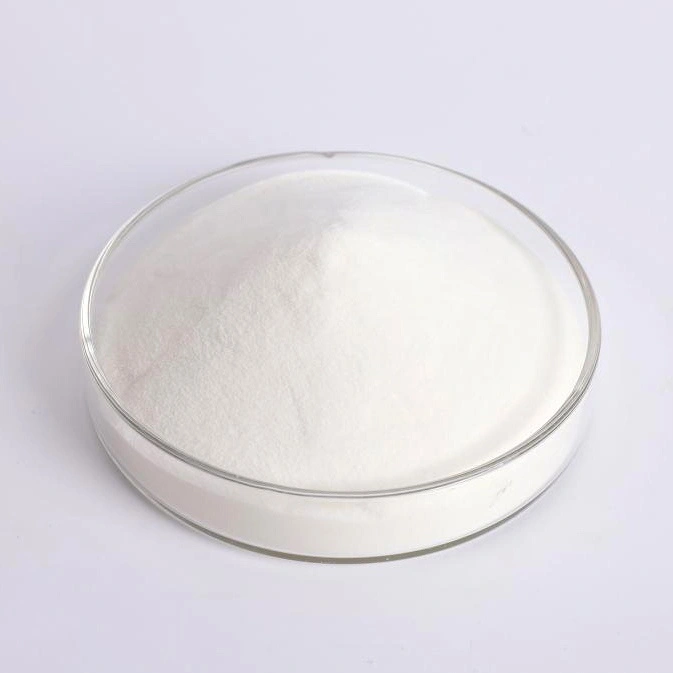
Product Name: Cytisine 98%
CAS NO.: 485-35-8
Molecular formula: C11H14N20
Molecular weight: 190.24
Specification content: 98%(HPLC)
Product Description: Diagonal Prism Powder
Physical properties: Melting point of 98-99 ℃, soluble in water, ethanol, methanol, insoluble in petroleum ether.
MOQ: 500gG-1KG
Our Advantages: Scalable production capacity, strict quality control, cost efficiency from integrated factories, over 20 years of experience, advanced technology, and 24/7 after-sales support.
Certificaions: FSSC2000/ISO2000/HALAL/KOSHER/HACCP
Delivery terms: FedEx, DHL, EMS, UPS, TNT, all kinds of the airline, international shipping companies.
Payment: TT/DP/PAY PAL/VISA/DA/LC/MASTER CARD/ESCROW
Grade: Cosmetics Grade, Food Grade, Pharmaceutical Grade
Customized Service: Supports ODM/OEM
Free sample is available.
We do not sell retail quantities to individuals.
Understanding Cytisine: The Natural Alkaloid Revolution
Source/Composition
Cytisine is one of nature's most extraordinary medicinal chemicals, derived from Fabaceae plants including Laburnum and Cytisus. Due to its unique chemical structure and smoking cessation efficacy, pharmaceutical researchers worldwide are studying this organic heterotricyclic molecule.
Action Mechanism
The cytisine alkaloid's partial nicotinic acetylcholine receptor agonist mechanism is intriguing and combines natural medicine and modern pharmacology. Its chemical similarity to nicotine allows it to connect to brain receptors and provide a safer addiction therapy alternative. This makes cytisine enticing to smokers on the quit.
Clinical efficacy
Recent clinical trials show cytisine outperforms nicotine replacement therapy. Over 740 studies found that cytisine supplementation increased 12-month abstinence rates from 2.4% with placebo to 8.4%. Cytisine's promise in public health programs is shown by this breakthrough for pharmaceutical businesses creating next-generation smoking cessation medicines.
Formulation and Pharmacokinetics
Supplement formulation requires regulated pharmacokinetics, and the extract's half-life is 4.8 hours. Manufacturers can create accurate dosage schedules while limiting patient accumulating risks. These pharmacokinetic features enable the creation of safe and effective cytisine-based smoking cessation treatments.
Safety Protocols for Cytisine Powder Handling
Pharmaceutical Safety Compliance
Professionals handling cytisine extract must follow pharmaceutical-grade safety protocols. Due to the alkaloid's potency, production and research methods must be followed. All personnel engaging in these tasks must be safe.
Personal Safety Gear
When handling cytisine powder, lab workers must wear PPE. Nitrile gloves, safety goggles, and lab coats reduce exposure. The compound's small particles require appropriate ventilation during weighing and mixing to prevent inhaling exposure, assuring safety.
Storage Conditions
Safety and product integrity depend on storage conditions. Cytisine powder should be stored in sealed containers below 25°C with relative humidity below 60%. Moisture control avoids degradation and maintains potency throughout the product lifecycle, improving reliability.
Quality Control Testing
HPLC purity tests must be performed regularly to ensure cytisine content is within guidelines. To ensure safety, batch documentation should record handling, storage, and analytical data. This careful process maintains cytisine product quality and industry requirements.
Emergency Response Methods
Set up emergency response measures for exposure occurrences. Cytisine is safe at therapeutic levels, however concentrated powder forms require immediate medical attention if inhaled or touched. Well-defined emergency protocols provide speedy and effective reactions to unexpected emergencies.
Optimal Dosage Guidelines and Formulation Considerations
Learning Pharmacokinetics and Applications
Understanding cytisine's pharmacokinetics and application characteristics is necessary for dosing protocol development. To ensure efficacy, pharmaceutical producers work within therapeutic ranges and consider patient demographics and treatment goals.
Standards of Dosage
Standard smoking cessation protocols include 1.5 mg to 9 mg of cytisine daily in divided doses to maintain plasma levels. To reduce withdrawal symptoms, the dose regimen starts with greater frequencies and tapers down over 25 days. This systematic strategy aids smoking cessation.
Bioavailability and Delivery Systems
Formulators must consider cytisine's bioavailability while formulating distribution strategies. Oral administration of the chemical results in peak plasma concentrations within 1-2 hours. This quick absorption characteristic affects pill dissolution and excipient selection, providing adequate active ingredient delivery.
Keep Stable and Potent
Cytisine powder stays potent when shielded from moisture and heat, according to stability testing. Pharma-grade material with purity levels above 99% is best for consistent dosage across manufacturing batches. Stability is essential for product efficacy over time.
Considerations for Combination Formulations
Active ingredient interactions must be considered in combination formulations. Cytisine is compatible with typical excipients, however stability studies should be done before commercial manufacture. This rigorous evaluation ensures new formulations' safety and efficacy.
Quality Assurance and Analytical Testing Methods
Ensure Pharma Standards
Cytisine powder satisfies therapeutic pharmaceutical standards with rigorous quality control. Advanced analytical methods characterize raw materials and finished products throughout the manufacturing process, ensuring every batch meets quality standards.
Purity Analysis Methods
HPLC is the gold standard for cytisine measurement and purity. This technology precisely measures active ingredient concentration and identifies impurities or degradation products that could compromise product safety or efficacy. Maintaining cytisine formulations requires HPLC reliability.
For complete impurity profiling, GC-MS provides more analytical depth. This technology enables manufacturers discover and quantify trace pollutants from plant sources or processing procedures to meet pharmacopeial criteria. GC-MS increases product purity confidence.
Moistness and Stability
Karl Fischer titration maintains quality criteria by measuring moisture content. To avoid degradation and maintain stability, cytisine powder standards require moisture below 0.5%. Moisture monitoring maintains ideal storage and handling conditions, ensuring product quality.
Microbiological Safety Testing
Microbiological testing shows no hazardous bacteria, yeast, or mold. Pharmaceutical-grade cytisine must fulfill tight microbiological limits for patient safety and international regulatory compliance. This testing is essential for therapeutic cytisine product quality and safety.
Particle Size Distribution Analysis
Formulation and production uniformity are improved via particle size distribution studies. Large-scale production requires controlled particle characteristics to facilitate powder flow, mix consistency, and tablet compression. Manufacturers can improve cytisine-based medicines' efficacy and dependability by controlling particle size.
Regulatory Compliance and International Standards
Knowledge of International Standards
Understanding worldwide pharmaceutical standards and regional approval processes is essential for cytisine powder regulation. Different markets have different documentation, testing, and quality requirements for manufacturers to enter.
European Pharmacopoeia compliance
European Pharmacopoeia (EP) standards specify cytisine purity criteria, identification tests, and analytical procedures. Comprehensive testing processes are required for European manufacturers to meet monograph criteria. EP requirements are essential for product safety and efficacy in this industry.
US Pharmacopeia Guidelines
USP guidelines provide market access standards for the US. Cytisine monographs differ, but pharmaceutical alkaloids must meet identification confirmation, assay methodologies, and impurity limitations. Cytisine manufacturers selling in the US must follow USP criteria.
Good Manufacturing Practices Matter
Pharmaceutical-grade cytisine manufacturing requires GMP certification. Quality, documentation, and contamination control are ensured by these standards throughout manufacturing. Regular audits ensure procedure compliance, ensuring product reliability and safety.
ISO Certification and Quality Management
ISO 13485 accreditation enhances quality management for medical devices using cytisine compounds. Risk management and design controls for medicinal goods are stressed in this standard, improving credibility and safety.
Comprehensive Documentation Needed
Complete batch records, analytical certificates, and stability data for shelf-life claims are required. To support intended use applications, regulatory submissions must demonstrate safety, quality, and efficacy. Meeting regulatory requirements and easing approval processes requires thorough documentation.
Advanced Manufacturing and Production Techniques
Technologies for Extraction and Purification
Cytisine powder manufacture today uses advanced extraction and purification methods to enhance productivity and ensure pharmaceutical-grade quality. Understanding these processes helps buyers assess supplier skills and product consistency, which is essential for therapeutic application quality.
Countercurrent Extraction Dynamic Systems
Traditional immersion methods are 30-50% less efficient than dynamic countercurrent extraction devices. This method improves plant cytisine recovery and decreases solvent use. Optimising these processes reduces environmental impact and makes production more sustainable, meeting current sustainability standards.
Simulated Moving Bed Chromatography
Continuous purification exceeding 98% is possible with simulated moving bed chromatography (SMB). Through efficiency and quality control, this sophisticated separation method lowers manufacturing costs. Continuous cytisine purification boosts efficiency and dependability.
Auto-controlled consistency systems
Distributed Control System (DCS)-based automated control systems precisely regulate pH, temperature, and solvent ratios. Pharmaceutical applications require precision for product safety and efficacy, thus this automation reduces human error and ensures batch-to-batch uniformity.
Systems for recovering solvents
Solvent recovery systems with multi-effect evaporation and condensation recover over 90% ethanol and methanol. This technology cuts production costs and promotes sustainability. Manufacturers may reduce waste and green their production process by maximizing solvent recovery.
Crystallization Methods for Best Properties
Specialized crystallization methods optimize cytisine powder properties. Uniform particle sizes with enhanced flow and dissolution result from controlled nucleation and growth. Effective pharmaceutical goods require these modifications to ensure active component performance in therapeutic applications.
Source Verification and Supply Chain Management
Assessing Raw Materials
Reliable cytisine powder supply chains involve thorough consideration of raw material sources, processing capabilities, and quality management systems. Pharmaceutical and supplement companies must verify supplier credentials and production standards to assure product integrity.
Plant Material Sourcing Effect
Plant material supplier greatly affects product quality and uniformity. Plant species, growth circumstances, harvest timing, and post-harvest management affect cytosine content. Reliable suppliers work with qualified producers that follow appropriate agricultural practices to ensure raw material quality.
Geographic Production Considerations
Quality and cost of cytisine production depend on geography. Major manufacturing regions have Cytisus and Laburnum-friendly climates. Vertically integrated suppliers may oversee the full production process from agriculture to processing, improving quality control and supply security.
Value of Analytical Verification
Incoming raw material analysis is essential to prevent downstream quality concerns. Cytisine, moisture, and contamination markers are tested independently before processing to ensure materials satisfy standards. Subpar raw materials can damage the final product, but this proactive strategy reduces hazards.
Supply Agreement Structure
Manufacturing-supporting supply agreements should include quality parameters, testing requirements, and delivery timelines. Long-term agreements with competent suppliers decrease supply chain risks and improve pricing negotiations. Clear terms in these agreements regulate expectations and ensure supply chain excellence.
Maintaining Backup Suppliers
Supplier backup qualification protects against supply disruptions. Having numerous qualified sources assures company continuity and gives you negotiating power. This method helps firms react to unforeseen supply chain changes without compromising product quality or availability.
Future Applications and Market Opportunities
Prospective markets
Understanding cytisine's medicinal potential expands market opportunities beyond smoking cessation. Interest in this versatile alkaloid is expanding as research institutes and pharmaceutical companies explore new uses that could change treatment approaches for various illnesses.
Alcoholism Treatment
Cytisine has great potential in alcohol addiction treatment. The alkaloid may reduce alcohol appetite and intake through smoking cessation receptor pathways, according to preliminary investigations. This new research shows cytisine's broad medicinal potential.
Mood Disorder Treatment
Cytisine molecules may treat depression and anxiety, according to research. The alkaloid's neurotransmitter effects may help mood disorders, but further clinical research are needed to prove safety and efficacy. These studies could lead to new mental health therapies.
A neuroprotective property
Studies show that cytisine regulates calcium and reduces oxidative stress to protect neurons. These qualities may help treat neurodegenerative illnesses and improve cognition. Further research may reveal how cytisine benefits brain health.
Cosmetic Uses
Cytisine's antioxidant and cellular protective characteristics are used in cosmetics. Beauty companies are considering adding cytisine to anti-aging and anti-oxidative skin protection products. This novel application of the chemical follows a trend toward natural personal care compounds.
Cytisine's medicinal adaptability and business potential are shown by its diverse applications, from addiction treatment to cosmetics.
Conclusion
Cytisine powder is a transformational natural alkaloid that offers pharmaceutical, nutraceutical, and research institutions new smoking cessation and therapeutic prospects. Effective handling, quality assurance, and regulatory compliance assure safe use and therapeutic potential.
Cytisine's potency, safety, and cost-effectiveness make it a key element in next-generation therapeutics. Manufacturers can create new formulations to fulfill market expectations by understanding dose guidelines, analytical criteria, and supply chain issues.
Pharmaceutical-grade materials with quality systems and regulatory knowledge are available through strategic relationships with Jiayuan Bio-Tech. The foundation helps product development while meeting international standards and patient safety criteria.
Partner with Jiayuan Bio-Tech for Premium Cytisine Powder Solutions
A reputable cytisine powder manufacturer, Jiayuan Bio-Tech delivers pharmaceutical-grade alkaloids with purity over 99%. Advanced extraction processes and strict quality control provide constant product specifications for your formulations in our GMP-certified facility. Contact our experienced staff at sales@jayuanbio.com or sales1@jayuanbio.com for custom solutions and competitive pricing on your next project.
References
1. Walker, N., Howe, C., Glover, M., McRobbie, H., Barnes, J., Nosa, V., ... & Bullen, C. (2014). Cytisine versus nicotine for smoking cessation. New England Journal of Medicine, 371(25), 2353-2362.
2. Rosen, L. J., Galili, T., Kott, J., Goodman, M., & Freedman, L. S. (2018). Diminishing benefit of smoking cessation medications during the first year: a meta-analysis of randomized controlled trials. Addiction, 113(5), 805-816.
3. Tutka, P., Vinnikov, D., Courtney, R. J., & Benowitz, N. L. (2019). Cytisine for nicotine addiction treatment: a review of pharmacology, therapeutics and an update of clinical trial evidence for smoking cessation. Addiction, 114(11), 1951-1969.
4. Jeong, S. H., Newcombe, D., Sheridan, J., & Tingle, M. (2015). Pharmacokinetics of cytisine, an α4β2 nicotinic receptor partial agonist, in healthy smokers following a single dose. Drug Testing and Analysis, 7(6), 475-482.
5. Cahill, K., Lindson‐Hawley, N., Thomas, K. H., Fanshawe, T. R., & Lancaster, T. (2016). Nicotine receptor partial agonists for smoking cessation. Cochrane Database of Systematic Reviews, (5), CD006103.
6. Benowitz, N. L., & Burbank, A. D. (2016). Cardiovascular toxicity of nicotine: implications for electronic cigarette use. Trends in Cardiovascular Medicine, 26(6), 515-523.