Top Bioavailability Enhancers for Astaxanthin Powder
As a potent antioxidant, astaxanthin powder is becoming more popular in beauty and nutrition. Bioavailability determines its commercial and therapeutic value. Lipid-based delivery technologies, nanoencapsulation technology, and natural absorption aids improve astaxanthin powder bioavailability. It can cause issues since astaxanthin is lipophilic. But these enhancements turn difficulties into opportunities to improve the product. This article discusses key issues that make astaxanthin absorption difficult and top bioavailability enhancers that improve product performance. Strategies to increase efficacy, minimize formulation costs, and differentiate products in competitive marketplaces will be taught to B2B buyers.
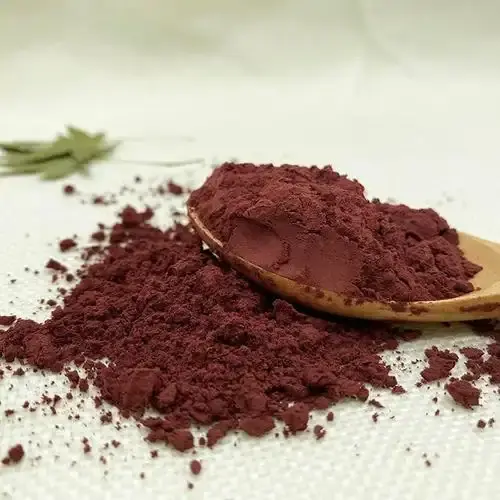
Purity: 1%-10%
Appearance: Dark red powder
CAS NO.: 472-61-7
Molecular Weight: 596.85
Molecular Formula: C40H52O4
MOQ: 500G-1KG
Inventory: in stock
Our Advantages: Scalable production capacity, strict quality control, cost efficiency from integrated factories, over 20 years of experience, advanced technology, and 24/7 after-sales support.
Certificaions: FSSC2000/ISO2000/HALAL/KOSHER/HACCP
Delivery terms: FedEx, DHL, EMS, UPS, TNT, all kinds of the airline, international shipping companies.
Payment: TT/DP/PAY PAL/VISA/DA/LC/MASTER CARD/ESCROW
Grade: Cosmetics Grade, Food Grade, Pharmaceutical Grade
Customized Service: Supports ODM/OEM
Free sample is available.
We do not sell retail quantities to individuals.
Understanding the Bioavailability Challenges of Astaxanthin Powder
Astaxanthin is lipophilic, which means it dissolves easily in fat and doesn't mix well with water in the digestive system. This makes it hard for the body to use. Also, light, heat, and air can make astaxanthin chemically unstable. This means that it breaks down and loses its usefulness when it is stored or used. And the body can also take it in through enzymes and the pH levels in the gut.
Lipophilic Nature and Solubility Issues
It is hard to use native astaxanthin in watery places because it dissolves in fat. This means that it doesn't dissolve quickly in stomach acid, so it is taken in more slowly. There are studies that show astaxanthin that hasn't been improved has bioavailability rates as low as 5–10%. This is very important for the functionality of produced goods. When procurement managers know these basic limits, they can see why they need to use enhancement tools in the way they buy ingredients.
Stability Concerns During Storage and Processing
The environment is one of the biggest threats to the security of astaxanthin. Things can be broken down by light (photodegradation), and heat breaks things down faster (oxidation). Because of these stability issues, goods don't last as long or work as well, which costs companies money. These are things that B2B buyers should think about when they look at a supplier's skills and how much space they need.
If these issues are fixed, the final product will have more power, work better, and cost less. All of these factors are important when deciding what to buy to meet market needs.
Top Bioavailability Enhancers for Astaxanthin Powder
Bioavailability boosters for astaxanthin powder make it easier to dissolve, stay stable, and be absorbed by the gut. These technologies for growth have changed how astaxanthin is made, which has led to better product performance in a wide range of settings.
Lipid-Based Delivery Systems
MCT and krill oil mixed together make it easier for things to dissolve and be absorbed. To help the body absorb astaxanthin better, these lipid carriers act like fats being broken down. Research has shown that MCT-based formulas can make powders 300% less bioavailable. The phospholipids in krill oil help cells absorb more of what it contains.
Advanced Nanoencapsulation Technology
Nanoencapsulation and micronization increase the surface area of particles, which makes them more stable and absorbent. This method improves the contact between intestinal membranes and protects astaxanthin molecules from damage in the surroundings. Nanometer-sized crystals make bioavailability better, which makes them perfect for high-end nutraceuticals.
Natural Absorption Enhancement Compounds
Piperine and lecithin safely improve absorption in the intestines. Piperine in black pepper stops enzymes that break down nutrients, which lets more astaxanthin move. Lecithin is an emulsifier that makes dispersion and barrier penetration better.
Vitamins E and C are antioxidants that keep astaxanthin from breaking down due to oxidation and increase its antioxidant qualities. This makes products better for skin health and pain relief. With these pairs that work well together, procurement managers can make goods stand out and boost value.
Selecting the Right Bioavailability Enhancer for Your Astaxanthin Powder Products
Cost, speed, and scalability should all be taken into account when making a bioavailability enhancer. This decision process needs to look at a lot of factors that affect how feasible it is to make the product and how well it sells.
Application-Specific Enhancement Strategies
When B2B clients choose technology for nutraceuticals, cosmetics, or functional foods, they need to think about regional regulatory frameworks. These should especially take into account strict clean-label ingredient laws in Europe and the US. Nanoencapsulation works well for nutraceuticals, but lipid-based methods that work with emulsion processes may work better for cosmetics.
Regulatory Compliance and Clean Label Requirements
Rules are important for making choosing better. Which methods of improvement are allowed based on the FDA's GRAS classification and the rules in Europe for novel foods. People who like clean labels are more interested in lecithin and natural oils than manufactured boosters, even though they cost more.
Case studies that show how the market grew and customers were happy teach procurement managers the best ways to do their jobs. When you strategically match the type of enhancer with the end use and safety requirements, you gain a competitive edge and get your product approved faster.
Procurement Considerations for Enhanced Astaxanthin Powder
When buying greater astaxanthin powder in bulk, suppliers' quality certifications, such as those for GMP, non-GMO, organic, and ISO standards, are carefully looked over to make sure the product is consistent and meets all requirements. These purchases change the quality of the goods and its status in the market.
Quality Assurance and Testing Requirements
Third-party testing makes sure that the product is pure and bioavailable, and managing supplies needs to know how long an enhancer will last. Jiayuan Bio-Tech's astaxanthin passes strict tests to make sure it is pure. Heavy metals, bacteria, solvent residues, and foreign nucleic acid residues are all below the allowed levels. This protects the quality of the product. Filter paper residue tests show that our product is cleaner than others on the market; the amounts of exogenous DNA residue are below 0.125 ng/mg, which is the legal limit set by the government.
Safety Profile and Toxicological Data
Safety check is very important when buying. Astaxanthin is safe and won't hurt you, according to many studies. The oral LD50 for this drug in ICR mice is more than 5000 mg/kg, which means it is not acutely toxic. Several biological tests have shown that it is safe, which gives procurement managers trust in the ingredients they choose.
Supplier Capabilities and Customization Options
Buyers should think about MOQ levels, pricing models, and logistics to make the supply chain run as smoothly as possible. Private label and custom formulation services are putting more and more emphasis on clear enhancer choice and focus communication in order to meet client needs. In tests on filter paper, our esterified astaxanthin has smaller, more concentrated, and non-diffusing residue areas. This means it is a better antioxidant and has a higher extraction quality for getting rid of free radicals.
Jiayuan Bio-Tech: Your Trusted Partner for Enhanced Astaxanthin Solutions
Xi'an Jiayuan Bio-Tech makes high-quality astaxanthin powder with nanoencapsulation, emulsification, and absorption aids integration. We deliver reliable, powerful B2B goods using cutting-edge production processes and strict quality control.
Our direct factory supply and warehouse stocking services save procurement, logistics, and customs clearing costs, making us competitive. We have two GMP production lines with ISO, SGS, and HALAL certifications for the best quality. For Europe, USA, and other regions, our worldwide logistics network works with FedEx, DHL, EMS, UPS, and TNT to clear customs. This integrated method removes import issues and delivers products to your plant.
Conclusion
Astaxanthin powder procurement tactics depend on bioavailability improvement. From lipid-based delivery systems to nanoencapsulation, modern enhancement technologies improve ingredient effectiveness and alleviate absorption issues. Successful procurement demands thorough consideration of enhancement methods, regulatory compliance, and supplier capabilities for product differentiation and market success. Companies seeking high-quality ingredients and trustworthy supply chain performance can collaborate with Jiayuan Bio-Tech, which has delivered exceptional astaxanthin solutions.
Frequently Asked Questions
Q1: What is the recommended dosage of astaxanthin powder with bioavailability enhancers?
A: Typical dosage ranges from 2 to 8 mg daily, depending on the product matrix and target benefits. Enhanced bioavailability can allow for lower effective doses while maintaining efficacy, offering cost savings and improved consumer compliance.
Q2: Are there any side effects or safety concerns when using bioavailability-enhanced astaxanthin powder?
A: Enhanced formulations are generally safe with no reported significant adverse effects when used within recommended ranges. However, sourcing from reputable suppliers and adhering to regulatory guidelines ensures consumer safety.
Q3: How can I verify the bioavailability claims of a supplier's astaxanthin powder?
A: Requesting third-party testing reports, clinical trial summaries, and audit certificates provides transparency. Reliable suppliers openly share data and adhere to strict quality control protocols, supporting trust in their claims.
Partner with Jiayuan Bio-Tech for Premium Astaxanthin Powder Solutions
If purchasing managers are looking for better bioavailable astaxanthin powder options, Jiayuan Bio-Tech's knowledge will help them make their products stand out and be successful in the market. Our wide range of enhancement technologies, along with our strict quality control and low prices, make the basis for truly outstanding final goods. You can try our astaxanthin powder by asking for samples or talking to one of our scientific experts. Get in touch with our astaxanthin powder supplier team at sales@jayuanbio.com and sales1@jayuanbio.com to talk about your unique needs.
References
1. Ambati, R. R., Phang, S. M., Ravi, S., & Aswathanarayana, R. G. (2014). Astaxanthin: sources, extraction, stability, biological activities and its commercial applications—a review. Marine drugs, 12(1), 128-152.
2. Higuera-Ciapara, I., Félix-Valenzuela, L., & Goycoolea, F. M. (2006). Astaxanthin: a review of its chemistry and applications. Critical reviews in food science and nutrition, 46(2), 185-196.
3. Kidd, P. (2011). Astaxanthin, cell membrane nutrient with diverse clinical benefits and anti-aging potential. Alternative medicine review, 16(4), 355-364.
4. Pashkow, F. J., Watumull, D. G., & Campbell, C. L. (2008). Astaxanthin: a novel potential treatment for oxidative stress and inflammation in cardiovascular disease. The American journal of cardiology, 101(10), 58-68.
5. Fassett, R. G., & Coombes, J. S. (2011). Astaxanthin: a potential therapeutic agent in cardiovascular disease. Marine drugs, 9(3), 447-465.
6. Yuan, J. P., Peng, J., Yin, K., & Wang, J. H. (2011). Potential health-promoting effects of astaxanthin: a high-value carotenoid mostly from microalgae. Molecular nutrition & food research, 55(1), 150-165.