Pure Melatonin for Anxiety Relief: What to Expect
For those looking for natural means to alleviate stress, pure melatonin has some very interesting possibilities. This N-acetyl-5-methoxytryptamine molecule is mostly recognised as a sleep regulator, but it also affects the hypothalamic-pituitary-adrenal (HPA) axis and interacts with GABAergic pathways to decrease anxiety. For B2B procurement teams, grasping the role of high-purity melatonin powder in anxiety reduction paves the way for product innovation—addressing growing customer demand for natural, non-habit-forming alternatives to traditional anxiolytics in both therapeutic and nutraceutical applications.

CAS No.: 73-31-4
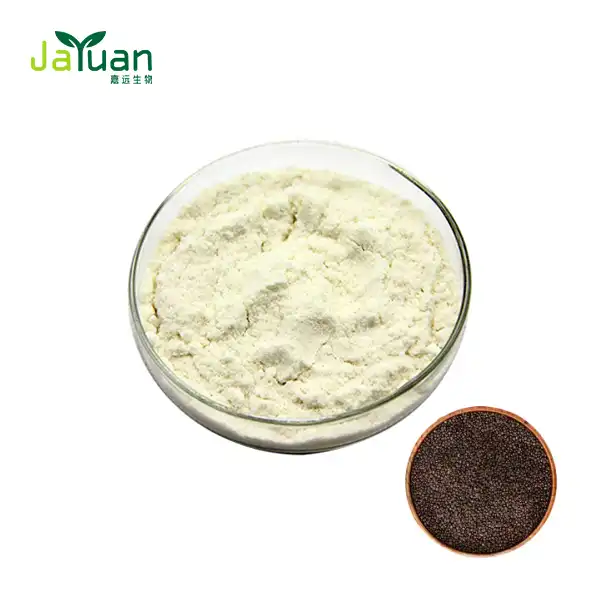
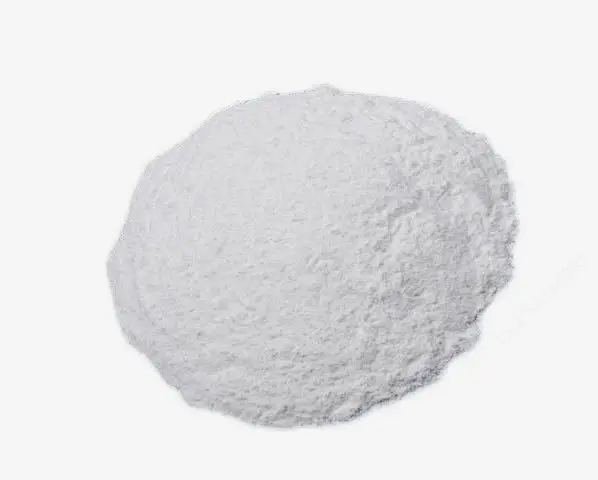
Appearance: White to off-white powder
Ref standard: USP43
Assay: 99.7%(HPLC)
Molecular formula: C13H16N2O2
Molecular weight: 232.28
MOQ: 1KG
Stock:in stock
Our Advantages: Scalable production capacity, strict quality control, cost efficiency from integrated factories, over 20 years of experience, advanced technology, and 24/7 after-sales support.
Certificaions: FSSC2000/ISO2000/HALAL/KOSHER/HACCP
Delivery terms: FedEx, DHL, EMS, UPS, TNT, all kinds of the airline, international shipping companies.
Payment: TT/DP/PAY PAL/VISA/DA/LC/MASTER CARD/ESCROW
Grade: Pharmaceutical Grade
Customized Service: Supports ODM/OEM
Free sample is available.
We do not sell retail quantities to individuals.
Understanding Pure Melatonin and Its Role in Anxiety Relief
Chemical Identity and Production Methods
The indoleamine neurohormone N-acetyl-5-methoxytryptamine is synthesised from tryptophan in the pineal gland. Pharmaceutical grade material needs strict chemical synthesis or biofermentation to get purity > 99%. Modern manufacturing uses dynamic countercurrent extraction and simulated moving bed chromatography to establish molecular identification and to remove contaminants from animal‐derived extracts.
The substance is chemically the same whether it is made synthetically or taken from natural sources – but the quality of the final product depends on how it was made. Mass spectrometry confirmed a molecular weight of 232.28 g/mol and HPLC analysis confirmed structural integrity. Pharmaceutical firms choose providers with GMP certification and automated control systems to manage extraction temperature, pH and solvent ratios throughout the process.
Mechanisms of Anxiety Modulation
But melatonin in its pure form has proven calming effects beyond regulating circadian rhythm. The distribution of MT1 and MT2 melatonin receptors in the central nervous system is widespread, with high densities in the hippocampus and amygdala, brain areas that are critically involved in emotional processing . These receptors, when activated, decrease the production of cortisol, alter the signalling of serotonin and increase the activity of GABA. GABA is the brain’s main inhibitory neurotransmitter. It slows things down.
Clinical observations have shown that melatonin administration before anxiety-provoking situations results in 20–35% reduction in anxiety levels compared to placebo. This makes it useful for situational anxiety, preprocedural concern, generalised anxiety with concomitant sleeplessness. Melatonin is a multi-tasking active ingredient for mental wellness and sleep-aid formulations since it targets stress response and sleep disturbance together.
Ancillary Benefits for Product Formulation
Pharmaceutical-grade melatonin is more than a simple relaxation effect. Meta-analyses have revealed that it corrects delayed sleep phase irregularities, reduces jet lag symptoms by 50-70% when timed correctly, and improves sleep onset latency by an average of 7-12 min. Melatonin is also a powerful antioxidant – better than vitamin C and glutathione in several studies of oxidative stress. This dual functionality adds value not just in sleep products but also in cosmetics, nutraceuticals and functional meals.
Key Considerations for Using Pure Melatonin as an Anxiety Aid
Dosage Guidelines for Anxiety Applications
Sleep aid procedures are not the same as anxiolytic doses. Clinical investigations in anxiety applications often look at 3–10 mg given 60–90 minutes before to a stressful event or prior to sleep. Sleep formulas employ 0.5–3 mg so that it mimics the body’s release patterns. When describing formulas, procurement teams should differentiate these use situations.
Demographic variables affect dosage choices. Most individuals handle 10 mg well, although senior users may need lower dosages because of changed pharmacokinetics. Use in paediatric patients requires prudence and is subject to regulatory limitations in several areas. Gender is also a factor: studies show that women may feel more sedated than men at the same dosage.
Safety Profile and Clinical Considerations
Compared with typical anxiolytics, pure melatonin has a better safety profile. During clinical studies, adverse effects were minor and reported in low frequencies: daytime sleepiness (1-3%), dizziness (1-2%), and headache (2-4%). These effects are more prevalent at doses over 10 mg and tend to resolve on their own. Unlike the benzodiazepines, melatonin is not habit forming and does not cause withdrawal symptoms.
Safety data collected over 12 to 24 months showed no tolerance development or organ damage, and liver and kidney indicators remained within the normal range. There are several groups to be careful with, including those with autoimmune illnesses, those on immunosuppressants and persons with seizure disorders. These contraindications should be made explicit in formulation instruction documents, to guarantee end-user safety and compliance with regulatory requirements.
Optimization Strategies for Formulation Development
Timing, distribution mechanism and ingredient synergy matter when it concerns melatonin compositions. Immediate release formulations are helpful in the treatment of acute bouts of anxiety whereas prolonged release delivery systems are available for patients whose anxiety interrupts the continuity of their sleep. Sublingual administration avoids first pass metabolism and increases bioavailability by 15-30% compared to normal oral tablets, a substantial benefit for premium product positioning.Emerging research suggests melatonin pairs well with complementary botanicals. L-theanine, magnesium glycinate, and ashwagandha extract each target stress pathways through different mechanisms, potentially amplifying melatonin’s anxiolytic effect. Formulation teams exploring multi-ingredient anxiety products should evaluate these combinations for both efficacy and regulatory acceptability in their target markets.
Comparing Pure Melatonin with Other Melatonin Options in the Market
Purity Standards and Formulation Types
Pharmaceutical grade melatonin (more than 99% purity) is different from lesser grades. The high purity powder provides predictable outcomes with less danger of contamination. Lower quality versions, often made from animal pineal glands, may include biological pollutants such as prions and hormonal residues, causing safety and regulatory issues.
Melatonin manufactured via chemical synthesis or fermentation by microorganisms is identical at the molecular scale to natural melatonin and avoids those hazards. There are many forms available on the market, including quick release capsules, prolonged release pills, liquids, gummies, and bulk powder. Each format has certain production issues and trade-offs in terms of consumer attractiveness. Capsules provide accurate dose and prolonged shelf life whereas gummies have better customer compliance. Bulk powder provides the most flexibility in manufacturing unique goods for private-label businesses.
Manufacturing Considerations Across Form Factors
In capsule manufacturing, fillers and functional excipients are required to be compatible with melatonin. The most common fillers used are microcrystalline cellulose, magnesium stearate and silicon dioxide, for flow and structural integrity. Manufacturing conditions with humidity below 40% may avoid deterioration. USP compliance (85-115% of label claim) is assured by automated filling systems with in-line weight verification.
Gummy making is another story. Pure melatonin degrades at temperatures over 65°C, thus it must be processed at low temperatures or added after manufacturing. Pectin based gummies are more stable than gelatin formulation, especially in humid conditions. For gummy goods, companies should utilise pharmaceutical quality melatonin with stabilisers and undergo accelerated stability testing according to ICH criteria.
Brand Positioning and Certification Landscape
Bulk powder has to be packaged carefully to be stable. Melatonin is protected against international shipment and long-term storage in containers packed with nitrogen and coated with desiccant. Particle size distribution influences homogeneity in multi-ingredient blends, and an 80-mesh powder is often a good mix. Material parameters should include particle size, moisture content (≤ 0.5%) and packing technique.
Clean-label claims, third-party certifications and supply-chain transparency are becoming more important in market positioning. While synthetic melatonin itself cannot earn organic certification, brands can still appeal to natural-product consumers by using non-GMO-verified excipients and natural processing aids. Non-GMO, vegan, and allergen-free certifications help products meet evolving consumer expectations across global markets. Suppliers holding multiple certifications give brands a competitive edge in product development and launch speed.
Procurement Insights: Sourcing and Buying Pure Melatonin in Bulk
Supplier Categories and Regional Considerations
The worldwide melatonin supply chain consists of specialised manufacturers, trade intermediates and integrated producers. Direct manufacturer ties usually provide you the greatest price and supply reliability but usually need minimum purchases of 25-500 kg depending on the source. Trading firms take smaller orders but add 15-30% per unit
The procurement teams should examine the manufacturing capability of each supplier and the supply chain elements in the area. The manufacture of melatonin is centralised in certain locations, which makes it sensitive to regulatory changes, shortages of raw materials or transportation problems. These risks may be offset by diversification among suppliers in various locations while yet maintaining competitive price. The best manufacturing centers have transparent regulatory systems, dependable infrastructure, and easy access to precursor chemicals.
Pricing Models and Cost Optimization
Pure melatonin cost is based on purity level, order volume, and value-added services. Pharmaceutical grade material (> 99% purity) demands a 40-70% premium above cosmetic grade (95-98%) . Standard volume discounts are available: 8-15% off for purchases over 100kg, higher savings for 500kg and 1,000kg. Annual contracts provide a buffer against market swings, locking in price.
Total landed cost is more important than unit pricing when importing. FOB arrangements transfer transportation expense and risk to the customer, whereas CIF or DDP terms transfer greater responsibility to the supplier. The unit price given is not the only expense to be considered for a proper cost comparison. Freight, customs charges, clearance fees and local distribution all need to be included.
Quality Assurance and Supplier Evaluation
Quality requirements must include purity, heavy metals, microbiological limits, physical qualities and residual solvents. Shipping each batch with a Certificate of Analysis (CoA), comprising HPLC chromatograms supporting purity, microbiological testing per USP criteria, and heavy metal panels for arsenic, lead and mercury below threshold levels.
Independent third-party testing provides an additional level of assurance for important projects or new supplier certification. The supplier evaluation should consist of document analysis, site audits and appraisal of quality management systems, manufacturing equipment and technical skills. Strong supplier QC — including validated analytical methods, documented change control, complaint handling, and full batch traceability — reduces long-term procurement risk and protects both end users and brand reputation.
Case Studies and Industry Insights: Successful Integration of Pure Melatonin for Anxiety Products
Market Dynamics and Growth Opportunities
Consumer desire for stress relief and better sleep is driving strong growth in the worldwide melatonin industry. Industry assessments are forecasting year-over-year increase of 8 to 10 percent till 2028, with the fastest expanding category being nerve-calming formulations. That development is reflective of larger wellness trends, as customers look for natural alternatives to pharmaceutical drugs that entail an addiction risk.
Brands that market based on evidence and clean-label formulas attract premium customers who are ready to spend more for superior ingredients. Market successful melatonin anxiety medications with clear dose, research citations and third-party testing. Digital strategies emphasising these traits are more effective than broad-reach methods in conversion rates and client lifetime value.
Strategic Lessons for Product Development
There are many strategic variables that are key to effective pure melatonin anxiety products. Multi-ingredient formulations addressing complementary anxiety pathways are more popular than single-ingredient formulations in the market. Novel delivery methods – fast-dissolving pills, liquid suspensions, transdermal patches – assist premium brands in justifying higher price tags. The audience segmentation by social anxiety, performance anxiety, and travel anxiety makes the marketing message more accurate.
Private-label firms that want to get into the anxiety-relief industry might work with suppliers of pharmaceutical-grade melatonin that provide formulation assistance, safety testing and regulatory paperwork to help get products to market faster. Strategic supplier partnerships go beyond transactional procurement and include providing technical advice, collaborative R&D and priority allocation in the event of supply limitations.
Conclusion
Pharmaceutical grade pure melatonin is a big potential for health brands, manufacturers and suppliers looking to capitalise on increased consumer interest in natural solutions to anxiety. “Success in this market requires sourcing high purity material, maintaining strict supplier quality standards and using formulation expertise to ensure consistent product performance. By knowing the anxiolytic processes of melatonin, the ideal dose techniques and best practices for formulation, firms may design compliant solutions that really serve customers. As the wellness industry continues shifting toward evidence-based natural solutions, businesses investing in The high-quality melatonin powder will be well positioned to seize growth in this growing market.
Frequently Asked Questions
1. Is pure melatonin safe for long-term use in anxiety applications?
Studies spanning 12–24 months show that daily melatonin intake of 3–10 mg is safe without tolerance development or organ damage. Unlike benzodiazepines, melatonin carries no abuse potential or withdrawal risk. Individuals with autoimmune conditions, those taking immunosuppressants, or pregnant women should consult a healthcare provider before long-term use. B2B formulation guidance should include these precautions to ensure proper consumer information and regulatory compliance.
2. How does pharmaceutical-grade melatonin powder compare to gummy formulations for anxiety relief?
Pharmaceutical-grade powder offers higher purity (>99%), more precise dosing, and longer shelf stability when stored properly. Gummies may lose 10–20% potency over time due to heat exposure during manufacturing and storage. However, gummies drive higher consumer compliance through taste and convenience. For anxiety products requiring consistent therapeutic dosing, capsules or tablets formulated from powder are preferable. Gummies suit market segments that prioritize convenience over maximum potency.
3. Where can procurement teams source organic-certified melatonin for clean-label products?
Synthetic melatonin cannot typically earn organic certification because production involves chemical processing rather than plant extraction. However, clean-label positioning remains achievable by sourcing from suppliers using non-GMO-verified processes and organic-certified excipients. Third-party verification from organizations like NSF International, Informed Choice, or the USP Dietary Supplement Verification Program provides credible quality assurance. Procurement specifications should clearly state certification requirements, and suppliers should provide documentation during qualification.
Partner with Jiayuan Bio-Tech for Premium Melatonin Solutions
Sourcing pharmaceutical-grade pure melatonin from a trusted supplier ensures product quality and cost efficiency for your anxiety-relief formulations. Jiayuan Bio-Tech produces melatonin powder with purity exceeding 99%, using advanced extraction technology and strict quality control for pharmaceutical, nutraceutical, and cosmetic applications. Our GMP-certified facility near the Qinling Mountains in China provides reliable access to raw materials, and our automated DCS systems ensure batch-to-batch consistency — critical for B2B buyers scaling production.
Contact our team to discuss your bulk melatonin requirements and how our competitive pricing supports your margins. Email us at sales@jayuanbio.com or sales1@jayuanbio.com for samples, pricing, or detailed product specifications. Visit jayuanbio.com to explore our full natural product portfolio and partner with a supplier committed to your success in the growing anxiety-relief market.
References
1. Hardeland R. Melatonin and the pathologies of weakened or dysregulated circadian oscillators. Journal of Pineal Research. 2017;62(1):e12377.
2. Xie Z, Chen F, Li WA, Geng X, Li C, Meng X, Feng Y, Liu W, Yu F. A review of sleep disorders and melatonin. Neurological Research. 2017;39(6):559-565.
3. Bruni O, Alonso-Alconada D, Besag F, Biran V, Braam W, Cortese S, Moavero R, Parisi P, Smits M, Van der Heijden K, Curatolo P. Current role of melatonin in pediatric neurology: clinical recommendations. European Journal of Paediatric Neurology. 2015;19(2):122-133.
4. Andersen LP, Gögenur I, Rosenberg J, Reiter RJ. The safety of melatonin in humans. Clinical Drug Investigation. 2016;36(3):169-175.
5. Cardinali DP, Srinivasan V, Brzezinski A, Brown GM. Melatonin and its analogs in insomnia and depression. Journal of Pineal Research. 2012;52(4):365-375.
6. Auld F, Maschauer EL, Morrison I, Skene DJ, Riha RL. Evidence for the efficacy of melatonin in the treatment of primary adult sleep disorders. Sleep Medicine Reviews. 2017;34:10-22.