Pure Astaxanthin Powder Uses in Daily Wellness Routine
Pure Astaxanthin Powder is becoming an important ingredient for cosmetic, nutraceutical and pharmaceutical firms creating solutions to address oxidative stress and cellular health. This carotenoid, which is obtained mainly from the microalgae Haematococcus pluvialis, overcomes three long-standing issues for formulators: antioxidant stability, bioavailability and therapeutic efficacy. For procurement teams considering ingredient solutions, the technical qualities and practical uses of pure astaxanthin powder are directly relevant to product performance and regulatory compliance.
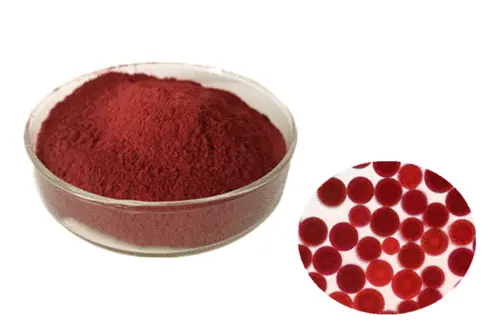
Purity: 1%-10%
Appearance: Dark red powder
CAS NO.: 472-61-7
Molecular Weight: 596.85
Molecular Formula: C40H52O4
MOQ: 500G-1KG
Inventory: in stock
Our Advantages: Scalable production capacity, strict quality control, cost efficiency from integrated factories, over 20 years of experience, advanced technology, and 24/7 after-sales support.
Certificaions: FSSC2000/ISO2000/HALAL/KOSHER/HACCP
Delivery terms: FedEx, DHL, EMS, UPS, TNT, all kinds of the airline, international shipping companies.
Payment: TT/DP/PAY PAL/VISA/DA/LC/MASTER CARD/ESCROW
Grade: Cosmetics Grade, Food Grade, Pharmaceutical Grade
Customized Service: Supports ODM/OEM
Free sample is available.
We do not sell retail quantities to individuals.
Understanding Pure Astaxanthin Powder and Its Wellness Benefits
What Makes Pure Astaxanthin Powder Unique Among Antioxidants
Astaxanthin powder is a lipophilic antioxidant with a unique chemical framework. The conjugated double bond structure provides effective neutralisation of reactive oxygen species while its unique amphipathic nature permits spanning of cellular membranes, simultaneously preserving lipid bilayers and aqueous cellular compartments. This capacity to work in two ways separates it from the water-soluble antioxidants such as ascorbic acid which are extracellular.
The naturally occurring form from Haematococcus pluvialis has a 3S,3’S stereoisomer configuration which clinical research demonstrates to be substantially more bioavailable as compared to synthetic petrochemical-derived variants. At Jiayuan Bio-Tech we use the filter paper residue test to ensure the purity of our product, no contaminants beyond the detectable limit that would be detrimental to the antioxidant capacity of the product. This is an important issue for producers of high-grade cosmetics and vitamins.
Molecular Mechanisms Supporting Wellness Applications
Pure astaxanthin powder operates on several processes beyond free radical scavenging at the cellular level. It is believed to possess a singlet oxygen quenching capacity 6,000 times higher than ascorbic acid and 550 times that of alpha-tocopherol and hence, particularly helpful for formulations aimed at photoaging, inflammation and cellular regeneration.
It has been shown that long-term astaxanthin supplementation improves skin elasticity markers by modulating collagen synthesis pathways and reducing matrix metalloproteinase activity. In formulations for cardiovascular health, studies have shown beneficial benefits on endothelial function indicators and lipid profile parameters . These benefits enhance overall wellbeing, and are not intended to treat particular medical concerns.
Bioavailability and Absorption Considerations
Astaxanthin absorption depends heavily on co-ingestion with dietary fats. Peak plasma concentrations typically occur 6 to 8 hours post-consumption. Premium pure astaxanthin powder utilizes advanced microencapsulation technologies that protect the polyene chain from oxidative degradation while improving dispersion across various delivery systems.
Jiayuan Bio-Tech uses supercritical CO2 extraction to maintain the integrity of molecules throughout processing. HPLC analysis shows standardised amounts between 2% and 10%. This extraction approach removes all solvent residues which is an obvious benefit for markets with strict regulatory requirements. Heavy metals are routinely tested to ensure that lead is below 0.5 ppm, arsenic below 0.2 ppm and mercury below 0.1 ppm.
Incorporating Pure Astaxanthin Powder into Daily Wellness Routines
Optimal Dosage Forms and Delivery Systems
Enteric coated or oxygen barrier capsule formulations provide for correct dose and extended shelf life. The softgel technique is particularly effective as the oil-based matrix increases the bioavailability of the carotenoid and protects it from environmental oxidation. Typical dosages are in the range of 4 to 12 mg per serving, however sports nutrition products may have greater amounts.
Powders provide formulation flexibility for functional beverages, protein supplements and meal replacements. However astaxanthin is lipophilic and has to be treated (usually microencapsulation or cyclodextrin complexation) to be dispersible in cold water. Free-flowing particles from Jiayuan Bio-Tech’s beadlet technology provide continual stability in dry-blend applications and uniform colour dispersion in the finished product.
Formulation Strategies for Product Stability
Astaxanthin is sensitive to light, heat and oxygen and hence formulators need to address these vulnerabilities directly. Jiayuan Bio-Tech’s microencapsulated pure astaxanthin powder is enclosed in protective matrices of modified starches, gelatin or hydroxypropyl methylcellulose (HPMC) that serve as a robust barrier against environmental challenges.
Accelerated stability testing (40°C, 75% RH) indicates >95% potency retention after 24 months with suitable encapsulation and packaging procedure. Oxidative stability may be further improved by using synergistic antioxidants such as mixed tocopherols or ascorbyl palmitate without changing the special deep red-violet tint.
Real-World Implementation Cases
Jiayuan Bio-Tech’s standardised 5% Pure Astaxanthin Powder was used by a European supplement company in their premium eye health product, blending it with lutein and zeaxanthin in softgel form. After debut, the product line grew 40% year-over-year with good comments from consumers on the perceived advantages.
Separately, a U.S. functional beverage business has included microencapsulated astaxanthin into a sports recovery drink. The component contributed to formulation stability and a natural, attractive colour without the use of synthetic colours.The product's placement in major retail chains demonstrates strong market acceptance for astaxanthin-fortified wellness products.
Comparing Pure Astaxanthin Powder with Alternatives on the Market
Natural Versus Synthetic Astaxanthin
The difference between natural and synthesised astaxanthin is not only their origin but also their stereochemistry, bioactivity and regulatory status. The pure astaxanthin powder from Haematococcus pluvialis mostly consists of the 3S,3’S isomer. Studies have shown that this isomer has better bioavailability and cellular absorption than manufactured racemic mixtures.
Synthetic synthesis produces about equal amounts of three stereoisomers: 3S,3'S; 3R,3'R; and 3R,3'S. Such a racemic combination hampers standardisation of dosage and may impair therapeutic effectiveness. In certain areas, regulatory organisations confine synthetic astaxanthin to usage in aquaculture, not for human consumption, therefore restricting its attractiveness for clean-label companies.
Astaxanthin Versus Other Carotenoids and Antioxidants
Procurement teams evaluate relative potency, stability profiles and synergistic potential when choosing antioxidant compounds. Beta-carotene is well known, but is largely a vitamin A precursor with secondary antioxidant action. The pure astaxanthin powder was a far more powerful scavenger of singlet oxygen, and it avoided the pro-oxidant problem of high-dose beta-carotene supplementation .
Coenzyme Q10 also improves mitochondrial activity in another way. Combination formulations of CoQ10 and astaxanthin address the issues of energy metabolism and oxidative stress management – bringing value to cardiovascular and sports performance goods. Krill oil contains omega-3s and astaxanthin, but in far less amounts than you’d get from a specialised supplement.
Organic Certification and Quality Differentiation
To be certified organic, all the cultivation methods, processing steps and raw materials of Pure Astaxanthin Powder must meet the USDA Organic or equivalent international standards. The “organic” label increases supply chain complexity and expense – without necessarily boosting the compound’s inherent antioxidant capability – but also has brand value in some markets.
Jiayuan Bio-Tech’s quality control process is more than just labels for growing methods. Analysis confirms purity, potency and absence of contaminants. Filter paper residue tests indicate cleaner product profiles than many rivals. Good free radical scavenging without organic certification. For B2B buyers, GMP certification and transparent traceability documentation often carry more weight than organic labeling alone.
B2B Procurement Guide for Pure Astaxanthin Powder
Identifying Qualified Suppliers and Manufacturers
Effective supplier evaluation requires assessment across multiple quality dimensions. Preferred manufacturers demonstrate vertical integration from algae cultivation through extraction and standardisation. Look for facilities that have the applicable GMP certifications for your target market: FDA registration for the U.S., EU GMP for Europe, or Health Canada licensing for Canada.
Request comprehensive analytical documentation: heavy metal screening results, microbiological testing certifications, pesticide residue reports, and HPLC chromatograms showing astaxanthin concentration and stereoisomer ratios. Jiayuan Bio-Tech offers complete documentation packages so your quality assurance teams may check requirements before issuing purchase orders.
Understanding Bulk Pricing and Minimum Order Quantities
Pure Astaxanthin Powder pricing is influenced by the extraction difficulty, standardisation accuracy, and raw material availability. The market price for 2-5% standardised natural Haematococcus pluvialis extract powder is currently $1,200 to $2,500 per kilogram, and cost efficiencies can be achieved thru volume and concentration levels. The minimum order quantity varies among manufacturers, typically from 1 to 25 kilograms for initial qualification orders. Jiayuan Bio-Tech offers flexible MOQ policies to accommodate both research institutions and large-scale manufacturers. Standard international trade terms call for a 30% deposit upon order confirmation, with the remaining balance payable against shipping documents.
Logistics, Storage, and Quality Maintenance
Proper handling thru the distribution chain is needed to maintain the purity and potency achieved during production. Pure astaxanthin powder should be kept in a dry place below 25°C away from direct sunlight. Nitrogen-flushed packing in moisture-barrier containers maintains it stable throughout transport and storage.
For minor overseas orders, Jiayuan Bio-Tech delivers using DHL, FedEx or UPS express service. For larger shipments, we use temperature controlled air freight or ocean freight with desiccant protection. The logistics team makes that all required customs paperwork, such as certificates of analysis, MSDS sheets, and product safety documents, is full and correct.
Future Trends and Value of Pure Astaxanthin Powder in Wellness
Market Evolution and Growth Drivers
The global Pure Astaxanthin Powder market is expected to grow to USD 800 million by 2027 driven by rising consumer awareness about oxidative stress in ageing and increasing number of clinical studies supporting the health benefits of astaxanthin. The clean-label movement is particularly positive on natural compounds such as Haematococcus pluvialis extract.
“Trends in personalised nutrition are creating opportunities for condition-specific formulas for eye health, skin protection, cardiovascular support or sports performance. Regulatory regimes are more favourable to chemicals that are properly characterised, safety verified and scientifically backed Pure astaxanthin powder has decades of study and GRAS designation in the United States to back it up in meeting these needs.
Technological Advances Enhancing Formulation Potential
New extraction techniques for Pure Astaxanthin Powder such as enzyme-assisted processing and membrane filtering are expected to provide greater purity levels and better environmental sustainability. Those developments correspond with B2B buyers’ aspirations around supply chain ethics and decreased carbon impact without affecting analytical quality.
Novel delivery techniques such as liposomal encapsulation, nano-emulsion technology and self-emulsifying delivery systems for drugs (SEDDS) overcome the conventional bioavailability constraints. Such technologies may result in reduced dosage while preserving therapeutic impact – particularly attractive to pharmaceutical firms creating prescription goods and premium supplement brands seeking distinction.
Strategic Opportunities for Manufacturers and Distributors
As consumer demand for astaxanthin continues to exceed brand innovation cycles, private label and white label options continue to grow. Partnering with trusted ingredient suppliers that also can offer formulation support, stability testing and regulatory filing assistance may help regional distributors and contract manufacturers gain market share.
Astaxanthin use in cosmetics extends beyond face care to sun protection, hair care and colour cosmetics. There is also another differential in terms of sustainability positioning, since the production of microalgae has a lesser environmental imprint than plant-based or animal-derived ingredients.
Conclusion
Pure astaxanthin powder provides significant value to health product categories because of its excellent antioxidant capability, bioavailability and extensive formulation compatibility. Jiayuan Bio-Tech’s dedication to purity in extraction is verified via filter paper residue testing and strict quality processes, ensuring that producers obtain chemicals that will dependably operate under the most demanding situations. With the market moving toward organically sourced, science-backed ingredients, businesses that strategically source premium pure astaxanthin powder may capitalise on the rising consumer interest in health management and anti-aging treatments.
FAQ
1. What concentration of Pure Astaxanthin Powder is optimal for supplement formulations?
Optimal concentration depends on delivery format and target dosage. Softgel formulations commonly use 5-10% concentrations in oil matrices to deliver 4-12 mg per serving. Dry-blend formulations may use 2-5% beadlets for easier mixing. Higher concentrations reduce required inclusion rates but demand more careful handling during production to prevent oxidative degradation.
2. How does natural astaxanthin compare to synthetic in terms of bioavailability?
Studies suggest that natural pure astaxanthin powder from Haematococcus pluvialis, which is mostly the 3S,3’S stereoisomer, has 20-40% higher bioavailability than manufactured racemic combinations. Enhanced cellular absorption may result in larger biological effects at the same dosage although responses are individual.
3. What certifications should B2B buyers prioritize when sourcing astaxanthin?
Third-party testing verification by certified labs still a must, and GMP certification appropriate to your target market. Main compliance standards include ISO 22000, HACCP procedures and region-specific regulations (FDA registration for the US, Novel Food clearance for the EU). Organic certification could be a differentiator in certain markets, but it should be one more thing, not the only thing, regarding basic purity and potency tests.
Partner with Jiayuan Bio-Tech for Premium Pure Astaxanthin Powder Supply
Jiayuan Bio-Tech combines supercritical CO2 extraction technology with quality control protocols that exceed industry baselines. ISO-verified quality systems and GMP-certified production facilities ensure every batch of Pure Astaxanthin Powder meets pharmaceutical-grade standards for heavy metals, microbial contamination, and solvent residues.Key advantages for B2B partners:
- Flexible customization: adjustable concentrations (2%-10%), custom microencapsulation formats, and OEM services tailored to your formulation requirements
- Global logistics: direct shipping to North America, Europe, and Asia-Pacific with full customs documentation support
- Comprehensive documentation: complete analytical packages (COA, HPLC chromatograms, heavy metal reports) available prior to purchase commitment
- Quality assurance: filter paper residue testing, GMP-certified facilities, and ISO-verified systems
Contact our technical team at sales@jayuanbio.com or sales1@jayuanbio.com to discuss your procurement needs and request detailed analytical documentation.
References
1. Ambati, R.R., Phang, S.M., Ravi, S., and Aswathanarayana, R.G. (2014). "Astaxanthin: Sources, Extraction, Stability, Biological Activities and Commercial Applications." Marine Drugs, 12(1), 128-152.
2. Fassett, R.G. and Coombes, J.S. (2011). "Astaxanthin: A Potential Therapeutic Agent in Cardiovascular Disease." Marine Drugs, 9(3), 447-465.
3. Guerin, M., Huntley, M.E., and Olaizola, M. (2003). "Haematococcus astaxanthin: Applications for Human Health and Nutrition." Trends in Biotechnology, 21(5), 210-216.
4. Kidd, P. (2011). "Astaxanthin, Cell Membrane Nutrient with Diverse Clinical Benefits and Anti-Aging Potential." Alternative Medicine Review, 16(4), 355-364.
5. Tominaga, K., Hongo, N., Karato, M., and Yamashita, E. (2012). "Cosmetic Benefits of Astaxanthin on Human Subjects." Acta Biochimica Polonica, 59(1), 43-47.
6. Yuan, J.P., Peng, J., Yin, K., and Wang, J.H. (2011). "Potential Health-Promoting Effects of Astaxanthin: A High-Value Carotenoid Mostly from Microalgae." Molecular Nutrition & Food Research, 55(1), 150-165.