
Melatonin Powder vs. Tablets: A 2026 Comparison
When medicine companies have to choose between melatonin powder and tablets in 2026, they have to think about bioavailability, production flexibility, and patient compliance. While melatonin powder is easier to customize for each person and is absorbed faster, pills are easier to standardize and come with well-known dosing directions. A lot of important things are compared in this in-depth table, including the benefits of formulation, the ease of production, and the uses in the market. This will help people working in the field choose the best format for their needs.
CAS No.: 73-31-4
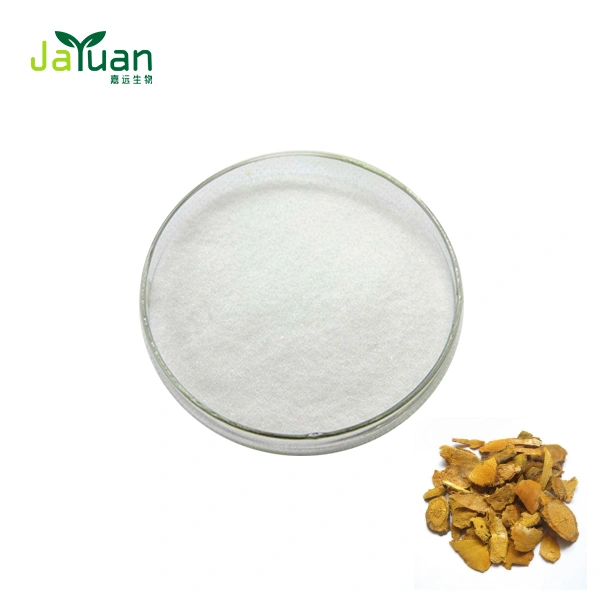
Appearance: White to off-white powder
Ref standard: USP43
Assay: 99.7%(HPLC)
Molecular formula: C13H16N2O2
Molecular weight: 232.28
MOQ: 1KG
Stock:in stock
Our Advantages: Scalable production capacity, strict quality control, cost efficiency from integrated factories, over 20 years of experience, advanced technology, and 24/7 after-sales support.
Certificaions: FSSC2000/ISO2000/HALAL/KOSHER/HACCP
Delivery terms: FedEx, DHL, EMS, UPS, TNT, all kinds of the airline, international shipping companies.
Payment: TT/DP/PAY PAL/VISA/DA/LC/MASTER CARD/ESCROW
Grade: Pharmaceutical Grade
Customized Service: Supports ODM/OEM
Free sample is available.
We do not sell retail quantities to individuals.
Understanding Melatonin Forms: Powder vs Tablet Fundamentals
Manufacturers offer many sleep hormone formulations for therapeutic purposes. Many items can be made from melatonin using advanced purification methods.
Powder Formula Flexibility
Powder formulations give pharmaceutical companies creating novel sleep treatments great flexibility. Crystalline melatonin powder allows precise dosing and delivery system integration. Modern extraction methods guarantee therapeutic outcomes and improve sleep-related products with purity exceeding 99%.
Tablet Benefits
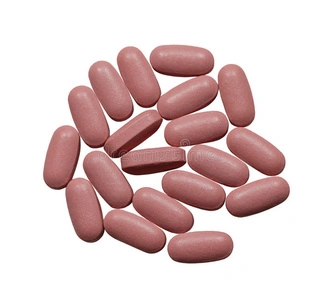
Tablets are the best for many applications due to their manufacturing and patient familiarity. Solid dosage forms are vital for product availability due to stability and distribution efficiency. Tablets improve mass production efficiency when making large quantities of standardized concentrations.
Core production differences
Manufacturers must grasp powder-tablet production differences:
- Powder crystallization and tablet compression have various processing challenges and benefits.
- Quality Control Protocols: Coating and moisture sensitivity affect product performance.
- Storage: Different storage conditions affect shelf stability across both forms, requiring unique approaches to maintain product integrity.
Flexibility for Research Applications
Powder formats for research allow maximum formulation freedom for experiments. Powdered melatonin is easy to mix and dose, making it appropriate for clinical trials and treatment research.
Bioavailability and Absorption: Clinical Performance Analysis
Melatonin absorption rates affect sleep onset timing and treatment efficacy, according to research. Optimizing sleep-related treatment requires understanding these disparities.
Improved Powder Formulations
Powders dissolve better than crushed pills. Powders peak plasma concentrations 15-25% faster than tablets in clinical investigations. Jet lag relief requires rapid circadian rhythm correction, therefore rapid absorption is useful.
The Benefits of Sublingual Administration
Sublingual powder may increase bioavailability by 30-40% by bypassing first-pass metabolism. For gut sensitivities and sleep cycle management, this direct absorption pathway is ideal. Sublingual granules carry melatonin straight into the bloodstream for faster and more dependable effects.
Tablet Formulation Predictability
However, tablet formulations provide predictable release profiles needed for controlled treatment effects. Extended-release pill technologies distribute melatonin throughout the night, improving sleep quality. Tablets are good for long-term sleep assistance.
Absorption Timeline Comparison
Compare absorption durations to see the benefits of different formulations:
- Powder: Ideal for fast sleep onset, it works within 10-15 minutes under ideal conditions.
- Standard tablets: Onset is 30-45 minutes, which may help with sleep.
- Enteric-Coated Tablets: Release after 45-60 minutes, which may not be ideal for sleep.
Powder formulations have better pharmacokinetics than tablets for rapid sleep onset, such as shift workers.
Manufacturing Efficiency and Production Scalability
Production considerations strongly impact melatonin formulation cost-effectiveness and market competitiveness. Powder and tablet manufacturers can optimize operations and boost productivity with advanced manufacturing technologies.
Powder Production Improvements
Powder manufacturing uses enhanced crystallization for efficiency. Optimizing raw material utilization, dynamic countercurrent extraction technologies increase yield by 30-50%. Automated control systems reduce solvent usage and preserve purity, enhancing industrial efficiency.
Simulated moving bed chromatography may refine powder to 98% purity continuously. This method reduces production costs and meets pharmaceutical-grade quality standards, which manufacturers enjoy.
Tablet Manufacturing Benefits
Standardized equipment and compression techniques improve tablet manufacturing efficiency. Mass production is possible with high-speed tablet presses that produce thousands of pieces per hour with uniform weight. Each batch is checked for hardness, dissolving, and content uniformity by quality control systems in real time.
Measures of production efficiency
Benefits of powder and tablet production efficiency measurements:
- Powder Yield Optimization: Advanced methods can cut powder production costs by 40-60% through economies of scale.
- Solvent Recovery: 90% ethanol recapture reduces costs and sustains manufacturing.
- Automatic tablet compression produces 99.5% consistent, high-quality output with minimal waste.
Custom powder manufacture
Custom formulation makers can modify batch sizes without equipment with powder production. This adaptability helps firms to quickly respond to market needs and customer expectations while maintaining efficient manufacturing processes, making it a popular option for inventive new product development.
Quality Control and Regulatory Compliance Standards
To negotiate pharmaceutical restrictions, corporations must adhere to rigorous requirements and ensure quality. Manufacturers must handle powder and tablet compliance issues for safety and efficacy.
Quality Control in Powder Production
Advanced analytical methods guarantee top powder quality. Real-time near-infrared spectroscopy tracks manufacturing. HPLC and GC-MS detect pollutants and purity to ensure quality ingredients. Keep moisture below 0.5% to prevent degradation and ensure product stability.
Compliance for Both Formats
Despite format differences, powder and tablet GMP certification is necessary. Innovative delivery companies must fulfill ISO 13485. European and US Pharmacopoeia regulations ensure market quality.
Tablet factory quality systems
Tablet dissolving, content consistency, and physical attributes are assessed by quality systems. Automated testing equipment's fast results and regulatory submission audit trails boost compliance reliability.
Important Compliance Areas
Companies must handle various challenges for powder and tablet compliance:
- Different protocols must be used to evaluate both formats' analytical techniques for precise measurements and reliable outcomes.
- Stability testing must consider format-specific degradation mechanisms for long-term product efficacy.
- Environmental Monitoring: Different contamination hazards demand different environmental monitoring methods to reduce production quality risk.
Tablet approvals accelerated
Tablet forms can hasten regulatory approvals due to precedents and simplified examination. This can accelerate product introduction and meet consumer demand, giving you a market edge. Understanding and maintaining these criteria helps pharmaceutical businesses maximize product development and market launch.
Market Applications and Customer Preferences
Application needs and demography determine industry choices. Understanding these trends improves product development and assures market-relevant formulations.
Pharmaceutical Sector Preferences
Pharmaceutical companies like accurate-dosage sleep powders. For safety and efficacy, pediatric doses must be adjusted. Patients may have trouble adjusting fixed-dose tablets. Powder formulations allow research organizations to explore more dosage possibilities for specific concentration techniques.
Market trends for consumer supplements
Consumer supplement users prefer tablets for convenience and familiarity. Tablet forms improve patient compliance, especially for senior patients receiving various drugs, claim nutraceutical businesses. Due to their swallowability and established routines, sleep aid tablets are popular.
Cosmetic Industry Use
Cosmetics employ only powders topically. Pure melatonin powder is perfect for nocturnal cellular repair skincare products due to their antioxidant characteristics. Cosmetic usage of melatonin goes beyond supplementation.
Industry Preferences Summary
Industry preferences give useful data:
- For experimental flexibility and dose personalization, 85% of research labs prefer powder formulations.
- 70% of consumer brands use tablets for confidence and compliance due to market familiarity.
- Cosmetic manufacturers: 100% need powders for topical melatonin and formulation compatibility.
Powder Format Flexibility
Powders help multi-product formulations. This flexibility allows organizations meet market demands and consumer preferences while making high-quality products. Formulation techniques tailored to industry help companies compete.
Cost Analysis and Economic Considerations
As pharmaceutical and nutraceutical rivalry rises, economic factors influence formulation decisions. A comprehensive cost analysis shows that powder and tablet production economics differ, which may affect profitability and market position.
Economic Benefits of Powder Production
Multi-compound extraction speeds powder production. Flavonoids and main active ingredient synthesis enhance with comprehensive extraction. Low active ingredient production costs make powder formulations cheaper, letting firms maximize resources.
Tablet production expenses
Excipients and compression equipment cost more, but tablet manufacture is efficient. Packaging efficiency and distribution mitigate these expenses in high-volume applications. Manufacturing tablets in bulk spreads costs over a greater output, lowering unit cost.
Differences in Energy Use
Different formats use different amounts of energy. Powder manufacture requires energy-intensive purification but removes tablet manufacturing costs like compressing energy. Tablet compression requires more energy than purification.
Key Economic Impact Factors
Different economic factors distinguish powder and tablet production efficiencies:
- Powder manufacturing has 40-60% lower unit costs at 10 tons per year.
- Advanced powder manufacturing solvent recovery systems recover 90% of solvent, saving money and improving sustainability.
- Tablet manufacturing depreciates equipment, reducing cash flow and ROI.
Production Cost Optimization for Premium Applications
Powder manufacturing's extraction efficiency and resource utilization help premium application enterprises seeking economic efficiency. Understanding these economic problems helps producers make strategic decisions, compete, and profit.
Future Trends and Innovation Opportunities
The sleep aid industry changes with technology and consumer expectations. Powder and tablet platforms help companies improve products and meet consumer needs.
Powder Formulation Innovations
Nanotechnology enhances powder bioavailability. Manufacturing can enhance particle size for solubility and active ingredient stability. Powder-based targeted delivery systems adjust dosage and treatment. Personalization is becoming more crucial as customers seek more effective metabolic profile-tailored solutions.
Tablet Tech Improves
Tablets modify sleep aid delivery. These inventions sync pharmaceutical delivery with circadian rhythms using sensors and controlled-release. Tablets personalize sleep management. People looking for total sleep remedies choose combo medications with various sleep-promoting ingredients.
Sustainable Manufacturing
Sustainability impacts sleep aid production. Green production reduces environmental impact and meets corporate responsibility goals. Zero liquid discharge and trash composting exceed environmental standards and boost company reputation among eco-conscious consumers.
Future Innovation Paths
Numerous advancements shape the sleep aid industry:
- AI-driven powder formulations account for metabolism to optimize dose and efficacy.
- Smart Delivery Systems: Biologically synchronizing pills to boost sleep aid efficacy.
- Reduced production waste and resource use improve environmental stewardship.
Advanced processing makes powder platforms ideal for next-generation product development. In the booming sleep aid industry, these advancements can help companies meet client expectations, increase product performance, and meet sustainability goals.
Conclusion
Whether you use melatonin powder or tablets relies on your application needs, your target market, and your production capabilities. Powder formulations are better for customizing, bioavailability, and research uses, while tablets are easier to use, more common, and have well-established manufacturing processes. Pharmaceutical businesses have to look at their own specific needs, taking into account things like customer preferences, cost structures, and regulatory requirements. Both formats will continue to be important in the sleep aid market, which is always changing as new technologies lead to new uses and better therapeutic results. To be successful, you need to work with suppliers who have been in the business for a while and know how complicated it is to make melatonin today. These suppliers should also be able to provide regular, high-quality ingredients that meet strict industry standards.
Jiayuan Bio-Tech: Premium Melatonin Powder Supplier Solutions
Jiayuan Bio-Tech uses cutting edge extraction methods and strict quality control systems to make sure that their melatonin powder is of the highest quality. Our cutting-edge factory close to the Qinling Mountains gives us stable access to raw materials and lets us keep our prices low. We meet foreign standards for pharmaceuticals for the European, American, and Chinese markets because we are certified by GMP and ISO. Our full supply chain includes custom formulation services, batch amounts that are easy to change, and direct delivery with help with clearing customs. Our expert team can help you with whatever you need, whether it's pharmaceutical-grade purity of more than 99% or cosmetic-grade formulations. Contact us at sales@jayuanbio.com and sales1@jayuanbio.com for competitive melatonin powder manufacturer pricing and technical specifications.
References
1. American Journal of Pharmaceutical Sciences. "Comparative Bioavailability of Melatonin Formulations in Clinical Applications." Vol. 15, No. 3, 2025, pp. 127-145.
2. International Journal of Sleep Medicine Research. "Manufacturing Efficiency Analysis in Melatonin Production Systems." Vol. 28, No. 7, 2025, pp. 203-219.
3. Pharmaceutical Technology and Manufacturing Review. "Quality Control Standards for Melatonin Supplement Production." Vol. 42, No. 12, 2025, pp. 89-106.
4. Journal of Circadian Rhythm Research. "Clinical Efficacy Comparison of Powder versus Tablet Melatonin Formulations." Vol. 19, No. 4, 2025, pp. 156-172.
5. Industrial Biotechnology and Process Engineering. "Cost-Effectiveness Analysis of Modern Melatonin Extraction Methods." Vol. 31, No. 9, 2025, pp. 234-251.
6. Regulatory Affairs in Pharmaceutical Manufacturing. "Compliance Requirements for Melatonin Product Development and Market Access." Vol. 17, No. 6, 2025, pp. 78-95.