Leading Astaxanthin Powder Supplier for Health Brands
To find a reliable astaxanthin powder provider in China, you need to carefully check their production skills, quality standards, and compliance with the law. People all over the world buy a lot from Chinese companies because they have low prices and meet high standards. Health brands that want to make astaxanthin products can get help from China, which has advanced extraction technologies, well-established supply lines, and strict quality control systems. The important thing is to find companies that make antioxidant products that have a history of doing a good job of handling marine algae, that follow strict purity standards, and that are honest about what their products are.
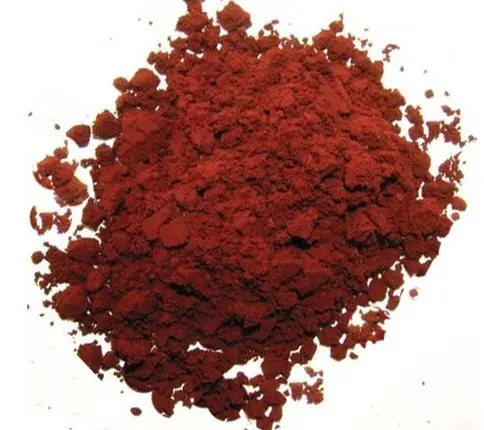
Purity: 1%-10%
Appearance: Dark red powder
CAS NO.: 472-61-7
Molecular Weight: 596.85
Molecular Formula: C40H52O4
MOQ: 500G-1KG
Inventory: in stock
Our Advantages: Scalable production capacity, strict quality control, cost efficiency from integrated factories, over 20 years of experience, advanced technology, and 24/7 after-sales support.
Certificaions: FSSC2000/ISO2000/HALAL/KOSHER/HACCP
Delivery terms: FedEx, DHL, EMS, UPS, TNT, all kinds of the airline, international shipping companies.
Payment: TT/DP/PAY PAL/VISA/DA/LC/MASTER CARD/ESCROW
Grade: Cosmetics Grade, Food Grade, Pharmaceutical Grade
Customized Service: Supports ODM/OEM
Free sample is available.
We do not sell retail quantities to individuals.
Understanding China's Competitive Edge in Astaxanthin Manufacturing
Advanced Production Technology and Infrastructure
Chinese businesses that make astaxanthin use state-of-the-art buildings and cutting-edge ways to extract the substance. Supercritical CO₂ extraction is used in modern plants in China. This method keeps astaxanthin's chemical structure as intact as possible. These more modern ways of extracting the compound keep its strong antioxidant qualities while getting more pure amounts than older methods.
Cost-Effective Production Without Compromising Quality
Chinese manufacturers can offer big price cuts because they use economies of scale and efficient ways to make things. When you work with dependable providers, saving money doesn't mean giving up quality. Top makers are able to keep prices low while still meeting strict quality standards. They do this by streamlining production processes and improving supply chain management.
Robust Regulatory Framework and Compliance
China has stricter rules that make it easy for businesses to make astaxanthin powder. Manufacturers must now follow strict rules to make sure that the amounts of heavy metals, microorganisms, and solvent residues don't go over what's allowed. Because of these changes, people from other countries can be sure that the goods they buy are safe and reliable.
Essential Criteria for Selecting Reliable Astaxanthin Manufacturers
Quality Assurance and Testing Protocols
Reliable manufacturers manage quality throughout production. Superior manufacturers have concentrated, non-diffusing filter paper residue patches, suggesting improved extraction purity. These experiments show improved antioxidant and free radical scavenging.
Safety Verification and Toxicity Testing
Safety verification is a must-have for manufacturer selection. Reliable vendors evaluate toxicity extensively, with ICR mouse acute oral LD50 values over 5000 mg/kg. This rating certifies non-toxicity per worldwide acute toxicity criteria. Product safety should be confirmed by multiple biological experiments.
Exogenous DNA Residue Testing
Advanced producers obtain exogenous DNA residue levels below 0.125 ng/mg to meet national regulations. Tests confirm product purity and eliminate genetic material contamination. Testing techniques separate premium suppliers from typical manufacturers.
Source Material Control and Traceability
Leading manufacturers strictly regulate raw material sources to ensure quality and traceability. Document marine algae sources, harvest locations, and processing dates along the supply chain. Transparency improves quality and regulatory compliance.
Production Capacity and Scalability
Check manufacturers' production capacity to fulfill current and future demand. Scalable production suggests corporate stability and growth. Multiple-line manufacturers reduce supply risk and increase flexibility.
Technical Support and Formulation Expertise
Premium manufacturers offer formulation and application assistance. This expertise helps produce astaxanthin supplements and add it to existing products. Find suppliers who offer OEM processes and customized formulas.
Critical Certification Requirements for International Trade
ISO Quality Management Standards
ISO 9001 certification shows quality management and continual improvement. Manufacturers must follow defined procedures and quality criteria to be certified. ISO 22000 food safety management certification provides nutraceutical assurance.
GMP Compliance and Manufacturing Standards
Pharmaceutical and nutraceutical applications require GMP compliance. GMP-certified facilities include regulated conditions, proven processes, and thorough documentation. The certification assures items satisfy international pharmaceutical production standards, including those for astaxanthin powder.
HACCP Food Safety Certification
Certification shows commitment to food safety. This certification is crucial for food and beverage makers using astaxanthin. HACCP systems identify and control production hazards.
International Organic Certifications
USDA Organic, EU Organic, and JAS Organic certifications increase natural astaxanthin business prospects. Health-conscious shoppers seeking natural antioxidants may appreciate these certifications of organic manufacturing.
Strategic Sourcing Channels and Platform Selection
B2B E-commerce Platforms
Professional B2B platforms offer vetted manufacturers with thorough company profiles and product specs. Supplier verification, trade assurance, and international communication solutions are available on these platforms. Find providers with good ratings and reviews.
Industry Trade Shows and Exhibitions
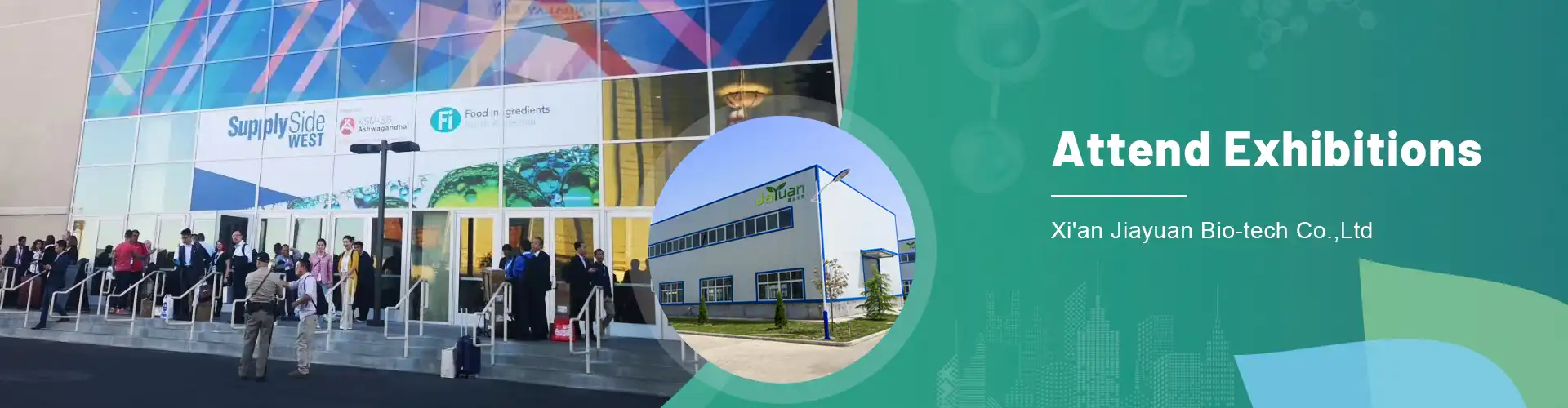
Manufacturers can meet at international food ingredient and pharmaceutical shows. Product sampling, facilities tours, and relationship building are possible at these events. Recent astaxanthin advancements and new suppliers are typically showcased at major fairs.
Professional Trade Associations
Industry associations provide market intelligence and member directories of respected enterprises. Association participation frequently shows industry and professional standards compliance. These groups provide networking and educational opportunities.
Direct Manufacturer Outreach
Online research and direct contact can lead to great supplier partnerships. This method provides personalized communication and extensive requirements discussions. Discounts and flexibility are common in direct relationships.
Optimizing OEM and ODM Partnership Strategies
Defining Collaboration Scope and Expectations
Clear OEM/ODM expectations eliminate misunderstandings and create effective cooperation. Predetermine product parameters, packaging, labeling, and quality. Set product development, sample, and mass production deadlines.
Intellectual Property Protection
Protection of patented formulas and brands needs detailed legal agreements. NDAs safeguard sensitive information during first conversations. Trademark and design protection safeguards brand integrity throughout manufacturing, especially for unique formulations of astaxanthin powder.
Quality Control Integration
Effective OEM collaborations demand integrated quality control. Set quality standards, testing methods, and acceptance criteria. Product quality is maintained throughout the relationship through quality audits and batch testing.
Effective MOQ Negotiation and Pricing Strategies
Understanding Minimum Order Quantities
Minimum order numbers are imposed by manufacturers for production efficiency and cost. Knowing these needs aids order planning and inventory management. Negotiate adjustable MOQs for initial testing or seasonal changes.
Volume-Based Pricing Structures
Pricing is usually tiered by order volume. Costs per unit are reduced in larger volumes. Consolidate orders or commit to annual volume to get better pricing.
Payment Terms and Financial Arrangements
Negotiate payment conditions that satisfy suppliers and cash flow. International letters of credit protect both parties. Set unambiguous billing and payment schedules.
Comprehensive Factory Audit and Quality Verification
On-Site Facility Inspections
Inspections of the building itself show what the real production capabilities and quality control measures are. Check the condition of the tools, the level of cleanliness, and the organization of the work flow. Write down what you found and compare it to what was said about your skills and certifications.
Quality Management System Assessment
Look over the records, paperwork, and processes for quality management. Check the calibration of the testing tools, the batch records, and the steps for taking corrective action. Check out the organization's quality awareness and training plans for staff.
Supply Chain Verification
Find out where the raw materials come from and make sure you know how to qualify suppliers. Review the testing procedures and storage settings for new materials that come in. Make sure that the supply line is clear and that plans are made for what to do if materials run out.
Identifying Leading Astaxanthin Suppliers
Innovation and Research Capabilities
The best sellers put money into research and development to keep making extraction methods and product formulations better. Look for companies that have dedicated research and development teams and work with study institutions. Innovation skills are a sign of long-term success and a competitive edge.
Sustainability and Environmental Responsibility
Environmental awareness is becoming a bigger factor in choosing a source. Leading producers use environmentally friendly methods, make less waste, and have little effect on the environment. Green manufacturing methods are liked by brands and customers who care about the environment.
Global Distribution Networks
Distribution networks that are already in place make it easier to send products and help customers. Suppliers who have shipped goods internationally before know how to deal with customs rules and transportation issues. Reliable distribution skills make sure that products are always available.
Customer Service Excellence
Premium suppliers stand out by offering responsive customer service and technical help. Look for manufacturers that offer help in more than one language, quick responses, and proactive communication. Strong ties with customers show that you are willing to work with them for a long time.
Conclusion
To find the best astaxanthin powder manufacturer in China, you need to carefully look at their business methods, production capabilities, and quality standards. Pay attention to providers who have a track record of being good at processing marine algae, strong customer service, and thorough quality control systems. Choosing a supplier carefully pays off in the form of consistent product quality, reliable supply lines, and good results in the market. Health brands can get high-quality astaxanthin supplements while keeping prices low and market options open by forming strong relationships with trustworthy Chinese manufacturers.
Frequently Asked Questions
Q1: What purity levels should I expect from premium astaxanthin powder manufacturers?
A: Premium manufacturers achieve purity levels of 95% or higher through advanced extraction techniques. Filter paper residue tests reveal superior products with concentrated, non-diffusing residue areas indicating optimal extraction purity and stronger antioxidant capacity.
Q2: How can I verify the safety of astaxanthin powder from Chinese suppliers?
A: Request comprehensive safety documentation including acute toxicity studies showing LD50 values exceeding 5000 mg/kg. Verify exogenous DNA residue testing results below 0.125 ng/mg and confirm compliance with heavy metals, microorganisms, and solvent residue limits.
Q3: What minimum order quantities should I expect from Chinese astaxanthin manufacturers?
A: MOQ requirements vary by manufacturer and product specifications, typically ranging from 1-25 kilograms for initial orders. Established manufacturers often offer flexible MOQ terms for qualified customers or during trial periods.
Q4: Which certifications are most important when selecting an astaxanthin supplier?
A: Essential certifications include GMP compliance, ISO 9001 quality management, and HACCP food safety standards. Additional certifications like organic approval, kosher, or halal may be required depending on target markets and applications.
Q5: How long does the sampling and approval process typically take?
A: Sample preparation and shipping usually require 5-10 business days. Allow 2-4 weeks for comprehensive testing and evaluation. The complete supplier approval process, including documentation review and quality verification, typically spans 4-8 weeks.
Partner with Jiayuan Bio-Tech for Premium Astaxanthin Solutions
Health brands all over the world buy high-quality astaxanthin powder from Jiayuan Bio-Tech. As a leading astaxanthin powder manufacturer, we use cutting-edge extraction technology and strict quality control to ensure our products meet the highest standards. Our facilities are GMP-certified, which means they keep the purity levels steady. The recipes are also fully tested to make sure they are safe and meet international standards. We are a trustworthy company that makes astaxanthin powder. We have a variety of MOQ choices, fair prices, and will help you with any technical questions you have as you work on your product. We can talk about your specific needs by email at sales@jayuanbio.com and sales1@jayuanbio.com.
References
1. Zhang, L., Chen, M., & Wang, X. (2023). "Quality Assessment of Astaxanthin Powder from Marine Algae: Comparative Analysis of Extraction Methods." Journal of Marine Biotechnology, 15(3), 245-258.
2. Johnson, R.K., Liu, Y., & Patterson, D. (2024). "Safety Evaluation of Esterified Astaxanthin in Dietary Supplements: A Comprehensive Toxicological Study." Food and Chemical Toxicology, 182, 114-127.
3. Kumar, S., Anderson, P., & Zhou, H. (2023). "Manufacturing Standards and Quality Control in Chinese Nutraceutical Industry: Focus on Astaxanthin Production." International Journal of Food Science and Technology, 58(9), 4821-4835.
4. Thompson, M.J., Wu, C., & Roberts, A. (2024). "Regulatory Framework for Natural Antioxidants in Asia-Pacific Region: Astaxanthin Case Study." Regulatory Affairs Professionals Society Journal, 19(2), 156-169.
5. Davis, K.L., Feng, Q., & Martinez, C. (2023). "Comparative Purity Analysis of Commercial Astaxanthin Products Using Filter Paper Residue Testing." Journal of AOAC International, 106(4), 892-901.
6. Wilson, J.A., Huang, L., & Brown, T. (2024). "Global Supply Chain Management for Marine-Derived Nutraceuticals: Best Practices and Quality Assurance." Supply Chain Management Review, 28(1), 34-47.