
Key Uses of Ergothioneine Supplements in Nutrition
Ergothioneine is not your typical antioxidant. Discovered in 1909, this histidine-derived amino acid is unique in that the body actively transports it into cells via a specific transporter called OCTN1 – a mechanism that other antioxidants simply do not have. Therefore, Ergothioneine Supplements have rapidly progressed from a scientific curiosity to a standard nutritional constituent. It is stable, easily absorbed and accumulates in tissues under strong oxidative strain, making it an easy option for formulators in the supplement, food and cosmetic fields.
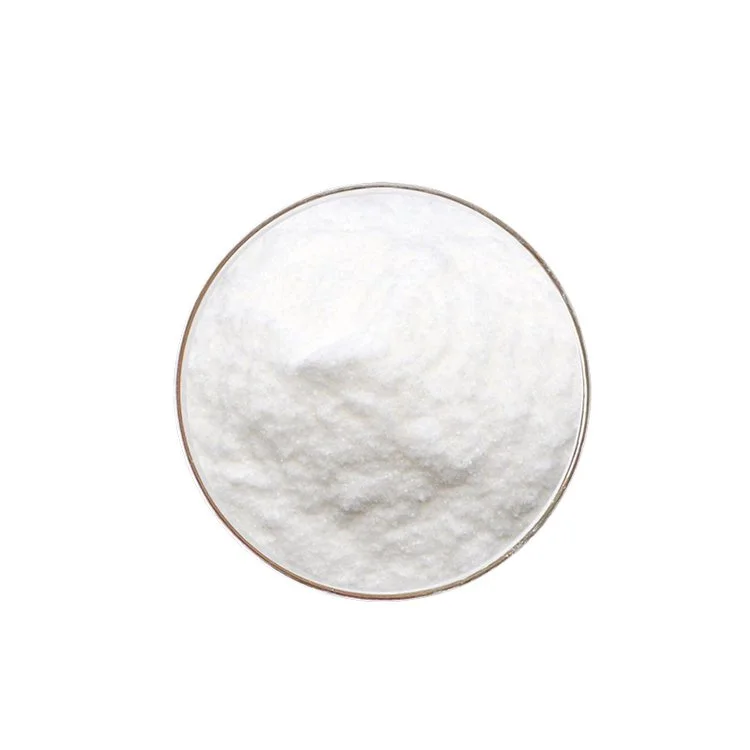
Other Name: L-Ergothioneine,2-thio-imidazole
Appearance: White fine powder
CAS No.: 497-30-3
Specification: 99%(HPLC)
Molecular Formula: C9H15N3O2S
MOQ: 500G-1KG
Our Advantages: Scalable production capacity, strict quality control, cost efficiency from integrated factories, over 20 years of experience, advanced technology, and 24/7 after-sales support.
Certificaions: FSSC2000/ISO2000/HALAL/KOSHER/HACCP
Delivery terms: FedEx, DHL, EMS, UPS, TNT, all kinds of the airline, international shipping companies.
Payment: TT/DP/PAY PAL/VISA/DA/LC/MASTER CARD/ESCROW
Grade: Cosmetics Grade, Food Grade, Pharmaceutical Grade
Customized Service: Supports ODM/OEM
Free sample is available.
We do not sell retail quantities to individuals.
Understanding Ergothioneine's Nutritional Foundation
Because the body can’t make ergothioneine, it relies exclusively on food sources. Then the OCTN1 transporter distributes it to many cells and tissues in the body. This active absorption is not typical for antioxidants and is the reason why researchers are paying more attention to the biological activity of the molecule. The evolutionary significance of the transport mechanism is still under investigation, but the practical nutritional impact is already apparent: ergothioneine reaches the cells where it is most needed.
“The tissues that are most constantly under oxidative stress, such as the liver, kidneys, eyes and brain, have the highest concentrations of the compound.” Levels of ergothioneine in the blood similarly fall with age, a trend that has generated interest in supplementation as a possible approach to promote proper cell function over the long term.
Ergothioneine is also stable under physiological settings, unlike many water soluble antioxidants that breakdown rapidly. For formulation scientists, such stability offers practical value: it survives processing and potency throughout a regular product shelf life.
Protection for cells and anti-aging uses
The main nutritional benefit of ergothioneine supplementation is cellular defence. The molecule is able to enter mitochondrial membranes, where the process of energy generation produces the highest amount of reactive oxygen species, so providing the protection at the source of oxidative stress, rather than only in the blood stream.
Benefits for Anti-Aging
The anti-aging appeal of ergothioneine is due to its protection of cell structures from the oxidative damage that builds up over time. This is why the chemical is included in formulations that enhance longevity, since it scavenges reactive oxygen species before they may damage lipids, proteins and DNA, thereby supporting the normal cell activities that deteriorate with age.
Trying to reach healthy older populations
Ergothioneine is a compelling addition for nutrition businesses looking to appeal to healthy older consumers. It acts via the body’s own transport channels, rather than adding a synthetic substance that the cells have to deal with. That distinction matters to formulators who want ingredients that integrate cleanly with normal biological processes.
Use of ergothioneine in cosmetics
Cosmetic formulators are seeing it, too. Ergothioneine is a component of topical therapies focused at skin health and is stable enough to be delivered effectively via creams, serums and other forms without losing its effectiveness over time.
Cognitive Function and Brain Health Support
Ergothioneine accumulates in brain areas associated with the processes of memory and thought, and this selective distribution suggests a special function in the health of neurones. A research focus has been the ability of the chemical to maintain neurones under oxidative and inflammatory load.
Ergothioneine passes the blood-brain barrier and accumulates in neural tissue, thus supplement makers have begun to include it to cognitive products. The purpose is simple: to assist the ageing brain, not to undo the damage after it has been done.
Interest has been added by observational studies associating ergothioneine levels with cognitive function. Cheah and Halliwell (2021) reviewed the peculiar transport biology of this chemical and its possible significance to brain health. That body of research — which continues to develop — has seen manufacturers add ergothioneine to nootropic mixes focused at mental performance.
Also part of the focus is ergothioneine's effect on inflammatory processes inside brain tissue. The biggest key to good neurone communication is to keep inflammation in control, and this is the process researchers often refer to when talking about the possible cognitive advantages of the chemical.
Support for cardiovascular health
Ergothioneine Supplements is mostly used in cardiovascular formulations for its action on the endothelial cells, which are the lining of the blood arteries. Endothelium is in the firing line of oxidative stress therefore it makes sense to include substances that protect it in heart-health products.
Ergothioneine protects endothelial cells from oxidative stress, helping keep blood arteries responsive and normally flexible—two properties that crucial for long-term vascular health.
Bioavailability is important here too. Ergothioneine is readily absorbed and accumulates in heart tissue, where it might continue to act over time. Formulators like that it’s also stable throughout a broad variety of distribution methods.
In 2020, Smith et al. reported in the journal Heart that increased dietary consumption of ergothioneine was related with reduced cardiovascular mortality in a Swedish population. Alongside its antioxidant role, the compound's anti-inflammatory properties are thought to contribute to such outcomes — one reason heart-health brands keep ergothioneine on their ingredient shortlists.
Changing the immune system
Another use gaining traction is immune support. Ergothioneine affects how immune cells work and helps to control inflammation, encouraging equilibrium rather than pushing the immune system in one way or another.
This chemical accumulates in the immune cells via the same active transport mechanism, indicating that it serves a functional purpose in these cells. That reserve may help immune cells do their best when the immune system is challenged.
Stability counts in this environment as well. Some antioxidants are absorbed fast in an inflammatory reaction, but ergothioneine stays active. It’s a good candidate for immune-support formulations.
For manufacturers creating immunological goods, ergothioneine is attractive since it addresses two levels simultaneously: antioxidant protection and inflammation control. This two-fold activity contributes to the balanced defence response.
Eye Health and Help for Vision
The eye is one of the richest bodily tissues in ergothioneine, especially in parts that are always exposed to light and oxidative stress. The natural history of accumulation indicates a protective function that persists throughout life.
Retinal cells may be more susceptible to oxidative damage with age, and the major reason ergothioneine is used in vision-support supplements is because it protects retinal cells.
Products containing ergothioneine are often marketed as supporting good macular function and general eye health. The stability of the chemical is an advantage here, as ocular tissues are exposed to light-induced stress daily.
Ergothioneine levels in eye tissues decrease with age, and some researchers speculate that this may be connected to age-related alterations in vision. Supplementation is one strategy to maintain levels closer to ideal and improve eye health in the latter decades of life.
Performance and Recovery in Sports
Exercise causes oxidative stress and inflammation, and recovery relies on how fast the body drops both of these. Sports-nutrition firms provide Ergothioneine Supplements to aid that process.
What’s more , ergothioneine is able to get into muscle tissue and help protect cells from exercise-induced oxidative damage , thus it’s a natural ingredient for recovery solutions . A proper inflammatory response after training helps athletes recover and maintain their training volume.There is also interest in how the compound supports cellular energy production during extended effort. Ergothioneine could assist keep you from tiring out during endurance activities by preserving the mitochondria that power your working muscles.
Recovery formulations combine the antioxidant properties of ergothioneine with its anti-inflammatory properties to help tissue repair after rigorous exercise.
Quality Considerations in Ergothioneine Production
Quality begins at the factory. Pharmaceutical grade ergothioneine is produced by fermentation under controlled conditions followed by purification to eliminate byproducts and impurities. Close management of each step is required to ensure the purity, uniformity and safety of the finished substance.
Important Quality Factors for Production
Yield and purity are directly affected by fermentation conditions such as pH, temperature, aeration and nutrient supply. Small variations may modify the profile of the completed material . This is why established producers have these parameters well documented and monitored .
Needs for Analytical Testing
Good providers will check their substance by HPLC analysis for purity and content, stability testing under different storage settings and if appropriate absorption investigations. These inspections are important for batch-to-batch consistency and purchasers should acquire certifications of analysis before sourcing.
Thoughts on Storage and Handling
Ergothioneine is stable, but it is still an organic compound: extended periods of high heat or humidity may slowly degrade its efficacy. Airtight, moisture-resistant, and protected from direct sunlight, proper packaging and storage maintain the product's activity throughout its shelf life.
Conclusion
Ergothioneine is one-of-a-kind in the study of nutrition. Unlike other antioxidants, it is actively taken up into cells, stable in formulation, and concentrated in the tissues with the greatest oxidative burden -- the brain, eyes, liver and cardiovascular system. These qualities make them ideal for a variety of applications including cognitive and heart-health formulae, sports recovery and healthy-aging solutions. The evidence basis is young but growing, and for formulators the ingredient provides a unique mix of scientific credibility and practical adaptability. As brands build the next generation of cellular-health products, Ergothioneine Supplements deserve a place in the conversation.
FAQ
1. Is it possible to mix ergothioneine with other healthy ingredients?
Yes. Ergothioneine is chemically compatible with most vitamins, minerals, and other antioxidants commonly used in supplements. Its stability allows it to be formulated into tablets, capsules, powders, and liquids without significant loss of activity. As with any new combination, formulators should confirm compatibility through stability testing before launch.
2. Where can I get ergothioneine from in nature that is the best?
Mushrooms are the richest dietary source, particularly king oyster, shiitake, and maitake varieties. For commercial supplements, however, most manufacturers use controlled fermentation — a process that delivers consistent purity and potency that natural extraction alone cannot guarantee.
3. What kind of stability does ergothioneine have in different supplement forms?
Ergothioneine is stable across most supplement formats when manufactured and stored correctly. Under standard temperature and humidity conditions it does not readily degrade, and its activity is typically maintained for the full shelf life of the product. Suppliers should still provide stability data for the specific formulation and packaging used.
Partner with Jiayuan Bio-Tech for Premium Ergothioneine Solutions
If you are evaluating Ergothioneine Supplements suppliers, Jiayuan Bio-Tech offers a straightforward place to start. We manufacture pharmaceutical-grade L-ergothioneine through controlled fermentation and chromatographic purification, with purity consistently above 98%. Our production facility operates under GMP certification, and every batch is released with documented quality control — HPLC assay, purity profile, and stability data — so your formulations begin with a verified material.
We work with supplement brands, food manufacturers, and cosmetic formulators worldwide, supporting everything from raw-material supply to custom specifications, private-label programs, and bulk procurement. Tell our technical team your target dosage, format, or volume, and we will respond with specifications, samples, and a supply plan.
Contact us at sales@jayuanbio.com or sales1@jayuanbio.com to start the conversation.
References
1. Cheah, I. K., & Halliwell, B. (2021). Ergothioneine, recent developments. Redox Biology, 42, 101868.
2. Paul, B. D., & Snyder, S. H. (2020). The unusual amino acid L-ergothioneine is a physiologic cytoprotectant. Cell Death & Differentiation, 27(10), 2989-2996.
3. Ames, B. N. (2018). Prolonging healthy aging: Longevity vitamins and proteins. Proceedings of the National Academy of Sciences, 115(43), 10836-10844.
4. Borodina, I., Kenny, L. C., McCarthy, C. M., Paramasivan, K., Pretorius, E., Roberts, T. J., ... & Kell, D. B. (2020). The biology of ergothioneine, an antioxidant nutraceutical. Nutrition Research, 75, 36-78.
5. Gründemann, D. (2012). The ergothioneine transporter controls and indicates ergothioneine activity—A review. Preventive Medicine, 54, S71-S74.
6. Smith, E., Ottosson, F., Hellstrand, S., Ericson, U., Orho-Melander, M., Fernandez, C., & Melander, O. (2020). Ergothioneine is associated with reduced mortality and decreased risk of cardiovascular disease. Heart, 106(9), 691-697.