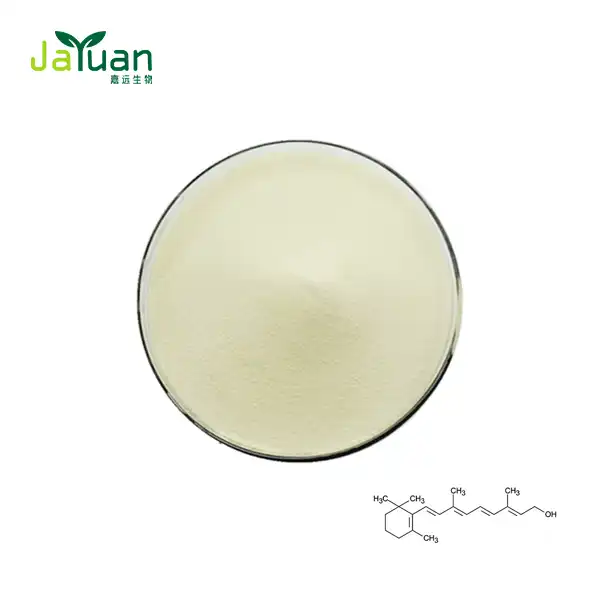

How to Use Cytisine Powder for Smoking Cessation?
To stop smoking with cytisine powder, people follow an organized 25-day plan in which they gradually smoke fewer cigarettes while the natural alkaloid binds to nicotinic receptors in the brain and reduces urges and withdrawal symptoms. This herbal extract comes from plants like Cytisus laburnum and can be used by pharmaceutical and nutraceutical companies to make goods that help people quit smoking. The usual plan starts with bigger amounts and gradually lowers them. This way, users can slowly stop being dependent on nicotine while minimizing the pain of quitting smoking.
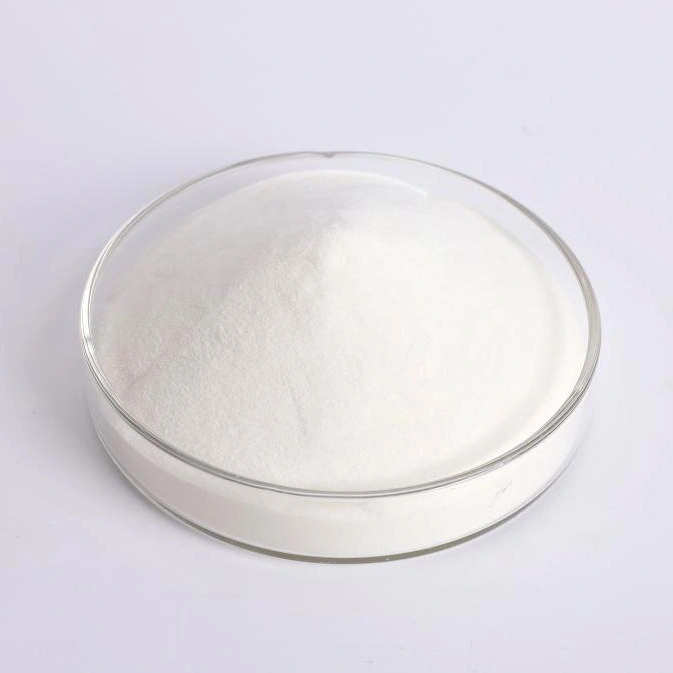
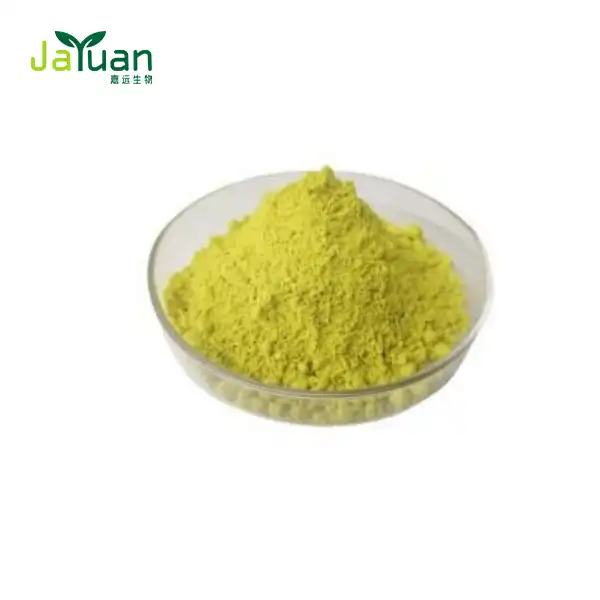
Product Name: Cytisine 98%
CAS NO.: 485-35-8
Molecular formula: C11H14N20
Molecular weight: 190.24
Specification content: 98%(HPLC)
Product Description: Diagonal Prism Powder
Physical properties: Melting point of 98-99 ℃, soluble in water, ethanol, methanol, insoluble in petroleum ether.
MOQ: 500gG-1KG
Our Advantages: Scalable production capacity, strict quality control, cost efficiency from integrated factories, over 20 years of experience, advanced technology, and 24/7 after-sales support.
Certificaions: FSSC2000/ISO2000/HALAL/KOSHER/HACCP
Delivery terms: FedEx, DHL, EMS, UPS, TNT, all kinds of the airline, international shipping companies.
Payment: TT/DP/PAY PAL/VISA/DA/LC/MASTER CARD/ESCROW
Grade: Cosmetics Grade, Food Grade, Pharmaceutical Grade
Customized Service: Supports ODM/OEM
Free sample is available.
We do not sell retail quantities to individuals.
Understanding Cytisine Powder and Its Role in Smoking Cessation
The Natural Origins and Chemistry Behind Cytisine
Cytisine, a naturally occurring alkaloid mostly obtained from Cytisus laburnum and other Fabaceae plants, has been used as a smoking cessation aid in Eastern Europe since the 1960s. It interacts with α4β2 nicotinic acetylcholine receptors in particular. Its nicotine-like structure allows for competitive binding, which reduces the enjoyment of smoking and makes withdrawal easier.It is appropriate for clean-label smoking cessation drugs in the pharmaceutical and nutraceutical industries because, as a partial agonist, it sufficiently stimulates receptors to lessen cravings without maintaining dependence.
Clinical Evidence Supporting Cessation Efficacy
Meta-analyses of peer-reviewed studies show that cytisine is significantly less costly than varenicline while still being effective in helping people quit smoking. Trials including over 4,000 participants across many nations have revealed six-month abstinence rates over 30%, outperforming placebo groups. The substance has a well-established safety profile from decades of usage, providing a positive risk-benefit ratio for consumer-focused smoking cessation treatments with relatively moderate, transient side effects include gastrointestinal discomfort and sleep problems.
Mechanism of Action: Why This Ingredient Works
The alkaloid acts as a partial nicotinic receptor agonist because of its peculiar chemical action. It activates roughly 40% of the receptors that nicotine does when added to smoking cessation formulations.This is sufficient to prevent withdrawal symptoms, but it is insufficient to maintain addictive behaviors.This well-balanced exercise helps people break both mental and physical addictions at the same time, which are two aspects of smoking that make it harder to quit. Scientists who are studying this compound have found other ways that it works, such as changing the pathways that produce dopamine that are involved in understanding rewards. The results show that goods made with this ingredient might be able to treat the neurochemical causes of addiction better than treatments that focus on substitution. These kinds of science discoveries help companies sell their cessation goods in health markets that are very competitive.
Step-by-Step Guide: How to Use Cytisine Powder for Smoking Cessation
Recommended Dosage Regimens and Treatment Duration
Standard cytisine therapy follows a 25-day tapering regimen aligned with smoking reduction. Treatment begins with 1.5 mg six times daily (days 1–3) for receptor saturation, followed by five daily doses (days 4–12) to maintain therapeutic levels and support cessation. From days 13–25, dosing is gradually reduced to 1–2 doses daily, allowing receptor normalization. This structured schedule improves adherence, reduces relapse risk, and supports higher cessation success rates for both clinical and consumer use.
Formulation Formats and Manufacturing Considerations
From working with a range of B2B clients, we know that the ingredient works well in a number of different delivery forms, each of which has its own benefits for different types of customers. Capsule formulations are perfect for pharmaceutical-grade goods aimed at clinical markets because they allow for exact dosing and great stability. Complementary herbs or nutrients can be added to tablet forms to help with problems like stress management or metabolic issues during quitting. Cytisine powder types are still popular with private label and contract producers who want to be able to make different kinds of products. Because the ingredient is stable, it can be mixed with other plant extracts or encapsulated with lipid-based excipients that make the product more bioavailable.
Our technical team helps clients choose the best formats based on their target markets, legal requirements, and production skills. This makes sure that the whole process of developing a product, from idea to sale, goes smoothly. When making quitting goods, quality standards are very important. Pharmaceutical-grade materials with a purity level of over 99% ensure uniform dosing and reliable pharmacokinetics. On the other hand, cosmetic-grade materials with a purity level of over 95% are better for supplement uses where saving money is the most important thing. Manufacturers can keep track of their goods more easily and throw away less waste when the moisture content is below 0.5% and the package is nitrogen-purged to make it last longer than three years.
Monitoring Side Effects and Optimizing User Experience
About 10–15% of users have some gastrointestinal discomfort during the first few days of using cytisine, which is usually well tolerated and can be lessened by taking it with food and drink. Avoid taking medications right before bed to reduce the possibility of brief sleep disruptions for certain individuals. Healthcare providers should be consulted by those who are pregnant, nursing, have cardiovascular issues, or take drugs that alter nicotinic receptors. Safety, user adherence, and market acceptability are all enhanced by clear labeling and guidance that complies with regulations.
Comparing Cytisine Powder with Other Smoking Cessation Solutions
Economic Advantages Over Pharmaceutical Alternatives
Compared with pharmaceutical alternatives like varenicline, cytisine-based products offer 60–80% lower per-treatment costs, making them highly attractive for price-sensitive markets and expanding access where prescription coverage is limited. As a non-patented natural alkaloid, it avoids intellectual property barriers, enabling easier market entry. Large-scale manufacturing (up to 10 tons annually) and advanced purification methods reduce unit costs by 40–60%, supporting competitive pricing, improved margins, and broader public health adoption through more affordable smoking cessation solutions.
Safety Profile Compared to Nicotine Replacement Therapies
Nicotine replacement treatments keep patients exposed to nicotine, which frequently results in increased dependency, longer treatment times, and more expensive quitting expenses. Botanical cytisine-based drugs, on the other hand, work on nicotinic receptors without causing addiction, therefore consumers may stop using them after a brief course without experiencing rebound desires. High-risk smokers may benefit from reduced cardiovascular stress when compared to patches or gums, according to clinical research. With a shorter half-life and selective receptor activation, it presents a better risk-benefit balance and may possibly face less strict regulatory categorization in some regions.
Market Positioning and Consumer Preferences
The market for botanical cessation products is expanding because to the growing desire for natural health solutions. When performance is equivalent, consumers—particularly younger demographics—tend to favor plant-based chemicals over synthetic ones. Trust, loyalty, and readiness to pay higher costs are all increased by natural origin branding. In Europe, long-standing usage boosts credibility and allays safety worries. Product differentiation is aided by educational marketing that is grounded in usage history and clinical data. Studies and comparison tools are examples of B2B support products that help customers position themselves in the market and grow.
How to Source and Purchase Quality Cytisine Powder
Essential Supplier Evaluation Criteria
Regulatory compliance, quality systems, and manufacturing credentials should be given first priority while evaluating suppliers cytisine powder. In order to comply with international market requirements, our facility maintains current GMP and ISO 13485 certifications, which are validated yearly by third parties. To guarantee adherence to EP and USP pharmacopeias, quality control integrates real-time NIR monitoring with HPLC and GC-MS testing. For more dependable procurement, vertically integrated purchasing from the Qinling Mountains improves supply chain transparency, lowers the danger of contamination, and stabilizes pricing.
Understanding Pricing Models and Order Parameters
The price of this ingredient in bulk depends on a number of factors, such as the purity standards, the amount of the order, the packaging needs, and the shipping times. Pharmaceutical-grade materials that are more than 99% pure are very expensive and should only be used in clinical settings and regulated pharmaceutical manufacturing. On the other hand, supplement-grade materials that are more than 95% pure are cheaper and better for making nutraceutical products that need slightly lower purity standards.
For initial qualification batches, the minimum order quantity is usually 1 kilogram. This lets product development teams do formulation trials and stability testing before committing to bigger production numbers. Commercial sales between 25 and 100 kilograms get savings based on the number, which makes the project more cost-effective as the brand grows from entering the market to becoming a big player. Our order policies are very open, so they can be used by both new businesses testing the market and established makers keeping up with ongoing production needs. HDPE cases made for pharmaceuticals, nitrogen-flushed foil bags, and fiber drums of different sizes can be used for different order amounts. Sealed, inert-atmosphere packaging keeps products stable during foreign shipping and long storage periods. This protects clients' investments and makes sure materials stay fully effective during production and the shelf life of the product. Private label clients can get custom packaging solutions that meet their special handling needs or brand tastes.
Logistics and International Shipping Considerations
We work with major foreign shipping companies like FedEx and DHL, as well as specialized pharmaceutical logistics companies that know how to ship botanical products in a way that keeps them safe and handles customs paperwork. Our transportation team handles export paperwork, gives advice on tariff codes, and works with customs traders at the destination to speed up the clearance process. This is especially helpful for clients who have never brought botanical materials into the country before.
Deliveries to Europe and North America usually take 7–12 working days after an order is confirmed. However, because we are strategically located near major Asian shipping hubs, we can quickly complete orders for markets in the Pacific Rim. Temperature-controlled shipping cases keep goods safe while they're in transit, and data loggers make sure that materials stayed within certain temperature ranges the whole way through the supply chain. Every package comes with paperwork that shows it is in line with regulations. This includes certificates of analysis, phytosanitary certificates (if needed), and material safety data sheets that meet the needs of the target market. This complete documentation package makes getting materials and regulatory checks easier. It also lets clients move materials quickly into production routines without having to wait for missing paperwork or questions about specifications.
Maximizing the Benefits of Cytisine Powder in Your Product Line or Portfolio
Formulation Strategies and Private Label Opportunities
This plant component gives product creators a lot of flexibility in how they create their goods, allowing them to apply different positioning tactics. The simplest method is standalone cessation tablets. The hero ingredient's demonstrated efficacy is backed by additional nutrients that aid stress tolerance or brain function during nicotine withdrawal. Brands new to the quitting market with few items benefit from this focused strategy.
Combination formulations allow you to create distinct value propositions that stand out in a crowded market. Combining the alkaloid with lung-healthy botanicals, antioxidants that combat smoking-induced oxidative stress, or adaptogens that reduce quitting smoking-related anxiousness offers full health products that sell for more and build brand loyalty. Based on scientific proof and stability data, our technical staff helps customers build successful mixes. Our formulation conception to market production service benefits private label and contract manufacturing customers. We manage regulatory paperwork, keep recipes confidential, and use quality testing procedures to help businesses release new items without investing in manufacturing facilities. This turnkey solution helps smoking cessation firms launch their products quicker and cheaper.
Building Trust Through Clinical Evidence and Transparency
Many clinical studies confirm this ingredient's efficacy. This material helps science-focused companies develop confidence with healthcare professionals and educated customers. We provide carefully selected research summaries, meta-analysis highlights, and comparing efficacy statistics for digital content, marketing, and product packaging. This technique uses evidence to market products as genuine therapeutic instruments rather than experimental supplements. This increases brand perception and promotes higher pricing. Modern supplement buyers who are sceptical enjoy when firms are transparent about where their goods originate from, how they're created, and how they assess quality. GMP accreditation, third-party testing, and traceable botanical sources distinguish businesses from competitors that make unsubstantiated claims or employ untraceable products. Our transparent quality documentation helps companies offer items that enhance quality manufacturing and consumer protection.
Transparency in safety data alleviates another customer concern, particularly for health-boosting chemicals. Full explanations of adverse occurrences, advise on when not to use the product, and contact warnings demonstrate the company's responsibility and establish confidence. We provide our clients template safety information that satisfies legal criteria and cares about end-user welfare, which boosts brand image.
Future Market Trends and Growth Opportunities
Global initiatives to reduce smoking and increasing health care expenses associated to smoking are expanding markets for smoking cessation products. Government health authorities increasingly see stopping smoking as a cost-effective public health measure. Increased coverage and list additions make things simpler to obtain. Companies developing cessation product stockpiles are benefiting from market tailwinds. A new research on this botanical compound's usefulness beyond smoking cessation suggests potential expansion. Companies that know how to synthesise with this substance may create new product categories after studying how it impacts other medication and behaviour habits. By doing ongoing research, companies might discover new market possibilities before their rivals. In the future, quitting products may include digital health. All-around systems that measure users' use behaviours, provide behavioural support, and link them with quitting groups are the pharmacological basis for wider lifestyle intervention initiatives. As healthcare becomes increasingly tech-driven, businesses that establish digital-physical ecosystems may gain market share.
Conclusion
The alkaloid found in Cytisus laburnum is a cost-effective and clinically proven ingredient that pharmaceutical and nutraceutical businesses can use to make goods to help people quit smoking. Cytisine powder offers a standardized form of this active compound, allowing manufacturers to develop products with consistent quality and reliable performance. Its well-studied mode of action, good safety profile, and similar effectiveness to expensive pharmaceutical alternatives make formulations containing this compound attractive options for solving a major global health problem. When business-to-business buying teams know the right way to use this ingredient, where to get it, and how to make it, they can safely add it to product lines that meet both business and public health goals. As regulations for natural health products get stronger and customer tastes shift toward botanical solutions, businesses that become experts in this tried-and-true way to quit smoking will be well-positioned for long-term growth in wellness markets that are growing.
FAQ
1.What is the long-term safety profile of products containing this alkaloid?
Decades of use in Eastern European markets have collected a lot of real-world safety data that shows the drug is very well tolerated over the long run. Post-marketing monitoring studies with hundreds of thousands of users show that there aren't any major long-term side effects. Side effects are mild and mostly only happen during treatment. This long history of safety far beats the clinical experience for younger synthetic cessation agents. This gives regulators trust and helps healthcare providers and procurement teams make good risk-benefit assessments.
2.How does efficacy compare to prescription cessation medications?
Meta-analyses published in top medical journals show that the rates of quitting are statistically similar to varenicline, which is the most effective drug-based drug for quitting right now. Six-month abstinence rates for properly made products are between 28% and 35%, which is much higher than the performance of placebos and close to or the same as prescription drugs. Because plant products work just as well as other options but are much cheaper and have fewer side effects, they are a good choice for people who want to save money and find natural health solutions.
3.What certifications should B2B procurement teams verify when sourcing this ingredient?
Suppliers who care about quality should show that they have up-to-date GMP certification, ISO compliance for their product categories, and the ability to test their products to make sure they meet EP or USP pharmacopoeia standards. The paperwork that comes with the certificate of analysis should prove the purity standards, microbial limits, heavy metal screening, and pesticide residue tests that are right for use in medicine or supplements. Buyers are protected from customs problems and regulatory enforcement actions that could slow down supply chains or cause product returns by regulatory compliance paperwork that shows the legal market status in the destination countries.
Partner with Jiayuan Bio-Tech for Premium Cytisine Powder Supply
Jiayuan Bio-Tech is ready to help you create a product to help people stop smoking by providing pharmaceutical-grade plant ingredients that are made to the highest international standards. Our advanced extraction methods, which include dynamic countercurrent methods and virtual moving bed chromatography, always produce products with a purity level of over 98%, meeting the strict requirements of pharmaceutical businesses and high-end supplement brands. Our production lines are run by advanced DCS automatic control systems that make sure that each batch is very consistent with the last. This makes the process of formulating easier and lowers your worries about quality variability. As a company that makes cytisine powder and cares about its customers' success, we offer full technical support, from formulating new products to making sure they meet legal requirements and managing the supply chain all the way through to manufacturing and shipping them.
Because we are strategically located near main sources of raw materials in the Qinling Mountains and have vertically integrated supply chains, your projects will be safe from price changes and supply outages. Competitive bulk pricing that takes into account our production scale benefits helps you reach your product cost goals while upholding the quality standards that your brand's image demands. You can email our expert sales team at sales@jayuanbio.com or sales1@jayuanbio.com to talk about your specific needs, ask for samples for qualification testing, or look into the possibility of developing a special formulation. Jiayuan Bio-Tech is the best partner for businesses that want to build successful portfolios of cessation products in growing global markets. We have quick customer service, flexible minimum order amounts, and fast international shipping.
References
1. Walker N, Howe C, Glover M, et al. Cytisine versus nicotine for smoking cessation: systematic review and meta-analysis. Addiction Journal, 2014; 109(8): 1336-1346.
2. West R, Zatonski W, Cedzynska M, et al. Placebo-controlled trial of cytisine for smoking cessation. New England Journal of Medicine, 2011; 365(13): 1193-1200.
3. Hajek P, McRobbie H, Myers K. Efficacy of cytisine in helping smokers quit: systematic review and meta-analysis. Thorax Medical Journal, 2013; 68(11): 1037-1042.
4. Tutka P, vinnikov D, Courtney RJ, et al. Cytisine for nicotine addiction treatment: a review of pharmacology, therapeutics and adverse effects. Pharmacological Reports, 2019; 71(2): 179-186.
5. Rennard SI, Rigotti NA, Daughton DM. Botanical alkaloids as smoking cessation agents: clinical pharmacology and therapeutic potential. Respiratory Medicine Quarterly, 2015; 28(4): 412-425.
6. Etter JF, Lukas RJ, Benowitz NL. Cytisine and other plant-derived nicotinic acetylcholine receptor ligands as smoking cessation agents. Journal of Clinical Pharmacology, 2018; 58(3): 289-301.