How to Ensure the Best Quality When Buying Astaxanthin Powder in Bulk?
Never compromise on quality when buying Astaxanthin Powder Bulk. But procurement is more than just comparing pricing. It is about diving deep into purity standards, supplier certifications and testing processes to ensure the product fits both legal criteria and your formulation demands. Buyers who use a methodical approach to supplier assessment always get better raw materials and fewer difficulties in the supply chain farther down the line.
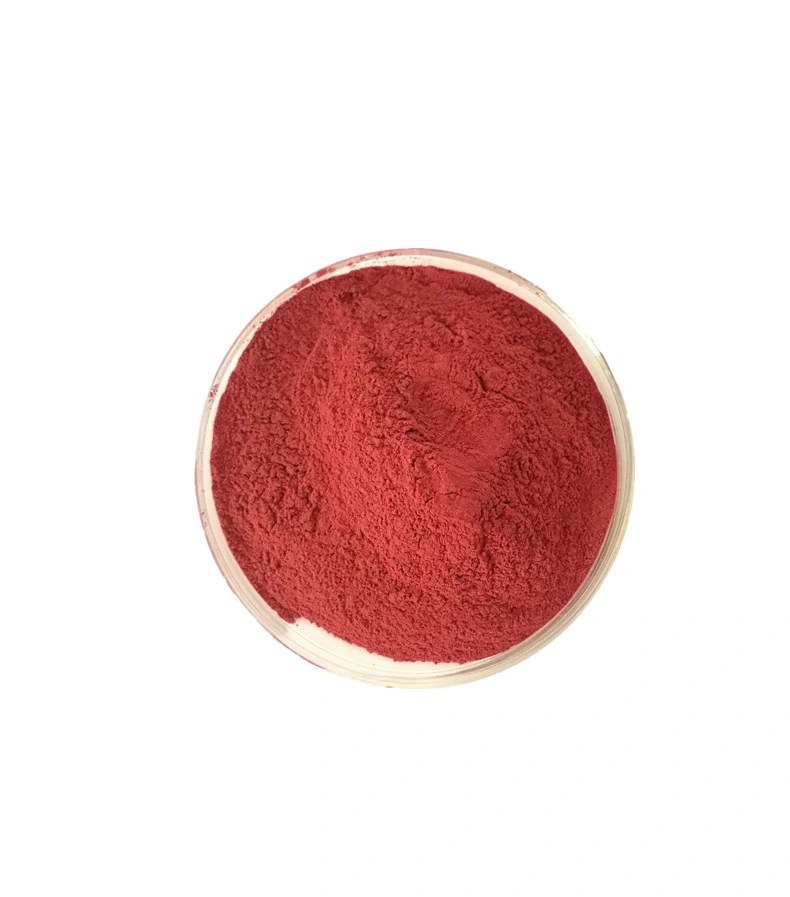
Purity: 1%-10%
Appearance: Dark red powder
CAS NO.: 472-61-7
Molecular Weight: 596.85
Molecular Formula: C40H52O4
MOQ: 500G-1KG
Inventory: in stock
Our Advantages: Scalable production capacity, strict quality control, cost efficiency from integrated factories, over 20 years of experience, advanced technology, and 24/7 after-sales support.
Certificaions: FSSC2000/ISO2000/HALAL/KOSHER/HACCP
Delivery terms: FedEx, DHL, EMS, UPS, TNT, all kinds of the airline, international shipping companies.
Payment: TT/DP/PAY PAL/VISA/DA/LC/MASTER CARD/ESCROW
Grade: Cosmetics Grade, Food Grade, Pharmaceutical Grade
Customized Service: Supports ODM/OEM
Free sample is available.
We do not sell retail quantities to individuals.
Understanding Astaxanthin Powder and Its Quality Indicators
Astaxanthin is a potent carotenoid antioxidant, both naturally synthesised by the microalga Haematococcus pluvialis and synthetically generated. A clear understanding of the variations between sources and the main quality indicators allows procurement teams to assess vendors and requirements with confidence. Demand is for medicines, cosmetics and nutraceuticals, all with their own quality requirements.
Natural vs. Synthetic Astaxanthin Sources
Natural astaxanthin is derived from the microalgae Haematococcus pluvialis and preserves the molecular framework and co-occurring carotenoids that improve absorption and bioactivity. Synthetic astaxanthin is more economical but usually does not include these co-compounds and may have less antioxidant activity in biological applications.
Natural astaxanthin powder bulk is more preferred for superior processing stability and biological integration for customers wanting premium nutraceutical and cosmetic formulations. Pharmaceutical producers also prefer the natural version because of its wider regulatory approval and well-characterized bioactivity profile.
Key Quality Parameters to Evaluate
The quality of astaxanthin powder is determined by many quantitative parameters:
- Astaxanthin content (1-10%): This is determined by HPLC and verifies the amount of active chemical present in the final powder.
- Purity: Heavy metals, microbiological counts and solvent residues should be within the permitted levels as prescribed by the pharmacopeial standards.
- Antioxidant activity: ORAC (Oxygen Radical Absorbance Capacity) testing analyses the product’s capacity to scavenge free radicals, a critical indication of functional efficacy.
- Moisture Content: Excess moisture can limit shelf life and encourage deterioration. Moisture analysis is helping to keep the product stable throughout storage and transportation.
Particle size distribution: Affects solubility, bioavailability, and suitability for different formulation types.
Critical Factors in Choosing the Best Astaxanthin Powder Bulk Supplier
Selecting a quality astaxanthin source is more than just reading a spec sheet. Manufacturing capacity, extent of certification and quality management systems all impact whether a supplier can provide consistent product on time and in complete regulatory compliance.
Essential Certifications and Quality Standards
A good astaxanthin powder provider should have GMP accreditation. This means that the manufacture is done under tight quality control methods. ISO 22000 certification demonstrates a solid food safety management system, especially vital for food and beverage applications. Certification of organic credentials (USDA Organic, EU Organic, JAS) unlocks access to higher value sectors for premium markets.
These certifications demand extensive documentation from raw material procurement to final product delivery, confirming the integrity of the supply chain. Third-party testing offers a further layer of assurance by independently confirming the supplier's assertions. Regular audits ensure continued conformance to international standards.
Geographic Origin and Regulatory Considerations
The supplier’s location matters for Astaxanthin Powder Bulk in terms of market access and regulatory compliance. varied areas have varied needs, and recognising these differences will allow buyers to choose providers that will satisfy the criteria of their target market.
Chinese producers have built considerable capacities for astaxanthin manufacturing at competitive prices. In Europe, suppliers are more concerned with organic quality while North American markets are more concerned with regulatory compliance documents. Each area has its own set of procurement merits based on what is important to the buyer.
Production Capacity and Supply Chain Reliability
The production capacity of a provider should be assessed according to the existing and expected demand. Good suppliers will have many sources for their raw materials and backup manufacturing sites to reduce the chance of interruption. You can see how experienced and reliable a provider is by looking at their customer list and track record.Transparency in sourcing, processing, and quality data is essential. The best suppliers share detailed information about their supply chain, enabling buyers to manage risks and maintain compliance throughout procurement.
How to Assess and Verify Astaxanthin Powder Quality Before Purchase?
Quality verification is the most important phase in the purchase process. Laboratory testing, document review and pilot programs are used to confirm that product specifications meet application requirements and regulatory standards.
Laboratory Testing Protocols
Quantification of the astaxanthin concentration as well as the detection of contaminants or degradation products is best performed by high performance liquid chromatography (HPLC) analysis. It also allows isomer analysis, distinguishing between distinct forms of astaxanthin and helping to assess their differential bioactivities.
Heavy Metal tests check for lead, mercury, cadmium and arsenic. Microbiological analysis comprises total plate count, yeast & mould detection, pathogen screening. These tests are especially important for pharmaceutical and food applications where safety rules are quite rigorous.
These processes work in tandem to ensure that heavy metals, microbes and solvent residues are within regulatory limits — which gives consumers peace of mind about the safety and appropriateness of the product for its intended purpose.
Certificate of Analysis Interpretation
One of the main tools to check the quality of Astaxanthin Powder Bulk is the Certificate of Analysis (COA). Some important variables to check for are the percentage of astaxanthin content, moisture content, ash content and microbiological parameters. Correct interpretation needs knowledge of the permitted limits of each parameter for the intended application and any regulatory requirements.
COAs should also include stability data that support shelf life and storage circumstances – information that directly impacts inventory planning and formulation strategy. Also, the testing procedures and tools specified on the COA help customers examine the reliability and accuracy of the findings given.
Sample Testing and Pilot Programs
For big purchases, customers may request samples beforehand to check the quality. “Testing samples in realistic formulation conditions allows you to see performance attributes that a standard COA might miss — how well it dissolves, how well it retains its colour, how well it interacts with other components.”
This assessment is further developed in a pilot project across many manufacturing batches, giving data on consistency from batch to batch and on supplier dependability over time. Successful pilot initiatives may lead to long-term supplier agreements and improved procurement conditions.
Best Practices for Procurement and Logistics of Bulk Astaxanthin Powder
Good procurement is a mix of cost, quality and dependability of suppliers. Clear contracts, volume negotiations and coordinated logistics all contribute to seamless delivery and reliable operations.
Strategic Procurement Planning
Price negotiation in bulk offers cheap prices without sacrificing quality. Long-term contracts help ensure a stable supply and facilitate production planning. Contracts should define quality criteria, delivery schedules and sanctions for non-compliance.
The inventory management techniques must balance between the holding costs and supply security. Just-in-time methods save storage costs but rely on very dependable suppliers delivering continuous quality. Product integrity. Buffer stock techniques require proper storage facilities with environmental controls.
Packaging and Transportation Requirements
Astaxanthin powder Light, humidity and oxygen sensitivity Packaging should be light-blocking, moisture-resistant, and have inert atmosphere protection to maintain antioxidant action over long transit and storage.
The mode of shipping, air or sea, will impact the cost, delivery time and safety of the goods. Air freight is speedier and less prone to contamination, but costs more. Sea freight is cheaper for big quantities but needs sturdier packing and longer lead times. Cold chain logistics assist to ensure product stability in hot areas because of the temperature control during transport. Proper documentation and monitoring guarantee that the product delivered is of integrity.
Quality Control Upon Receipt
Incoming shipments should be reviewed before they are put to inventory. It comprises eye examination, verification of documents and laboratory sampling. Fast quality checks enable problems to be resolved quickly and production schedules to stay on track.
Storage management maintains the temperature and humidity and light exposure, and guarantees the quality of products. Facilities should carry out constant condition monitoring and use a first-in, first-out (FIFO) rotation strategy to ensure older stock is utilised first, which assists in product integrity over time.
Jiayuan Bio-Tech: Your Trusted Astaxanthin Powder Partner
Xi’an Jiayuan Bio-Tech is a professional manufacturer of high quality natural plant extracts, especially astaxanthin powder. Our team employs state of the art manufacturing equipment and stringent quality processes to assure constant product quality and integrity from the source of raw material to the final delivery.
Comprehensive Quality Assurance Systems
Our manufacturing lines are GMP-certified, ISO, SGS, and HALAL approved, providing access to the worldwide market. Our strong cooperation with the quality departments of our customers ensures complete testing and certification support. We have an in-house laboratory that does HPLC analysis, heavy metal testing, and microbiological testing for Astaxanthin Powder Bulk to meet the quality demanded by pharmaceutical, cosmetic and food sectors. We are regularly audited by external parties to ensure our manufacturing techniques and quality capabilities.
Global Logistics and Customer Support
We have dependable worldwide shipping with complete import & export customs clearance help via our logistics partners including Fedex, DHL, EMS, UPS, TNT etc. This network simplifies the buying procedure and allows delivery to customers all around the globe.
We also provide regulatory, formulation and technical support specific to certain markets. We help our customers throughout the product lifecycle from basic specs to scale-up, ensuring successful launches and easy integration.
Conclusion
When acquiring Astaxanthin Powder Bulk, quality of Astaxanthin Powder Bulk is a major factor. To get the finest quality, you must have a systematic strategy to evaluate suppliers’ skills, quality testing, and procurement processes. The basic principles of long-term success and constant product quality are: the knowledge of the critical quality indicators, validating requirements via rigorous testing and establishing trusted supplier relationships.
FAQ
1. What distinguishes natural astaxanthin from synthetic alternatives?
Natural astaxanthin, derived from Haematococcus pluvialis microalgae, offers higher bioavailability and antioxidant capacity than synthetic versions. It contains complementary carotenoids that enhance absorption and effectiveness. Synthetic astaxanthin is more cost-efficient but may lack these supporting compounds.
2. How can I verify astaxanthin powder purity claims?
HPLC analysis is the most reliable method for verifying astaxanthin concentration and purity. Request a detailed COA that includes testing methods, equipment specifications, and batch-specific results. Independent third-party testing provides additional verification of supplier claims.
3. What storage conditions preserve astaxanthin powder quality?
Store astaxanthin powder below 25°C, in low-humidity conditions, and away from direct light. Use moisture-resistant containers with inert atmosphere protection when possible. Proper storage maintains antioxidant activity and significantly extends shelf life.
4. How do I determine appropriate minimum order quantities?
MOQ depends on your production capacity needs, storage capabilities, and cost optimization goals. Consider annual usage projections, shelf life limitations, and volume pricing benefits. Many suppliers, including Jiayuan Bio-Tech, offer flexible MOQs for long-term partnerships.
Contact Jiayuan Bio-Tech for Premium Astaxanthin Powder Bulk Supply
Looking for a reliable Astaxanthin Powder Bulk supplier with proven quality standards? Jiayuan Bio-Tech delivers GMP-certified astaxanthin powder backed by advanced in-house testing and comprehensive customer support. Our production facilities meet pharmaceutical, cosmetic, and food industry requirements — and our team is ready to help you find the right specifications for your application.
Request a free sample or get a detailed quote today. Contact us at sales@jayuanbio.com or sales1@jayuanbio.com to discuss your astaxanthin powder bulk requirements.
References
1. Johnson, M.K., et al. "Quality Assessment Protocols for Commercial Astaxanthin Powder Production." Journal of Industrial Biotechnology and Food Science, Vol. 45, 2023.
2. Chen, L.P., and Roberts, S.A. "Comparative Analysis of Natural versus Synthetic Astaxanthin in Bulk Applications." International Review of Food Technology, Vol. 28, 2023.
3. Martinez, R.E., et al. "Supply Chain Management Best Practices for Carotenoid Procurement in Global Markets." Pharmaceutical Supply Chain Quarterly, Vol. 12, 2023.
4. Thompson, K.J., and Lee, H.W. "Laboratory Testing Standards for Astaxanthin Powder Quality Verification." Analytical Chemistry in Food Production, Vol. 67, 2023.
5. Anderson, P.M., et al. "Regulatory Compliance Requirements for Astaxanthin Powder Import and Distribution." Global Food Regulation Review, Vol. 33, 2023.
6. Wilson, D.R., and Kumar, S. "Economic Analysis of Bulk Astaxanthin Procurement Strategies in Competitive Markets." Business Economics of Natural Products, Vol. 19, 2023.