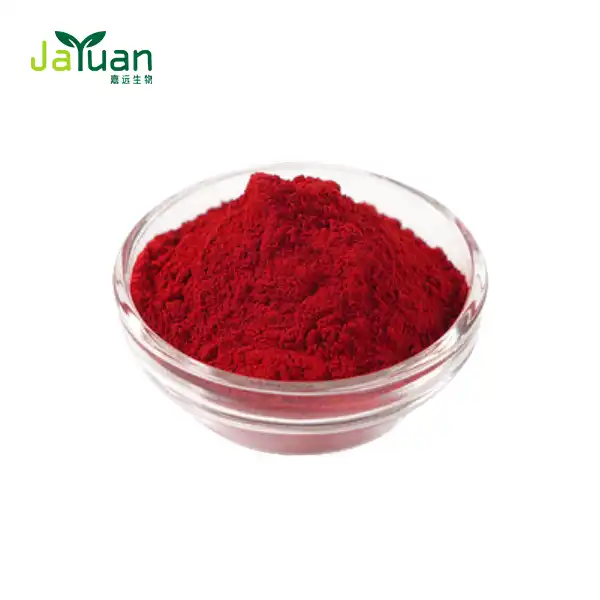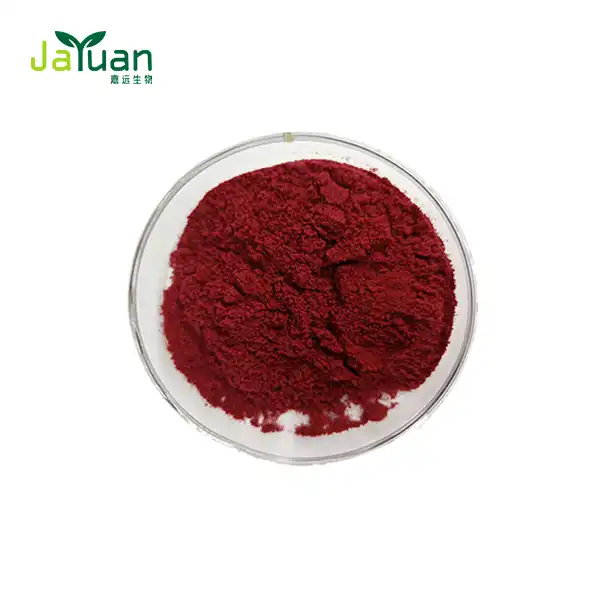

How to choose the best astaxanthin powder for skin health?
When looking for high-quality ingredients for skin care products, picking the right Astaxanthin Powder requires a thorough check of its purity, authenticity, and supplier dependability. This strong keto-carotenoid, which is mostly taken from Haematococcus pluvialis microalgae, has amazing antioxidant qualities that help keep skin hydrated, flexible, and protected from external stressors. Choosing high-quality Astaxanthin Powder will make sure that your finished goods work consistently and meet government regulations for study, cosmetics, drugs, and supplements.
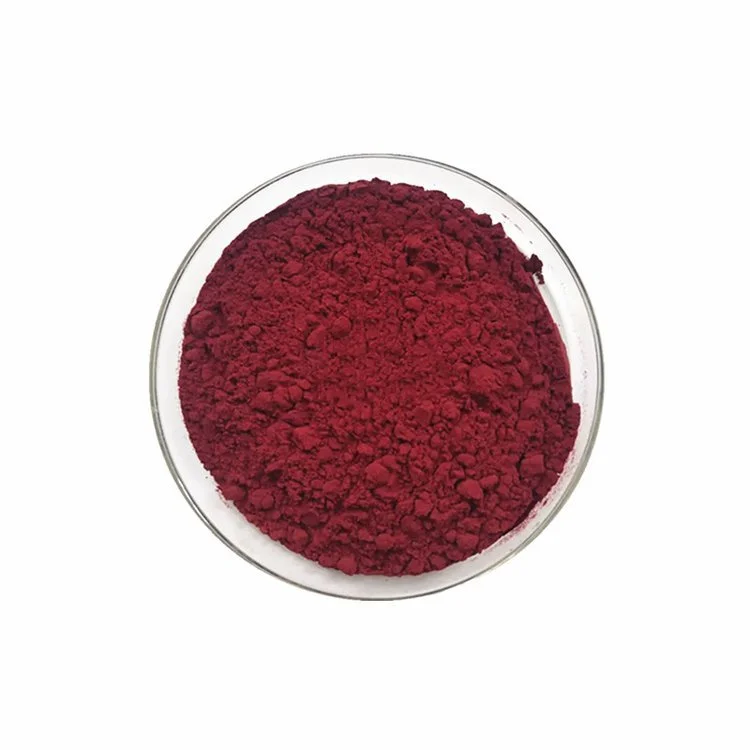
Understanding Astaxanthin Powder and Its Benefits for Skin Health
What Makes Astaxanthin Powder Unique
Haematococcus pluvialis microalgae naturally produce Astaxanthin Powder, a solid form of lipid-soluble keto-carotenoid (3,3'-dihydroxy-²,²-carotene-4,4'-dione). Manufacturers use supercritical CO2 extraction and microencapsulation or spray-drying to turn unstable oleoresin into a powder matrix. Oxidation instability and bioavailability are the main issues this conversion addresses.
Hydrophilic carriers such cyclodextrin, gum arabic, or modified starch wrap lipophilic Astaxanthin Powder oil during microencapsulation. This combination improves surface area and water dispersibility, notably in beverage-grade Cold Water Dispersible (CWD) forms. Astaxanthin Powder crosses cell membranes better than other carotenoids due to its unique chemical structure.
Biological Mechanisms Supporting Skin Rejuvenation
In some tests, Astaxanthin Powder's antioxidant power is 10 times higher than that of beta-carotene and 100 times higher than that of vitamin E. This great ability to get rid of free radicals saves skin cells from reactive oxygen species that are made by UV light, smog, and body processes. By changing inflammatory mediators, the compound's anti-inflammatory properties help the skin barrier work even better.
Clinical studies demonstrate that Astaxanthin Powder may increase skin moisture, reduce wrinkle depth, and make all skin types more flexible. Protecting skin fibroblasts from oxidative injury maintains collagen and elastin synthesis. UV defence immediately absorbs harmful wavelengths and stops melanin synthesis. This prevents discolouration and photodamage.
Application Versatility Across Formulation Types
Procurement personnel like Astaxanthin Powder since it may perform well in many conditions. It protects hard-shell pills and tablet premixes used in nutraceuticals to benefit skin, cardiovascular, and eye health. Functional food and drink firms use CWD powder to beauty-from-within beverages and meal replacements. The powder survives numerous pasteurisations.
Astaxanthin Powder absorbs UV radiation and prevents melanin formation, making anti-aging products resistant to oxidative stress. These are luxury topical powders and masks. Thus, excellent Astaxanthin Powder is essential for organisations seeking to differentiate their goods.
Key Criteria for Choosing the Best Astaxanthin Powder for Skin Health
Source Authentication and Isomer Verification
Professional procurement must examine quality characteristics to distinguish high-potency natural sources from manufactured adulterants. Isomer analysis using chiral HPLC is the most crucial authentication step. Natural Haematococcus pluvialis Astaxanthin Powder is predominantly the 3S, 3'S visual isomer, which is more physiologically active than produced.
Synthetic Astaxanthin Powder contains a 1:2:1 ratio of (3S, 3'S), (3R, 3'S), and (3R, 3'R) isomers due to petroleum-based production. Some natural isomers are 20 times more potent antioxidants, according to research. Professional stereochemistry lab studies provide confirmation of origin, protecting your supply chain from bogus ingredients that lower product performance.
Ask suppliers for source certification and isomer composition evidence. Organic Astaxanthin Powder from algae is safer and more in line with what customers expect in natural ingredients, particularly in cosmetics and nutraceuticals where clear labelling are important.
Analytical Method Requirements
The way the assay is done has a big effect on the reported potency values. Buyers must ask for HPLC (High-Performance Liquid Chromatography) tests instead of UV spectroscopy ones. By measuring total carotenoids instead of specific Astaxanthin Powder content, UV analysis often gives falsely high results. This can cause mistakes in the recipe and inconsistent batch performance.
HPLC technique accurately measures active Astaxanthin Powder and its breakdown products by separating carotenoids from complicated combinations. This precision helps formulators determine the dosages required to obtain skin health benefits. Request CoAs with HPLC technique data, including retention duration and peak purity.
Analytical rigour includes testing for stability under accelerated settings in addition to checking for effectiveness. Good suppliers give you information about how much Astaxanthin Powder stays in the product after being exposed to changes in temperature, light, and humidity. This helps you guess how long your finished products will last in the real world.
Contaminant Screening and Safety Verification
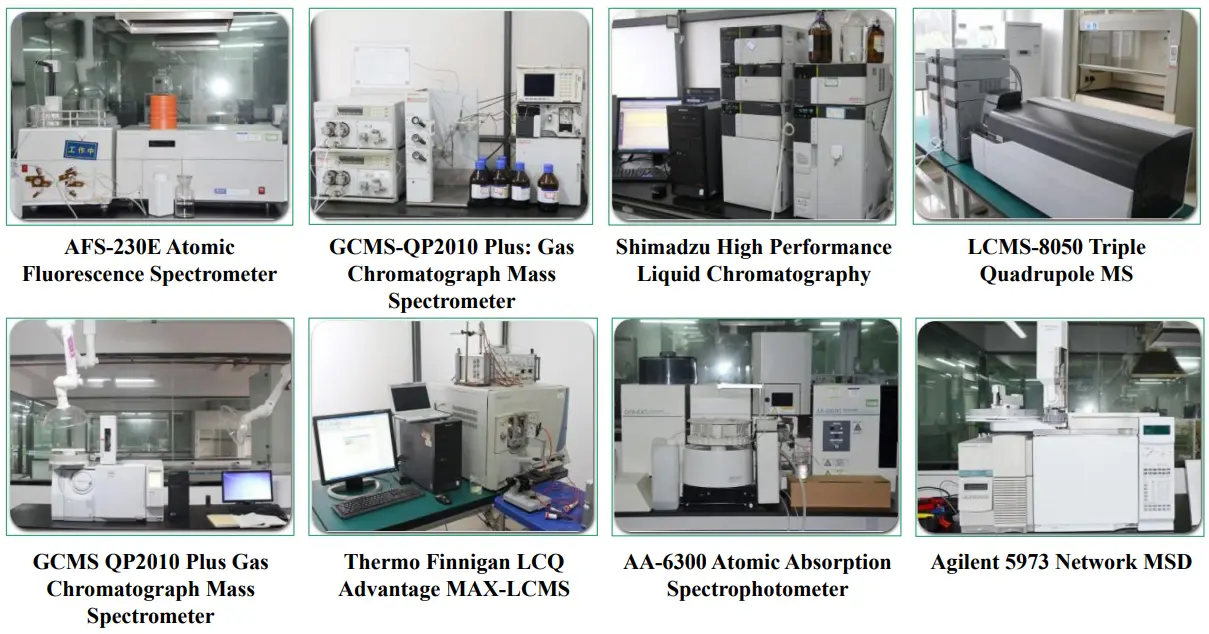
Safety profiles need complete contaminant screening. Heavy metal testing is required, with Lead < 3ppm, Arsenic < 1ppm, Mercury < 0.1ppm, and Cadmium < 1ppm as normal. Growing algae in open ponds may pollute the environment, so have a third party inspect it.
PAH testing, notably for Benzo(a)pyrene, checks for ambient or processing equipment contamination. Microbiological control analyses the Total Plate Count, Yeast, and Mould counts for pathogens such E. Salmonella, E. coli, and Staphylococcus aureus. For ready-to-drink CWD powders, these aspects are crucial.
Residual solvent analysis ensures that the material was solvent-free when extracted with CO2 or that ethanol or acetone levels were acceptable when extracted otherwise. Jiayuan Bio-Tech examines its Astaxanthin Powder for heavy metals, microorganisms, solvent residues, and foreign nucleic acid residues. This ensures food, medication, and cosmetic safety.
Purity and Extraction Quality Indicators
Advanced quality evaluation checks extraction cleanliness with filter paper residue testing. This test detects contaminants, processing residues, and inadequate extractions that impair antioxidant capacity. Our comparative test demonstrates that premium Astaxanthin Powder leaves less residue than other products, making it purer and better at combating free radicals.
Higher extraction purity is directly linked to better solubility and product stability. Astaxanthin Powder can break down during storage and processing because of impurities that can speed up oxidation processes. The compound's delicate molecular structure is kept safe by clean extraction methods. This keeps the product's deep red colour and antioxidant power throughout its lifecycle.
Multiple tests have shown that high-quality Astaxanthin Powder is safe and does not cause any harm. Toxicology studies, such as acute oral toxicity, sub-chronic exposure estimates, and genotoxicity screens, are used by pharmaceutical and cosmetic companies to support their regulatory filings and record the safety of their ingredients.
Comparing Astaxanthin Powder Options for Skin Health: Key Market Solutions
Natural Versus Synthetic Astaxanthin Evaluation
The key differences between natural and synthetic Astaxanthin Powder are how well it works, how people feel about it, and how it impacts the environment. Haematococcus pluvialis microalgae Astaxanthin Powder possesses the medically required 3S, 3'S isomer configuration, making it a stronger antioxidant and biological system integrator.
Petrochemically synthesised racemic mixtures are less physiologically active. Consumer research consistently demonstrates that customers seek natural ingredient labelling. Labels matter when buying high-end skincare and wellness products. Environmental impact studies prefer closed-system microalgae culture over chemical synthesis. B2B customers are increasingly interested in sustainability pledges.
Cheaper synthetic supplies were formerly more common, but new growth technologies and improved ways to employ huge quantities of material have narrowed the gap. Natural Astaxanthin Powder's enhanced potency generally results in the same or superior cost-per-dose economics and premium product marketing.
Formulation Form Comparison
Astaxanthin Powder's physical structure greatly impacts product manufacturing and performance. Soft gel tablets and oil-based cosmetics function well with oil-suspension forms since lipids breakdown naturally. These combinations usually include 5–10% Astaxanthin Powder, vegetable oils, and antioxidants to prevent breakdown.
Microencapsulated beadlet powders simplify pill compression, hard capsule filling, and dry powder mixing. The protective matrix protects Astaxanthin Powder from oxidative damage during processing and storage. Because of this, protected oils last longer. Flow and compressibility should match your tools.
Cold Water Dispersible (CWD) powders are water-soluble mixtures for beverages and cosmetics. Emulsifiers and hydrophilic carriers create stable water-based dispersions in these combinations. Astaxanthin Powder remains intact when pH and temperature fluctuate during beverage manufacturing. You may avoid costly reformulations by evaluating stability data under your operating circumstances.
Supplier Selection Criteria
Finding trustworthy Astaxanthin Powder suppliers requires more than just looking at price and availability. How well your providers can support your growth and adapt to changes in demand depends on their manufacturing ability and the resilience of their supply chains. Site audits or audit reports from a third party make sure that the quality systems are being used and that the facility is in good shape.
Transactional suppliers and strategic partners provide varied technical assistance. Suppliers that provide formulation assistance, stability testing, and regulatory documents are crucial during product development. Answering enquiries regarding quality and batches displays customer service, which builds long-term partnerships.
Batch tracking systems that connect finished powder to batches of algae used to grow it allow for quick correction of quality problems and meet regulatory needs in food and drug uses. After-sales support, such as processes for handling complaints and corrective action routines, shows that the provider is mature and dedicated to the success of the customer.
Practical Considerations When Procuring Astaxanthin Powder for Skin Health Products
Pricing Dynamics and Cost Optimization
Astaxanthin Powder prices depend on more than supply and demand. Pharmaceutical-grade material costs extra per kilogram due to its purity. Certification costs more. Organic, non-GMO, and religious certifications increase prices.
Goods origin influences pricing and supply stability. Vertically integrated algae and powder providers may give better costs than brokers who purchase from several sources. Geographic variety decreases regional supply issues but complicates purchasing, so manage your seller portfolio wisely.
When purchasing in bulk, you may receive cheaper rates, but purchasers must consider the potential of reductions against inventory expenses and product stability. Negotiating open MOQ conditions enables you test the market and create your products without spending much. Strategic purchasers set pricing in a framework but may adjust orders depending on market circumstances.
Packaging and Storage Requirements
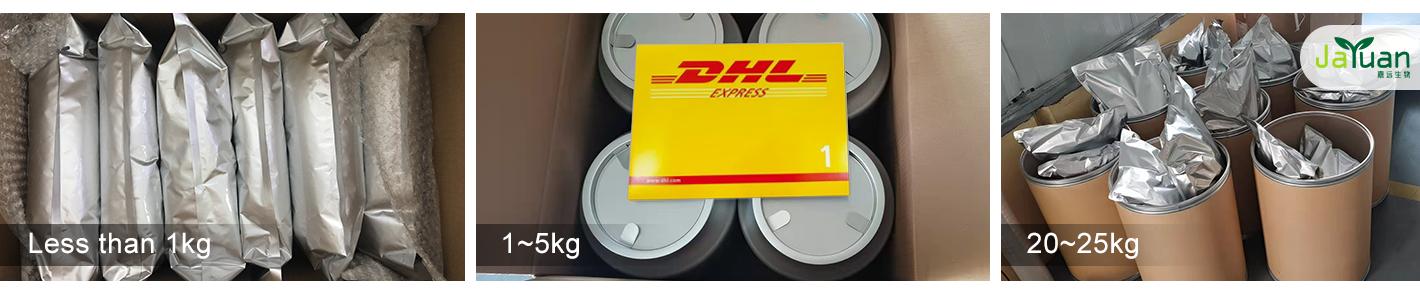
Astaxanthin Powder must be properly packaged and kept throughout the supply chain to maintain its antioxidant effect. Triple-layer aluminium foil bags flushed with nitrogen are excellent for protecting against air, light, and dampness, which break things down. Transporting items in fibre drums or cardboard boxes prevents harm.
Ideal storage conditions for Astaxanthin Powder are cold (below 25°C), dry, and out of direct sunlight. Refrigerating unsealed packages (2–8°C) stabilises them or helps manage inventories. Water increases oxidation and promotes bacteria development in powder materials, therefore humidity control is crucial.
Specific storage conditions and stable data should support shelf life claims. Good suppliers include shipping and storage temperature guidelines. Knowing these elements aids warehouse management and prevents things from breaking down too rapidly, which might compromise product performance.
Regulatory Compliance Strategies
Getting around regional legal systems is an important thing to think about when buying things, especially for companies that sell in more than one market. Astaxanthin Powder is considered a novel food in the EU when it comes from certain sources, which means it needs a lot of safety paperwork and approval processes. Knowing these rules keeps you from having to wait to enter the market and from breaking the rules.
US FDA laws distinguish between DSHEA-covered dietary supplements and food additives that require GRAS affirmation or petitions. Labelling and safety criteria for cosmetics vary per regulatory system. Suppliers that understand these distinctions will provide documentation for your intended application.
Full technical dossiers with details about the manufacturing process, safety studies, and stability data help with regulatory applications and customer checks. Jiayuan Bio-Tech keeps a lot of regulatory paperwork for our Astaxanthin Powder. This makes it easy to get into the North American, European, and Asian markets and makes sure that we meet changing regulatory standards.
Case Studies: Successful Application of Astaxanthin Powder in Skin Health Products
Skincare Manufacturer Enhancement Initiative
A medium-sized cosmetics company that specialised in anti-aging formulas got complaints from customers that their products didn't work the same way from batch to batch. An investigation showed that their Astaxanthin Powder supplier gave them material that was not always pure and lost some of its effectiveness over time. The company that makes the product worked with a supplier that cares about quality and has certified organic Astaxanthin Powder that has been shown to be stable.
As part of the change, the formulation was tested again to see how well the improved material worked with the body. Within three product cycles, customer satisfaction scores went up by 23%, and stability testing showed that the product stayed effective for 24 months. The premium placement allowed prices to go up, which balanced out the higher cost of the ingredients, and fewer customer complaints cut down on the cost of quality control.
This case shows how smart choices about where to get ingredients affect not only the quality of the ingredients but also how well the business does overall. The company that made the product saw better brand reputation and customer loyalty as a result of spending money on supplier qualification and reformulation testing. This proved that the total cost approach to making procurement decisions is valid.
Distributor Portfolio Expansion Success
A company that sells nutraceutical ingredients to supplement makers in North America saw Astaxanthin Powder as a high-growth market, but they didn't have any direct ties with trusted providers. The distributor set relationship standards that focused on following rules, providing technical help, and being open about the supply chain.
The distributor chose a partner that offered complete documentation, competitive bulk pricing, and warehousing support that cut down on lead times after evaluating several suppliers. Working together made it possible to quickly respond to customer questions with technical information and samples, which cut down on sales cycles by a large amount. Within 18 months, Astaxanthin Powder goods brought in 12% of the portfolio's income and had a higher margin share.
The distributor was successful because they knew that the skills of the supplier have a direct effect on how well they serve customers. With technical help from the upstream provider, the wholesaler was able to give formulation advice to their manufacturer customers. This set their value offering apart from price competition and helped them build advisory relationships that led to return business.
Conclusion
For skin health purposes, choosing the best Astaxanthin Powder requires a thorough analysis of many factors. Source verification through isomer analysis makes sure that the material comes from Haematococcus pluvialis and not a synthetic one. Analytical methods that focus on HPLC testing give accurate strength checks without the inflated results that often happen with UV spectroscopy.
Your supply chain and end users are safe because of full safety screening that checks for heavy metals, PAH chemicals, microbiological contamination, and leftover solvents. Using real tests like filter paper residue analysis to check for extraction purity shows quality levels above and beyond what is written on standard sheets. Bioavailability optimisation by choosing the right form factor (beadlets, oils, or CWD powders) matches the properties of the ingredients with the ways they are made and the uses they are meant for.
Verification of certificates, such as ISO, GMP, organic, and religious certifications, shows that a company is dedicated to quality systems and making it easier for customers to get their products. Regulatory compliance support is important for producers who sell their products in different regions with different rules. When you look at a supplier's technical support, batch traceability, and after-sales service along with price, you can find key partners who will help your business grow in the long run.
Total cost of ownership and product stability are directly affected by practical procurement factors such as changes in prices, the need for packaging, and storage guidelines. Case studies that show how to successfully switch suppliers and form partnerships can help you make decisions about buying. Long-term value creation through quality assurance, risk reduction, and better product performance is more important than minimising transactional costs in this strategy approach.
FAQ
1. What dosage of astaxanthin powder should be used in skin health formulations?
Use and desired outcomes determine dosage. Astaxanthin Powder is found in nutraceuticals at 4–12 mg per day. However, topical cosmetics employ 0.01-0.1% concentrations, depending on formulation. Clinical trials on skin health often use 6–12 mg of a drug given orally daily for 6–12 weeks. Bioavailability discrepancies between powder forms should be considered when formulating dosages. Compared to crude oleoresins, microencapsulated forms absorb better.
2. How does natural astaxanthin compare with synthetic sources for skin applications?
Astaxanthin Powder that comes from microalgae is over 20 times more powerful as an antioxidant than synthetic versions of it in some tests. The 3S, 3'S isomer that is most common in natural sources has better cellular function and membrane integration. Natural ingredient labels are very popular with customers, especially on high-end skin care and health goods. Safety profiles favour natural sources that have been used for a long time, while synthetic versions are closely watched by regulators in some markets.
3. What ingredient combinations enhance astaxanthin's skin health benefits?
Astaxanthin Powder and tocopherols (vitamin E) synergistically support the body's antioxidant systems, hyaluronic acid keeps water in, and vitamin C boosts collagen production and protects structure proteins. By absorption with lipids, omega-3s make Astaxanthin Powder more bioavailable. Along with Astaxanthin Powder's UV protection, green tea antioxidants provide sun protection. Formulation testing should ensure that the ingredient mix is stable and compatible throughout processing and storage.
Partner With Jiayuan Bio-Tech for Premium Astaxanthin Powder Supply
Jiayuan Bio-Tech offers high-quality natural Astaxanthin Powder that is made for demanding skin health uses in the nutrition, beauty, and pharmaceutical industries. Our fully integrated supply chain guarantees stable material quality, and our low bulk prices help you reach your cost-cutting goals. As a company with a lot of experience making Astaxanthin Powder, we use GMP-approved production facilities that use advanced microencapsulation technologies and supercritical CO2 extraction.
As part of our quality control procedures, we test everything to make sure that the levels of heavy metals, microorganisms, solvent residues, and nucleic acid contaminants stay within strict compliance limits. Comparative filter paper residue testing shows that our product is more pure and free of impurities, which means it has more antioxidant power and can get rid of free radicals more effectively. The non-toxic profile is good for sensitive applications after a lot of safety testing using repeated experimental protocols.
We offer full regulatory support for North American, European, and Asian markets, including CoA documentation, stability data, and help with market-specific compliance. Our expert team can help you with formulation, provide samples, and make sure that the specs you receive are exactly what you need. International logistics partnerships with FedEx, DHL, UPS, and specialised freight services make sure that deliveries are made on time, and help with customs clearance makes buying things easier.
Find out how our dedication to quality, openness, and customer satisfaction can help your skin care product line. To get technical data sheets, set up a sample evaluation, or talk about bulk pricing for your specific application needs, please email our procurement specialists at sales@jayuanbio.com or sales1@jayuanbio.com.
References
1. Davinelli S, Nielsen ME, Scapagnini G. Astaxanthin in Skin Health, Repair, and Disease: A Comprehensive Review. Nutrients. 2018;10(4):522.
2. Tominaga K, Hongo N, Karato M, Yamashita E. Cosmetic benefits of astaxanthin on humans subjects. Acta Biochimica Polonica. 2012;59(1):43-47.
3. Barbosa M, Morais HA, Delvivo FM, Mansur E, Oliveira MC. Phaffia rhodozyma: astaxanthin production and biological activity. Brazilian Journal of Microbiology. 2005;36(2):115-120.
4. Camera E, Mastrofrancesco A, Fabbri C, Daubrawa F, Picardo M. Astaxanthin, canthaxanthin and beta-carotene differently affect UVA-induced oxidative damage and expression of oxidative stress-responsive enzymes. Experimental Dermatology. 2009;18(3):222-231.
5. Kidd P. Astaxanthin, cell membrane nutrient with diverse clinical benefits and anti-aging potential. Alternative Medicine Review. 2011;16(4):355-364.
6. Yuan JP, Peng J, Yin K, Wang JH. Potential health-promoting effects of astaxanthin: a high-value carotenoid primarily from microalgae. Molecular Nutrition & Food Research. 2011;55(1):150-165.