
How does melatonin's efficacy vary among different age groups?
Melatonin efficacy demonstrates significant variation across different age groups, primarily due to natural changes in endogenous hormone production and physiological responsiveness. Children typically exhibit heightened sensitivity to melatonin supplementation, while adults show moderate response rates, and elderly individuals often require adjusted dosages to achieve optimal circadian rhythm regulation. Understanding these age-related differences proves essential for B2B clients developing targeted supplement formulations that address specific demographic needs and ensure appropriate efficacy across diverse consumer populations.

CAS No.: 73-31-4
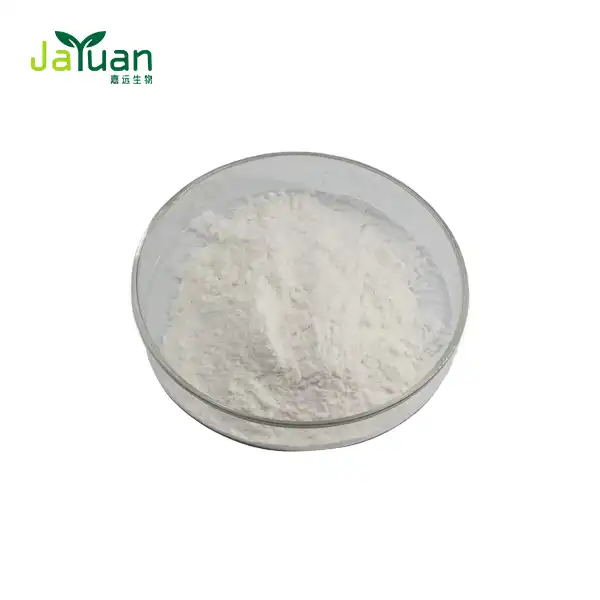
Appearance: White to off-white powder
Ref standard: USP43
Assay: 99.7%(HPLC)
Molecular formula: C13H16N2O2
Molecular weight: 232.28
MOQ: 1KG
Stock:in stock
Our Advantages: Scalable production capacity, strict quality control, cost efficiency from integrated factories, over 20 years of experience, advanced technology, and 24/7 after-sales support.
Certificaions: FSSC2000/ISO2000/HALAL/KOSHER/HACCP
Delivery terms: FedEx, DHL, EMS, UPS, TNT, all kinds of the airline, international shipping companies.
Payment: TT/DP/PAY PAL/VISA/DA/LC/MASTER CARD/ESCROW
Grade: Pharmaceutical Grade
Customized Service: Supports ODM/OEM
Free sample is available.
We do not sell retail quantities to individuals.
Understanding Melatonin and Its Role in Human Health
Melatonin is a key controller of circadian rhythms, controlling sleep-wake cycles and different physiological forms in the body. Created primarily by the pineal organ, this hormone reacts to light and dim signals, planning inside organic clocks that influence body temperature, hormone discharge, and more.
The Biological Mechanism of Sleep Regulation
Melatonin generation starts around two hours before someone's recent normal sleep time, cresting amid the night. The hormone ties to receptors in the brain, especially the suprachiasmatic core, which directs the body’s circadian beat. This triggers physiological changes like brought-down body temperature, decreased readiness, and expanded languor, preparing the body for rest.
Modern melatonin supplements presently address different well-being concerns past rest. For illustration, they offer assistance to relieve fly slack by resetting circadian rhythms after fast time zone shifts. Move specialists, moreover, utilize melatonin to keep up reliable rest designs in spite of sporadic plans that disturb characteristic light exposure.
Natural versus Synthetic Sources in Commercial Applications
The qualification between plant-derived and manufactured melatonin has noteworthy suggestions for B2B acquirement. While common sources offer showcase focal points for brands centered on natural or plant-based situations, their commercial reasonability is constrained. Manufactured strategies, on the other hand, give more noteworthy versatility, consistency, and cost-effectiveness for large-scale production.
Quality is key when assessing melatonin sources for commercial utilization. Engineered melatonin, created under controlled conditions, frequently accomplishes higher virtue and more steady strength compared to normal extracts. This consistency is basic for pharmaceutical and supplement producers requiring standardized fixed concentrations over generation batches.
Age-Related Variations in Melatonin Production and Supplement Response
Natural melatonin generation takes after unsurprising designs all through life, making changing supplementation needs over age bunches. Understanding these changes makes a difference. B2B clients create age-appropriate details that optimize adequacy while guaranteeing safety.
Pediatric Populations and Hormonal Development
Children create higher pattern levels of melatonin than grown-ups, with crest generation amid early childhood. This normal generation requires much lower measurements for helpful impacts, with investigations showing that children react to dosages of 0.5 to 3 milligrams, distantly lower than grown-up recommendations.
Safety concerns for pediatric utilization center around the effect on creating hormones. Long-term considerations appear to have negligible unfavorable impacts with legitimate utilization, but supervision by healthcare suppliers is significant for amplified utilization. Producers ought to offer specialized designs, like fluids or flavored chewables, to progress compliance and guarantee exact dosing.
Timing is significant for children, as inappropriate dosing plans can decline rest issues. Investigating appears ideal when melatonin is managed 30-60 minutes sometime recently before sleep time, permitting satisfactory time for retention and circadian framework regulation.
Adult Demographics and Sleep Pattern Optimization
Working-age grown-ups regularly require 1-5 milligrams of melatonin to accomplish rest enhancements. This bunch faces challenges such as work-related push, unpredictable plans, and way-of-life components that disturb characteristic melatonin generation. Supplement viability in grown-ups is closely tied to reliable utilization and appropriate timing concurring with rest patterns.
Melatonin is especially compelling for mobile laborers, visiting travelers, and those overseeing rest clusters. Clinical proof appears to show it makes a difference in decreasing rest onset time and moving forward rest quality for grown-ups with circadian beat disturbances. These applications display noteworthy advertising openings for B2B providers centered on working environment wellness and travel wellbeing solutions.
Elderly Populations and Age-Related Hormonal Decline
As individuals age, characteristic melatonin generation decays essentially, with elderly people creating 50-80% less compared to more youthful grown-ups. This decrease increments the requirement for supplementation to keep up solid rest designs, but age-related metabolic changes also influence supplement retention and effectiveness.
Older grown-ups frequently require adjusted dosing techniques to account for slower digestion systems and potential interactions with other medicines. Extended-release formulations are especially successful, giving steady hormone levels all through the night and lessening early-morning awakenings.
Safety contemplations incorporate potential interactions with blood thinners, diabetes medicines, and blood weight medicines. B2B clients creating items for this statistic ought to prioritize careful security testing and clear labeling of conceivable sedate intelligence.
Optimizing Melatonin Use for B2B Clients: Procurement and Application Insights
A thorough grasp of the market dynamics, legal regulations, and quality standards that affect the sourcing and usage of melatonin is necessary for making strategic procurement decisions. Global B2B purchasers must carefully choose suppliers and product specifications that satisfy the demands of the target market and adhere to legal requirements.
Product Format Considerations and Market Preferences
Different melatonin administration forms are available from the supplement business to suit a range of uses and tastes. Conventional tablets are perfect for pharmaceutical usage and widespread distribution because they offer accurate dose and a long shelf life. However, different forms can be more appropriate for some requirements due to bioavailability issues.
Gummy formulations are widely used, particularly by adults and children looking for a tasty substitute for pills. Because of their composition, certain items may have a limited shelf life and require specialist manufacture. Bulk powder forms provide flexibility for private label production and unique formulas.
Here are the key advantages that differentiate high-quality melatonin production facilities:
• Advanced Extraction Technology: Utilizing dynamic countercurrent extraction and ultrasonic-assisted methods achieves 30-50% higher efficiency compared to traditional approaches, while maintaining pharmaceutical-grade purity standards above 98% through simulated moving bed chromatography
• Cost-Effective Production: Comprehensive raw material utilization and solvent recovery systems achieving ≥90% recovery rates significantly reduce manufacturing costs, creating competitive pricing advantages for bulk purchasers
• Quality Assurance Systems: Dual quality control combining real-time monitoring through near-infrared spectroscopy with offline HPLC and GC-MS testing ensures consistent compliance with EP/USP pharmacopoeia standards
These technological advantages translate directly into superior product consistency and cost competitiveness for B2B purchasers seeking reliable supply partnerships.
Regulatory Compliance and International Market Access
Global markets have different melatonin regulations, which makes compliance difficult. While melatonin is regarded as a dietary supplement with less regulation in the US, it is considered a prescription drug in several EU nations. Labeling, marketing claims, and import regulations are all impacted by these variations.
Certificates of analysis, GMP certifications, and country-specific registrations are examples of import paperwork. To prevent delays or problems with customs, B2B clients must make sure that suppliers adhere to local requirements. GMP and ISO 13485 certified suppliers offer the paperwork required for regulatory clearance.
Third-party testing and open supply chain documentation are becoming key components of quality assurance. In competitive procurement, leading suppliers are expected to submit comprehensive studies on heavy metals, microbiological contamination, pesticide residues, and potency.
Case Studies: Melatonin Efficacy in B2B Application Scenarios
Melatonin's useful advantages are demonstrated by real-world implementations in a variety of business contexts, giving B2B clients evidence-based insights for product development and market positioning tactics. These case studies show how age-specific formulations preserve safety and effectiveness criteria while addressing particular demographic problems.
Shift Worker Performance Enhancement Programs
enhancing the quality of sleep and maximizing alertness while providing crucial care. Regardless of the time of day, the program employed standardized 3-mg extended-release formulations that were taken 30 minutes before to anticipated sleep.
The results indicated a 25% increase in self-reported alertness during shifts and a 40% quicker onset of sleep compared to baseline, which improved job performance and decreased workplace occurrences. Due to the program's success, it was expanded to many hospital institutions and sparked similar efforts in the transportation and emergency services sectors.
Corporate Travel Wellness Solutions
A supplement producer and an international consulting business collaborated to create jet lag avoidance strategies for workers who often travel between time zones. With lower dosages for younger workers and modified-release formulations for senior executives, the solution included age-adjusted dosing based on demographics and travel habits.
Along with better meeting performance and fewer sick days following overseas travel, tracking revealed a 60% decrease in jet lag symptoms among participants. Due to the program's success, more multinational corporations looking for evidence-based wellness solutions for international project teams and traveling executives were interested.
Pediatric Sleep Disorder Management
Low-dose melatonin was produced by a children's hospital to address sleep onset difficulties in children with developmental issues. The program began with a dosage of 0.5 mg, which was progressively increased in response to family input and individual reactions.
Significant benefits in family quality of life were demonstrated by clinical results, with parents reporting less stress at bedtime and improved sleep consistency for their kids. The protocol's effectiveness affected pediatric sleep medicine practices across the country and increased demand for low-dose formulations specifically designed for developing kid usage.
Company Introduction and Product Portfolio
Xi'an Jiayuan Bio-Tech is a top manufacturer of natural plant extracts, specializing in high-purity hormone precursors and bioactive compounds for the pharmaceutical, nutraceutical, and cosmetic sectors. Our advanced manufacturing blends traditional botanical knowledge with modern extraction technologies to exceed global quality standards.
Our facilities use automated Distributed Control Systems to precisely regulate pH, temperature, and solvent ratios, ensuring consistent batch quality and minimizing human error. This process meets the strict requirements of pharmaceutical manufacturers and supplement brands requiring standardized active ingredient profiles.
Manufacturing Excellence and Quality Assurance
Quality control is central to our operations, with dual-testing using real-time near-infrared spectroscopy and detailed offline HPLC and GC-MS analysis. This ensures our products exceed 95% purity and comply with European and US Pharmacopeia standards.
Our GMP and ISO 13485 certified facilities meet market requirements across Europe, the US, and Asia. We guarantee product stability with moisture control under 0.5% and nitrogen-filled packaging that extends shelf life beyond three years, offering inventory management advantages for B2B clients.
We focus on environmental responsibility, utilizing MVR evaporation crystallization for zero liquid discharge and composting waste materials for agricultural use. These sustainable practices align with the corporate social responsibility goals of international purchasers.
Supply Chain Integration and Customization Services
Our vertically integrated supply chain includes dedicated raw material cultivation partnerships that ensure consistent quality and stabilize pricing. These relationships offer procurement advantages, leading to competitive pricing and reliable delivery for our B2B partners.
We provide flexible production capabilities to meet various client needs, from pharmaceutical-grade formulations with over 99% purity to cosmetic-grade materials at 95% purity. Small-batch customization supports product development, while our 10-ton annual production capacity delivers scale efficiencies that lower unit costs compared to smaller manufacturers.
Global logistics partnerships with FedEx, DHL, UPS, and other carriers ensure reliable worldwide delivery and customs clearance support for clients new to international sourcing. Our logistics team offers end-to-end solutions, eliminating common cross-border procurement challenges and delays.
Conclusion
Age-related variations in melatonin efficacy reflect fundamental physiological differences that create distinct market opportunities for B2B suppliers and manufacturers. Children demonstrate heightened sensitivity requiring specialized low-dose formulations, while adults respond optimally to moderate dosages, and elderly populations benefit from extended-release formats that compensate for reduced natural production. Understanding these demographic differences enables strategic product development that addresses specific market segments with targeted solutions. Successful B2B partnerships require suppliers who combine advanced manufacturing capabilities with comprehensive regulatory compliance and flexible customization services that adapt to evolving market demands.
FAQ
1. What are the optimal dosage ranges for different age groups?
Pediatric users usually respond to doses of 0.5–3 mg, while adults typically require 1–5 mg for effective sleep support. Older adults often need adjusted dosing, sometimes using extended-release formulations to account for age-related metabolic changes and reduced natural hormone production.
2. How do natural and synthetic supplements compare in effectiveness?
Synthetic formulations typically offer higher consistency and purity above 95%, making them suitable for pharmaceutical use. Natural sources appeal to organic-focused brands but may face scalability challenges in large-scale production.
3. What quality certifications should B2B buyers prioritize when selecting suppliers?
Key certifications include GMP compliance, ISO 13485 standards, and third-party testing for heavy metals, microbial limits, and potency. Suppliers should also provide complete certificates of analysis and documentation confirming EP/USP compliance.
4. Are there age-specific safety considerations for product development?
Pediatric formulations require healthcare provider supervision and specialized delivery formats improving dosing accuracy. Elderly populations need careful evaluation of potential drug interactions, particularly with blood thinners and cardiovascular medications.
5. What regulatory differences impact international market access?
In the European Union, these supplements are often classified as prescription medications, requiring additional registration, while in the United States, they are considered dietary supplements with less stringent regulation. Import documentation requirements also vary widely between countries.
Jiayuan Bio-Tech: Your Trusted Melatonin Supplier Partnership
Jiayuan Bio-Tech supplies pharmaceutical-grade extracts with purity levels above 98%, combining advanced manufacturing technology with a vertically integrated supply chain to deliver reliable quality at competitive cost. We support global procurement teams with flexible production options, full logistics and customs assistance, and GMP and ISO 13485 certified facilities that meet European and American regulatory standards. Our experienced technical team provides practical guidance throughout the procurement process. Ready to elevate your product portfolio with premium-grade ingredients? Contact our procurement specialists at sales@jayuanbio.com or sales1@jayuanbio.com to discuss customized solutions that align with your specific formulation needs and market requirements.
References
1. Zhdanova, I. V., & Wurtman, R. J. (1997). Efficacy of melatonin as a sleep-promoting agent. Journal of Biological Rhythms, 12(6), 644-650.
2. Buscemi, N., Vandermeer, B., Hooton, N., Pandya, R., Tjosvold, L., Hartling, L., & Klassen, T. P. (2006). Melatonin for treatment of sleep disorders. Evidence Report/Technology Assessment, 132, 1-7.
3. Gringras, P., Gamble, C., Jones, A. P., Wiggs, L., Williamson, P. R., Sutcliffe, A., & MENDS Study Group. (2012). Melatonin for sleep problems in children with neurodevelopmental disorders. Pediatrics, 130(6), 948-956.
4. Pandi-Perumal, S. R., Trakht, I., Srinivasan, V., Spence, D. W., Maestroni, G. J., Zisapel, N., & Cardinali, D. P. (2008). Physiological effects of melatonin: Role of melatonin receptors and signal transduction pathways. Progress in Neurobiology, 85(3), 335-353.
5. Ferracioli-Oda, E., Qawasmi, A., & Bloch, M. H. (2013). Meta-analysis: melatonin for the treatment of primary sleep disorders. PLoS One, 8(5), e63773.
6. Claustrat, B., & Leston, J. (2015). Melatonin: physiological effects in humans. Neurochirurgie, 61(2-3), 77-84.