
How Astaxanthin Powder Boosts Your Antioxidant Defense?
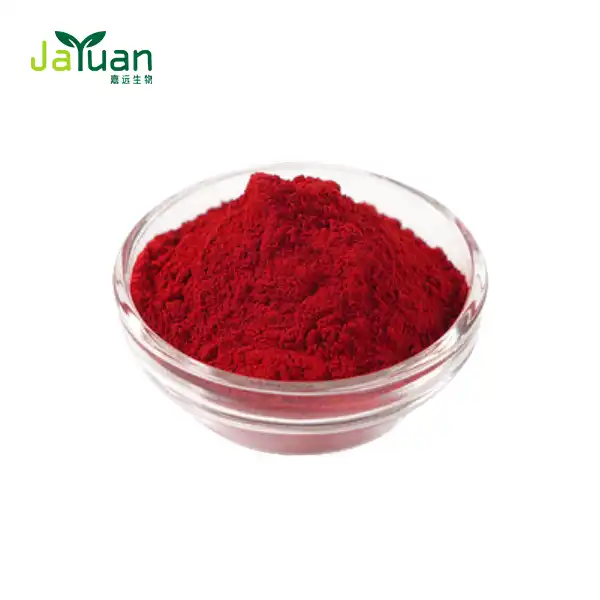
Astaxanthin Powder is a great antioxidant because its unique molecular structure neutralises free radicals at the cellular level. This keto-carotenoid molecule, which comes mostly from the microalgae Haematococcus pluvialis, crosses all cell walls and protects against oxidative stress in a wide range of ways. Astaxanthin's conjugated double-bond system makes it much better at scavenging peroxyl radicals and quenching singlet oxygen than other antioxidants. This makes it an important ingredient for pharmaceutical formulations, cosmetic applications, and nutraceutical products that need high antioxidant capacity.
Understanding Astaxanthin Powder and Its Antioxidant Properties
The Chemical Foundation of Superior Antioxidant Activity
The structure of astaxanthin molecules distinguishes it from other antioxidants. The chemical name for this lipid-soluble keto-carotenoid is 3,3'-dihydroxy-β,β-carotene-4,4'-dione. With 13 conjugated double bonds and polar hydroxyl and keto end groups. This shape allows the molecule to mix into lipid bilayers and pass through both hydrophilic cell membrane sides. Research shows that astaxanthin may protect cellular structures from both water-soluble and fat-soluble oxidative assaults at once, better than vitamins C and E.
At Xi'an Jiayuan Bio-Tech, we use supercritical CO2 technology to extract astaxanthin. This keeps the molecular structure intact without leaving behind any solvent residues. Our quality control procedures make sure that solvent residues, heavy metals, and bacteria stay within strict compliance limits. This makes sure that your products get the antioxidant power they need.
Natural Extraction Methods and Purity Considerations
How a substance was extracted affects its antioxidant properties. The inherent 3S, 3'S optical isomer configuration of Haematococcus pluvialis is preserved after supercritical CO2 extraction. Over 20 times greater biological activity than synthetic choices. Traditional solvent-based extraction may harm isomers and introduce impurities that reduce free radical scavenging.
Microencapsulation technique in our manufacturing turns lipophilic astaxanthin oil into stable Astaxanthin Powder by wrapping it in hydrophilic materials like modified starch or gum arabic. This technique addresses absorption and oxidative instability, two major industrial issues. In light, heat, or air, microencapsulated astaxanthin doesn't break down fast. Raw astaxanthin commonly becomes yellow after breaking down from brilliant red.
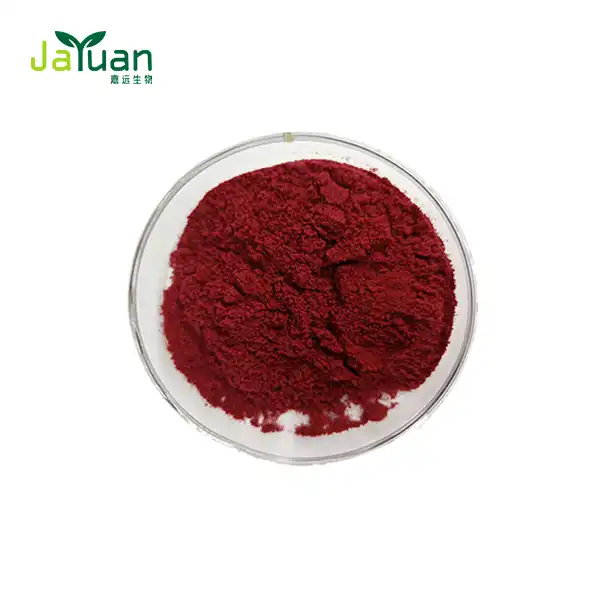
Filter paper residue testing shows that our astaxanthin ingredient has a lot fewer impurities than other products on the market. This higher level of purity directly translates to stronger antioxidant activity and better extraction efficiency, which means that your formulations can fight free radicals more effectively with lower dosage needs.
Cellular-Level Protection Mechanism
Astaxanthin has several antioxidant effects. The chemical neutralises free radicals without becoming a pro-oxidant, unlike many antioxidants. In testing, astaxanthin neutralises singlet oxygen 550 times better than vitamin E and fights free radicals 6,000 times better than vitamin C. This extraordinary strength comes from the molecule's capacity to transport unpaired electrons across its extensive conjugated structure.
When astaxanthin is inside of cells, it stops lipid peroxidation chain reactions that hurt DNA, proteins, and cell membranes. The ingredient also changes inflammation pathways by lowering pro-inflammatory hormones and helping the immune system work well. Because of these ways it works, astaxanthin is very useful for companies that make nutraceuticals that are trying to make goods that help with oxidative stress.
Key Health and Industrial Benefits of Astaxanthin Powder
Health-Focused Applications for Product Development
Companies that make medicines and supplements use astaxanthin in mixtures that help with a lot of different health issues. The compound protects skin health by blocking harmful UV rays and stopping the production of melanin, which makes it a good choice for beauty-from-within supplements. The antioxidant properties help protect cells from damage caused by UV light and environmental stressors.
Astaxanthin helps keep cholesterol levels healthy and arteries flexible, which is good for cardiovascular formulations. According to research, the compound helps keep LDL cholesterol from oxidising, which is an important part of keeping your heart healthy. The ability of astaxanthin to cross the blood-brain barrier is used in cognitive health goods. It saves neural tissues from oxidative damage and helps brain tissue have healthy inflammatory reactions.
Immune support is another important area of usefulness for Astaxanthin Powder. Because it is an antioxidant and an anti-inflammatory, astaxanthin makes natural killer cells work better and helps the immune system work properly. Because these benefits are so varied, procurement professionals can make health goods that meet a lot of different market needs in a single formula.
Industrial Applications Across Multiple Sectors
In addition to being used in health products, astaxanthin is also an important part of making cosmetics and food. Cosmetic makers like using this ingredient on the skin because it protects skin cells with antioxidants and gives the skin its natural colour. The compound stays stable during the processing of cosmetics, so it still works well in the end product.
Companies use Cold Water Dispersible (CWD) astaxanthin in functional beverages and meal replacement powders. This format is robust across numerous pasteurisation cycles and complicated water conditions, allowing product manufacturers to produce novel functional meals. The natural red-orange hue is a clean-label colouring agent, which is beneficial for natural product buyers.
To meet the needs of different applications, our business offers both standard and custom formulas. Our technical team works with clients to make sure that the ingredients work best for their specific production needs, whether they need high-potency concentrates for making capsules or CWD versions for adding to drinks.
Astaxanthin Powder vs Other Forms: Making the Right Choice for Procurement
Formulation Considerations Across Delivery Systems
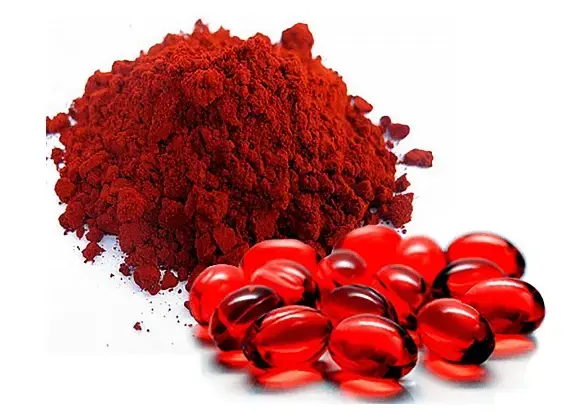
Choosing the right astaxanthin style affects both how well the product works and how efficiently it is made. Powders are better than oils, softgels, and goods that are already sealed in capsules. As a powder, it's easier to mix with other ingredients in dry-mix drinks, hard-shell capsules, tablets, and sachets, without having to deal with the difficulties of working with thick oils.
Microencapsulated astaxanthin is more bioavailable and stable than crude oleoresins. Because of their larger surface area, micropowder particles dissolve and absorb better. This requires fewer effective dosages in final formulations. This efficiency reduces ingredient costs while maintaining bioactivity.
Softgel formats limit the kinds of medicines that can be made and need special equipment to be put inside them. When you use pre-made capsules, you can't change the doses or mix the ingredients in ways that follow private formulas. Powder ingredients give you full control over the end product's specs, which helps your brand stand out and your intellectual property grow.
Natural vs Synthetic: Quality and Regulatory Implications
Knowing the difference between natural and artificial astaxanthin helps you make purchase choices that impact product positioning and regulatory compliance. Most Haematococcus pluvialis astaxanthin possesses the 3S, 3'S stereoisomer, which improves biological activity. Petrochemically synthesised versions contain a 1:2:1 mix of less effective (3S,3'S), (3R,3'S), and (3R,3'R) isomers.
More and more, regulations in many markets favour ingredients that come from natural sources, such as Astaxanthin Powder. For consumer-facing products, natural astaxanthin makes the label look better, and it can often get organic certifications that synthetic versions can't. These things affect where your goods stand in the market and how much they can be priced.
Our natural astaxanthin goes through a thorough chiral HPLC analysis to confirm isomer profiles. This proves that it comes from microalgae and rules out synthetic adulteration. This check protects the image of your brand and makes sure that you follow truth-in-labeling rules in all foreign markets.
Potency Standards and Third-Party Checks
Professional buying requires objective quality proof that goes beyond what the seller says. Instead of UV spectrophotometry, HPLC must be used to check for astaxanthin content. This is because UV methods measure total carotenoids and consistently overestimate astaxanthin amounts. It should be very clear in the specifications that "astaxanthin content by HPLC" is what they mean.
Contaminant screening is another crucial testing step. Testing should validate heavy metal limitations (Lead <3ppm, Arsenic <1ppm, Mercury <0.1ppm) and the absence of Polycyclic Aromatic Hydrocarbons, particularly Benzo(a)pyrene, which might impair open-pond algae farming. Microbiological tests must validate the Total Plate Count, yeast and mould counts, and E. coli, Salmonella, and Staphylococcus absence.
Our factory has ISO, SGS, and HALAL certifications, and every batch of products goes through thorough testing by a third party. We give you full Certificates of Analysis that list all the quality parameters. This way, your team can check the quality of each ingredient before adding it to production runs. This openness makes quality testing easier and speeds up the product creation process.
Purchasing Astaxanthin Powder: Best Practices for B2B Clients
Evaluating Supplier Credibility and Quality Systems
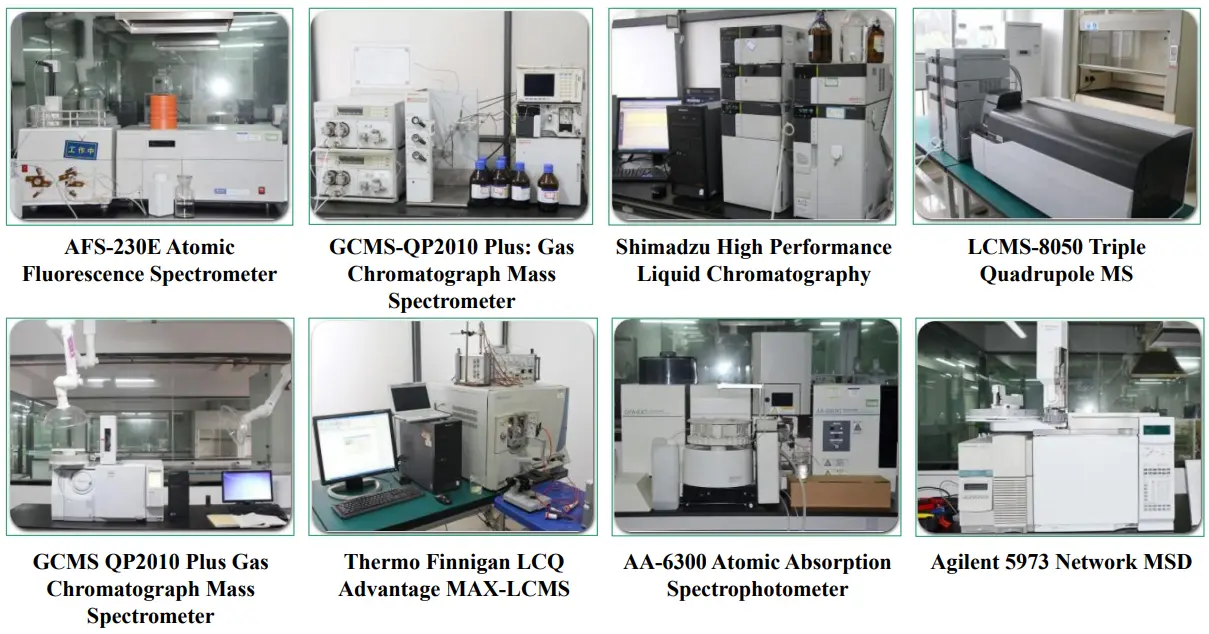
A careful evaluation of the seller is the first step to successful procurement. Facilities for manufacturing should be GMP-certified and have quality management systems that have been tested and proven to work. Our company has two GMP-compliant production lines that are equipped with cutting-edge testing and extraction tools. This makes sure that the quality of each batch meets pharmaceutical-grade standards.
Traceability in the supply chain is another important factor. Reliable providers keep written records of where the raw materials come from, how they are grown, and how they are extracted. We get Haematococcus pluvialis from controlled growing facilities. These are places where the climate encourages the growth of astaxanthin while lowering the risk of contamination. This controlled sourcing makes sure that the potency of your formulations stays the same.
Premium suppliers are different from commodity vendors because they offer technical support. Our skilled staff gives you advice on how to make your product, data from stable tests, and legal paperwork to help you get it registered in markets around the world. This way of working together speeds up the development of your product while lowering technical risks.
Price Optimization and Contract Negotiations
Understanding how costs are structured helps you negotiate and make budgets more effectively. Astaxanthin prices depend on a lot of things, like the concentration percentage, the shape (oil, powder, or CWD), the approval needs (organic, kosher, or halal), and the amount of the order. Our factory-direct plan gets rid of markups for middlemen, so we can offer competitive prices while still keeping high quality standards.
Most of the time, volume agreements for Astaxanthin Powder open up tiered price structures. By making framework agreements for expected annual volumes, you can get better prices and be sure that you will have supplies during times of high production. Our warehouse stocking service lets you buy multiple items in smaller amounts per order. This way, you can save money on transportation and clearance costs by combining orders.
Total purchase costs are affected by the terms of payment and the value of the currency. We accept a range of payment methods and currencies, and we work with international banking systems to keep our clients' transaction fees and exchange rate risks as low as possible.
Regulatory Compliance and International Trade
To get around foreign rules, you need to know both the rules for exports from the country of origin and the rules for imports in the market where the goods are going. Our team stays up to date on the latest FDA rules for the US market, EU Novel Food rules, and regulatory standards for the Asia-Pacific area.
We offer a wide range of paperwork to help with customs clearing, such as business invoices, packing lists, Certificates of Analysis, and statements of regulatory compliance. Our partnerships with FedEx, DHL, EMS, UPS, and TNT in logistics make sure that deliveries are reliable and that you can track them all. We offer customs clearance support services that take care of local regulatory requirements and send ingredients straight to your building for clients who have never imported before.
Getting a product on the market is affected by certifications in a big way. Astaxanthin from our company has the right approvals, such as organic (when available), non-GMO, and religious (HALAL) approval. These licenses are kept up-to-date and can be provided upon request to back up your label claims and regulatory applications.
Maximizing Your Investment: How to Use Astaxanthin Powder Effectively
Dosage Optimization Across All Types of Applications
Dosing strategies that work well strike a balance between bioactivity and cost-effectiveness. Astaxanthin is usually found in nutraceutical supplements at levels ranging from 4 mg to 12 mg per dose, based on the health benefits the supplement is supposed to provide and how it is marketed. Lower doses (4-6 mg) help fight against free radicals in general, while 8-12 mg may be in special versions for heavy-duty uses.
For cosmetic uses, different concentration methods are needed. Astaxanthin is usually added to topical formulations at a level of 0.1 to 1.0% of the total formula weight. This is enough to provide antioxidant protection without changing the texture or colour of the product in a way that isn't acceptable. Based on your unique cosmetic format and stability needs, our expert team can suggest the best inclusion rates.
When it comes to dosing, functional foods and drinks have special problems because they have to balance how they taste and look with how well they work. CWD astaxanthin formats allow for even distribution at concentrations that give 2 to 4 mg per dose in ready-to-drink drinks. The microencapsulation technology hides any possible changes to the taste while keeping the stability over the normal shelf life of a beverage.
Best Practices for Storing and Handling
Astaxanthin stays effective throughout your supply chain as long as you follow the right storage rules. The element should be kept in containers that don't let air in or light in and keep the temperature between 4°C and 25°C in low-humidity areas. While our microencapsulated format makes the oil more stable compared to crude oils, keeping it from being exposed to air, light, and heat during storage increases its shelf life and keeps its antioxidant capacity.
Before closing, our packaging for Astaxanthin Powder uses nitrogen flushing to get rid of oxygen. This creates a neutral atmosphere that stops oxidative breakdown while the product is being stored. When you get packages, move the items inside to storage places that aren't near direct sources of heat or light. Setting up first-in, first-out (FIFO) inventory management makes sure that older stock is used up before newer deliveries arrive.
When weighing and mixing, manufacturing settings should keep the temperature and humidity under control. When adding astaxanthin to formulations, keep the exposure time to air as short as possible. When properly added to finished products, our product is very stable and keeps its effectiveness for the normal amount of time that goods are stored if it is made according to best practices.
Formulation Strategies for Enhanced Stability and Bioavailability
Paying attention to the mixture matrix and transport system design is needed to get the best bioavailability. It's much easier for the body to absorb astaxanthin when it's eaten with fats. This means that supplement makers might want to include lipid carriers or suggest eating it with foods. Microencapsulation technology helps with this in part by making interfaces that improve the dispersion and absorption of water.
When you mix astaxanthin with vitamins that work well with it, the effects may be greater. Vitamin E, vitamin C, and other carotenoids can work together to rebuild astaxanthin molecules after they get rid of free radicals. This could make the active ingredient last longer in living things. Our recipe team can help you come up with product ideas that use complementary ingredient mixtures that work well together.
All new products that contain astaxanthin should be put through stability tests. We give you information on how stable our ingredients are in different situations and can suggest testing methods that will work for your finished products. Accelerated stability studies help you figure out how long your product will last and if there are any changes that need to be made to the recipe to keep the claims of strength during the shelf life time.
Conclusion
Astaxanthin Powder is a game-changing ingredient for companies working on advanced antioxidant formulas in the cosmetics, nutraceuticals, pharmaceutical, and functional food industries. The unique chemical structure of the substance protects cells better than regular antioxidants by large amounts, supporting a wide range of health benefits from skin health to heart health. If you choose high-purity, naturally-occurring astaxanthin from reputable sources, you can be sure that your formulations will meet regulatory standards in all global markets and offer uniform bioactivity. Our dedication to quality through strict testing, managed sourcing, and GMP-certified production lays the groundwork for your new products and unique brand positioning. The powder form lets you be creative with your recipes and saves you money, which helps you stand out from the competition while still maintaining high quality standards.
FAQ
1. What distinguishes natural astaxanthin from synthetic versions?
The natural astaxanthin that comes from Haematococcus pluvialis mostly has the 3S,3'S stereoisomer, which is much more biologically active than manufactured versions that have a range of isomer ratios. Comparative studies show that natural forms have over 20 times more antioxidant power and can be labelled as "clean," which is something that customers and governments around the world are increasingly asking for.
2. How should astaxanthin ingredients be verified for quality?
Professional verification needs HPLC analysis to confirm the amount of true astaxanthin present instead of total carotenoids, chiral analysis to confirm the profiles of natural isomers, heavy metal screening, microbiological testing, and residual solvent analysis. Third-party testing and full Certificates of Analysis are objective ways to prove quality that are not based on what the seller says.
3. Can astaxanthin maintain stability in beverage applications?
Cold Water Dispersible forms that use microencapsulation technology stay stable through multiple pasteurisation processes and the normal shelf life of a beverage. The protective matrix keeps the active chemical from breaking down through oxidation and lets it spread out evenly in watery settings. The right formulation design and stability testing show that the ingredients are safe for certain drink ideas.
Partner with a Trusted Astaxanthin Powder Manufacturer
Pharmaceutical businesses, cosmetic brands, nutraceutical providers, and food makers are welcome to explore Xi'an Jiayuan Bio-Tech's high-quality natural astaxanthin ingredients, which come with strict quality control and full technical support. Our GMP-certified production facilities, state-of-the-art testing tools, and experienced recipe team all work together to make sure you get ingredients that are as pure and effective as possible. We offer competitive factory-direct prices, flexible order quantities, and full logistics support, including help with clearing customs, to make buying things from other countries easier. Our product is very pure because it passes the filter paper residue test, which confirms its high antioxidant capacity and high extraction quality, which directly affects how well it works in formulations. You can email our team at sales@jayuanbio.com or sales1@jayuanbio.com to talk about your specific needs, ask for technical documentation, or set up a sample evaluation. As a dependable Astaxanthin Powder supplier, we're dedicated to helping you come up with new products by providing you with consistent quality, quick service, and good value.
References
1. Ambati, R. R., Phang, S. M., Ravi, S., & Aswathanarayana, R. G. (2014). "Astaxanthin: Sources, Extraction, Stability, Biological Activities and Its Commercial Applications—A Review." Marine Drugs, 12(1), 128-152.
2. Capelli, B., Bagchi, D., & Cysewski, G. R. (2013). "Synthetic Astaxanthin is Significantly Inferior to Algal-Based Astaxanthin as an Antioxidant and May Not be Suitable as a Human Nutraceutical Supplement." Nutrafoods, 12(4), 145-152.
3. Fassett, R. G., & Coombes, J. S. (2011). "Astaxanthin: A Potential Therapeutic Agent in Cardiovascular Disease." Marine Drugs, 9(3), 447-465.
4. Guerin, M., Huntley, M. E., & Olaizola, M. (2003). "Haematococcus Astaxanthin: Applications for Human Health and Nutrition." Trends in Biotechnology, 21(5), 210-216.
5. Kidd, P. (2011). "Astaxanthin, Cell Membrane Nutrient with Diverse Clinical Benefits and Anti-Aging Potential." Alternative Medicine Review, 16(4), 355-364.
6. Yuan, J. P., Peng, J., Yin, K., & Wang, J. H. (2011). "Potential Health-Promoting Effects of Astaxanthin: A High-Value Carotenoid Mostly from Microalgae." Molecular Nutrition & Food Research, 55(1), 150-165.