
Guide: How to Formulate with Bulk Astaxanthin Powder?
Formulating with bulk Astaxanthin Powder requires careful consideration of stability, dosage, and compatibility with other ingredients. This powerful antioxidant from marine algae demands specific handling techniques to preserve its bioactivity. Success depends on understanding pH requirements, optimal storage conditions, and proper encapsulation methods. Whether developing supplements, cosmetics, or functional foods, maintaining astaxanthin's integrity throughout the formulation process determines final product efficacy and consumer satisfaction.
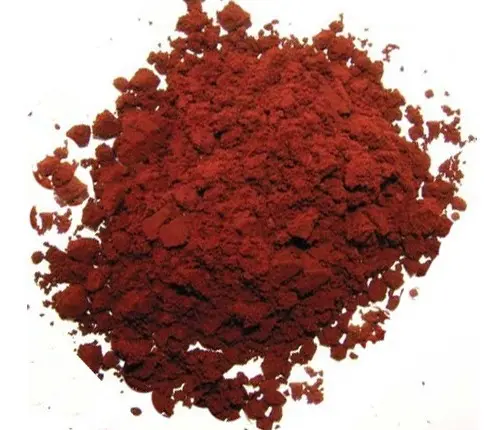
Purity: 1%-10%
Appearance: Dark red powder
CAS NO.: 472-61-7
Molecular Weight: 596.85
Molecular Formula: C40H52O4
MOQ: 500G-1KG
Inventory: in stock
Our Advantages: Scalable production capacity, strict quality control, cost efficiency from integrated factories, over 20 years of experience, advanced technology, and 24/7 after-sales support.
Certificaions: FSSC2000/ISO2000/HALAL/KOSHER/HACCP
Delivery terms: FedEx, DHL, EMS, UPS, TNT, all kinds of the airline, international shipping companies.
Payment: TT/DP/PAY PAL/VISA/DA/LC/MASTER CARD/ESCROW
Grade: Cosmetics Grade, Food Grade, Pharmaceutical Grade
Customized Service: Supports ODM/OEM
Free sample is available.
We do not sell retail quantities to individuals.
Understanding Astaxanthin's Unique Properties
Overview of Astaxanthin
Astaxanthin is one of the most capable common antioxidants, outflanking vitamin C and vitamin E in neutralizing free radicals. It is a carotenoid shade found in marine green growth such as Haematococcus pluvialis and remains profoundly steady when accurately formulated.
Molecular Structure and Antioxidant Strength
The interesting atomic structure of astaxanthin is key to its solid antioxidant action. Not at all like numerous other carotenoids, it does not act as a pro-oxidant, which makes it well suited for long-term utilization. Its fat-soluble nature permits simple integration into oil-based frameworks, whereas water-based definitions require extra stabilization strategies.
Functional Benefits and Applications
Astaxanthin powder is broadly utilized in skincare and dietary items, from UV-protective restorative definitions to supplements that bolster cardiovascular well-being. Bioavailability plays a major part in definition choices, as it influences how effectively astaxanthin is retained and utilized by the body.
Formulation and Stability Considerations
Astaxanthin is delicate to warmth, and over-the-top temperatures can decrease its antioxidant viability. Light introduction can also cause corruption, making defensive bundling or photostabilizing operators basic, particularly in straightforward containers.
Pharmaceutical Formulation Considerations
Dosage and Standardization
Pharmaceutical designers must guarantee steady astaxanthin strength all through a product’s rack life. Dose levels shift by application, regularly extending from 4 mg per day for common wellness to up to 12 mg for focused wellbeing support.
Encapsulation and Delivery Forms
Encapsulation is basic to protecting astaxanthin from oxidation and keeping up bioavailability. Delicate gel capsules are broadly utilized for their steadiness benefits, whereas microencapsulation advances are picking up ubiquity for included security amid preparation and storage.
Quality and Regulatory Compliance
Pharmaceutical-grade astaxanthin more often than not requires immaculateness levels over 95%. Comprehensive testing for overwhelming metals, microorganisms, and leftover solvents is fundamental to meet administrative desires, making dependable providers and nitty-gritty certificates of investigation a key portion of the process.
Stability and Shelf-Life Management
Stability testing analyzes how astaxanthin powder reacts to diverse natural conditions. Quickened maturing ponders back shelf-life expectations and offers assistance to characterize legitimate capacity and transport conditions, with temperature control playing a basic role.
Excipient Selection and Bioavailability
The choice of excipients influences both steadiness and assimilation. Normal tocopherols act as successful antioxidant accomplices, while chosen oils move forward bioavailability. Cautious detailing maintains a strategic distance from contradictory fixings that might diminish item quality.
Cosmetic and Skincare Applications
Role of Astaxanthin in Skincare
Cosmetic details utilize astaxanthin for its anti-inflammatory and photoprotective impacts. By focusing on different maturing components at once, astaxanthin-based skincare items offer wide anti-aging benefits that adjust well with current customer expectations.
Common Formulation Systems
Oil-in-water emulsions are the most broadly utilized conveyance organization for astaxanthin in skincare. These frameworks require cautious pH control, more often than not between 5.5 and 7.0, to keep up steadiness. Supporting cancer prevention agents such as vitamin E and ascorbyl palmitate are frequently included to diminish oxidative degradation.
Concentration and Color Management
Astaxanthin is regularly utilized at concentrations between 0.1% and 1.0%, depending on the wanted impact and item situation. Higher levels may present unmistakable coloration, which can be overseen through color-masking procedures or clear communication of almost transitory skin tinting.
Enhancing Skin Penetration
Effective conveyance depends on making strides in astaxanthin entrance into the skin. Liposomal embodiment is commonly utilized to improve retention and secure the dynamic fixing. Other alternatives, such as nanosomes and cyclodextrin complexes, offer adaptability for diverse definition goals.
Packaging and Product Protection
Packaging plays a key part in protecting astaxanthin soundness and supporting brand picture. Airless pump frameworks offer assistance to constrain oxidation while keeping up item execution and visual requests all through its rack life.
Food and Beverage Integration Strategies
Challenges in Food Applications
Food producers confront interesting challenges when consolidating astaxanthin, especially related to taste, color, and handling soundness. Whereas astaxanthin offers noteworthy useful benefits, tending to its potential tactile impacts is key to effective integration.
Beverage Applications and Microencapsulation
In refreshments, microencapsulated astaxanthin makes a difference in anticipating color dyeing and taste obstructions. This is particularly critical for sports drinks and utilitarian waters, where astaxanthin's anti-inflammatory properties help post-exercise recuperation. Appropriate embodiment guarantees indeed dissemination, whereas keeping up clarity in straightforward drinks.
Processing Temperature Considerations
Certain preparation strategies are restricted by temperature limitations, as pasteurization must happen inside ranges that protect astaxanthin's judgment. Cold-processing strategies regularly surrender superior maintenance of the compound compared to high-heat techniques.
pH Sensitivity in Acidic Beverages
Astaxanthin's soundness is challenged in profoundly acidic situations, which are common in certain refreshments. To neutralize this, buffering frameworks or defensive embodiment strategies are utilized to keep up steadiness and guarantee a clean label.
Incorporating Astaxanthin in Functional Foods
Astaxanthin's wellbeing benefits can be successfully consolidated into useful nourishments like dairy items, prepared merchandise, and dietary bars. Appropriate detailing guarantees that taste and surface are adjusted while keeping up the desired utilitarian properties.
Quality Control and Testing Protocols
Quality Control Programs
Robust quality control programs guarantee that astaxanthin powder keeps up reliable properties over all generation clumps. Expository testing centers on strength, immaculateness, and defilement to meet application-specific standards.
Analytical Testing Methods
HPLC investigation is the gold standard for precisely measuring astaxanthin concentrations. Spectrophotometric strategies are utilized for quick screening amid fabric reviews and in-process checks.
Safety and Compliance Testing
Astaxanthin powder experiences microbiological examination, overwhelming metal testing, and leftover dissolvable screening to guarantee buyer security and administrative compliance. Comprehensive documentation and traceability are basic for keeping up tall standards.
Stability and Shelf-Life Testing
Stability testing tracks how astaxanthin debases beneath diverse capacity conditions. Real-time maturing considerations, combined with quickened testing, give precise shelf-life expectations for wrapped-up products.
Contamination Prevention
To anticipate defilement, committed hardware lines, careful cleaning conventions, and natural checking frameworks are input. These measures minimize dangers and guarantee item quality all through the fabricating process.
Regulatory Compliance and Documentation
Global Regulatory Differences
Regulatory prerequisites for astaxanthin shift broadly by locale. Understanding nearby systems is fundamental for smooth item endorsement and effective showcase entry.
Key Regulatory Pathways
In the United States, GRAS status gives a clear course for utilizing astaxanthin in nourishment items. In the European Union, Novel Nourishment directions may apply depending on the source and concentration, requiring a broader audit and approval.
Documentation and Compliance
Regulatory entries ordinarily require nitty-gritty data on fabricating forms, testing strategies, and security information. Qualified providers and total certificates of investigation offer assistance to guarantee materials meet all pertinent standards.
Labeling and Claims
Labels must clearly state the astaxanthin substance, source, and prescribed utilization. Any well-being or utilitarian claims must be appropriately upheld to meet administrative expectations.
Traceability and Supply Chain Transparency
Effective traceability frameworks track astaxanthin from crude fabric to wrapped-up item. These frameworks back reviews if required and illustrate compliance and straightforwardness to regulators.
Conclusion
Successful astaxanthin powder detailing requests comprehensive understanding of steadiness necessities, handling impediments, and application-specific contemplations. Quality organizations with experienced providers give the specialized bolster and reliable materials essential for commercial victory. Whether creating pharmaceutical supplements, restorative advancements, or useful nourishments, legitimate definition strategies open astaxanthin's full potential while guaranteeing administrative compliance and buyer fulfillment.
Partner with Jiayuan Bio-Tech for Premium Astaxanthin Solutions
Jiayuan Bio-Tech conveys pharmaceutical-grade astaxanthin powder with ensured compliance over all quality parameters. Our advanced extraction forms guarantee predominant virtue levels while keeping up ideal bioavailability characteristics. Contact our technical team at sales@jayuanbio.com or sales1@jayuanbio.com to discuss your specific formulation requirements and access comprehensive analytical documentation.
References
1. Higuera-Ciapara, I., Felix-Valenzuela, L., & Goycoolea, F. M. (2006). Astaxanthin: A review of its chemistry and applications. Critical Reviews in Food Science and Nutrition, 46(2), 185-196.
2. Yuan, J. P., Peng, J., Yin, K., & Wang, J. H. (2011). Potential health-promoting effects of astaxanthin: A high-value carotenoid mostly from microalgae. Molecular Nutrition & Food Research, 55(1), 150-165.
3. Lorenz, R. T., & Cysewski, G. R. (2000). Commercial potential for Haematococcus microalgae as a natural source of astaxanthin. Trends in Biotechnology, 18(4), 160-167.
4. Ambati, R. R., Phang, S. M., Ravi, S., & Aswathanarayana, R. G. (2014). Astaxanthin: Sources, extraction, stability, biological activities and its commercial applications. Marine Drugs, 12(1), 128-152.
5. Capelli, B., Bagchi, D., & Cysewski, G. R. (2013). Synthetic astaxanthin is significantly inferior to algal-based astaxanthin as an antioxidant and may not be suitable as a human nutraceutical supplement. Nutrafoods, 12(4), 145-152.
6. Fakhri, S., Aneva, I. Y., Farzaei, M. H., & Sobarzo-Sánchez, E. (2019). The neuroprotective effects of astaxanthin: Therapeutic targets and clinical perspective. Molecules, 24(14), 2640.