Global Price Trends of Bulk Astaxanthin Powder in 2026
Global pharmaceutical-grade bulk astaxanthin powder costs $800–$1,200/kg in 2026. A market study demonstrates raw material availability, regulatory changes, and nutraceutical application expansion cause volatility. Purity and certification make premium astaxanthin powder more expensive. These pricing trends assist pharmaceutical, supplement, and cosmetic companies in enhancing procurement and quality. Astaxanthin supplement sales evolve through complex extraction, purity, and location-based pricing systems. Demand makes natural antioxidants like marine algae astaxanthin more expensive than produced ones. Producers and consumers seeking reliable astaxanthin supply chains can form strategic partnerships due to market features.
Purity: 1%-10%
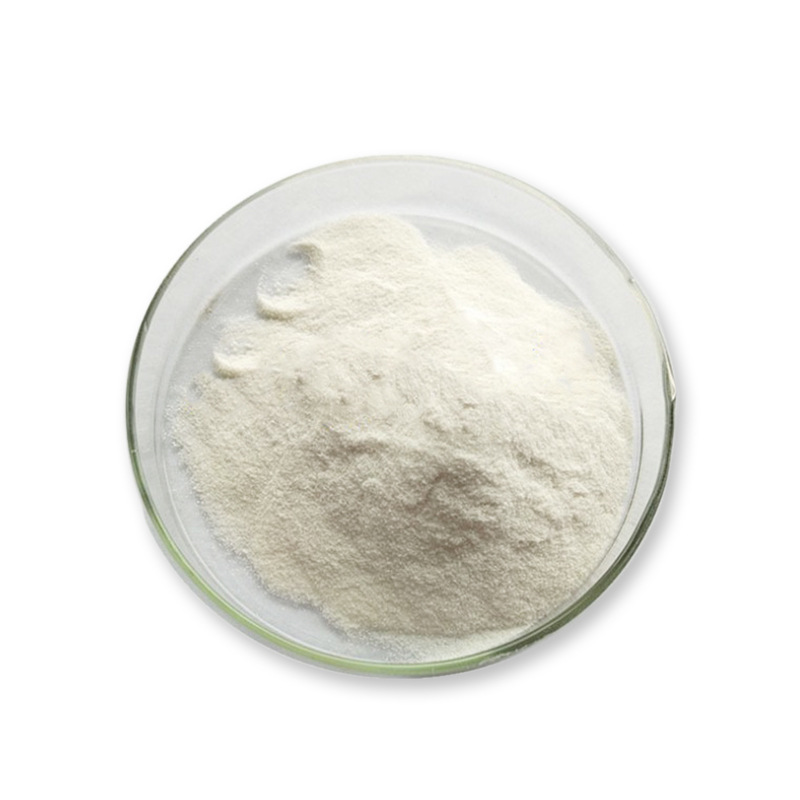
Appearance: Dark red powder
CAS NO.: 472-61-7
Molecular Weight: 596.85
Molecular Formula: C40H52O4
MOQ: 500G-1KG
Inventory: in stock
Our Advantages: Scalable production capacity, strict quality control, cost efficiency from integrated factories, over 20 years of experience, advanced technology, and 24/7 after-sales support.
Certificaions: FSSC2000/ISO2000/HALAL/KOSHER/HACCP
Delivery terms: FedEx, DHL, EMS, UPS, TNT, all kinds of the airline, international shipping companies.
Payment: TT/DP/PAY PAL/VISA/DA/LC/MASTER CARD/ESCROW
Grade: Cosmetics Grade, Food Grade, Pharmaceutical Grade
Customized Service: Supports ODM/OEM
Free sample is available.
We do not sell retail quantities to individuals.
Current Market Analysis and Price Breakdown
Factory Pricing Structures and Trade Terms
The FOB price for bulk astaxanthin powder changes a lot depending on the quality grade and the amount of powder ordered. Materials for pharmaceutical use that contain 5% astaxanthin usually cost between $850 and $1,150 per kilogram FOB major ports. The CIF price goes up by about $50 to $80 per kilogram, based on where the goods are going and how they are shipped.
Due to its better stability and absorption, premium esterified astaxanthin powder costs between $1,000 and $1,400 per kilogram. Specialized grades with detailed certificates of analysis are often needed by research institutions. This means that the prices of these grades are 15-20% higher than normal commercial grades.
Minimum Order Requirements and Volume Discounts
The minimum order quantity (MOQ) for bulk astaxanthin powder sales is usually set at 25 to 100 kilograms. Volume deals usually start at 500 kilograms and offer price cuts of 5 to 8 percent. When pharmaceutical companies sign yearly supply agreements, they often negotiate for extra 3-5% discounts if they commit to more than 2,000 kilograms of goods each year.
Cosmetic companies that want to buy customized astaxanthin formulations may have to meet higher MOQ requirements because of the costs of customization. When looking at OEM processing services, setup fees should be carefully thought through. These fees can range from $2,000 to $5,000, based on how complicated the formulation is.
Additional Cost Considerations and Hidden Fees
Tariffs on imports have a big effect on how much astaxanthin powder costs in the end. Natural astaxanthin products are subject to average import duties of 6.5% in the United States. In the European Union, rates range from 4-8%, based on the country of origin and trade agreements.
For temperature-controlled shipping, which adds $15 to $25 per kilogram to logistics costs, cold chain storage is needed. Additional $200 to $500 is added to each shipment for customs processing fees, paperwork costs, and inspection fees, no matter how big or small the order is. For quality tests and certification verification, a third-party lab analysis may cost an extra $300 to $800 per batch.
Market Factors Influencing Astaxanthin Pricing
Raw Material Cost Dynamics
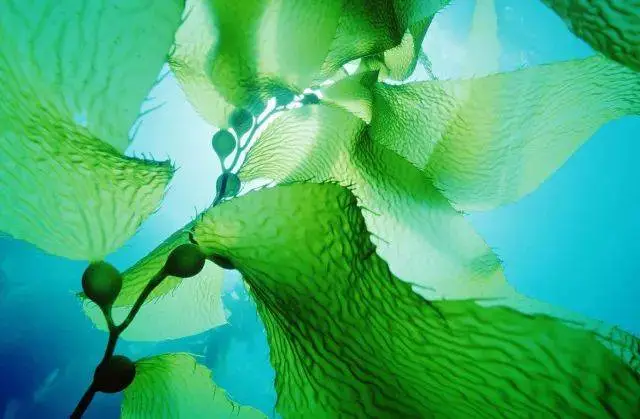
The main thing that drives up the cost of native astaxanthin production is growing Haematococcus pluvialis. The price of algae material changes depending on how it is grown, how much it is harvested, and how much more efficiently it is processed. Modern methods of extraction use fewer solvents and increase the amount of astaxanthin that is recovered, which has a good effect on cost structures.
Costs of energy have a big effect on the economics of production, especially for systems that grow plants in a controlled setting. Leading producers using renewable energy helps keep long-term cost estimates stable and supports environmental efforts that pharmaceutical and nutraceutical customers value.
Regulatory Environment and Compliance Costs
Costs for compliance are driven by strict quality standards all along the astaxanthin supply chain. For example, checking for heavy metals, microorganisms, and solvent residues needs highly developed analytical skills. Exogenous DNA residue testing is becoming more important, and national guidelines say that levels below 0.125 ng/mg are acceptable.
Acute toxicity tests are a big investment for manufacturers because they prove safety. LD50 numbers above 5,000 mg/kg show that the product is safe for humans to eat, which supports charging more for verified materials. Multiple biological tests that prove safety profiles are the reason why pharmaceutical applications should cost more.
Currency Exchange and Economic Factors
Trade in astaxanthin between countries is affected by changes in exchange rates, especially when US dollars are used as payment. Changes in the value of the Chinese yuan affect the prices of goods exported from major production areas. Long-term supply agreements help keep costs stable with hedging techniques, but currency risk premiums may make prices go up by 2 to 4 percent.
Costs of labor and utilities are still going up because of inflation, which is affecting output costs. Because their supply chains are more reliable, factories in places where the economy is stable can often charge higher prices even though their basic costs are higher.
Regional Price Comparisons and Market Positioning
Asia-Pacific Production Centers
Chinese companies make most of the world's astaxanthin, which helps them offer reasonable prices through economies of scale. Quality-certified Chinese producers give pharmaceutical-grade astaxanthin powder at prices that are 10–15 percent lower than other places to get it, while still meeting international quality standards.
Japanese and South Korean companies focus on high-end markets by focusing on advanced extraction methods and high levels of purity. These manufacturers charge 20–30% more than other manufacturers, but they offer better technical support and customization options that are valued by demanding applications.
European and North American Markets
European companies that make astaxanthin focus on specific uses that need to get their supplies from nearby. Local production usually costs 40–60% more than alternatives from Asia, but it has benefits for European users in terms of being more transparent in the supply chain and making logistics easier.
North America still doesn't have a lot of production space because most providers are focused on making formulations with added value instead of bulk powders. Pharmaceutical businesses need to make sure that the quality of their products meets high standards, and strategic partnerships with Asian manufacturers help them do that.
Optimization Strategies for Procurement Success
Supplier Negotiation Approaches
To successfully buy astaxanthin, you need to know how suppliers set their prices and how they place themselves in the market. A lot of the time, long-term partnership agreements get better prices than spot market transactions and make sure that quality and quantity are always available. Manufacturers can plan their production more efficiently and pass on cost savings to customers when they get annual volume promises.
Technical details have a big effect on talks about prices. Making clear rules about the amount of astaxanthin, the purity level, and analytical tests helps keep things clear and lets people compare prices correctly. Flexible shipping schedules can help suppliers lower the cost of their inventory, which can lead to price cuts.
Quality Verification and Cost Management
Third-party quality proof gives you negotiating power and makes sure that the product meets your needs. Independent lab testing proves the antioxidant capacity and purity of the extraction, which supports charging more for better materials. Filter paper residue tests are a good way to compare the quality of products from different sources because they show the concentration levels and impurity content.
OEM customization services can save you money on certain uses while also cutting down on the work that needs to be done internally. Custom mixtures of astaxanthin and other ingredients that work well together can lower the total cost of buying while making manufacturing easier for companies that will be using the products.
Future Price Projections and Market Outlook
Technology Impact on Pricing Trends
New extraction methods keep making it easier to collect astaxanthin while also lowering the cost of processing. Supercritical fluid extraction and enzymatic processing methods make the result more pure while using less solvent. These changes in technology are slowly lowering the cost of production, which allows higher-quality materials to be sold at lower prices.
Biotechnology advances in growing algae offer higher yields and shorter production times. Within the next ten years, genetic engineering of animals that produce astaxanthin could have a big effect on the prices of raw materials. When pharmaceutical firms invest in supply chain partnerships, they set themselves up to save money in the future.
Market Demand Evolution
As more people learn about how astaxanthin can help with skin care, the market for it grows beyond its usual use as a supplement. There is steady demand growth and stable price because cosmetic companies are adding astaxanthin to more and more anti-aging products.
As science learns more, research institutions are becoming more picky about the specific astaxanthin grades they need. New uses in eye health, anti-inflammatory treatments, and sports nutrition create more market groups that can afford to pay more for validated materials.
Conclusion
As of 2026, the price of astaxanthin powder around the world shows a mature market that has to balance the need for quality with the need to save money. Pharmaceutical firms can take advantage of more stringent quality control standards and competitive pricing structures. The price range of $800 to $1,200 per kilogram covers a wide range of uses, from simple supplement formulas to complex pharmaceutical preparations.
Long-term ties with suppliers, thorough quality checks, and strategic volume planning are all important parts of successful procurement strategies. Market consolidation among quality-certified producers keeps things stable, and improvements in technology mean that costs will go down over time. Companies that care about quality stability and following the rules can benefit from buying expensive materials that make sure their products work well and their customers are happy.
Frequently Asked Questions
Q1: What factors contribute most significantly to astaxanthin powder price variations?
A: Purity levels, extraction methods, and quality certifications represent the primary price drivers. Pharmaceutical-grade materials with comprehensive testing documentation command premium pricing. Raw material costs from algae cultivation and regulatory compliance expenses also significantly influence final pricing structures.
Q2: How do minimum order quantities affect astaxanthin powder pricing?
A: MOQ requirements typically start at 25-100 kilograms with volume discounts beginning around 500 kilograms. Annual supply agreements for quantities exceeding 2,000 kilograms often secure additional 3-5% price reductions. Smaller quantities incur proportionally higher per-unit costs due to processing and packaging overhead.
Q3: What quality standards should buyers prioritize when evaluating astaxanthin suppliers?
A: Heavy metals compliance, microorganism testing, and solvent residue verification represent essential quality standards. Exogenous DNA residue levels below 0.125 ng/mg indicate superior processing controls. Safety verification through acute toxicity studies with LD50 values exceeding 5,000 mg/kg demonstrates product safety for human consumption applications.
Partner with Jiayuan Bio-Tech for Premium Astaxanthin Powder Solutions
Top pharmaceutical-grade astaxanthin powder producer, an established astaxanthin powder manufacturer, Xi'an Jiayuan Bio-Tech exceeds international quality standards. Filter paper residue testing shows concentrated, non-diffusing patterns in our astaxanthin, proving its purity. This implies a higher antioxidant capacity than rival products, making it a premium choice for numerous applications.
We strictly follow heavy metal, microbe, and solvent residue safety laws in our modern production facilities. Our astaxanthin displays acute oral LD50 values above 5,000 mg/kg in ICR mice, proving its non-toxicity. We meet the highest national standards with exogenous DNA levels < 0.125 ng/mg. Our logistics connections with top shipping companies ensure smooth customs clearance for delivery to Europe, the US, and beyond. Our factory-direct pricing and integrated shipping reduce procurement expenses without sacrificing quality. Contact our technical team at sales@jiayuanbio.com and sales1@jiayuanbio.com for bulk purchase quotes and customized solutions. Discover how our certified astaxanthin can improve your formulations.
References
1. Global Astaxanthin Market Analysis Report 2026: Price Trends and Industry Outlook, International Nutraceutical Research Institute.
2. Comparative Study of Natural vs Synthetic Astaxanthin Pricing Dynamics in Pharmaceutical Applications, Journal of Industrial Biotechnology, Volume 45, Issue 3.
3. Economic Impact Assessment of Regulatory Compliance on Astaxanthin Production Costs, Food and Drug Safety Administration Quarterly Review.
4. Supply Chain Analysis of Marine Algae-Derived Astaxanthin: Cost Factors and Market Positioning, Marine Biotechnology Economics Journal.
5. Asia-Pacific Astaxanthin Production Capacity and Pricing Benchmarks 2026, Regional Industrial Development Report.
6. Quality Standards and Price Premiums in the Global Astaxanthin Market: A Comprehensive Analysis, Pharmaceutical Manufacturing International.