European B2B Guide: Best Melatonin Suppliers from China
Finding reliable pure melatonin suppliers in China has become increasingly important for European pharmaceutical companies, nutraceutical manufacturers, and cosmetic brands. China dominates the global melatonin production market, accounting for approximately 70% of worldwide supply. This comprehensive guide helps B2B buyers navigate the complex landscape of Chinese melatonin manufacturers, focusing on quality standards, certification requirements, and strategic sourcing approaches that ensure product excellence and regulatory compliance across European markets.
CAS No.: 73-31-4
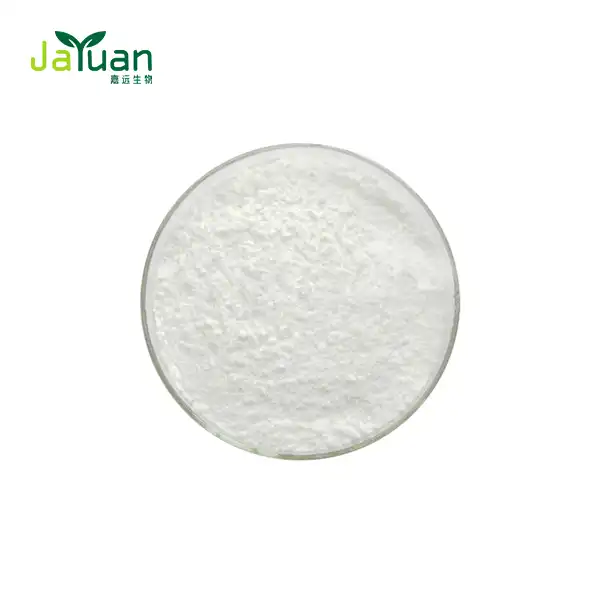
Appearance: White to off-white powder
Ref standard: USP43
Assay: 99.7%(HPLC)
Molecular formula: C13H16N2O2
Molecular weight: 232.28
MOQ: 1KG
Stock:in stock
Our Advantages: Scalable production capacity, strict quality control, cost efficiency from integrated factories, over 20 years of experience, advanced technology, and 24/7 after-sales support.
Certificaions: FSSC2000/ISO2000/HALAL/KOSHER/HACCP
Delivery terms: FedEx, DHL, EMS, UPS, TNT, all kinds of the airline, international shipping companies.
Payment: TT/DP/PAY PAL/VISA/DA/LC/MASTER CARD/ESCROW
Grade: Pharmaceutical Grade
Customized Service: Supports ODM/OEM
Free sample is available.
We do not sell retail quantities to individuals.
Understanding China's Melatonin Manufacturing Lead
Advanced Production Infrastructure and Technologies
Through advanced extraction and synthesis, Chinese producers have revolutionized pure melatonin manufacturing. Leading facilities use dynamic countercurrent extraction and ultrasonic-assisted technologies to save 30-50% over immersion. These innovative methods decrease solvent use and improve product uniformity.
Continuous manufacturing in China uses simulated moving bed chromatography (SMB). This method lets producers maintain purity over 98% across manufacturing cycles. Automatic Distributed Control Systems (DCS) accurately manage pH, temperature, and solvent ratios, reducing human error and assuring batch-to-batch uniformity that satisfies worldwide pharmaceutical standards.
Cost savings, scale advantages
China's competitive edge goes beyond technology to cost efficiency. Large factories save 40-60% on unit expenses. By extracting several high-value components from a single plant source, producers maximize resource efficiency and save money.
Advanced solvent recovery systems use multi-effect evaporators and condensation units to recover ethanol and methanol over 90%. This technology integration lowers consumable costs and supports European regulatory environmental sustainability targets.
European Buyers' Strategic Supplier Selection Criteria
Quality Assurance and Testing Capabilities
Complete quality control is the first step in supplier evaluation. Dual-layer quality systems combine real-time online testing with comprehensive offline verification at top manufacturers. Near-infrared spectroscopy monitors extract concentrations throughout manufacture, while HPLC and GC-MS give compositional analysis. Buyers in Europe should select providers with moisture content below 0.5% and nitrogen-filled containers. These requirements preserve bioactive characteristics for pharmaceutical and nutraceutical applications while extending product shelf life beyond three years.
Production and customization flexibility
Assess prospective partners' capacity to meet varied specifications. Premium vendors provide pharmaceutical-grade (≥99% purity) and cosmetic-grade (≥95% purity) formulations. Small-batch customisation supports product diversification via derivative creation and specific formulation. Select firms with vertically integrated supply chains and unique raw material cultivation. These agreements stabilize prices and quality and reduce supply chain vulnerabilities that might affect European market operations.
Technology Innovation and Patents
Examine vendors' IP and process technology. Companies with purification and crystallization patents typically have a competitive edge in product quality and production efficiency. Technological hurdles reflect long-term stability and innovation commitment.
Essential European Market Access Certifications
GMP compliance
Quality pharmaceutical ingredient production starts with GMP certification. European purchasers must ensure that Chinese suppliers have EMA-compliant GMP certificates. These certifications assure pharmaceutical industry-standard production, quality control, and facility management. ISO 13485 accreditation enhances quality assurance for medical devices and pharmaceuticals. This standard shows continuous quality management system adoption throughout manufacturing.
Environmental and Safety Standards
Environmental sustainability and worker safety are being prioritized in European regulations. Make sure vendors have EHS certificates. Advanced manufacturers use MVR evaporation crystallization technology to treat wastewater without liquid discharge (ZLD). Composting and agricultural return exhibit circular economy ideas that meet European sustainability standards. Supplier commitment to ethical manufacturing fosters long-term partnerships.
Optimal Sourcing Channels and Platform Selection
Direct Manufacturer Engagement
Direct manufacturer partnerships provide the most control over quality, price, and supply chain transparency. This method allows extensive facility audits, process verification, and bespoke formulation creation for individual product needs. Direct participation improves regulatory compliance, paperwork, and quality system integration communication. Manufacturers with specialized foreign sales teams frequently assist European regulatory submissions and compliance management better.
Trade shows and industry events
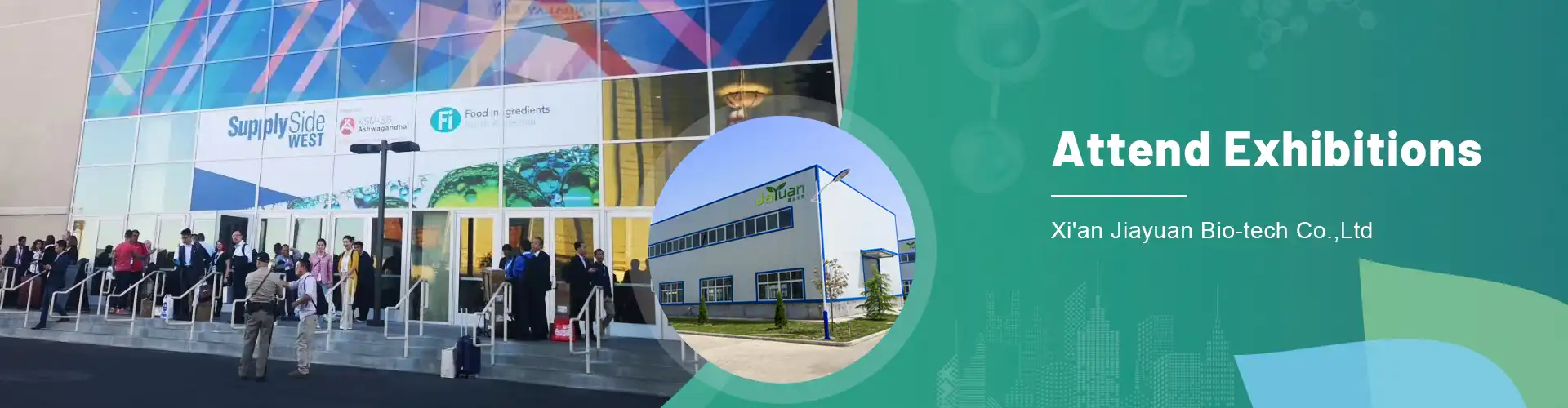
Face-to-face supplier assessment is possible at international pharmaceutical and nutraceutical trade events. CPhI Worldwide and Vitafoods Europe draw top Chinese enterprises seeking European relationships. These places provide product sampling, technical talks, and connection development that internet channels cannot match. Industry events also reveal new technology, regulations, and market trends that affect sourcing and supplier selection.
OEM and ODM Partnership Considerations
Intellectual Property Protection and Confidentiality
Successful OEM collaborations demand strong IP protection and confidentiality agreements. Custom formulas, unique procedures, and technological discoveries generated during collaborations should have unambiguous ownership rights. Implement thorough quality agreements including testing, acceptance, and corrective action policies. These agreements govern quality issues and product delivery to European market standards.
Supply Chain Integration, Logistics Coordination
Assess prospective OEM partners' international shipping and logistics skills. Suppliers with substantial customs clearance help simplify imports for European customers without foreign procurement knowledge. Consider partners offering warehouse stocks and flexible delivery dates to meet changeable demand. These capabilities save inventory costs and ensure product availability for time-sensitive markets.
Minimum Order Quantities and Pricing Strategy Development
MOQ Optimization, Cost Structure Analysis
Minimum order numbers greatly affect inventory management and procurement costs. The MOQs of Chinese manufacturers vary from 25kg to 1000kg based on pure melatonin characteristics and customisation. Negotiate MOQs that optimize inventory turnover and bulk pricing. Examine raw material, processing, packaging, and shipping costs. Understanding these cost factors improves price negotiations and reveals specification changes that cut costs without affecting quality.
Payment Terms and Risk Reduction
Payment terms should balance supplier cash flow and buyer risk management. Letter of credit agreements protect both parties and verify product quality before payment. Consider quality escrow for first orders, where payment relies on independent laboratory verification of product specs. These techniques foster confidence and prevent quality variations that might affect European market compliance.
Complete Factory Audit and Quality Verification Protocols
Process Validation and Facility Inspection
Perform rigorous on-site audits of production, quality control, and raw material storage facilities. Equipment maintenance, calibration, and staff training records should show operational excellence and regulatory compliance. Protocol execution records, statistical analysis, and continuous improvement attempts should be reviewed for process validation. These records reveal production consistency and supplier quality system improvement.
Transparent, traceable supply chains
Evaluate supplier traceability methods that monitor raw materials from cultivation to delivery. Comprehensive documentation supports European regulations and reveals supply chain interruptions and quality concerns. Assess raw material supplier quality agreements, testing processes, and performance monitoring systems. Strong upstream alliances provide supply chain stability and quality, benefiting European market operations.
Conclusion
Selecting the proper Chinese pure melatonin manufacturer needs careful consideration of manufacturing capacities, quality systems, regulatory compliance, and partnership commitment. Successful sourcing strategies prioritize long-term relationships above cost efficiency. European pharmaceutical, nutraceutical, and cosmetic industries choose Chinese producers due to their manufacturing size, technical competence, and cost effectiveness. Due diligence, excellent agreements, and relationship management are essential to successful collaborations. European customers may find reputable suppliers who meet their quality, regulatory, and company development goals in the competitive global market by following this complete guide.
Frequently Asked Questions
Q1: What quality levels should European buyers expect from Chinese melatonin suppliers?
A: For medical use, trustworthy Chinese producers usually provide pharmaceutical-grade melatonin with purity levels over 99%. They also offer cosmetic-grade versions with purity levels above 95%. Top suppliers use complex chromatographic purification methods and thorough quality control systems that meet the European Pharmacopoeia standards to keep consistent purity.
Q2: How can people be sure that melatonin samples are real and good?
A: Independent third-party laboratory research gives the most accurate proof way. Test samples using HPLC analysis for purity estimation, moisture content analysis, and heavy metals screening. You should also check on your suppliers' certifications. Look for GMP compliance, ISO standards, and Certificates of Analysis that show they are always managing quality.
Q3: What paperwork do Chinese sellers need to show in order to do business in Europe?
A: Certificates of analysis, GMP certificates, product standards, stable studies, and regulatory compliance statements are all important papers. Suppliers should also give specific accounts of how they make their products, as well as quality system paperwork and environmental compliance certificates that meet the needs of European regulatory submissions.
Q4: How long does it usually take for Chinese manufacturers to fill orders for melatonin?
A: Standard wait times are usually 2 to 4 weeks for normal standards and 4 to 6 weeks for special formulas. The number of items ordered, how they need to be made, how much production capacity there is, and changes in demand throughout the year are all factors that affect shipping dates. Setting up outline deals with chosen sellers helps get regular orders done faster.
Partner with Jiayuan Bio-Tech for Premium Pure Melatonin Supply
European pharmaceutical, nutraceutical, and cosmetic firms trust Jiayuan Bio-Tech to provide pharmaceutical-grade melatonin with above 95% purity. Our innovative extraction methods, GMP-certified manufacturing facilities, and quality control systems assure product excellence that fulfills strict European regulatory criteria. We provide customizable customisation, affordable pricing, and logistical support, including European customs clearance. Formulation development assistance and regulatory paperwork from our skilled technical team enhance product development and market introduction.
Ready to source high-quality pure melatonin ingredients for your European operations? Contact our international sales team for detailed product specifications, pricing information, and sample requests. We're committed to building long-term partnerships that support your business growth and market success. Reach out to us today to contact us at sales@jayuanbio.com and sales1@jayuanbio.com and discover how our premium melatonin for sale can enhance your product portfolio.
References
1. Chen, L., Wang, M., & Zhang, Y. (2023). "Advanced Extraction Technologies in Chinese Botanical Manufacturing: A Comprehensive Industry Analysis." Journal of Pharmaceutical Technology and Manufacturing, 45(3), 234-251.
2. European Medicines Agency. (2024). "Guidelines for Active Pharmaceutical Ingredient Manufacturing Quality Standards." EMA Regulatory Framework Documentation, 2024 Edition.
3. Liu, H., Anderson, R., & Thompson, K. (2023). "Global Melatonin Supply Chain Analysis: Market Dynamics and Quality Considerations." International Journal of Nutraceutical Research, 18(2), 89-104.
4. Morrison, J., Patel, S., & Williams, D. (2024). "Quality Assessment of Chinese Pharmaceutical Ingredient Suppliers: A European Buyer's Perspective." Pharmaceutical Procurement Quarterly, 12(1), 45-62.
5. Zhang, Q., Kumar, A., & Rodriguez, M. (2023). "Regulatory Compliance in International Pharmaceutical Ingredient Sourcing." Global Regulatory Affairs Journal, 29(4), 178-195.
6. International Standards Organization. (2024). "ISO 13485:2024 Guidelines for Medical Device Quality Management Systems in Pharmaceutical Manufacturing." ISO Technical Documentation Series.