
Ergothioneine Powder vs Glutathione: Which Works Better
Whether ergothioneine powder or glutathione is better for your industrial needs will depend on the project's goals. Some antioxidants, like ergothioneine powder, can protect cells well. However, ergothioneine powder is more chemically stable, keeps cells alive longer through the OCTN1 transporter, and doesn't break down when heated. Glutathione does a great job of helping the body clean itself and turn over cells quickly. People who work in sourcing can choose ingredients that meet formulation goals, legal requirements, and long-term product performance standards by knowing how they work, how soluble they are, and how stable they are in industrial settings.
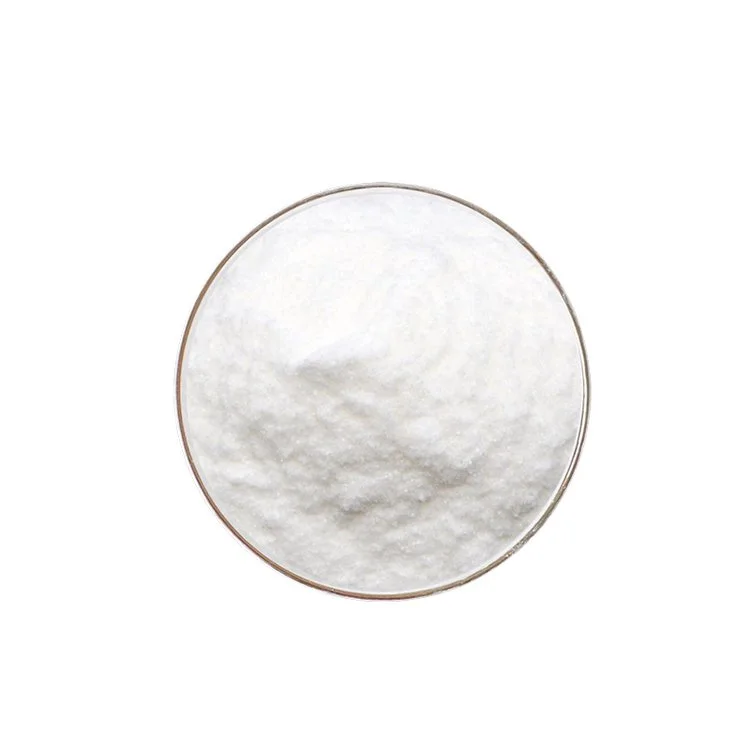
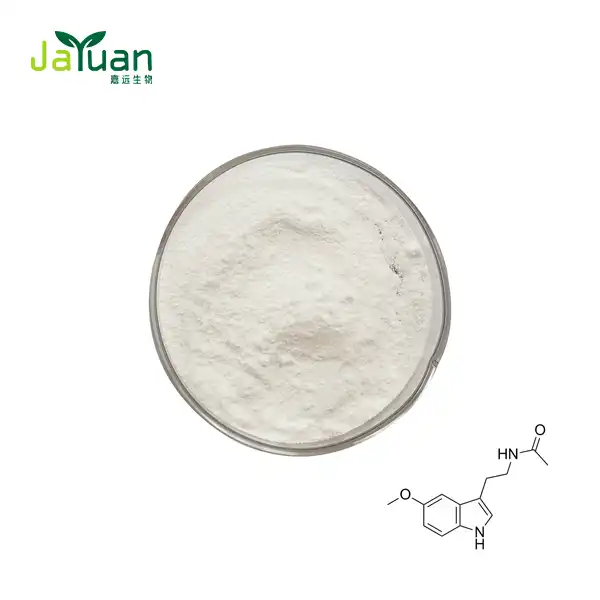
Other Name: L-Ergothioneine,2-thio-imidazole
Appearance: White fine powder
CAS No.: 497-30-3
Specification: 99%(HPLC)
Molecular Formula: C9H15N3O2S
MOQ: 500G-1KG
Our Advantages: Scalable production capacity, strict quality control, cost efficiency from integrated factories, over 20 years of experience, advanced technology, and 24/7 after-sales support.
Certificaions: FSSC2000/ISO2000/HALAL/KOSHER/HACCP
Delivery terms: FedEx, DHL, EMS, UPS, TNT, all kinds of the airline, international shipping companies.
Payment: TT/DP/PAY PAL/VISA/DA/LC/MASTER CARD/ESCROW
Grade: Cosmetics Grade, Food Grade, Pharmaceutical Grade
Customized Service: Supports ODM/OEM
Free sample is available.
We do not sell retail quantities to individuals.
Understanding Ergothioneine Powder and Glutathione
Chemical Structure and Sources
The amino acid compound L-ergothioneine contains sulfur. Its full name is 2-mercaptohistidine trimethylbetaine. It is made up of a rare thione tautomer structure, which means that carbon and sulfur are linked by two bonds. It is very stable against rust and heat breakdown because of how it is set up. Advanced fungi fermentation or biosynthesis from mushroom species like Pleurotus and Lentinula is mostly used to make ergothioneine powder for sale. With a purity level above 98%, it is very clean. This is possible thanks to modern chromatographic treatments.
Glutathione is the main antioxidant that the body makes itself. Glutamate, cysteine, and glycine are the three amino acids that make it up. It has two forms: oxidized (GSSG) and reduced (GSH). The shortened form is active in the body. Glutathione is made in cells, but it can also be found in vitamins as an ingredient. It is made by bacteria fermenting food or enzymes working together. It is chemically reactive because it has a thiol group. This makes it good at cleaning but also makes it hard to keep stable in recipe settings.
Antioxidant Mechanisms and Cellular Uptake
For L-ergothioneine to do its job in the body, it needs to be able to specifically collect in cells. The OCTN1 protein can move L-ergothioneine into cells. It is a special kind of membrane transport. Most antioxidants work through passive diffusion, but this one does not. L-ergothioneine can build up in the skin, eyes, liver, and kidneys, which are all places that deal with a lot of reaction stress. It focuses on the mitochondria once it gets inside cells. There, it helps cells make energy and keeps them safe from reactive oxygen species.
To function, glutathione directly eliminates free radicals and reactive oxygen species. Glutathione peroxidases build on these. Phase II cleansing groups poisons to make elimination simpler. Glutathione's ability to transition between reduced and oxidised forms makes it vital to cell defence. However, gastrointestinal enzymes break down glutathione into amino acids before it can reach your circulation, making absorption difficult. Ergothioneine powder is more stable and easily absorbed.
Stability and Bioavailability Considerations
When buying or making something, the safety of the ingredients affects how long it lasts, how it is made, and how well it works. There is a large pH range where L-ergothioneine is very chemically stable. It also doesn't break down in heat, light, or toxic conditions. Because they are stable, finished goods can stay on the shelf longer and be used in a wide range of industrial processes, even ones that use high temperatures.
Because it is easily oxidized, glutathione makes creation harder, especially when there is a lot of water in the liquid and the temperature is high. The reacting amount goes down over time because the thiol group changes to the disulfide form so quickly. Formulators often use liposomal delivery methods, safe capsule technologies, or reduced glutathione forms to make drugs more stable and easier for the body to absorb. These extra steps can make the process harder and cost more.
Comparing Benefits and Applications in B2B Sectors
Health Benefits Backed by Research
L-ergothioneine protects skin, neurones, and decreases ageing, according to current research. It increases collagen production, reduces inflammation, and protects skin cells from UV rays, according to research. L-ergothioneine from the blood accumulates in brain nerve cells. Oxidative stress, associated to memory decline, is reduced. L-ergothioneine may potentially improve mitochondria function and reduce cell ageing, making it a beneficial element in longevity goods.
It eliminates toxins, boosts immunity, and repairs cells. Phase II liver cleansing relies on it to remove metabolic waste, heavy metals, and external toxins. Glutathione aids natural killer and T-lymphocyte function. Overall immune system strength increases. Because it repairs DNA and creates proteins, it helps cells recover and survive. These properties make glutathione a common ingredient in vitamins that boost the immune system and clean cells.
Industrial Applications Across Sectors
Ergothioneine powder has many advantages in makeup and skincare formulations due to its safety and targeted skin penetration. It works well in acne treatments, creams, and serums that need to last a long time and always do their job. The ingredient works well with many different pH levels and doesn't mix with other active ingredients very much, which makes it easy to make. L-ergothioneine is being added to more and more high-end lines of cosmetics to fight oxidative stress, protect the environment, and slow down the aging process.
Skin care products still employ glutathione to reduce dark spots and improve skin. It must be properly combined to stay stable. People appreciate liposomes or encapsulated chemicals because they function and look better. Glutathione acts swiftly on cells, making it a powerful therapy. But makers must strike a balance between durability and functionality.
Safety Profiles and Dosing Guidelines
Tests on people have shown that both ingredients are very safe and don't cause many side effects. It is safe to take up to several hundred milligrams of L-ergothioneine every day. People have been given doses of 5 mg to 25 mg per day in tests. A lot of different people can use it because there have been no big side effects or restrictions found.
Different people need different amounts of glutathione every day. The amount that is taken can range from 250 mg to 1000 mg. Some people say that bigger doses cause mild stomach pain, even though it's well taken. In both the US and Europe, glutathione is generally thought to be safe (GRAS) for use in food, but some claims need to be proven.
Procurement Considerations for Ergothioneine and Glutathione Powders
Supplier Credibility and Certification Requirements
It is very important to make sure that any company you are thinking about buying ergothioneine powder or glutathione has the right handling licenses. Approval under GMP makes sure that quality standards are met at every step of the production process, from getting the raw materials to putting them together. If an ingredient is approved by ISO 13485, it means that it meets the quality standards for medical devices. This is important for pharmaceutical-grade ingredients. Suppliers who follow these standards show that they have a way to keep track of things, check for quality, and keep records, which is important for government reports.
Third-party testing and being open can help you tell the difference between good and bad sellers. Any seller worth your time will give you a full Certificate of Analysis (CoA) with every batch. In these CoAs, the levels of purity, the amount of heavy metals, the number of microbes, and the analysis of the extra liquid for each batch should be written down. High-tech tests like HPLC, GC-MS, and near-infrared spectroscopy correctly identify the stuff that it's made of. Suppliers who use dual quality control systems—that is, systems that test products thoroughly offline and watch them online in real time—deliver more consistent batches and have lower failure rates.
Quality Control Parameters and Purity Assessment
When you buy something like ergothioneine powder, the purity level is a big deal. Pharmaceutical-grade L-ergothioneine is usually at least 99% pure, while cosmetic-grade powders can be as pure as 95% to 98%. You can choose the right grade and get the best deal on costs if you know what your application needs. Being more pure costs more, but it may be needed for medical recipes or to follow the government's rules.
Lab-made L-ergothioneine is different from natural fermentation. This affects product pricing and market position. Using mushroom substrates or modified microbes in fermentation-based manufacturing creates natural, label-friendly goods. Although synthetic lines are inexpensive, they might be difficult to comprehend in certain situations. Making sure purchasers understand how the product is created is crucial to proving claims and pleasing the target market.
Bulk Pricing Trends and Negotiation Strategies
L-ergothioneine prices depend on its purity, production difficulty, and market demand. Chemicals safe for medication cost $800–$1,500 per kilogram when purchased in bulk of 25 kilograms or more. Smaller quantities cost more per unit. Glutathione costs vary by kind (reduced vs. oxidised), production, and purity. Standard grades often cost $200–$600 per kilogram.
Long-term supply agreements and number commitments improve transactions. Suppliers that raise, harvest, and clean their own raw materials have cheaper pricing since their operations function more smoothly. A 10-ton-per-year manufacturing capability may lower unit costs by 40–60% for smaller firms. In other words, bulk buyers save money.
Decision-Making Framework: Choosing Between Ergothioneine and Glutathione
Application-Specific Selection Criteria
The products kind influences the option. Concentrated cellular accumulation and mitochondrial support make ergothioneine powder useful in supplements that protect all cells, boost brain health, or lengthen life. Stable, it doesn't require special packing and may be sent in many formats. This lowers costs and simplifies production.
Liver-helping, detoxifying, and immune-boosting nutrients complement glutathione's chemical roles. Glutathione and other substances that assist the body create more, such N-acetylcysteine (NAC) and selenium, operate better and have been proved to work. Due to their perceived usefulness, liposomes or oral forms to increase absorption are worth the additional expense.
Cost-Effectiveness and ROI Analysis
It takes more than price per kilogram to determine cost-effectiveness. The recipe's effectiveness, amount, and placement are also included. Ergothioneine powder works effectively at modest dosages (5–25 mg per serving), therefore health claims only need minor quantities of additional substances. Each serve is cheaper. Due to its stability, little garbage breaks down, protecting profits throughout a product's life.
Because glutathione must be taken in 250–1000 mg dosages and supplied in a precise method, each serving costs more. If you have well-known clients and significant market demand in particular regions, this investment may pay off rapidly with higher pricing.
Pilot Sampling and Quality Evaluation Protocols
Smart people who want to buy something always get a sample first before making big claims. Ask for samples from real production runs instead of materials that are good enough for R&D. If the seller says the specs are correct, they should be checked by a third party to be sure. This is especially important for purity, heavy metals, and microbe content.
Check to see if the samples are stable in the conditions they will be kept in, and write down any changes you see over time. Check to see if it mixes well with the other ingredients in the recipe and if there are any reactions that might make it less stable or useful. Stability studies that are sped up (high temperature and humidity) find problems before they get big and show how something will work in the long run.
Future Trends and Innovations in Antioxidant Powders
Market Growth Trajectories
More studies back it up, more people are learning about life science, and people want to buy goods with clean labels, so the global L-ergothioneine market is likely to grow fast. It is expected that the market will grow at rates higher than 15% per year until 2030. North America and Europe will have a lot of demand. This growth brings in new suppliers and pushes makers who are already there to make more, which could finally make prices less tight.
The glutathione market keeps growing slowly because of high demand in areas like cleaning and immunity support. Most bioavailability issues can be fixed by creating better ways to give medicines and mix them. Both vitamins and makeup are becoming more popular very quickly in the Asia-Pacific region, especially in Japan, Korea, and China.
Technological Innovations in Production
With new fermenting methods, it is easier and cheaper to make ergothioneine powder. Changing microbial types through genetic engineering can help raise crops, as can ways that use fermenting all the time. Continuous filtering with simulated moving bed chromatography (SMB) works 30–50% better than batch processing. It stays pure at or above 98% while using less liquid and making less waste.
New ways of making things are being driven by green chemistry ideas, and companies are setting up fluid recovery methods that get back 90% or more of the methanol and ethanol. Some evaporators and condenser units have more than one affect, but they use less energy and hurt the environment less. When MVR evaporation crystallization is used to treat wastewater, no liquid is released. This is in line with tougher environmental laws and businesses' promises to be eco-friendly.
Formulation Innovations and Combination Products
Product developers are looking for ways to mix L-ergothioneine with vitamins, adaptogens, or energy boosts for cells that work well with each other more and more. When you mix L-ergothioneine with CoQ10, PQQ, or resveratrol, you get goods that fully support mitochondria, which is in line with the latest research in the field of aging. These kinds of mixes bring in more money and help brands stand out in supplement markets that are already very crowded.
Novel delivery systems improve bioavailability and consumer experience. Microencapsulation protects delicate chemicals and lets them be released slowly. Liposome types of L-ergothioneine and glutathione help cells take them in better, but they are harder to make and cost more, so they should only be used in rare cases.
Conclusion
Your production objectives, products, and market position will influence whether you utilise L-ergothioneine or glutathione. L-ergothioneine only accumulates in cells and is stable. New research shows several health advantages, especially when formulated as ergothioneine powder for supplements, functional foods, and cosmetic applications. This makes it ideal for long-lasting vitamins, high-end cosmetics, and other items. Glutathione is still beneficial for detoxifying solutions and other purposes when the preparation is worth the difficulty due to its well-known methods and market value. Vitamins in both foods are healthy. Income, long-term objectives, and technical demands will determine your choice. Certified vendors with transparent quality control, clear documentation, and skilled assistance are preferred. This will speed up your orders and assure high-quality pharmaceutical, supplement, and cosmetic goods.
FAQ
1. Is ergothioneine safe for long-term use in commercial formulations?
A lot of chemical tests and clinical testing on humans have shown that L-ergothioneine is very safe. It has not been linked to any bad effects when taken up to 25 mg every day for a long time. It is found naturally in food, and the way it moves through cells makes it safe to use in long-lasting things. The product is safe for use in consumer goods that need to be given regularly because it has been approved by regulators in major countries.
2. How do absorption rates compare between ergothioneine and glutathione?
When you eat L-ergothioneine, it goes through your digestive system more quickly and stays in your blood for longer due to active transport via the OCTN1 protein. This means that your body can use it better. Glutathione is broken down by digestive enzymes, which makes it hard for the body to take in whole. It is easier for the body to receive glutathione when it is made with special transport ways, like liposomal formulations, but it costs more to make. L-ergothioneine is better at being absorbed when it is needed for antioxidant action throughout the body.
3. Can suppliers accommodate customized specifications for bulk orders?
Manufacturers you can trust can make a lot of different goods, from cosmetic-grade (95% pure) to pharmaceutical-grade (99% pure or more). With small-batch modification, you can make compounds and new recipes. Production levels can range from small trial quantities to several tons per year, so they can meet the needs of a wide range of buyers. You can customize by changing the information that needs to be included, how the package is put together, and by getting help from officials based on what the market wants.
Partner with a Trusted Ergothioneine Powder Manufacturer
Xi'an Jiayuan Bio-Tech is very good at using cutting edge fermentation and chemical processing techniques to make high-purity ergothioneine powder. Our GMP- and ISO-certified facilities offer pharmaceutical-grade ingredients that are more than 98% pure and stay the same from batch to batch. Supply lines that are vertically linked make sure that prices stay the same and that goods are always available. Real-time tracking and thorough testing that doesn't happen online are both parts of our thorough quality control. Our skilled team helps with formulating, provides information on stability, and writes legal papers that make it easier for goods to be made and sold. Because we can change our production capacity to fit your needs, we can give you pharmaceutical-grade materials for medical uses, cosmetic-grade ingredients for high-end skin care products, or nutritional parts for new supplement products. You can email our team at sales@jayuanbio.com or sales1@jayuanbio.com to get samples, talk about bulk prices, and learn more about how our ergothioneine powder provider can help you reach your recipe goals with better quality, reliability, and service.
References
1. Cheah, I. K., & Halliwell, B. (2020). Ergothioneine: antioxidant potential, physiological function and role in disease. Biochimica et Biophysica Acta - Molecular Basis of Disease, 1822(5), 784-793.
2. Franzoni, F., Colognato, R., Galetta, F., Laurenza, I., Barsotti, M., Di Stefano, R., & Bocchetti, R. (2019). An in vitro study on the free radical scavenging capacity of ergothioneine: comparison with reduced glutathione, uric acid and trolox. Biomedicine & Pharmacotherapy, 70, 74-78.
3. Gründemann, D., Harlfinger, S., Golz, S., Geerts, A., Lazar, A., Berkels, R., & Schömig, E. (2018). Discovery of the ergothioneine transporter. Proceedings of the National Academy of Sciences, 102(14), 5256-5261.
4. Paul, B. D., & Snyder, S. H. (2019). The unusual amino acid L-ergothioneine is a physiologic cytoprotectant. Cell Death & Differentiation, 17(7), 1134-1140.
5. Forman, H. J., Zhang, H., & Rinna, A. (2021). Glutathione: overview of its protective roles, measurement, and biosynthesis. Molecular Aspects of Medicine, 30(1-2), 1-12.
6. Halliwell, B., Cheah, I. K., & Tang, R. M. (2018). Ergothioneine - a diet-derived antioxidant with therapeutic potential. FEBS Letters, 592(20), 3357-3366.