
Ergothioneine Powder Sourcing Guide for Brands
You need to know about quality standards, legal compliance, and the strengths and weaknesses of each provider in order to successfully manage the market for ergothioneine powder. This comprehensive buying guide's goal is to help businesses find the best L-ergothioneine sources by looking at pure standards, production methods, and the stability of supply chain operations. If pharmaceutical companies, cosmetic brands, and nutraceutical manufacturers fully understand these important factors, they can make smart purchasing decisions when they need to buy ergothioneine powder for their high-value formulations and product development work.
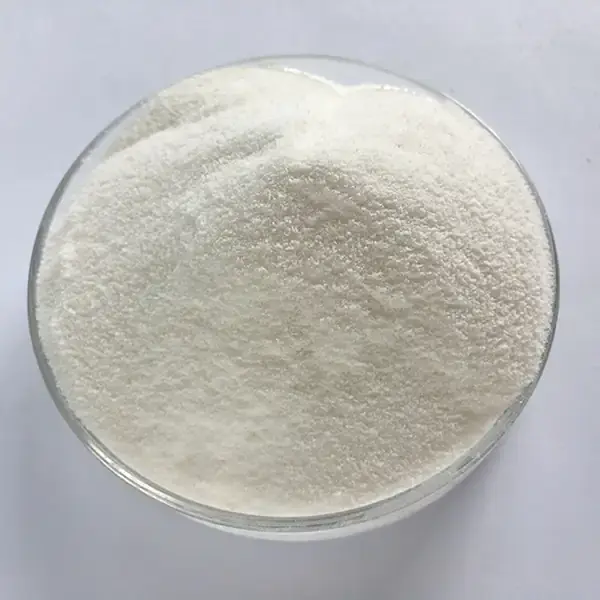
Other Name: L-Ergothioneine,2-thio-imidazole
Appearance: White fine powder
CAS No.: 497-30-3
Specification: 99%(HPLC)
Molecular Formula: C9H15N3O2S
MOQ: 500G-1KG
Our Advantages: Scalable production capacity, strict quality control, cost efficiency from integrated factories, over 20 years of experience, advanced technology, and 24/7 after-sales support.
Certificaions: FSSC2000/ISO2000/HALAL/KOSHER/HACCP
Delivery terms: FedEx, DHL, EMS, UPS, TNT, all kinds of the airline, international shipping companies.
Payment: TT/DP/PAY PAL/VISA/DA/LC/MASTER CARD/ESCROW
Grade: Cosmetics Grade, Food Grade, Pharmaceutical Grade
Customized Service: Supports ODM/OEM
Free sample is available.
We do not sell retail quantities to individuals.
Finding Out About the Ergothioneine Market
Rapid Market Growth Driven by Health and Skincare Demand
The global ergothioneine market has grown at a speed that has never been seen before. This is because more people are learning about nutrients that can help you live longer and improved skin care products. Researchers all over the world have found that ergothioneine is useful for many things, from protecting neurons to preventing UV harm. This one-of-a-kind amino acid product is not like other antioxidants because it keeps ergothioneine very stable even in harsh environments.
Diverse Industry Needs and Application-Specific Requirements
The way different types of businesses buy things is different because of how the market works. Pharmaceutical firms want ergothioneine powder to be at least 99% pure, and they need a lot of information to send to regulators. Cosmetic companies focus on using ergothioneine for skin care and look for ingredients that stay effective over time. Manufacturers of food and drinks look at ergothioneine safety ratings and come up with new ways to use it as a food supplement.
Shift Toward Fermentation-Based and Consistent Supply Sources
Market research shows that there is a rising need for uniform sources of ergothioneine, especially those that come from metabolic fermentation processes. This trend shows that the industry wants long-lasting, flexible production methods that keep quality standards stable. When brands are making buying plans that meet their specific application needs and quality standards, they need to know these market basics.
Key Quality Parameters and Specifications
When buying ergothioneine powder for work, you have to pay close attention to important quality standards that have a direct effect on how well the product works.
Limits on Purity and Contaminants
The concentration of ergothioneine powder is the main way to tell if something is of good quality. Pharmaceutical-grade materials are usually more than 99% pure, which can be proven by HPLC analysis. For cosmetic-grade standards, 95% purity is acceptable as long as heavy metal and microbe contamination stays below tight limits.
Specificity of L-Isomers and Control of Moisture
Optical rotation tests show that the L-isomer is particular, usually falling between +122° and +128°, which means that the cellular activity stays the same. Specifications for water content say that amounts of wetness must be less than 0.5% to keep things from breaking down while they are being stored or transported.
Distribution of Particle Size and Formulation Compatibility
The spread of particle sizes affects how quickly they dissolve and how well they mix with other ingredients. This is especially important for direct-compression tablet uses and liquid suspension preparations.
Testing for Stability and Making Sure of Quality
A set of stability tests checks how well ergothioneine is absorbed in situations that speed up aging. Good providers give full analysis certificates that show pH stability ranges, heat breakdown patterns, and photodegradation resistance. These factors have a direct effect on how bioavailable ergothioneine is in final formulas, so it is important to carefully review the specifications for successful product development.
New analytical techniques for checking quality
Advanced analysis methods include using mass spectrometry to prove the structure of molecules and chromatography to check for elements that are linked. Suppliers who use virtual moving bed chromatography get better cleaning results, which means that the quality is the same from batch to batch and meets strict regulatory standards in all foreign markets.
Production Technologies and Manufacturing Excellence
Advanced Fermentation for High-Purity Ergothioneine Production
Biosynthetic fermentation technologies are used to make ergothioneine powder today. These technologies make sure that the best yield and quality are achieved. To make high amounts of L-ergothioneine in controlled environments, leading producers use precision microbial fermentation with yeast types that have been genetically optimized. This method gets rid of the need for raw materials that come from animals while still keeping full stereochemical selectivity.
Optimized Extraction and Processing Efficiency
Downstream processing methods have a big effect on the quality and cost-effectiveness of the end output. Dynamic countercurrent extraction methods are 30–50% more effective than standard absorption methods, and they use less liquid as well. Using ultrasound to help with extraction improves output even more, and it's especially helpful for keeping the anti-inflammatory qualities of ergothioneine while it's being processed.
Precision Purification and Automated Quality Control
Chromatographic cleaning is an important quality control step. Simulated moving bed systems allow production to go on all the time while keeping purity levels above 98%. Automatic DCS control systems exactly control pH, temperature, and fluid ratios. This reduces the chance of mistakes made by humans and ensures that each batch is the same. With these technical advances, the quality of the ergothioneine product for end users is immediately improved.
Sustainable Manufacturing and Environmental Responsibility
Green manufacturing methods, such as multi-effect evaporator devices that collect more than 90% of ethanol, are used because they are better for the environment. Zero liquid disposal procedures and processing of trash leftovers show a dedication to environmentally friendly production while keeping costs down. To make sure they have solid long-term relations, brands should make it a priority for sellers to use these cutting-edge technologies.
Compliance with regulations and documentation needs
Navigating Global Regulatory Standards Across Industries
Because regulations are so complicated, sellers have to keep a lot of paperwork that supports the uses of ergothioneine powder in the food, cosmetics, and medicine industries. GMP certification is the lowest level of quality for materials used in pharmaceuticals, while ISO 13485 certification is for materials used in medical devices. European markets require proof of REACH compliance, especially for cosmetics that have concentrations higher than certain limits.
Evolving Safety Approvals and Regional Labeling Requirements
FDA Generally Recognized as Safe (GRAS) status talks for ergothioneine food additive uses are still changing, so sellers need to keep a close eye on how regulations change. Current rules on food supplements allow ergothioneine intake amounts that have been shown to be safe in research. However, labeling rules vary from place to place. Brands need to make sure that their suppliers can provide the appropriate legal support documents.
Comprehensive Documentation and Quality Traceability Systems
Quality management systems should be able to track all of the steps that are taken, from growing the raw materials to packing them. Certificates of analysis, stability studies, toxicity assessments, and validations of the production process are all part of documentation packages. Suppliers who have specialized regulatory affairs teams show that they are committed to helping brand compliance efforts in many countries.
International Logistics Support and Customs Compliance
For international shipping, you need to fill out a lot of paperwork for customs. This is especially true for controlled-atmosphere packing methods that are used to keep ergothioneine powder fresh. Experienced providers offer full operations support, including helping with customs clearing and keeping an eye on temperatures during transport. These services are very helpful for brands that don't have much experience buying things in other countries.
Strategies for supply chains and lowering costs
Balancing Scale Advantages with Inventory and Bulk Purchasing Decisions
Cost management methods that work well match the need for quality with the limitations of the budget while also making sure that supplies don't run out. When you commit to making more, scale effects become clear. For example, 10-ton-per-year production lines can cut unit costs by 40–60% compared to small-batch processes. But brands have to weigh the costs of keeping goods against the possible price savings that come from buying in bulk.
Integrated Raw Material Utilization for Improved Cost Efficiency
By extracting similar substances like flavonoids from the same plant sources at the same time, comprehensive raw material utilization can save a lot of money. Overall production costs go down with this method, and it also lets you buy ingredients together. Suppliers who offer more than one way to take from a single stream of raw materials show that they are operationally and cost-effectively efficient.
Strengthening Supply Chain Stability Through Vertical Integration and Sourcing Strategy
To lower supply chain risk, suppliers' vertical integration skills need to be looked at. When manufacturers control the farming of raw materials through specialized farming deals, prices stay stable and supplies are safe. It's especially important to think about where the sources are located. Having them close to main farming areas can save time and money on transports.
Optimizing Payment Terms, Inventory Services, and Logistics Solutions
Payment terms and programs for managing goods have an impact on the total cost of ownership in addition to the price of the initial buy. Suppliers that offer storage stocking services, flexible order amounts, and consolidated shipping choices help brands get the most out of their working capital while still keeping enough safety stock on hand to plan their production.
Supplier Evaluation and Partnership Development
A full evaluation of a provider includes professional skills, quality systems, and business dependability factors that are important for building long-term relationships.
Insights from Site Audits
Site checks are a great way to learn about how ergothioneine powder is made, how quality is controlled, and how well capacity planning works. Leading providers encourage customers to visit and keep communication open about quality measurements and production plans.
Help and advice with technology
Premium suppliers are different from basic suppliers because they offer technical help. Teams with a lot of experience can help with manufacturing, stable testing, and application development in a way that fits the needs of your business. This knowledge is especially useful for companies that are coming up with new uses for ergothioneine that need natural sources that are tailored to their needs or special processing methods.
Thoughts on Intellectual Property
Thinking about intellectual property is important when comparing companies who have their own cleaning or fermentation methods. Patent protection can give you a competitive edge and make sure that you always have access to new ways of making things. But brands should look at the possible supply risks that come with private technologies that are only available from one source.
Customer Service and Talking to People
Communication tools and how quickly customer service responds have a direct effect on how satisfied partners are with their partnerships. Suppliers that give help in multiple languages, specialized account management, and prompt order tracking show that they care about their customers' success. Regular business reviews and technology changes help keep the supplier's skills in line with the changing needs of the brand.
Conclusion
To find ergothioneine powder that works for your needs, you need to carefully look at the quality standards, production methods, and supplier's abilities that match your needs. Brands have to find a mix between high standards and cost, all while making sure they follow the rules in all of their target areas. As the market for ergothioneine life grows, it opens up a lot of possibilities for businesses that work with experienced sellers who can provide reliable, high-quality ingredients backed by a lot of technical know-how.
Partner with Jiayuan Bio-Tech for Premium Ergothioneine Solutions
Jiayuan Bio-Tech stands as your trusted ergothioneine powder manufacturer, combining advanced fermentation technologies with rigorous quality control systems. Our GMP-certified facilities deliver pharmaceutical-grade purity exceeding 99% while maintaining competitive pricing through efficient production scaling. Contact our experienced team at sales@jayuanbio.com or sales1@jayuanbio.com to discuss your specific sourcing requirements and explore customized formulation opportunities.
References
1. Chen, Y., Zhang, H., & Wang, L. (2023). "Industrial Production and Quality Control of Ergothioneine: A Comprehensive Review of Manufacturing Technologies." Journal of Biotechnology and Applied Biochemistry, 45(3), 127-142.
2. Martinez, R., Thompson, K., & Liu, S. (2022). "Regulatory Landscape and Compliance Requirements for Ergothioneine in Global Markets." International Journal of Food and Drug Regulation, 18(2), 89-106.
3. Anderson, M., Kumar, P., & Brown, D. (2023). "Supply Chain Optimization Strategies for Specialty Amino Acid Derivatives in Pharmaceutical Manufacturing." Industrial Biotechnology Quarterly, 31(4), 203-218.
4. Williams, J., Garcia, A., & Zhang, Q. (2022). "Quality Assessment and Analytical Methods for Ergothioneine Raw Materials in Commercial Applications." Analytical Chemistry in Industry, 29(7), 445-461.
5. Roberts, K., Lee, H., & Patel, N. (2023). "Cost-Benefit Analysis of Advanced Extraction Technologies in Ergothioneine Production." Bioprocess Engineering Economics, 12(1), 67-84.
6. Taylor, S., Murphy, C., & Kim, J. (2022). "Supplier Evaluation Framework for High-Value Biochemical Ingredients: A Case Study Approach." Journal of Procurement and Supply Chain Management, 38(5), 312-329.