

Ergothioneine Powder for Skin: Anti-Aging Effects Explained
Ergothioneine powder has raced from the research bench into commercial skin care – and the claims around it more quickly than the facts. This guide is for formulators, brand owners and procurement teams looking at ergothioneine powder as an anti-ageing active and distinguishes the two by looking at what the cell and human studies reveal, how it behaves in a formula, what to check before you purchase, and which papers each market wants. It is a technical reference and not medical advice.
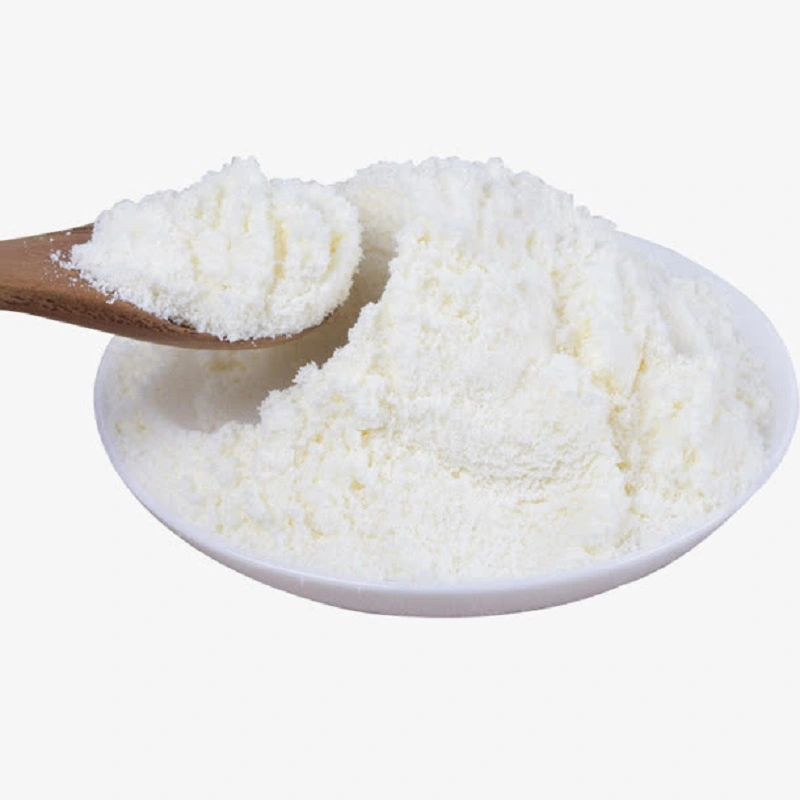
Other Name: L-Ergothioneine,2-thio-imidazole
Appearance: White fine powder
CAS No.: 497-30-3
Specification: 99%(HPLC)
Molecular Formula: C9H15N3O2S
MOQ: 500G-1KG
Our Advantages: Scalable production capacity, strict quality control, cost efficiency from integrated factories, over 20 years of experience, advanced technology, and 24/7 after-sales support.
Certificaions: FSSC2000/ISO2000/HALAL/KOSHER/HACCP
Delivery terms: FedEx, DHL, EMS, UPS, TNT, all kinds of the airline, international shipping companies.
Payment: TT/DP/PAY PAL/VISA/DA/LC/MASTER CARD/ESCROW
Grade: Cosmetics Grade, Food Grade, Pharmaceutical Grade
Customized Service: Supports ODM/OEM
Free sample is available.
We do not sell retail quantities to individuals.
Understanding Ergothioneine Powder and Its Skin Benefits
Two properties explain most of this ingredient's commercial appeal: it resists oxidation unusually well, and skin cells actively pull it in rather than waiting for diffusion.
Chemical Structure and Cellular Transport
Its formula is C9H15N3O2S. Commercially, what is important is that the molecule is present as a thione rather than a thiol at physiological pH, maintaining the sulfur in a form that is resistant to auto-oxidation that kills most sulfur-containing antioxidants (Paul & Snyder, 2010).
The second property is transportation. Humans cannot create ergothioneine, which is produced solely by certain fungi and bacteria (Borodina et al., 2020). Cells take it up via OCTN1, a transporter protein that particularly matches this chemical. This is the reason why skin cells absorb and retain OCTN1 (Gründemann et al., 2005; Markova et al., 2009). So delivery is as important as the amount of use.
Comparative Analysis with Traditional Antioxidants
The honest comparison is perseverance, not strength. Most antioxidants are used as they act; ascorbic acid oxidizes in water, glutathione is reduced as it scavenges, tocopherol is wasted defending lipids. Each requires renewal by another antioxidant to be functional. Ergothioneine is maintained in its reduced form and not quickly metabolized (Cheah & Halliwell, 2012; Halliwell et al., 2018).
| Antioxidant | Behaviour in formula | Needs regenerating? |
|---|---|---|
| Ergothioneine | Stays in reduced thione form; resists auto-oxidation | No |
| Vitamin C (L-ascorbic acid) | Oxidises in water; pH dependent | Yes |
| Glutathione | Oxidised and depleted as it scavenges | Yes |
| Vitamin E (tocopherol) | Spent protecting lipids | Yes |
For a formulator the practical consequence is fewer constraints: no special carrier, no acidic pH requirement, and none of the packaging gymnastics that vitamin C demands.
Scientific Evidence for Skin Health Applications
The separation marketing copy blurs is between cell work and human trials: the skin-specific evidence is in vitro. In cultured human keratinocytes and fibroblasts, ergothioneine accumulates via OCTN1 and reduces reactive oxygen species together with DNA, protein and lipid damage under simulated solar UV; it also limits apoptosis and improves cell viability (Markova et al., 2009; Hseu et al., 2015).
They stopped activation of the collagen-degrading enzyme MMP-1, protected type I procollagen from degradation, reduced AP-1 signaling at submicromolar doses in UVA-irradiated human dermal fibroblasts while upregulating Nrf2-driven antioxidant genes (Hseu et al., 2020).
The human evidence is genuine but of a different type. To date, published randomized controlled trials have used oral supplementation, not topical application: 12 weeks of 25 mg per day improved skin moisture on the temple and arm, decreased transepidermal water loss, and achieved better wrinkle and texture scores compared to placebo in 80 healthy women (Hanayama et al., 2024). The pure chemical is orally absorbed and accumulated in the blood (Cheah et al., 2017).
If read together, it eliminates one irresponsible assertion and backs up one defensible argument. Defensible: ergothioneine powder is protective to skin cells from oxidative damage and oral supplementation has evaluated improvements in skin hydration and texture. Not supported: any claim of clinical proof that topical treatment improves elasticity.
If you are assessing the ingredient quickest way is sample + technical data package - assay & identification, stability data, current batch COA. Send your request to sales@jayuanbio.com and we will match the grade to the format you desire.
Key Benefits of Ergothioneine Powder for Skin Health
Three mechanisms do the commercial work: antioxidant protection, interference with the inflammatory signalling that breaks down collagen, and support for the skin's own repair machinery. Each rests on a different strength of evidence, and knowing which is which keeps your claims defensible.
Antioxidant and Anti-Inflammatory Properties
Ergothioneine scavenges hydroxyl radicals and peroxynitrite-derived species without becoming a pro-oxidant itself, a failure mode that restricts some better-known antioxidants (Akanmu et al., 1991; Aruoma et al., 1997). Since OCTN1 expression increases in areas of greatest oxidative stress, it targets these areas.
In inflammation, cell evidence indicates interference with AP-1, the transcription factor that turns on collagen-degrading MMPs following UV exposure (Hseu et al., 2020). The marketing text overreaches by taking that process and translating it into a clinical anti-inflammatory effect in humans: the mechanism is well established, the human outcome is not.
DNA Protection and Cellular Repair Enhancement
Keratinocytes that accumulate ergothioneine show less DNA damage after simulated solar UV, and the same work suggests it may support DNA repair rather than only preventing damage. Reduced oxidative damage limited apoptosis and raised cell viability (Markova et al., 2009).
That is a strong in vitro result and a legitimate platform for photoprotective-support messaging — provided it is labelled as cell work. It does not establish a DNA-repair benefit in living human skin, and no published human trial has measured one.
Comparative Advantages Over Alternative Ingredients
The practical reasons formulators prefer ergothioneine powder over alpha-lipoic acid, N-acetylcysteine or high dosage vitamin C are about the formula, not the biology. It is water soluble, hence requires no solubilizer and no oil phase. It is tolerant of a broad pH range and standard process temperatures, decreasing the chance of rework when introduced late in a batch. It works with ascorbate, not against it, therefore it works with antioxidant network formulae, rather than imposing a decision (Aruoma et al., 1997).
Where it falls down is cost per gram. Ergothioneine is one of the most costly cosmetic actives, which is why use levels are modest and why it belongs in a premium positioning rather than a budget line.
Optimal Usage and Dosage Guidelines for B2B Applications
Use level, grade and process placement decide whether the ingredient performs in a finished product, and they decide unit cost too. The ranges below reflect current formulation practice, not clinical dose-response findings, and should be confirmed against your own stability testing.
Concentration Parameters for Topical Applications
| Product format | Typical use level | Formulation note |
|---|---|---|
| Premium leave-on serum | 0.1–0.5% | Water phase, add below 40 °C |
| Day or night cream | 0.05–0.3% | Confirm emulsion stability |
| Eye-area products | 0.05–0.2% | Lower end for periorbital use |
| Post-procedure recovery | 0.2–0.5% | Pair with barrier ingredients |
| Antioxidant network serum | 0.1–0.3% | Complements vitamin C |
Two calibration notes. Some vendors price premium serums at up to 2%; beyond around 0.5% cost rises dramatically and extra value is impossible to show, thus the highest range is a positioning choice, not a suggestion. On purity, there is no hard boundary between cosmetic and medicinal grade. What matters is the specification you agree - assay, identification, related chemicals, residual solvents, heavy metals, microbiological limits - and that every batch COA is reported against it.
Integration into OEM Product Pipelines
Ergothioneine is straightforward to place in an existing line. It goes into the water phase during cool-down, below about 40 °C, even though the molecule is heat-stable — late addition protects the rest of the formula, not the ergothioneine. Standard integration checks then apply: pH after addition, emulsion stability across shelf life, and compatibility with your preservative system.
One step deserves more attention than it usually gets. Because the molecule is membrane-impermeative and depends on OCTN1 to enter cells (Markova et al., 2009), a formula that simply dissolves it in a water phase may leave much of it on the surface. Encapsulation or liposomal delivery is where credible penetration claims come from.
Safety Profile and Regulatory Compliance
The answer changes based on how it's used. Each structure can be used on its own. The EU's Regulation (EC) 1223/2009 says that the ingredient can be used in cosmetics. It is not a banned substance, but the finished product needs its own safety report and product information file. The European Union accepted L-ergothioneine as a new food ingredient that can be eaten in 2017 (Commission Implementing Decision (EU) 2017/1281). This came after an EFSA review that found a rat study that showed an acceptable daily amount of 800 mg/kg body weight (EFSA NDA Panel, 2016). That approval only covers certain types of food, and babies and little kids are not allowed.
If the draft is going to be used, it should not say that patch tests have shown that the chemical is safe for all skin types and all ways of administration or that clinical study has shown that it does not cause any bad responses. Not a well-known sensitizer. A very different and stronger claim. Since there isn't a sample that works for all skin types, it is still common to try your whole product on a small area of skin. Most countries consider claims about skin, moisture, or collagen to be structure/function claims, and you need to back them up for your own product, not just copy them from a supplier's site.
Procurement Insights for Ergothioneine Powder in Bulk
Supplier selection turns on three things: whether the specification holds batch to batch, whether documentation is complete enough for your target markets, and whether supply is reliable enough to plan a production run. Price matters, but only once those three are settled.
Supplier Evaluation Criteria and Certifications
Start with the scheme, not the acronym. For a food or nutraceutical ingredient the relevant certifications are GMP, ISO 9001, ISO 22000 and FSSC 22000. If a supplier leads with ISO 13485, ask why: that is a medical-device standard, and finding it on a supplement datasheet suggests the documentation was assembled by someone unfamiliar with the category.
| Verify | Document to request | Why it matters |
|---|---|---|
| Identity and assay | Batch COA with HPLC assay | Confirms molecule and strength |
| Impurities | COA annex or third-party lab report | Finished-product compliance |
| Manufacturing standard | GMP / ISO 9001 / ISO 22000 / FSSC 22000 certificate (check scope) | Scheme must match the category |
| Production route | Fermentation or extraction statement | Supply stability |
| Traceability | Batch record summary, change-notification policy | Risk management |
Ask for these documents before you ask for a price; a supplier who produces them quickly tells you more than any brochure claim.
Bulk Purchasing Strategies and Cost Optimization
Cost per gram is the right metric only when you compare like with like, and quotes in this category rarely are. Assay grade, production route, documentation scope and packaging differ between offers, so fix the specification and document list in writing first, then compare.
- Annual volume agreements with scheduled releases. Committing to a quantity but taking delivery across the year buys a better unit price than spot ordering and keeps working capital out of your warehouse.
- Consolidated sourcing across a supplier's range. Ordering ergothioneine powder alongside other extracts you already buy reduces freight and administration, and simplifies incoming inspection.
- Delivery schedules matched to production cycles. Releasing material against a confirmed plan instead of holding stock cuts inventory carrying cost and reduces material ageing in storage.
| Cost driver | What moves it | Practical lever |
|---|---|---|
| Assay grade | Higher assay, tighter specification | Match grade to the claim you make |
| Production route | Fermentation vs. extraction | Fermentation for repeatable titre |
| Volume and cadence | Annual commitment vs. spot order | Rolling release against a plan |
| Documentation scope | Extra testing, market dossiers | Agree the document list up front |
| Packaging and storage | Cool, light-protected, sealed | Packaging that fits your warehouse |
Note what is absent from that table: a discount percentage. Any supplier quoting a fixed saving before knowing your specification, volume and market is quoting a marketing number, not a price.
Quality Assurance and Technical Support
As a starting point, the incoming check, the COA proof against the agreed standard, and the regular source reports make up the baseline. Besides that, professional support decides how quickly your product gets to market. A good partner can shorten your development cycle by helping with preparation, stable testing, and regulation paperwork.
As soon as you have the specification, send it to us. We'll then send you a quote along with a list of technical data sheets and other documents that are relevant to your target markets. Send an email to sales@jayuanbio.com with your style, use level, and target markets.
Integrating Ergothioneine Powder into Your Skin Care Product Line
Incorporating the ingredient well is mostly a matter of pairing and delivery: choosing co-actives that reinforce it, and making sure it reaches the cells that use it.
Synergistic Ingredient Combinations and Formulation Strategies
Ergothioneine combines well across the common antioxidant network. With vitamin C it is complementary rather than competitive (Aruoma et al., 1997); vitamin E and hyaluronic acid extend both the antioxidant and moisture claims in a single formula; niacinamide and peptides act through separate pathways, so the combination is additive rather than redundant.
Delivery decides whether the mechanism reaches the skin. Because the molecule needs OCTN1 to cross into cells (Markova et al., 2009), encapsulation or a liposomal carrier is what separates a formula that carries the ingredient from one that delivers it. Penetration claims require a study on your finished formula.
Regulatory Compliance and Documentation Requirements
Cosmetic frameworks ask two questions: is the ingredient safe in the finished product, and is the marketing claim substantiated? The EU path runs through a cosmetic product safety report and a product information file; the US framework centres on ingredient safety and label accuracy. For ingestible formats, documentation shifts to novel food or dietary supplement requirements.
| Market | Framework | What the buyer needs |
|---|---|---|
| EU (cosmetic) | Regulation (EC) 1223/2009 | Safety report and product information file |
| EU (ingestible) | Novel food authorisation 2017/1281 | Evidence for the permitted scope |
| United States | FDA cosmetics / dietary supplement | Ingredient identity, GMP, label accuracy |
| China | NMPA cosmetics framework | Ingredient filing support |
| Japan, Korea, ASEAN | Local ingredient listings | Market-specific dossier |
One rule saves time: collect the documentation when you place the first order, not when you are ready to launch. Regulatory files are the most common cause of a delayed launch in this category, and the cheapest to fix early.
Case Studies and Market Success Examples
This is when the ingredient pages start to lie. But not this one. A bunch of published trials, not customer case studies, are what the market evidence for ergothioneine is, and you should read those trials before you make a claim.
The strongest human proof comes from the previously mentioned 12-week randomized double-blind placebo-controlled experiment. It involved 80 healthy women taking 25 mg/day. At 8 weeks, the moisture levels increased significantly, and at 12 weeks, the women reported better wrinkle and smoothness scores than those who took the placebo. After the wetness level rose, plasma ergothioneine rose 4.7 times (Hanayama et al., 2024). The wrinkle-reducing process is based on research done in a lab setting: UVA-irradiated human dermal fibroblasts were protected against type I procollagen and MMP-1 was stopped (Hseu et al., 2020).
Commercially, the claims about water and smoothness are backed up by proof from real people, as long as they are used on a product at the same dose that was used in the study. The way that cells fight wrinkles is known. If you need brand-side recipe examples that are protected by an NDA, feel free to get in touch with us.
Conclusion
Ergothioneine powder has its position in a premium skin care line for two reasons that are hard to replicate: an antioxidant that does not be eaten and active transport into skin cells that are subject to oxidative damage. Mechanistic level anti-wrinkle support, including evidence for a photoprotective and hydrating stance. The element is not the business danger; it is the overstating of it. Suppliers who segregate the cell work from the human trials, who publish a specification and not an adjective, who pass over paperwork before the first order are worth creating a line around.
FAQ
1. What makes ergothioneine powder superior to other antioxidants for skincare applications?
Superior is the wrong word; different is the accurate one. Ergothioneine enters skin cells through the OCTN1 transporter rather than by passive diffusion (Gründemann et al., 2005; Markova et al., 2009), and it stays in its reduced form instead of being consumed as it scavenges (Cheah & Halliwell, 2012). Against vitamin C and glutathione the advantage is stability and retention, in the formula and in the cell — not a higher scavenging rate per molecule.
2. How does ergothioneine powder ensure safety across different skin types?
No published trial tests every skin type, so patch testing your finished formula remains standard practice. What can be said responsibly: ergothioneine is not a recognised sensitiser; the finished product's safety is assessed through your own route, a cosmetic product safety report in the EU; and for ingestible formats the EU novel food authorisation sets the permitted scope, excluding infants and young children (EFSA NDA Panel, 2016).
3. What are the optimal concentration ranges for ergothioneine in commercial formulations?
Most commercial formulas use 0.05–0.5%, with premium-positioned serums at the upper end; some suppliers quote up to 2%, though cost climbs steeply above roughly 0.5% and incremental benefit is hard to demonstrate. The use-level table above breaks this down by product type. Whatever range you choose, verify it against your own stability and challenge testing.
Partner with Jiayuan Bio-Tech for Premium Ergothioneine Solutions
Jiayuan Bio-Tech supplies ergothioneine powder manufactured by fermentation, finished with simulated moving bed (SMB) chromatography and held to the specification you agree. Every batch ships with a certificate of analysis covering assay, identity, related substances, residual solvents, heavy metals and microbial limits, and grades run from cosmetic specification to high-purity material for premium formulations. We also provide formulation support, stability data and regulatory documentation for your target markets.
Send your specification, intended format and destination markets, and we will come back with a quotation, a sample and the document list. Start with sales@jayuanbio.com for commercial and sample requests; sales1@jayuanbio.com handles technical data and documentation for regulatory submissions.
References
1. Paul, B.D., Snyder, S.H. "The unusual amino acid L-ergothioneine is a physiologic cytoprotectant." Cell Death and Differentiation, vol. 17, no. 7, 2010, pp. 1134–1140.
2. Cheah, I.K., Halliwell, B. "Ergothioneine: antioxidant potential, metabolic function, and role in disease." Biochimica et Biophysica Acta, vol. 885, vol. 1822, no. 5, 2012, pp. 784–793.
3. Markova, N.G., Karaman-Jurukovska, N., Dong, K.K., Damaghi, N., Smiles, K.A., and Yarosh, D.B. "L-ergothioneine can be used by skin cells and tissue as an important part of their antioxidant defense system." Free Radical Biology and Medicine, vol. 46, no. 8, 2009, pp. 1168–1176.
4. Rashid, I., Kode, A., and Biswas, S.K. "Assay for quantitative determination of glutathione and glutathione disulfide levels using enzymatic recycling method." Nature Protocols, vol. 1, no. 6, 2006, pp. 3159–3165.
5. Gründemann, D., Harlfinger, S., Golz, S., Geerts, A., Lazar, A., Berkels, R., Jung, N., Rubbert, A., & Schömig, E. "Discovery of the ergothioneine transporter." Proceedings of the National Academy of Sciences, vol. 102, no. 14, 2005, pp. 5256–5261.
6. Bang, B., Cheah, I.K., and Tang, R.M. "Ergothioneine is an antioxidant that can be found in food and may have medicinal uses." FEBS Letters, vol. 5, no. 20, 2018, pp. 3357–3366.
You May Like
0