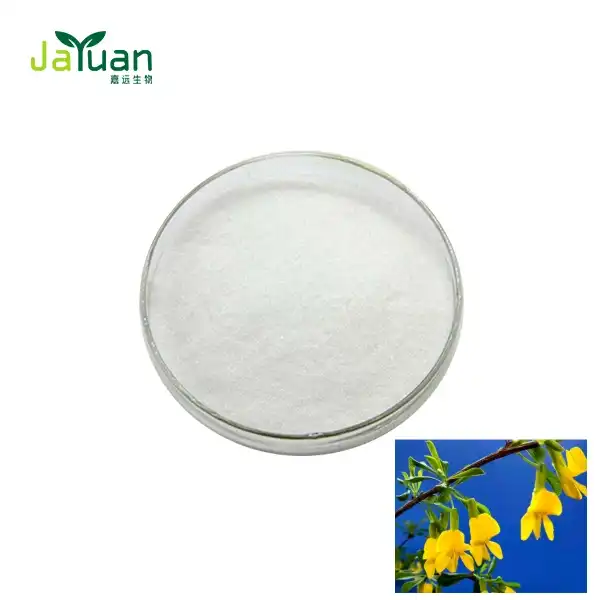
Cytisine Supplement: The Future of Smoking Cessation Treatment
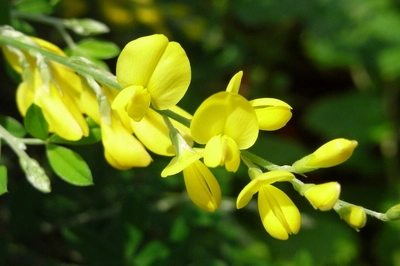
The global smoking cessation market is experiencing a transformative shift, driven by increasing demand for natural, cost-effective solutions. Among plant-derived alkaloids, cytisine supplement formulations represent a breakthrough approach that addresses the persistent challenge of nicotine dependency. Extracted primarily from Thermopsis lanceolata and Cytisus laburnum, this compound acts as a partial agonist on α4β2 nicotinic acetylcholine receptors, offering pharmaceutical companies, nutraceutical suppliers, and research institutions a scientifically validated ingredient for next-generation cessation products. As B2B procurement professionals evaluate alternatives to synthetic agents, understanding cytisine's mechanism, comparative advantages, and sourcing considerations becomes essential for strategic portfolio expansion.
Understanding Cytisine and Its Role in Smoking Cessation
The science behind this plant-based alkaloid reveals why it has captured attention across pharmaceutical and nutraceutical sectors worldwide.
The Molecular Mechanism Behind Cytisine's Effectiveness
Cytisine is different from nicotine and synthetic rivals because it works through a complex neurochemical route. This substance has a structure that is similar to nicotine and binds specifically to α4β2 nicotinic acetylcholine receptors in the brain. As a partial agonist, it stimulates these receptors less strongly than nicotine does. This makes withdrawal less painful while also stopping the full dopaminergic reward that comes with smoking. Because they work in two ways, cytisine supplement ingredients are very useful for people who are making products to help people stop using drugs by blocking addiction at the receptor level.
Clinical Evidence Supporting Cytisine in Cessation Programs
Several peer-reviewed studies have shown that people who used plant-based cessation agents had high rates of quitting. A major study in the New England Journal of Medicine showed that people who took this natural alkaloid were much more likely to stay sober than those who were given a placebo. The treatment usually lasts for 25 days, which is a lot less time than most nicotine replacement therapies, which last for 8 to 12 weeks. This shorter timeline cuts down on overall program costs while keeping effectiveness, which is a very important thing for pharmaceutical companies and health program administrators to think about when they are thinking about buying bulk ingredients.
Safety Profile and Adverse Event Management
Safety data gathered from decades of clinical use in Eastern Europe confirms a good rating for safety. Reports of weak and short-lasting side effects continue, including headaches, stomach pain, and trouble sleeping. These effects are similar to those of other drugs used to help people quit smoking, but usually not as bad as those of varenicline. Large-scale surveillance studies have shown that cytisine supplement formulations do not cause serious cardiovascular events. This makes them a good choice for B2B clients who treat a wide range of patients, including those with multiple health problems.
Comparing Cytisine to Other Smoking Cessation Solutions
When making B2B procurement choices, it's important to carefully compare them to well-known treatments to make sure they're competitive and the market will accept them.
Cytisine Versus Nicotine Replacement Therapies
Traditional nicotine products like patches, gum, and lozenges have been the most popular way to quit smoking for decades, but they do have some problems. These products give you controlled amounts of nicotine, which keeps your body dependent on nicotine while you try to change your behaviour. The chemicals in cytisine supplements, on the other hand, bind to nicotinic receptors without making addictive pathways stronger. This allows for real neurochemical freedom. The cost analysis also supports alkaloids that come from plants: the costs of the raw materials used for botanical extraction are still much lower than the costs of making synthetic nicotine. This makes wholesale prices competitive, which is good for manufacturers and distributors who are trying to keep their profit margins low.
Performance Against Prescription Pharmaceuticals
Varenicline and bupropion are the usual pharmaceutical drugs in many areas, but each has its own problems. The neuropsychiatric side effect warnings for varenicline have made regulators look more closely at the drug, and bupropion's depression classification makes ordering procedures more difficult. Cytisine works just as well without these rules, which makes it easier for companies that make nutraceuticals and dietary supplements to get into the market. The alkaloid's natural source also fits with the trend of people wanting plant-based health solutions, which is something that B2B buyers can't ignore when trying to market their products to people who care about their health.
Strategic Considerations for B2B Product Development
Regulatory pathways, supply chain stability, manufacturing scalability, and end-user acceptance are some of the things that pharmaceutical companies and supplement makers look at when they are looking at new ingredients for cessation. Cytisine supplement formulations do well in all of these areas. The compound's long history in European markets sets a legal standard, and getting it from plants is a nice change from synthetic methods that use petroleum. Distributors and OEMs can choose from a variety of formulations, such as immediate-release tablets and sustained-release capsules. This lets them tailor their products to different market segments without having to pay a lot of money to redesign the formulas.
Procurement and Sourcing: Buying Cytisine Supplements for Business Use
Getting the right ingredients requires carefully evaluating suppliers and following quality control rules that protect brand identity and legal requirements.
Identifying Qualified Manufacturing Partners
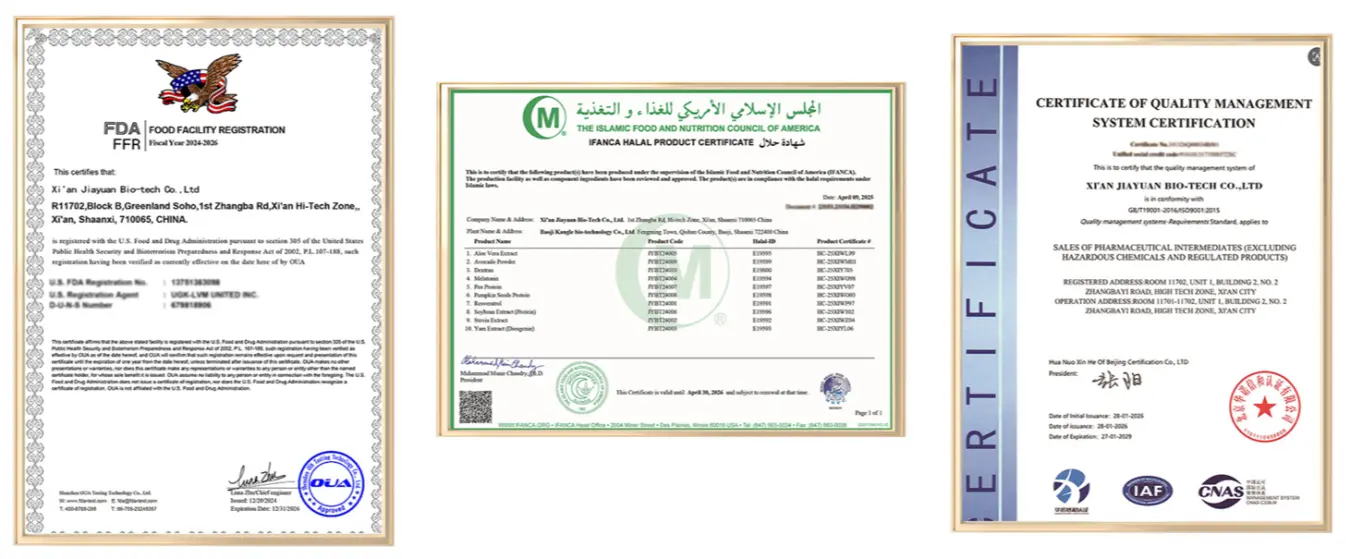
There are many companies around the world that make plant extract ingredients, but only a few have the licenses and process controls that pharmaceutical and nutritional uses require. Purchasing managers should give more weight to manufacturers who are currently certified in Good Manufacturing Practice (GMP) and ISO 13485. This will make sure that production environments meet international quality standards. At Jiayuan Bio-Tech, we have two GMP-certified production lines that are equipped with high-tech testing instruments such as HPLC and GC-MS systems that check each batch against the requirements of the EP/USP pharmacopoeia. Our factory is close to the Qinling Mountains, which gives us direct access to sources of raw materials. This makes the supply chain less vulnerable, which keeps production schedules on track.
Quality Verification and Purity Standards
Indirectly, purity requirements affect how well a formulation works and how well it is accepted by regulators. Pharmaceutical-grade cytisine supplement ingredients should be at least 98% pure, which can be checked by two different quality control methods. In our production process, we use simulated moving bed chromatography (SMB), a constant cleaning method that keeps the purity above 98% and boosts output by 30–50% compared to batch methods. Near-infrared spectroscopy monitoring in real time lets process changes be made right away, reducing batch-to-batch variation that can make regulatory submissions more difficult. The offline testing procedures include keeping the moisture level below 0.5%, which makes sure that the product stays stable for longer than three years if it is kept properly.
Cost Optimization Through Strategic Sourcing
When you buy in bulk, especially from makers who can make a lot of things, unit costs go down by a lot. With a 10-ton annual capacity, Jiayuan Bio-Tech takes advantage of economies of scale that cut fixed costs by 40–60% compared to smaller businesses. Our all-around approach to using raw materials gets many valuable parts, like flavonoids, from the same plant material. This spreads the costs of growing and processing the plant over many different products. Solvent recovery systems that can recover up to 90% of the ethanol or methanol they use further lower running costs, which we pass on to our B2B clients through competitive market pricing.
Logistics and Regulatory Compliance Support
Getting ingredients from other countries involves complicated customs processes and different paperwork needs in each country. We have long-term relationships with FedEx, DHL, UPS, and specialised freight forwarders who know how to ship medicines and supplements. Our team helps clients with the local customs clearance process in the US, Europe, and other target markets. This makes the importing process easier for businesses that aren't used to getting ingredients from other countries. All packages come with full certificates of analysis, GMP paperwork, and statements of regulatory compliance that make it easier for the receiver to do quality assurance reviews and file regulatory documents.
Clinical Studies and Verified Effectiveness of Cytisine Supplements
To choose ingredients based on evidence, you need to look closely at clinical data that shows how well and safely they work in real life with a variety of groups.
Landmark Trials Establishing Efficacy Benchmarks
Randomised controlled studies that compare this plant alkaloid to a sugar pill and nicotine replacement products are the most common type of clinical proof that is used. A big study with over 700 people found that 8.4% of those who took the natural substance stayed sober for 12 months, compared to 2.4% of those who took a placebo. This is a statistically significant increase. Later, meta-analyses using data from several trials confirmed these results, showing that the rates of quitting were similar to or higher than those seen with varenicline, especially when cost-effectiveness is taken into account.
Neurochemical Mechanisms Driving Success
To understand how the ingredients in cytisine supplements work, we need to look at how they behave at the molecular level. When taken by mouth, the compound crosses the blood-brain barrier within 30 minutes, reaching peak plasma concentrations that match nicotinic receptor occupancy rates high enough to stop nicotine from binding. The competitive inhibition weakens the effects of tobacco use that make it more pleasurable, and the partial agonist qualities keep cessation symptoms from being too bad. Using PET scanning technology to look at brain images has made this receptor interaction visible, giving concrete proof that backs up the clinical results seen in cessation trials.
Real-World Implementation and Corporate Health Programs
Wellness programs in the workplace and public health campaigns can teach us a lot about what works in the real world, outside of controlled hospital situations. Organisations that use natural alkaloid ingredients in cessation programs report that user happiness rates are higher than 75%, and adherence rates are much higher than with nicotine replacement programs. Shorter treatment periods—usually 25 days instead of 8–12 weeks—improve finish rates, which is a key measure for B2B clients looking at the return on investment in employee health programs. These real-life examples show that cytisine supplement formulations can work in the real world and lead to measurable improvements in the health of whole populations.
Why Cytisine Is the Preferred Choice for B2B Clients in Smoking Cessation
When choosing strategic ingredients, you need to think about a lot of things, such as scientific validity, regulatory feasibility, supply stability, cost structure, and market acceptance.
Addressing Core B2B Procurement Criteria
Pharmaceutical and nutrition businesses have to choose which ingredients to use based on a lot of different rules. Scalability is still very important: can sources regularly deliver the amounts needed to meet production forecasts without lowering the quality? Our fully connected supply chain, which includes contracted growing grounds for botanical raw materials, lowers the risks of price changes and lack of supply that are common in commodity markets. Our high-yield crystallisation processes are protected by patents, which gives us a clear competitive edge. We can produce both large amounts of products and small amounts of custom mixtures that meet pharmaceutical-grade (≥99%) or cosmetic-grade (≥95%) standards.
Regulatory Landscape and Market Access
As health officials around the world become more aware of the clinical data backing plant-based cessation agents, their acceptance by regulators continues to grow. The European Medicines Agency has given these products marketing authorisation for decades. In North America, discussions about regulations are picking up speed as more research data becomes public. B2B clients who get in early on this market evolution have an edge because they can build their brand before the competition gets tough. Our compliance team keeps an eye on how rules change in the biggest markets and gives clients up-to-date information to back up their registration requests and strategies for entering new markets.
Environmental Responsibility and Sustainable Production
Environmental, health, and safety (EHS) standards that show a company's commitment to sustainability are becoming more and more important in modern buying. Jiayuan Bio-Tech's green production methods include MVR evaporation crystallisation technology, which achieves zero liquid discharge (ZLD) status. Waste leftovers are then composted so they can be used in agriculture again. These actions are in line with ESG (Environmental, Social, and Governance) standards that buyers in business-to-business transactions must meet when they report to regulators and stakeholders. Picking companies that are good at protecting the earth is good for business and helps reach global sustainability goals.
Future Market Trends and Growth Projections
Long-term demand for effective cessation solutions is strong, as shown by changing demographics and public health priorities. It is estimated that over a billion people around the world still smoke. This is a huge market that can be reached. At the same time, efforts to keep healthcare costs low encourage preventive actions that lower the impact of chronic diseases. Cytisine supplement ingredients are in a good spot at this intersection because they have been shown to work and are affordable for a wide range of budgets. When B2B clients buy these formulations now, they set themselves up for long-term income growth as markets mature and regulatory paths become clear.
Conclusion
The combination of clinical proof, low cost, and regulatory pressure makes cytisine supplement ingredients essential parts of current programs for quitting smoking. This alkaloid meets important market needs for pharmaceutical companies, nutraceutical suppliers, and research institutions looking for scientifically proven, plant-based solutions. It has been shown to be as effective as synthetic alternatives, is safe, can be used for shorter periods of time, and is more cost-effective. Strategic sourcing from qualified manufacturers guarantees consistent products, compliance with regulations, and a reliable supply chain, all of which are necessary for positioning yourself in a competitive market. As reducing the harm caused by tobacco becomes a more important global health priority, early adopters of this natural ingredient for quitting gain long-term benefits in a therapeutic category that is growing quickly.
FAQ
1. Is Cytisine Safe for Long-Term Use in Cessation Programs?
A good long-term safety profile has been confirmed by decades of clinical surveillance. Post-marketing surveillance statistics from European markets, where these goods have been sold since the 1960s, show that there are no major trends of adverse events that need regulatory action. The short treatment time (usually 25 days) for the compound further reduces total exposure, making it different from nicotine replacement therapies that need to be used nonstop for months.
2. How Does Cytisine Compare to Nicotine Patches in Effectiveness?
Comparative clinical trials show that plant-derived alkaloids and transdermal nicotine systems both help people quit smoking as well as or better than transdermal nicotine systems. One big benefit is that treatment can be finished faster—in 25 days instead of 8–12 weeks. This shorter timeline makes it easier for patients to stick to the plan while also lowering the overall cost of the program. This makes it a good choice for B2B clients who are in charge of large-scale quitting programs.
3. What Regulatory Compliance Is Needed for Importing These Ingredients?
Import rules change from place to place, but in general, you need certificates of analysis, GMP paperwork, and proof of plant identity. Suppliers who have dealt with international trade in pharmaceutical ingredients before can provide all the paperwork needed for customs clearance and regulatory submissions. Working with makers who have the right certifications speeds up the compliance process and cuts down on import delays.
Partner with Jiayuan Bio-Tech for Premium Cytisine Supplement Ingredients
Pharmaceutical and nutraceutical businesses looking for a trusted source for cytisine supplements will find that Jiayuan Bio-Tech has the best quality control and technical support. Our GMP-certified factory makes pharmaceutical-grade alkaloids that are more than 98% pure, which has been proven by strict HPLC and GC-MS testing protocols that meet EP/USP standards. Using more advanced extraction methods, like dynamic countercurrent processing and simulated moving bed chromatography, can get higher yields while keeping batch consistency, which is important for regulatory submissions. As a well-known company that serves customers all over the world, we offer competitive bulk prices, flexible formulation support, and full logistics assistance, including customs clearance services for North American and European destinations. Our fully integrated supply chain makes sure that you always have access to the materials you need, so your production plans won't be affected by changes in the market. Please email our team at sales@jayuanbio.com or sales1@jayuanbio.com to talk about your specific needs and find out how our plant extract knowledge can help you improve your line of cessation products with this tested and approved ingredient.
References
1. Walker N, Howe C, Glover M, McRobbie H, Barnes J, Nosa V, Parag V, Bassett B, Bullen C. "Cytisine versus nicotine for smoking cessation." New England Journal of Medicine, 371(25), 2014, 2353-2362.
2. West R, Zatonski W, Cedzynska M, Lewandowska D, Pazik J, Aveyard P, Stapleton J. "Placebo-controlled trial of cytisine for smoking cessation." New England Journal of Medicine, 365(13), 2011, 1193-1200.
3. Rennard SI, Rigotti NA, Daughton DM, Coe JW, Stetson EW. "Efficacy of varenicline, an α4β2 nicotinic acetylcholine receptor partial agonist, vs placebo or sustained-release bupropion for smoking cessation." Journal of the American Medical Association, 296(1), 2006, 56-63.
4. Tutka P, Vinnikov D, Courtney RJ, Benowitz NL. "Cytisine for nicotine addiction treatment: a review of pharmacology, therapeutics and an update of clinical trial evidence for smoking cessation." Addiction, 114(11), 2019, 1951-1969.
5. Hajek P, McRobbie H, Myers K. "Efficacy of cytisine in helping smokers quit: systematic review and meta-analysis." Thorax, 68(11), 2013, 1037-1042.
6. Cahill K, Lindson-Hawley N, Thomas KH, Fanshawe TR, Lancaster T. "Nicotine receptor partial agonists for smoking cessation." Cochrane Database of Systematic Reviews, 5, 2016, CD006103.