
Complete Guide to Ergothioneine Supplement Buying
Selecting an Ergothioneine Supplement is not just a price list comparison. Whether you’re creating nutraceuticals, producing cosmetic goods, or delivering research materials, the supplier you pick may have a direct influence on product performance, batch-to-batch uniformity, and regulatory compliance. This article takes B2B buyers through the most important variables from purity requirements and extraction processes to safety profiles and supplier assessment so you can make educated purchase choices. Companies such as Jiayuan Bio-Tech have developed their reputations by following these precise requirements and we’ll be referring to what to look for along the way.
Other Name: L-Ergothioneine,2-thio-imidazole
Appearance: White fine powder
CAS No.: 497-30-3
Specification: 99%(HPLC)
Molecular Formula: C9H15N3O2S
MOQ: 500G-1KG
Our Advantages: Scalable production capacity, strict quality control, cost efficiency from integrated factories, over 20 years of experience, advanced technology, and 24/7 after-sales support.
Certificaions: FSSC2000/ISO2000/HALAL/KOSHER/HACCP
Delivery terms: FedEx, DHL, EMS, UPS, TNT, all kinds of the airline, international shipping companies.
Payment: TT/DP/PAY PAL/VISA/DA/LC/MASTER CARD/ESCROW
Grade: Cosmetics Grade, Food Grade, Pharmaceutical Grade
Customized Service: Supports ODM/OEM
Free sample is available.
We do not sell retail quantities to individuals.
Understanding Ergothioneine: The Master Antioxidant for Commercial Applications
A Unique Antioxidant with Targeted Cellular Transport
Ergothioneine penetrates cells in a different way from typical antioxidants. Instead of diffusing passively it employs a specific transporter protein, OCTN1, to get to tissues under oxidative stress. This tailored delivery means the substance accumulates in the tissues under the highest stress—skin, liver, brain and others. This mode of intake was first described and characterised in 2005 by Gründemann and colleagues and has been repeatedly validated in subsequent studies.
Exceptional Stability in Physiological and Industrial Conditions
Unlike many other antioxidants that breakdown rapidly, ergothioneine is stable throughout a broad range of temperature and pH. In practice, this is important for manufacturers: the chemical remains bioactive under normal processing settings and has a shelf life without special treatment. Longer expiry dates and fewer batch failures linked to stability are good for pharmaceutical formulations.
Beyond Antioxidant Protection: Broader Biological Roles
The profile of ergothioneine has been broadened much beyond basic antioxidant action via research. Studies have shown that it is involved in regulating inflammation, protecting mitochondria and prolonging cellular lifetime. The compound’s propensity for tissue-specific accumulation makes it especially useful for specialised applications - anti-aging skincare, neuroprotective formulations, and liver health supplements all benefit from this tissue-specific accumulation.
Commercial Production and Natural Sources
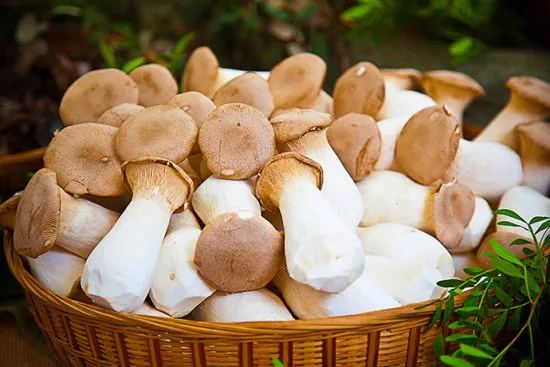
Ergothioneine is naturally found in several mushrooms, with shiitake, maitake and king oyster species being some of the highest dietary sources. But natural fluctuation in mushroom concentration renders extraction problematic for commercial reasons. That is why respectable producers use regulated fermentation techniques, which provide the standardised potency and batch-to-batch consistency that mushroom extraction alone cannot provide.
Quality Specifications and Purity Standards
Pharmaceutical-Grade Purity Requirements
Purity criteria vary with the application. Pharmaceutical grade ergothioneine must be > 99% pure, with verification to pharmacopeial criteria such EP or USP monographs. In the cosmetic and nutraceutical industries, 95% is the standard level of purity. When you’re investigating a source of Ergothioneine Supplements, ask for certifications of analysis that show real levels of purity, not just claimed minimums.
Advanced Quality Monitoring and Analytical Testing
Modern quality control is a blend of real-time monitoring and laboratory confirmation. Concentration is monitored throughout manufacture using near infrared spectroscopy and the finished product is validated to EP and USP parameters using HPLC and GC-MS testing. This two prong strategy detects the discrepancies early and assures that what is on the certificate of analysis is what is in the drum.
Moisture Control and Product Stability
Moisture is a powder stability adversary. Manufacturers utilise sophisticated drying methods and nitrogen-flushed packing to maintain residual moisture at or below 0.5%. Proper moisture management keeps the shelf life beyond 36 months and keeps the bioactivity – a key aspect if your product is going to spend time in distribution channels before it gets to the end customers.
Comprehensive Contaminant Screening
A dependable source of the whole range of contaminants: heavy metals, microbiological contamination and residual solvents. Look for testing that is well documented and goes above basic regulatory standards. Suppliers who are prepared to offer specific testing processes and results indicate the kind of openness that decreases your downstream compliance risk.
Long-Term Stability Verification
We conduct accelerated stability studies at various circumstances of temperature, humidity and light to make sure that the product will operate consistently across its shelf life. Proper storage for supply chain dependability with premium ergothioneine supplement components. Ask potential providers for their stability study results before you buy.
Source Verification and Manufacturing Processes
Natural Sources and Controlled Fermentation Production
It makes a difference where your ergothioneine originates from. The level of mushroom ergothioneine varies with the growth circumstances, time of harvest and species. Controlled fermentation, using optimised strains of microbes in bioreactors, removes this unpredictability and delivers a constant output at commercial scale. Today, most pharmaceutical-grade ergothioneine is produced via fermentation rather than extraction.
Improved Efficiency with Advanced Extraction Technologies
For vendors that do utilise extraction, contemporary techniques such as ultrasonic-assisted and dynamic countercurrent extraction boost yield while minimising solvent consumption. These procedures may extract more ergothioneine from raw materials than traditional soaking methods, resulting in improved utilisation of resources and less environmental effect. When you are reviewing suppliers, ask them what extraction process they employ and how it impacts their pricing structure.
High-Purity Processing Through Chromatographic Purification
Simulated moving bed (SMB) chromatography may be used for continuous purification with excellent purity. The approach is more scalable than batch processing and cuts the cost of production per unit – savings that may be passed on to purchasers. When a supplier is using SMB it is frequently an indication that they have invested in current infrastructure and are committed to scaling output.
Automated Manufacturing Control Systems
The pH, temperature and solvent ratios are controlled during manufacturing by Distributed Control Systems (DCS), with little human interaction. This automation decreases the chance of human mistake and variance from batch to batch. Suppliers with DCS-controlled facilities are more likely to offer consistent quality products. This is an area to check during supplier audits.
Efficient Use of Raw Materials
Top producers also extract complimentary chemicals with ergothioneine, getting the most value from each batch of raw material. This integrated strategy minimises the total cost of manufacturing without affecting the quality of the Ergothioneine Supplement. This is a marker of operational maturity that separates established manufacturers from smaller enterprises.
Safety Profile and Dosage Considerations
Strong Safety Profile Across Populations
In a clinical environment, ergothioneine has shown to be very well tolerated across different demographic groups. European regulatory studies have examined the safety of its daily dosage up to 30 mg for adults. It’s this proven safety profile that makes it easier for B2B purchasers to submit regulatory documents and validate claims made about final goods.
Minimal Adverse Effects in Research Findings
Published studies show no major deleterious effects at acceptable levels of consumption. The positive safety profile of ergothioneine allows its usage in pharmaceutical, nutraceutical and cosmetic formulations without the need for substantial additional safety investigations, as long as your supplier’s ingredient matches the same requirements as those employed in the mentioned studies.
Recommended Dosage for Nutritional Applications
The recommended doses for nutritional supplements are usually in the range of 5 to 20 mg/day. On the sourcing side, seek for vendors that can handle both low-dose nutraceutical formulations and higher concentration medicinal preparations. The specification is as important as the substance itself, the particle size, purity grade, package type, and flexibility.
Reliable Bioavailability Through Oral Delivery
The formulation matrix has no influence on ergothioneine transport by OCTN1 and hence results in a uniform cellular uptake. This offers formulators more choice in delivery system design, whether capsules, pills, powders or liquid forms, and not have to consider absorption variations. The transport mechanism is robust to the oral administration routes, facilitating formulation creation.
Physiological Stability and Consistent Benefits
Ergothioneine is resistant to breakdown by digestion and metabolism. This implies that advantages are not lost before the molecule gets to target tissues, and performance stays constant irrespective of individual metabolic variances. This predictability is a great advantage for product makers over less stable antioxidant compounds.
Application-Specific Considerations for Different Industries
Pharmaceutical Industry: Regulatory Compliance and GMP Standards
In pharmaceutical applications, the greatest level of regulatory compliance is required. Suppliers must have GMP-certified facilities, provide extensive documentation packages and provide regulatory support services. If you are producing a pharmaceutical product using an ergothioneine supplement, ensure your supplier has expertise with pharmaceutical-grade submissions and not only food-grade production.
Cosmetic Formulation and Skin Health Applications
Accumulation of ergothioneine in skin tissue is of interest for anti-aging and protective compositions. Cosmetic makers need to work with vendors who can give formulation support: stability testing in cosmetic matrices, solubility data and pH compatibility guidelines. Better vendors include technical data sheets that are relevant to a cosmetic application, not just adapted specs from food-grade documents.
Nutraceutical Products and Flexible Supply Solutions
Nutraceutical makers are searching for a cost efficient ergothioneine supplement powder that provides variable packaging choices and scalable supply. Locate providers that are able to accommodate different order sizes without sacrificing quality or delivery schedules. Look for competitive pricing arrangements that reward volume commitments – without trapping you into rigid contracts.
Research Institutions and Analytical Documentation
Ergothioneine high purity for research purposes with full analytical documentation. Academia & R&D purchasers want certificates of analysis to guarantee the repeatability of experiments and need technical assistance for specialised handling. Commercial scale providers will usually have a wider selection of grades and bigger package sizes, whilst suppliers for research customers would likely have smaller packaging sizes and higher purity grades.
Food and Beverage Applications and Regulatory Alignment
Food and beverage businesses must guarantee that ergothioneine complies with the food additive requirements of their target markets. Main issues include processing thermal stability, flavour influence, and regulatory status—GRAS in the United States, innovative food approval in the European Union. Knowing these needs upfront before sourcing saves expensive reformulation later.
Supplier Evaluation Criteria and Partnership Considerations
Manufacturing Capacity and Technical Expertise
Evaluate vendors on three dimensions: manufacturing capacity, technical knowledge and quality systems. Larger firms with multi-ton yearly capacity may achieve higher unit economics via economies of scale. But capacity isn’t enough – look for signs of technical depth such as process patents, published research or acknowledged innovation in extraction and purification procedures.
Regulatory Certifications and Global Market Access
Ensure prospective vendors are properly certified: GMP for dietary supplements (21 CFR Part 111 if in the United States), ISO 13485 for medical-device related items, and market-specific registrations for your target areas. Suppliers holding certificates in more than one jurisdiction speak to the operational discipline required to serve a global market.
Supply Chain Stability and Resource Management
The first step toward supply chain resilience is obtaining raw materials. Suppliers with vertical integration that control their fermentation or raw material supply are less at risk of interruption. Ask about their inventory management processes, backup sources for crucial supplies, and average lead times. If a provider cannot answer these questions clearly, it is likely to face problems when demand increases.
Technical Support and Development Assistance
The greatest suppliers don’t just sell powder, they collaborate on product development. Seek for vendors who can provide formulation help, analytical support and regulatory advice. For instance, Jiayuan Bio-Tech offers technical assistance packages that may help customers cut down on development durations and decrease resource spending on third-party testing.
Environmental Responsibility and Sustainable Operations
Sustainability is rapidly becoming a prerequisite of procurement, not a nice-to-have. evaluate vendors on waste management systems, energy efficiency and environmental certifications. Using zero liquid discharge (ZLD) technology and circular waste management helps facilities meet business sustainability objectives and decrease regulatory exposure in environmentally responsible markets.
Cost Optimization and Procurement Strategies
Comprehensive Cost Structure Analysis
The per-kilogram price is dwarfed by the total cost of ownership. Consider purity levels, since greater purity may increase cost but minimise downstream processing, as well as analytical documentation costs, packaging criteria, and logistics. Those suppliers whose value chain from fermentation to purification is integrated usually provide superior overall value than those that get intermediates from outside.
Volume-Based Pricing and Long-Term Supply Agreements
Larger commitments usually mean bulk discounts from most vendors. Long-term supply contracts may provide good pricing and guard against market fluctuations. These agreements must be well structured, with quality criteria, delivery schedules and price adjustment procedures, so that you are not stuck with bad deals if market circumstances change.
Process Efficiency and Solvent Recovery Systems
Suppliers who invest in solvent recovery systems that recycle ethanol and methanol at high rates lower their operational expenses and environmental effect. The advances in efficiency generally mean more competitive prices for purchasers. If a supplier discusses investments in process optimisation, that’s a good indicator of cost management and long-term sustainability.
Quality-Adjusted Cost Evaluation
Don’t only compare unit prices of suppliers. A premium supplier that charges more per kilogram may really be cheaper all up when you look at lower rejection rates, less analytical testing and fewer regulatory compliance problems. Do not only take supplier marketing claims. Use your own quality control data to calculate quality adjusted costs.
Geographic Advantages and Supply Efficiency
More than a transportation issue is supplier location. Proximity to raw material sources cuts input costs and supply chain complexity. The regulatory environment is also relevant, since suppliers in locations with a well-established pharmaceutical manufacturing infrastructure often provide superior compliance help. Compare vendors across regions on total landed cost, not just ex-works price.
Conclusion
Finding the proper provider for Ergothioneine Supplement is a balancing act between quality, pricing, technical assistance, and regulatory compliance. The finest collaborations are those where manufacturers have combined sophisticated manufacturing technology with clear quality controls and real technical competence. By assessing suppliers against the criteria in this guide—purity standards, manufacturing methods, safety profiles and application-specific capabilities—you may source with confidence and develop supply partnerships that help ensure your product’s long-term success.
Partner with Jiayuan Bio-Tech for Premium Ergothioneine Solutions
Jiayuan Bio-Tech supplies pharmaceutical-grade Ergothioneine Supplement ingredients to manufacturers worldwide. Our GMP-certified and ISO 13485-accredited facilities produce ergothioneine at purity levels exceeding 95% using proprietary fermentation and purification technology. We work with pharmaceutical, nutraceutical, and cosmetic companies to deliver ingredients that meet exact specifications — backed by full analytical documentation and technical support.
Ready to discuss your ergothioneine supplement requirements? Contact our team at sales@jayuanbio.com and sales1@jayuanbio.com to request specifications, certificates of analysis, or sample arrangements. We will help you identify the right grade and packaging for your application.
References
1. Chen, Y., Xie, B., Yang, J. (2023). "Ergothioneine: Biosynthesis, Biological Functions and Commercial Production Methods." Journal of Functional Foods, 94, 105-118.
2. Williams, R.P., Thompson, K.L., Mitchell, S.A. (2022). "Quality Control and Analytical Methods for Ergothioneine Supplement Manufacturing." Pharmaceutical Technology International, 46(8), 42-48.
3. Rodriguez, M.A., Kim, H.S., Liu, C. (2023). "Industrial Applications of Ergothioneine in Cosmetic and Nutraceutical Formulations." Nutraceutical Business & Technology, 19(3), 28-35.
4. Anderson, D.K., Brown, L.M., Zhang, W. (2022). "Safety Assessment and Regulatory Considerations for Ergothioneine Supplements." Regulatory Affairs Professionals Society Journal, 27(4), 156-164.
5. Taylor, J.M., Singh, P., Wilson, A.R. (2023). "Advanced Extraction Technologies for Ergothioneine Production: Process Optimization and Cost Analysis." Biotechnology Progress, 39(2), e3312.
6. Johnson, C.L., Martinez, E.F., Kumar, S. (2022). "Supply Chain Management and Quality Assurance in Ergothioneine Manufacturing." Pharmaceutical Outsourcing, 23(6), 22-29.