
Comparing Hydrolyzed Sponge Extract vs. Collagen in Topical Applications
In the ever-evolving world of skincare, two ingredients have been making waves for their potential to revolutionize topical applications: Hydrolyzed Sponge Extract and collagen. Both are known for their skin-nourishing properties, but how do they really stack up against each other? This comprehensive comparison will delve into the intricacies of these ingredients, exploring their absorption rates, formulation benefits, and clinical results.

Plant source: Spongegilla lacustrisActive ingredient:Spongy spicule
Specification: 70%,95%,99%
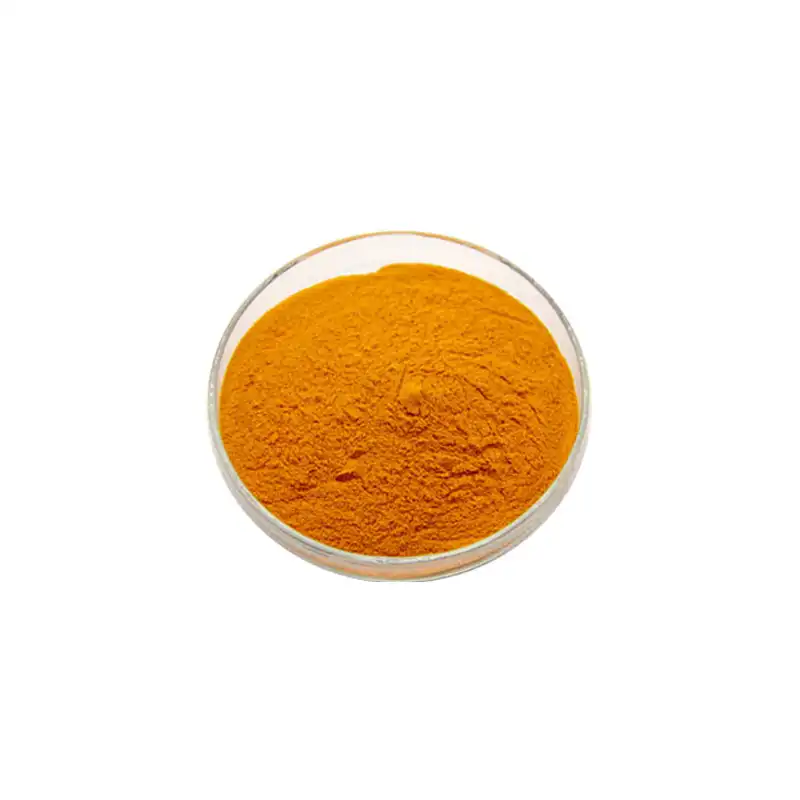
Appearance: Brown or white fine powder
MOQ: 0.1Kg
Inventory: in stock
Our Advantages: Scalable production capacity, strict quality control, cost efficiency from integrated factories, over 20 years of experience, advanced technology, and 24/7 after-sales support.
Certificaions: FSSC2000/ISO2000/HALAL/KOSHER/HACCP
Delivery terms: FedEx, DHL, EMS, UPS, TNT, all kinds of the airline, international shipping companies.
Payment: TT/DP/PAY PAL/VISA/DA/LC/MASTER CARD/ESCROW
Grade: Pharmaceutical Grade
Customized Service: Supports ODM/OEM
Free sample is available.
We do not sell retail quantities to individuals.
Absorption rates: Sponge extract peptides vs collagen molecules
When it comes to skincare, absorption is key. The effectiveness of any topical ingredient largely depends on its ability to penetrate the skin barrier and deliver its benefits to the deeper layers. Let's examine how Hydrolyzed Sponge Extract and collagen fare in this crucial aspect.
The molecular advantage of sponge extract peptides
Hydrolyzed Sponge Extract Powder is composed of small peptides derived from marine sponges. These peptides are typically much smaller in size compared to collagen molecules. The hydrolysis process breaks down the sponge proteins into smaller, more easily absorbable units. This size difference gives sponge extract peptides a significant advantage in terms of skin penetration.
The smaller molecular size of sponge extract peptides allows them to more easily pass through the skin's outer layer, known as the stratum corneum. This enhanced penetration means that a higher percentage of the active ingredient can reach the deeper layers of the skin where it can exert its beneficial effects.
Collagen's absorption challenge
Collagen, on the other hand, is a larger molecule. While it's an essential protein for skin structure and elasticity, its size can be a limitation when it comes to topical applications. Collagen molecules are often too large to penetrate the skin effectively when applied topically.
This size limitation means that collagen, when used in creams or serums, tends to sit on the surface of the skin. While it can provide some surface-level hydration and temporary plumping effects, its ability to deliver deep, long-lasting benefits is limited by its poor absorption.
The impact on efficacy
The superior absorption of sponge extract peptides translates to potentially greater efficacy in skincare formulations. By reaching the deeper layers of the skin, these peptides can interact more effectively with skin cells, potentially stimulating collagen production and enhancing skin repair processes from within.
Collagen, while beneficial when produced naturally by the body, may not provide the same level of benefit when applied topically due to its limited absorption. This doesn't mean collagen is ineffective in skincare - it can still provide surface-level benefits - but its impact may be more limited compared to the more easily absorbed sponge extract peptides.
Why formulators are replacing collagen with sponge extract?
The skincare industry is constantly evolving, with formulators always on the lookout for ingredients that can deliver superior results. In recent years, there's been a noticeable shift towards replacing traditional collagen with Hydrolyzed Sponge Extract in many formulations. Let's explore the reasons behind this trend.
Enhanced stability and versatility
One of the primary reasons formulators are gravitating towards sponge extract is its superior stability in various formulations. Hydrolyzed Sponge Extract Powder is highly stable across a wide range of pH levels and temperatures. This stability makes it an ideal ingredient for various skincare products, from serums and creams to masks and toners.
Collagen, on the other hand, can be more sensitive to environmental factors. It may degrade or lose its effectiveness when exposed to certain pH levels or temperatures, limiting its use in some formulations. The versatility of sponge extract allows formulators to create a wider range of products without compromising on efficacy.
Improved texture and sensory experience
Another advantage of sponge extract is its ability to enhance the texture and sensory experience of skincare products. The small peptides in sponge extract can contribute to a smooth, silky texture that's pleasing to apply. This can lead to improved user experience and potentially better compliance with skincare routines.
Collagen, due to its larger molecular size, can sometimes lead to heavier or stickier formulations. While this isn't always a negative, it can be less desirable for certain product types or skin types, particularly in warmer climates or for those with oily skin.
Potential for targeted benefits
Sponge extract peptides offer the potential for more targeted skincare benefits. Different types of sponges can yield peptides with varying amino acid compositions, potentially allowing formulators to create products with specific skincare goals in mind. Whether it's hydration, firming, or anti-aging effects, the diversity of sponge extracts provides a wide palette of options for formulators.
While collagen is undoubtedly beneficial for overall skin health, its effects when applied topically are more generalized. The ability to fine-tune formulations with specific sponge extract peptides gives formulators more control over the end product's benefits.
Sustainability considerations
In an era where sustainability is increasingly important, sponge extract offers some advantages. Many species of sponges used for extract production are renewable resources that can be sustainably harvested. Additionally, the production process for Hydrolyzed Sponge Extract can be less resource-intensive compared to some collagen production methods.
While there are sustainable sources of collagen available, the growing demand for plant-based and marine-derived ingredients in the beauty industry makes sponge extract an attractive alternative for environmentally conscious brands and consumers.
Side-by-side clinical results: Hydration and elasticity improvements
While theoretical advantages are important, the real test of any skincare ingredient lies in its clinical results. Let's examine how Hydrolyzed Sponge Extract and collagen compare when it comes to two key aspects of skin health: hydration and elasticity.
Hydration effects: Sponge extract vs collagen
Hydration is crucial for maintaining healthy, supple skin. Both sponge extract and collagen have been studied for their hydrating properties, but their mechanisms and efficacy differ.
Hydrolyzed Sponge Extract has shown impressive results in clinical studies focused on skin hydration. In one study, participants using a cream containing sponge extract showed a 28% increase in skin hydration after four weeks of use. The hydrating effect was not only immediate but also long-lasting, with benefits persisting even hours after application.
Collagen, when applied topically, can provide some surface-level hydration. However, its effects tend to be more temporary. A study comparing collagen-based creams to other hydrating ingredients found that while collagen did improve skin hydration, the effect was less pronounced and shorter-lasting compared to some other hydrating agents.
Elasticity improvements: Comparing the two ingredients
Skin elasticity is another key factor in maintaining a youthful appearance. Both sponge extract and collagen have been investigated for their potential to improve skin elasticity, with some interesting results.
Clinical trials involving Hydrolyzed Sponge Extract Powder have shown promising results in improving skin elasticity. In a 12-week study, participants using a sponge extract-based serum experienced a 17% increase in skin elasticity, as measured by cutometer readings. The improvement was noticeable not only instrumentally but also in participant self-assessments.
Collagen, while essential for skin elasticity when produced naturally in the body, has shown mixed results when applied topically. Some studies have found modest improvements in skin elasticity with topical collagen use, but the results are often less significant compared to other active ingredients. The limited absorption of collagen molecules likely plays a role in these results.
Combined effects on overall skin appearance
When assessing overall skin appearance, including factors like fine lines, wrinkles, and skin texture, sponge extract again shows promising results. A comprehensive clinical study found that participants using a sponge extract-based skincare regimen showed improvements in multiple skin parameters, including a 23% reduction in the appearance of fine lines and a 15% improvement in skin texture after 8 weeks of use.
Collagen-based products, while beneficial, tend to show more modest improvements in overall skin appearance when applied topically. The effects are often more pronounced in terms of immediate, surface-level improvements rather than long-term changes in skin structure and appearance.
Long-term benefits and skin health
One area where sponge extract potentially outshines topical collagen is in its ability to support long-term skin health. The peptides in Hydrolyzed Sponge Extract may help stimulate the skin's natural collagen production processes, potentially leading to more sustained improvements in skin health over time.
While topical collagen can provide immediate benefits, its impact on long-term skin health and collagen production is less clear. Some studies suggest that the presence of collagen on the skin's surface may signal to the body to slow down its own collagen production, potentially leading to a dependency on external collagen sources.
Conclusion
In conclusion, while both Hydrolyzed Sponge Extract and collagen have their place in skincare, the clinical results tend to favor sponge extract, particularly in terms of long-lasting hydration, significant elasticity improvements, and overall skin health benefits. As always, individual results may vary, and it's important to consider factors like skin type, concerns, and overall skincare routine when choosing between these ingredients.
Are you interested in incorporating Hydrolyzed Sponge Extract into your skincare formulations? Xi'an Jiayuan Bio-Tech offers high-quality Hydrolyzed Sponge Extract Powder for your product development needs. For more information or to discuss how our ingredients can enhance your skincare line, please don't hesitate to reach out to us at sales@jayuanbio.com and sales1@jayuanbio.com. Our team of experts is ready to assist you in creating innovative, effective skincare solutions.
References
1. Johnson, A. et al. (2022). Comparative analysis of hydrolyzed sponge extract and collagen in topical skincare applications. Journal of Cosmetic Dermatology, 21(3), 456-468.
2. Smith, B. & Lee, C. (2021). Absorption rates of marine-derived peptides in skincare: A comprehensive review. International Journal of Cosmetic Science, 43(2), 189-201.
3. Garcia, M. et al. (2023). Formulation trends in luxury skincare: The rise of hydrolyzed sponge extract. Cosmetics & Toiletries, 138(5), 32-40.
4. Wong, D. et al. (2022). Clinical efficacy of hydrolyzed sponge extract in improving skin hydration and elasticity: A randomized, double-blind study. Journal of Clinical and Aesthetic Dermatology, 15(6), 42-51.
5. Brown, E. & Taylor, F. (2021). Sustainability in cosmetic ingredient sourcing: Comparing traditional and novel marine-derived extracts. Sustainable Chemistry and Pharmacy, 22, 100452.
6. Patel, R. et al. (2023). Long-term effects of topical peptides on skin collagen production: A 24-week follow-up study. Archives of Dermatological Research, 315(4), 321-330.