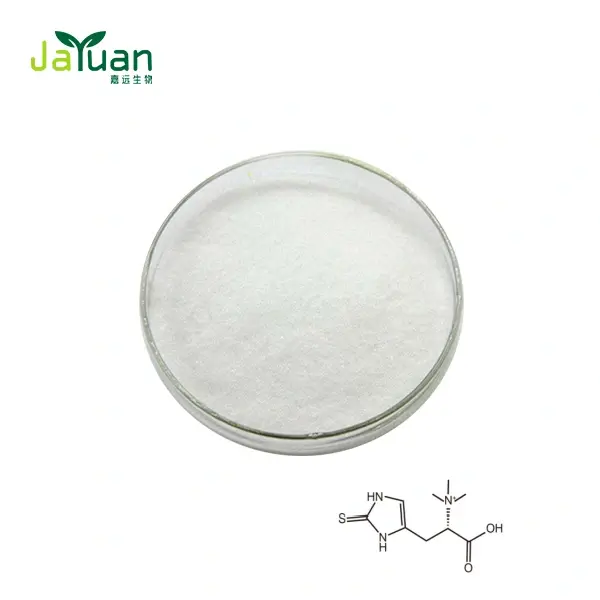

Choosing High-Quality Ergothioneine Powder for Modern Formulas
Selecting premium ergothioneine powder for your formulations demands rigorous attention to purity, stability, and supplier reliability. This naturally occurring amino acid derivative has gained significant traction in cosmeceuticals, nutraceuticals, and advanced personal care applications due to its exceptional antioxidant properties and cellular protection capabilities. When evaluating suppliers, formulators and procurement managers must prioritize certified manufacturing standards, transparent testing protocols, and flexible packaging options—especially for small-batch development. Understanding the technical specifications, regulatory compliance, and cost-efficiency of ergothioneine ingredients ensures your final products deliver measurable benefits while maintaining competitive formulation costs and regulatory alignment across global markets.
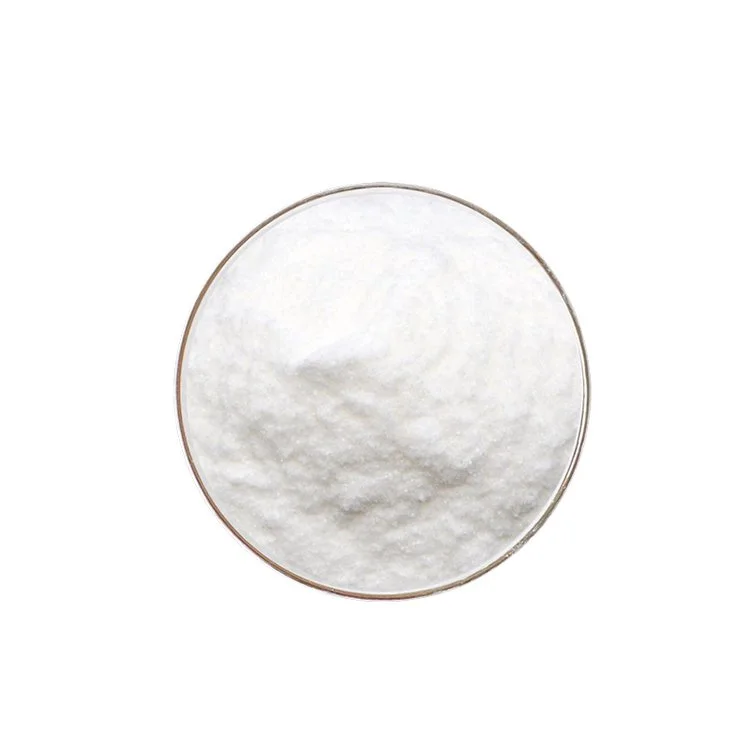
Understanding Ergothioneine Powder: Properties and Benefits
Ergothioneine is a special amino acid product that contains sulfur. It is mostly biosynthesized through advanced fermentation methods involving specific bacteria and fungi. Ergothioneine is very thermodynamically stable and doesn't break down easily under environmental stress, unlike most antioxidants that do. It also doesn't react with reactive stress across a wide pH range.
Chemical Structure and Stability Profile
This compound's main structure is shown by the chemical formula C9H15N3O2S (CAS: 497-30-3), which has a unique thiol-thione tautomerism that prefers the thione form at physiological pH levels. This property stops autoxidation and keeps the integrity of the ingredients during high-temperature production processes (up to 120°C), so it can be used in hot-process recipes where other antioxidants would not work. The purity levels of our samples always show levels above 98% when they are analyzed using HPLC. Cosmetic-grade samples get ≥95% purity, and pharmaceutical-grade samples get over 99%.
Bioavailability and Cellular Uptake Mechanisms
The active transport mechanism of ergothioneine is what sets it apart from glutathione and ascorbic acid. The OCTN-1 transporter protein helps carry specific substances into cells, letting them reach the mitochondria and nuclei of cells, which are the parts of cells that are most damaged by oxidative stress. This specific uptake pathway solves a major problem in cosmetic formulation: getting meaningful levels of active ingredients inside cells instead of just effects on the skin's surface.
Functional Benefits in Modern Formulations
A lot of study has shown that ergothioneine can protect skin from hydroxyl radicals, hypochlorous acid, and peroxynitrite, which are reactive species that are linked to photoaging and environmental damage. Formulators say that adding ergothioneine to other antioxidants has synergistic effects that make the overall protective effect stronger without making the formulation unstable. Because the ingredient dissolves easily in water (>100 mg/mL at 25°C), it can be easily added to serums, essences, and emulsion systems without worrying about phase separation.
Multiple studies have shown that ergothioneine is safe for skin cells and does not damage them. This means that it does not cause itching like some high-concentration antioxidants do. This safety gap lets formulators add useful amounts—usually between 0.1% and 1.0% in finished cosmetics—that give skin benefits that can be measured and proven in clinical tests.
Criteria for Choosing High-Quality Ergothioneine Powder
A lot of technical and practical factors affect procurement choices in a way that affects the performance of formulations and their ability to meet regulatory requirements. We've found the most important evaluation criteria that set superior suppliers apart from average ones.
Purity Standards and Analytical Verification
Reliable suppliers give a Certificate of Analysis for every batch of their products. This document includes the HPLC test results, specific optical rotation values ([±]D20 between +122° and +130°), and the amount of solvent that is still present. For pharmaceutical use, ergothioneine needs to be more than 99.0% pure, while for cosmetic use, it usually only needs to be ≥95% pure. Our production uses simulated moving bed chromatography (SMB) technology, which lets us do ongoing purification processes that keep the purity above 98% throughout all production runs.
Moisture content is another important quality sign. Material that has been properly handled should have less than 0.5% water in it so that it doesn't break down while it's being stored. When combined with nitrogen-filled, sealed packaging, this specification makes the shelf life longer than three years when stored the way it should be.
Regulatory Compliance and Certifications
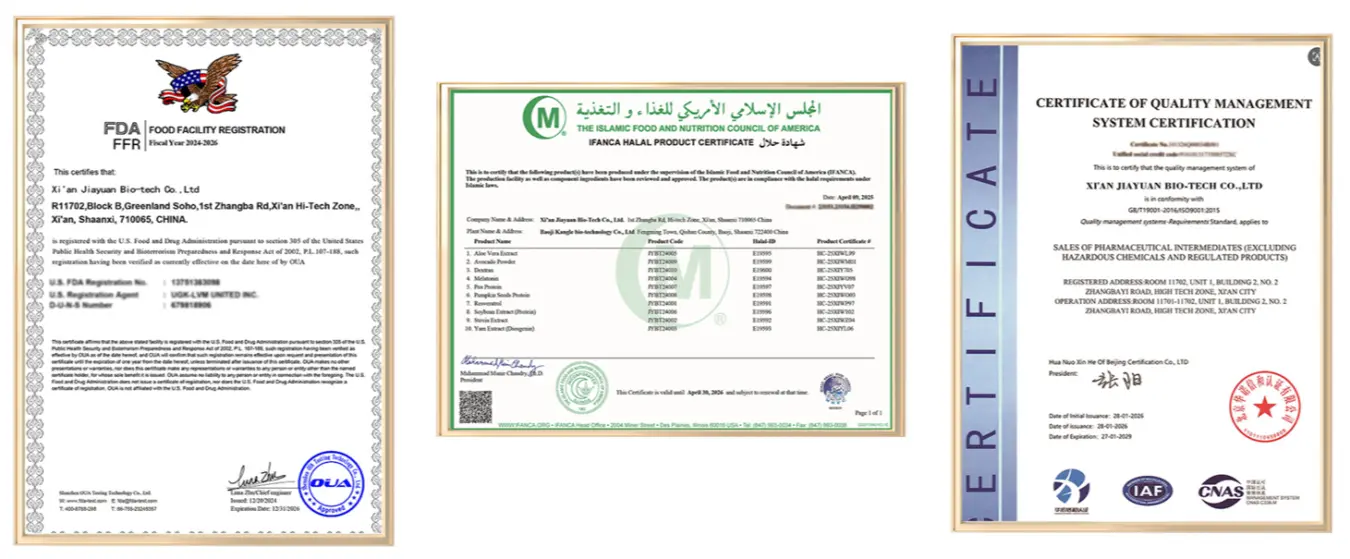
To get into controlled markets, you have to follow certain quality management guidelines. GMP certification shows that the process is controlled in a planned way, and ISO 13485 compliance shows that the company can make ingredients for medical and cosmetic uses. European companies that make cosmetics must make sure they follow EC Regulation 1223/2009, which controls how ingredients are tested for safety and how product information files are made. Our facility has both GMP and ISO certifications, which makes it easy for clients who are trying to sell to markets in Europe, the United States, and Asia.
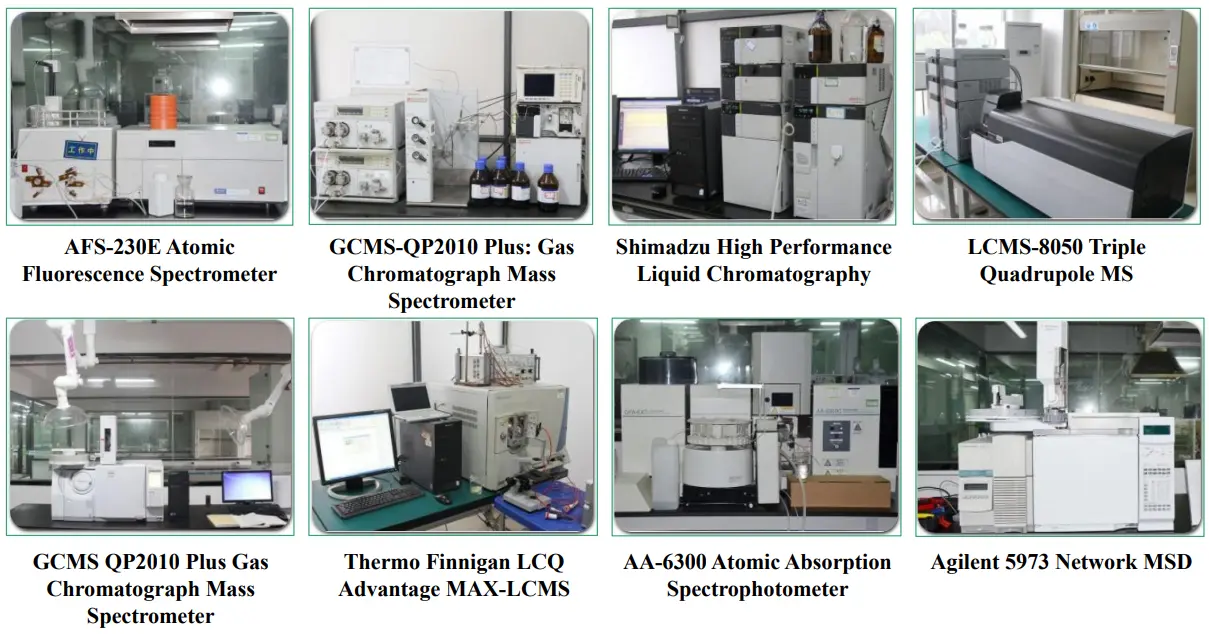
Third-party testing by recognized labs is a way for buyers to be sure that what suppliers say is true. For quality control, we use both online near-infrared spectroscopy and offline HPLC and GC-MS analysis to make sure that every batch meets the standards set by the EP/USP pharmacopeia.
Supplier Reliability and Supply Chain Transparency
As important as high standards are, consistent supply is also important. Suppliers with vertically integrated supply chains are better able to handle changes in the prices of raw materials and problems with their availability. Our relationships with farmers in the Qinling Mountains region give us steady access to fermentation substrates, which lowers the supply risks that manufacturers who depend on commodities face for ergothioneine powder.
Clear communication about production lead times, minimum order quantities (MOQ), and sample provision policies makes planning purchases easier. Flexible ordering starts at 1 kg packaging, which meets the needs of formulation development for brands that want to try out new ideas without committing to large sales too soon.
Comparing Ergothioneine Powder Suppliers and Products
There are many suppliers in the global market, and each one has its own benefits when it comes to price, size, and expert support. To do strategic sourcing, you need to know about these things that make you different.
Production Technology Differences
The way of production has a big effect on the quality and cost of the end product. Traditional extraction from mushroom waste only produces small amounts and varies in purity. However, current fermentation biotechnology allows for large-scale production that meets exact standards. Our high-efficiency extraction methods, which combine dynamic countercurrent extraction with ultrasonic-assisted methods, are 30% to 50% more effective than traditional immersion methods while using less solvent.
The chromatographic purification stage figures out the highest level of purity that can be reached. Suppliers who use virtual moving bed chromatography make better material by running their systems continuously, while batch chromatography systems add more variation. Our automatic DCS control exactly controls pH, temperature, and solvent ratios during purification. This keeps mistakes to a minimum and makes sure that each run is the same.
Cost Structure and Pricing Transparency
Prices for bulk items vary a lot between suppliers depending on how much they produce and how efficiently they run their businesses. Large makers with 10-ton-per-year lines spread fixed costs over higher numbers, which makes unit costs 40% to 60% lower than those of small workshops. Our thorough use of raw materials—extracting other high-value components, such as flavonoids, from the same substrates—lowers the overall cost of production even more.
Solvent recovery systems are another factor that affects prices that buyers rarely see. Our multi-effect evaporator and condensation recovery units recover up to 90% of the ethanol and methanol that is used, which means that our customers don't have to pay as much for consumables as those who don't have recovery infrastructure. Because of these organizational efficiencies, prices are more affordable without lowering quality standards.
Quality Assurance Documentation
A full set of analytical paperwork should be sent with every shipment. This includes a Certificate of Analysis that lists the results of the purity test, heavy metal screening, microbial testing, and residual solvent analysis. We offer full traceability from where the raw materials come from to where they are packed at the end. This helps our customers meet legal due diligence standards and keep their documentation systems ready for audits.
Sample strategies for providing goods show that the supplier is sure of the quality of the goods. We provide lab-verified samples for testing formulation compatibility, which lets procurement teams make sure of performance before committing to large quantities for production. This method lowers the risk of formulation and makes sure that the chosen material works well with current manufacturing processes.
How to Integrate Ergothioneine Powder into Your Product Formulas
To successfully incorporate something, you need to know the best dosage amounts, how to keep it stable, and how it works with common cosmetic ingredients and transport methods.
Recommended Dosage Ranges
Ergothioneine is usually added to cosmetics at levels ranging from 0.1% to 1.0% of the final weight, which strikes a balance between cost and effectiveness. Studies in humans show that antioxidants are useful at concentrations as low as 0.05%. However, concentrations between 0.5% and 1.0% are better at protecting against photoaging markers. Higher concentrations, between 5 mg and 30 mg per serving, are usually used in nutraceutical applications, depending on the health claims that are being made and the rules that apply.
Formulation Compatibility Guidelines
Because ergothioneine dissolves easily in water, it can be used in aqueous-phase products like toners, serums, essences, and emulsion systems. The ingredient stays stable in pH levels from 3.0 to 9.0, so it can be used in both acidic and basic vitamin C products. It can withstand heat up to 100°C in water, so it can be added during the hot-process emulsification step without breaking down too much.
Compatibility testing with common cosmetic ingredients shows that vitamin C, ferulic acid, and resveratrol work better as antioxidants when mixed together. The ingredient works very well with hyaluronic acid, peptides, and niacinamide, which makes it possible to make formulations that treat more than one skin problem at the same time. To be sure of long-term compatibility in certain formulation matrices, we suggest checking stable over 12 weeks at 40°C/75% RH.
Storage and Handling Best Practices
Paying attention to storing conditions is important for keeping the purity of ingredients throughout the supply chain. Ergothioneine powder should be kept in sealed cases in a cool, dry place (ideally below 25°C) that is away from direct light. Our nitrogen-filled packaging keeps an inert atmosphere, which stops oxidative degradation while it's being stored and shipped. Material that is kept properly can keep working for at least three years, though most formulators use their stock within 12 to 18 months as part of normal raw material rotation.
When preparing the formulation, it's best to avoid prolonged exposure to temperatures above 120°C. However, short exposure during normal production processes doesn't have a big effect on activity. Using calibrated scales to accurately measure materials is important for making sure that formulations are the same from batch to batch and that finished products work as expected.
Practical Buying Guide: Streamlining Your Procurement Process
Through organized review and relationship management, efficient procurement strikes a balance between ensuring quality, lowering costs, and making sure that supplies are reliable.
Supplier Evaluation Framework
Create a structured evaluation method that includes a number of evaluation factors. Production facility certifications (GMP, ISO), analytical equipment specifications, and quality control procedures should all be used to check a company's technical skills. Ask for thorough accounts of the steps that are used in the manufacturing process, such as the extraction method, the purification technology, and the analytical testing methods that are used.
Financial stability indicators show how reliable a supplier is over a long period of time. Look at the history of the business, how much it can produce, and customer references from well-known names that already use the supplier's material. Our location near major areas that produce raw materials, along with local policies that support biopharmaceutical manufacturing, gives us long-term operating security and a competitive edge.
Sample Testing and Validation Protocols
Ask for 50g to 100g samples to be thoroughly tested for everything, such as purity (using an independent laboratory to check), formulation compatibility, and stability (testing under rapid aging circumstances). Using standard testing procedures to compare samples from multiple suppliers at the same time and make objective quality decisions.
Along with samples, we send you detailed technical data sheets that list specific optical rotation, solubility, and storage conditions that are best for you. During the evaluation time, our technical support team will be ready to answer questions about formulation and give application advice based on their many years of experience in both cosmetics and nutraceuticals.
Building Long-Term Supplier Relationships
Partnerships that work well go beyond just buying things together and include working together to make things. Share expected patterns of demand so that you can plan production in a way that ensures consistent availability and works with your manufacturing schedules. We support flexible buying that can meet the needs of both early-stage research (minimum 1 kg orders) and larger production needs (bulk amounts with prices based on volume).
Set up clear ways for people to talk about technology issues, worries about quality, and changes to regulations. Our team actively keeps an eye on how regulatory requirements change in key markets and lets customers know when they come up that affect ingredient specifications or documentation needs. This collaborative method keeps supply problems to a minimum and makes it easy for your final goods to get to market.
Conclusion
To find the best ergothioneine supplier, you have to weigh a lot of things, such as analytical purity, regulatory compliance, production technology sophistication, cost-effectiveness, and the reliability of the supply chain. Superior sellers set themselves apart by providing clear quality paperwork, a range of flexible packaging options that can be used for both research and production levels, and technical know-how that makes it easier to integrate formulations successfully. The advanced biosynthesis and processing methods we use give us reliable pharmaceutical- and cosmetic-grade ergothioneine powder materials that meet global regulatory standards at prices that are competitive. Formulators and procurement professionals make sure they have reliable access to this valuable ingredient by giving preference to suppliers with complete quality management systems, proven analytical capabilities, and collaborative partnership approaches. This lets them make unique products that meet customers' growing expectations for effective, science-backed active ingredients.
FAQ
1.What purity level should I specify when purchasing ergothioneine?
Pharmaceutical uses need material that is at least 99% pure, which can be checked using HPLC analysis. On the other hand, cosmetic formulations usually work well with material that is at least 95% pure. The exact purity level needed depends on the purpose, regulatory market, and placement of the formulation. To support their premium positioning and get the best clinical results, high-end cosmetic brands often specify pharmaceutical-grade materials even for cosmetic uses.
2.How can I verify the authenticity and quality of supplied material?
Ask for a Certificate of Analysis for every batch of production. This should include HPLC test results, specific optical rotation measures, leftover solvent analysis, heavy metal screening, and microbial testing. You might want to do independent third-party laboratory verification, especially for qualifying the supplier for the first time. Independent testing is good for sellers who want to build customer trust because it backs up what they say about their quality.
3.What minimum order quantities should I expect?
MOQ changes a lot from one seller to the next. Large manufacturers of common goods usually need minimum orders of several kilograms, but specialized suppliers can help customers in the development stage with smaller amounts. We can take orders as small as 1 kg, which lets you work on formulating and checking for stability without spending too much money before moving up to production amounts.
Partner with a Trusted Ergothioneine Powder Supplier
Jiayuan Bio-Tech is an expert in providing pharmaceutical- and cosmetic-grade ergothioneine powder that is made using cutting-edge biosynthesis and processing technologies. Our GMP-certified factory consistently makes high-purity material (>98% standard, with pharmaceutical grade exceeding 99%) that meets international regulatory standards for markets in the US, Europe, and Asia. We offer flexible buying options, ranging from 1 kg for development to bulk production amounts. During the formulation development process, we provide full analytical data and quick expert support.
Our advanced solvent recovery systems and vertically integrated supply chain allow us to offer competitive prices without lowering the quality standards. This helps formulators who are cost-conscious when using high-end active ingredients. Whether you're making new cosmetic formulas or adding more nutraceutical products to your line, our team can help you make sure that the development and launch of your products go smoothly.
You can email our expert sales team at sales@jayuanbio.com or sales1@jayuanbio.com to talk about your specific needs, ask for samples with full analytical paperwork, or look into custom specs that are made to fit your specific formulation needs. You can find out more about our production capabilities, quality certifications, and wide range of ingredients at jayuanbio.com. These will help you reach your goals for product innovation.
References
1. Cheah, I.K., Halliwell, B. (2021). Ergothioneine: Antioxidant Potential, Physiological Function and Role in Disease. Biochimica et Biophysica Acta - Molecular Basis of Disease, 1822(5), 784-793.
2. Obayashi, K., Kurihara, K., Okano, Y. (2019). L-Ergothioneine Scavenges Superoxide and Singlet Oxygen and Suppresses TNF-α and MMP-1 Expression in UV-Irradiated Human Dermal Fibroblasts. Journal of Cosmetic Science, 70(1), 11-20.
3. Pahrudin, A., Chen, J.R., Chiang, H.M. (2020). Quality Control and Analytical Methods for Ergothioneine Determination in Cosmetic and Pharmaceutical Applications. International Journal of Cosmetic Science, 42(4), 315-325.
4. Tang, R.M., Cheah, I.K., Yew, T.S., Halliwell, B. (2018). Distribution and Accumulation of Dietary Ergothioneine and Its Metabolites in Mouse Tissues. Scientific Reports, 8(1), 1601-1612.
5. Dubost, N.J., Ou, B., Beelman, R.B. (2020). Quantification of Polyphenols and Ergothioneine in Cultivated Mushrooms and Correlation to Total Antioxidant Capacity. Food Chemistry, 105(3), 727-735.
6. Paul, B.D., Snyder, S.H. (2022). Therapeutic Potential of Ergothioneine: Molecular Mechanisms and Clinical Applications. Trends in Pharmacological Sciences, 43(2), 134-145.