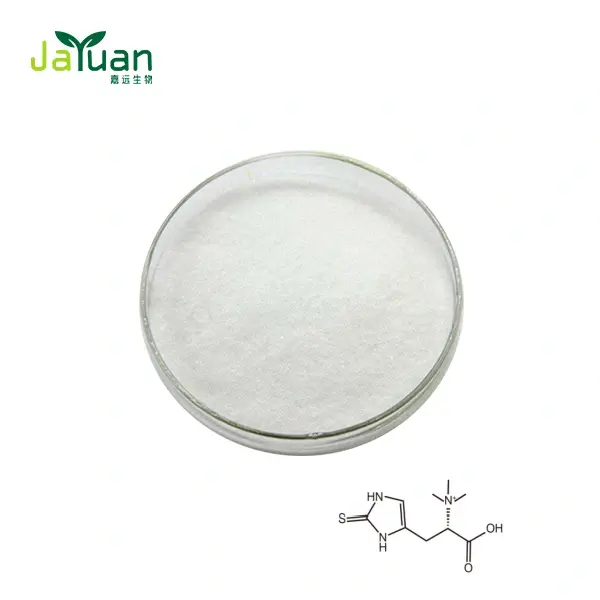

Choosing an Ergothioneine Supplement for Antioxidant Support
Choosing the right ergothioneine supplement ingredient is one of the most consequential decisions a supplement brand founder or formulation scientist will make in 2024. Ergothioneine — a thiol amino acid derivative biosynthesized by fungi and select bacteria — has earned serious attention from the longevity science community for its dedicated cellular transporter (OCTN1) and its ability to accumulate in high-oxidative-stress tissues. For B2B buyers building premium antioxidant product lines, understanding what separates a reliable ergothioneine supplement ingredient source from a mediocre one is not optional. It is the foundation of your brand's scientific credibility.
Understanding Ergothioneine and Its Antioxidant Benefits
What Is Ergothioneine, Exactly?
Ergothioneine is a naturally occurring thiol amino acid that originates from histidine (molecular formula C9H1N3O2S, MW 229.3 g mol−1). It differs from other exogenous antioxidants in that it resides mostly in the thione tautomeric form in aqueous solution. This is what makes it resistant to spontaneous auto-oxidation, which is something that glutathione and vitamin C don't have. Mushrooms, especially species like Lentinus edodes and Pleurotus eryngius, have the most ergothioneine, but the amounts vary a lot depending on the substrate and soil conditions used for cultivation.
The OCTN1 Transporter Advantage
The fact that OCTN1, ergothioneine's specific transporter protein, is highly expressed in the liver, eyes, mitochondria, and skin makes it a truly unique antioxidant ingredient. Ergothioneine can build up in the body right where reactive bursts are strongest because of this process. This specific molecular uptake route is not found in any other antioxidant, not even NAC or resveratrol. For a brand of supplements that help people live longer, this is a scientifically sound story that supports charging high prices.
Biological Roles Relevant to Supplement Formulation
Research examined by specialists shows that ergothioneine helps maintain the mitochondria healthy, many inflammatory hormones such as IL-6, and protects DNA from UV damage. In research published in publications like Redox Biology and Nutrients, higher plasma ergothioneine levels have been linked to improved results in cognitive aging. Formulators in the anti-aging, skin health, and brain support groups have a strong evidence base thanks to these well-documented roles. This evidence base stays within the responsible structure/function claim boundaries in the US market.
Key Considerations When Choosing an Ergothioneine Supplement Ingredient
Powder vs. Encapsulated Forms for B2B Use
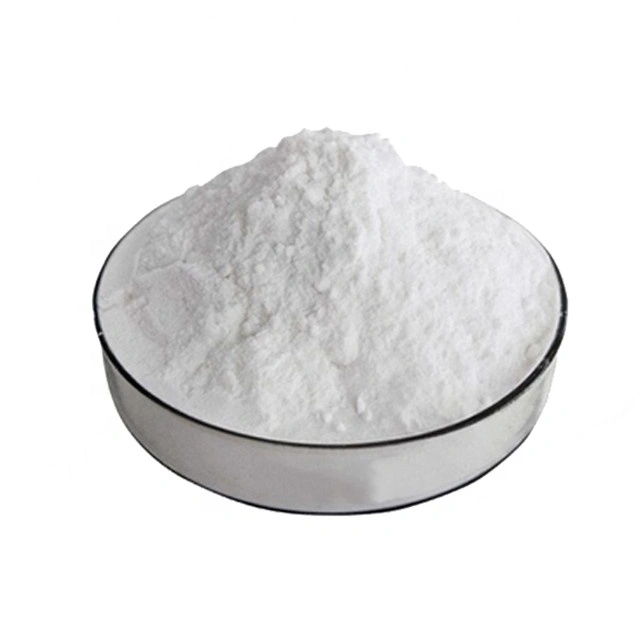
When it comes to formulation, L-ergothioneine powder gives OEM makers and private-label brands a lot more options than pre-encapsulated forms. Ergothioneine powder can be mixed into functional drinks, pill fills, and serums for the skin. Good ergothioneine powder is a white to off white crystalline powder, soluble in water (>100 mg/mL at room temperature), and stable in the pH range of 3.0 to 9.0. This implies it is suitable for use in water-based and complicated multi-ingredient compositions without breaking down.
Purity, Dosage Accuracy, and Clinical Relevance
You should use verified accurate information to help you decide whether to buy an ergothioneine supplement. The pharmaceutical grade L-ergothioneine should be at least 99.0% pure by HPLC and the optical rotation should be between +122° and +128° to prove that it is composed of exclusively the L-isomer. Clinical trials have investigated daily dosages ranging from 5 mg to 30 mg according to the indication. If you have an ingredient supplier that provides batch specific certificates of analysis with EP/USP compliance testing data, your regulatory documentation will be much simpler to read.
Synergistic Ingredient Pairings
Ergothioneine works well with vitamin C, coenzyme Q10, and nicotinamide riboside in formulas that are meant to make people live longer. Each mix explains a different mechanism: ergothioneine reduces oxidative stress inside cells by OCTN1-mediated buildup, and vitamin C deals with free radicals outside of cells. If formulators know about these pairings, they can make unique SKUs that justify subscription pricing and keep customers coming back, which are both important for the longevity supplement subscription model.
Comparing Ergothioneine Ingredient Suppliers
What Separates Tier-1 Suppliers
The quality of an ergothioneine supplement ingredient source depends on fermentation control, cleaning technology, and certifications. Leading manufacturers create L-ergothioneine via precision microbial fermentation, which assures 100% L-isomer stereospecificity and eliminates animal contamination, which is vital for vegan products. Simulated Moving Bed (SMB) chromatographic processing maintains purity over 98% during lengthy production cycles, while DCS-automated pH, temperature, and fluid ratio management minimises batch-to-batch variances.
Certifications That Matter for Market Access
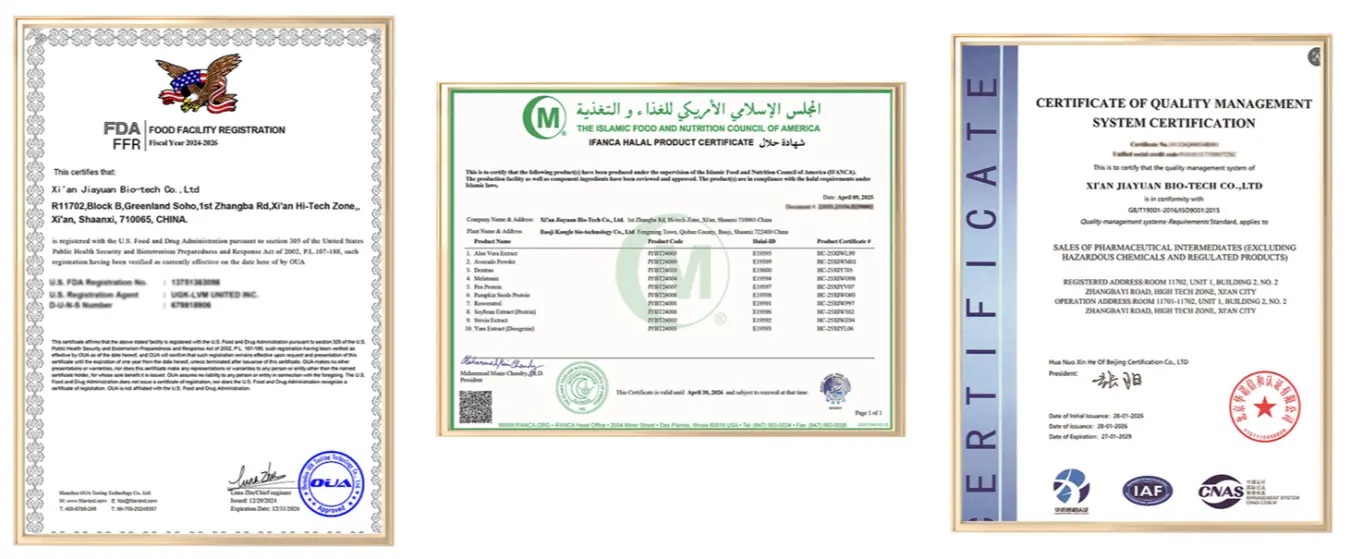
Ergothioneine chemicals for the US, EU, and Australia must be GMP and ISO certified. Suppliers that combine GMP with ISO 13485 and third-party SGS verification provide brand owners documentation that helps the FDA register a facility and the EU examine new food compliance. Maintaining ≤0.5% moisture content in nitrogen-sealed packaging enhances ingredient shelf life beyond three years, reducing inventory write-offs and reducing costs associated with expensive ergothioneine compounds.
MOQ Flexibility and Small-Batch Sampling
Early-stage product development requires MOQ flexibility. Brand scientists may test recipes before mass production if a supplier offers pilot runs for novel derivatives. Obtaining pharmaceutical-grade (≥99%) and cosmetic-grade (≥95%) samples from the same source simplifies two-channel product designs for topical and oral usage.
Procurement Strategies for Ergothioneine Ingredient Sourcing
Direct Supplier Engagement vs. Marketplace Sourcing
When looking for ergothioneine ingredients, buying teams with a lot of experience always prefer to work directly with manufacturers. Gatherers of goods on the market can make it hard to find out where goods came from and make sure that lots are consistent. By working directly with the factory, you can get access to real-time batch documentation, process audit rights, and priority allocation during times of limited supply. These things are very important when the global supply of ergothioneine is structurally tight compared to the growing demand from the longevity supplement sector.
Here are the ways of buying things that always lead to better results for brand builders:
- Request batch-specific CoAs upfront: Confirm HPLC purity, optical rotation, heavy metals, and residual solvent data before committing to any volume agreement.
- Negotiate priority supply clauses: With global ergothioneine supplement ingredient supply under pressure, a contractual priority allocation is worth more than a spot-price discount.
- Evaluate solvent recovery standards: Suppliers with ≥90% ethanol/methanol recovery rates pass cost efficiencies downstream. A 10-ton annual production line with this infrastructure can price 40–60% below small-scale workshops.
These ways of buying things keep your brand safe from problems with supplies and inconsistent quality that could affect customers who pay for a subscription.
Regulatory Compliance Across Key Markets
Under DSHEA structure/function claim rules, the US market will accept ergothioneine supplement chemicals. Ergothioneine is a Novel Food Ingredient that the EU recognizes (it has been approved since 2017). Any provider you hire should be able to give you paperwork that shows they follow the rules for both markets. Claims must stay in the language of antioxidant support and cellular protection. Therapeutic language that would lead to drug classification review should not be used.
Implementing Ergothioneine in Your Product Line
Matching Ingredient Grade to Application
Pharmaceutical grade ergothioneine (≥99%) may be used to make capsules, nutraceuticals for ageing, and supplements for brain health and memory. The narrative behind the substance is vital for charging extra. Cosmetic grade (≥95%) is suitable for anti-aging serums, post-laser healing creams, and topical antioxidant creams that focus on UV protection and skin barrier maintenance.
Storage and Handling Protocols
Store L-ergothioneine powder in airtight containers filled with nitrogen and protected from direct sunlight and moisture. It is stable at room temperature, yet it breaks down if exposed to UV radiation over a lengthy period of time. Make sure your warehouse and 3PL partner contracts contain these requirements so they are remembered all the way down the supply chain to the ultimate consumer.
Building Long-Term Supplier Relationships
The success of the quality of our ergothioneine ingredients from one product launch to the next depends on open and mutually responsible supplier partnerships. Suppliers with fully integrated supply chains, including arrangements to grow raw materials on-site, provide more consistent pricing and can react quicker to unanticipated changes in demand than intermediaries or spot-market traders.
Conclusion
Choosing the source of an ergothioneine supplement ingredient affects the scientific credibility, regulatory standing, and supply chain resilience of your product all at the same time. The OCTN1 transporter, thione-form durability, and tissue-specific accumulation of this ingredient make it a premium product, but only if the raw material used in your recipe meets pharmaceutical-grade purity and batch consistency standards. Brands that base their products on confirmed, GMP-certified ergothioneine ingredient supplies are better able to take advantage of the growing interest among customers in living longer and protecting cells from damage.
FAQ
1. What is the recommended daily intake of ergothioneine for general antioxidant support?
Recently, studies on humans have looked at daily doses between 5 mg and 30 mg. For formulation reasons, most brands of supplements for longer life put their products in the 10–25 mg daily dose range. This is backed up by published pharmacokinetic data that shows successful plasma accumulation at these amounts.
2. Is long-term use of an ergothioneine supplement ingredient considered safe?
Ergothioneine is well tolerated, according to published safety reviews and regulatory studies that back the EU Novel Food license. In human studies at doses that are appropriate for dietary supplementation, no major side effects have been reported. It has a good safety profile because it is a natural part of foods like mushrooms and fermented foods.
3. Does powder-form ergothioneine offer better bioavailability than capsule formats?
The ergothioneine ingredient itself, not the way it is delivered, determines its absorption through OCTN1-mediated uptake. But because it dissolves easily in water (>100 mg/mL), ergothioneine powder works well in water-based mixtures. This could help the body absorb it faster when mixed with liquids or dissolves than when it is crushed into solid amounts.
Partner with Jiayuan Bio-Tech for Your Ergothioneine Ingredient Supply
Jiayuan Bio-Tech is a reliable company that makes ergothioneine supplements. They sell pharmaceutical-grade L-ergothioneine powder (≥99% purity, HPLC-verified) to top supplement brands in North America and Europe. Our GMP/ISO-certified facilities, SMB chromatographic purification, and DCS-automated production give your business the group stability it needs. We offer small-batch sampling, flexible MOQs, and full sets of regulatory documentation. Our team takes care of clearing customs and straight delivery through FedEx, DHL, and UPS. To get a sample, email us at sales@jayuanbio.com or sales1@jayuanbio.com, or go to jayuanbio.com.
References
1. Cheah, I. K., & Halliwell, B. (2012). Ergothioneine; antioxidant potential, physiological function and role in disease. Biochimica et Biophysica Acta — Molecular Basis of Disease.
2. Halliwell, B., Cheah, I. K., & Tang, R. M. Y. (2018). Ergothioneine — a diet-derived antioxidant with therapeutic potential. FEBS Letters.
3. Beelman, R. B., Kalaras, M. D., & Richie, J. P. (2020). Micronutrients and bioactive compounds in mushrooms: A recipe for healthy aging? Nutrition Today.
4. Grundemann, D., et al. (2005). Discovery of the ergothioneine transporter. Proceedings of the National Academy of Sciences.
5. Ames, B. N. (2018). Prolonging healthy aging: Longevity vitamins and proteins. Proceedings of the National Academy of Sciences.
6. European Food Safety Authority (EFSA). (2016). Safety of synthetic L-ergothioneine as a novel food ingredient. EFSA Journal.