Choosing a Cytisine Supplement for Nicotine Cravings
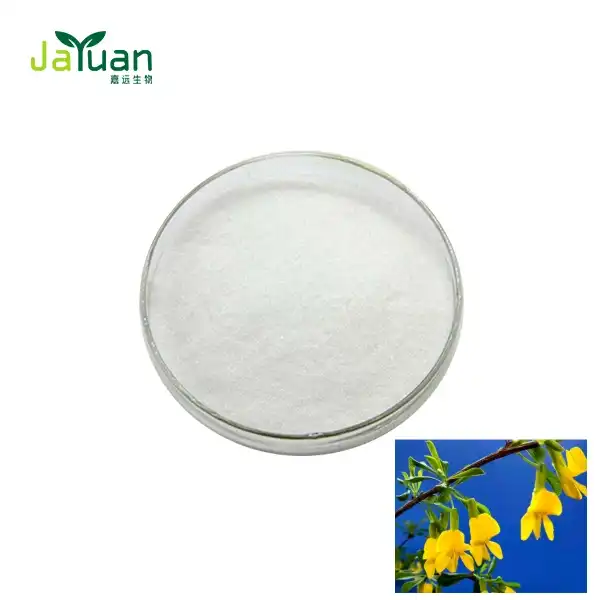
If you are establishing a smoking cessation supplement brand and need the correct botanical ingredient, then selecting a cytisine supplement ingredient that balances purity, regulatory compliance and scalable supply is one of the most important decisions you’ll make. Cytisine is an alkaloid isolated from the plant Thermopsis lanceolata and other plants of the leguminous family. Cytisine acts as a partial agonist at α4β2 nicotinic acetylcholine receptors, like nicotine in its interaction with the receptor but less dopaminergic. This process dampens the desire for nicotine and withdrawal pain without fully stimulating addiction, making it an attractive plant for today’s natural wellness industry.
Understanding Cytisine and Its Role in Nicotine Craving Support
The Science Behind This Plant-Based Alkaloid
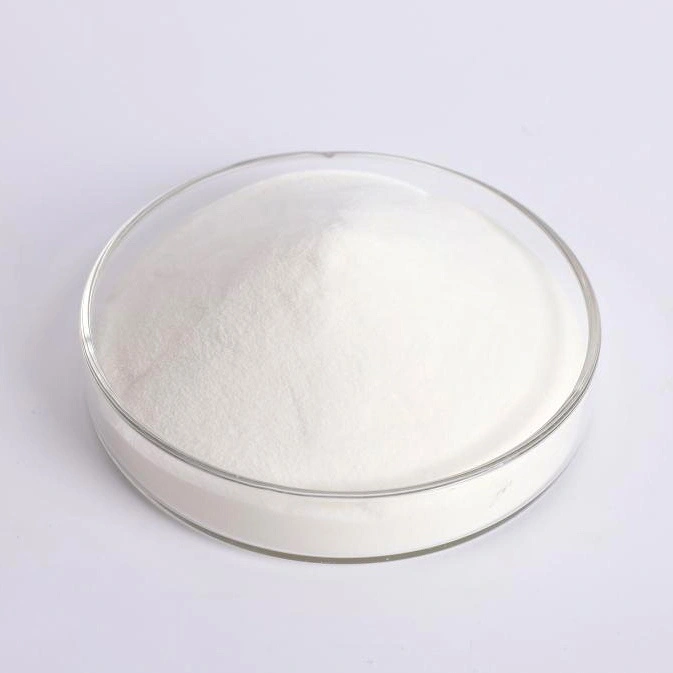
It has a molecular weight of 190.24 g/mol and a melting point of 152 to 156 °C (CAS No. 485-35-8). It is similar in structure to nicotine and can bind to the same receptor locations. So you get less pleasure from cigarets. In 2011, a famous randomised controlled trial published in The New England Journal of Medicine found that cytisine was well tolerated and helped individuals quit smoking substantially more than a placebo over a 12-month follow-up period. This alkaloid is plant-derived not lab-synthesized. It quickly connects with consumers who are interested in plant-based health solutions – something many new supplement firms are trying to actively do.
Natural vs. Synthetic: Why Origin Matters for Your Brand
As more brands enter the nicotine craving support market, they are becoming more specific about where their ingredients come from. Synthetic varenicline has been scientifically proven to work, but in most countries it is only sold as a prescription drug, which limits how it can be used in food supplement products. Formulators can make over-the-counter supplement products with a high-purity cytisine ingredient that comes from confirmed herbal supply lines. These products are marketed as plant-based cessation support ideas. Regulatory strategy, consumer trust, and marketing language are all affected by this difference at the same time.
Key Decision Criteria When Choosing a Cytisine Supplement Ingredient
Choosing a supplier of cytisine supplement ingredients is more than just comparing prices. Before committing to a long-term supply connection, procurement owners and brand developers should look at a number of factors.
Here are the main things that experienced B2B buyers look at when narrowing down the list of companies that make culinary ingredients:
- Purity grade and analytical verification: Cytisine that is used in medicine should be at least 98% pure by HPLC, with strict limits on related alkaloids. When lower-grade materials are used, they cause batch differences that make formulations less consistent. Suppliers must give reports of analysis that refer to EP or USP pharmacopeia standards.
- Manufacturing certifications: Any ingredient that will be used in finished supplements sold in the EU or the US must have GMP certification. ISO certifications are another sign of quality management that is standardized across the testing and production processes.
- Dosage form compatibility: When making pills, hard capsules, or softgels, the cytisine powder's physical properties—such as particle size distribution, flowability, and moisture content—must match the way your contract maker compresses or encapsulates the powder. Keeping the moisture level below 0.5% makes sure that the product stays stable during further processing.
- Regulatory boundary awareness: Cytisine's regulatory classification changes from country to country. In the US, it's currently in a gray area between chemicals in dietary supplements and APIs for pharmaceuticals, so it needs to be carefully label claim design. A supplier who knows the rules and is willing to talk about them is a strategic asset.
- Small-batch trial capability: Suppliers who can handle trial orders before scaling up are very helpful for new brand founders. This lowers the risk of making a promise right away during the product approval stages.
When put together, these factors create a strategy for procurement that puts quality first. If you skip over a single dimension, you might create compliance problems later on that will cost a lot to fix.
Procurement Insights: How to Source Cytisine Ingredients Effectively
Evaluating Supply Chain Depth and Stability
Getting reliable cytisine supplement ingredients requires a supply chain that goes all the way back to growing the raw materials. Price security is better for suppliers who grow Thermopsis lanceolata or Sophora alopecuroides themselves or hire others to do so near major growth regions than for suppliers who only buy from the open market. Vertically linked supply chains protect your brand from the changes in seasonal prices that happen in markets for plant goods.
Logistics, Customs, and Storage Considerations
When alkaloid ingredients are shipped internationally, they need to be accompanied by accurate paperwork, such as controlled substance declarations when needed, and a correct HS code classification. Working with a seller who has experience sending goods to the US, the EU, and Southeast Asia makes customs clearance easier and lowers the chance that a package will be late. Cytisine powder should be stored in sealed, nitrogen-flushed cases. If kept in the right way, it has a shelf life of more than three years, which lets brands keep safety stock without worrying about it going bad.
Practical Application: Integrating Cytisine Ingredients Into Cessation Programs
Evidence From Real-World Usage Contexts
A thorough review by Cochrane in 2014 of several controlled studies found that cytisine helped more people quit smoking than a placebo, and that it was usually safer than nicotine replacement treatment. In Eastern Europe, business health programs have used cytisine-based supplements as part of organized cessation programs for many years, collecting longitudinal data on both compliance and the lowering of withdrawal symptoms. For brand owners in the US and Southeast Asia, this body of evidence gives them a solid scientific story to back up how they place their products, while still staying within the rules for dietary supplements.
Customization and Formulation Flexibility
When brands want to make their cytisine supplement stand out in a crowded market, ingredient providers that offer flexible specification choices can help. Pharmaceutical-grade (≥99%) materials are good for high-end supplement lines that sell on accurate dosing. Standard-grade (≥95%) material is a cheap way to get into markets that focus on quantities. A strategic ingredient partner is different from a transactional seller because they can handle both small validation runs and commercial tons of product with the same level of purity.
Conclusion
The category of cytisine supplement ingredients is growing around the world because people want plant-based options to synthetic help for quitting. Choosing the right ingredient provider affects every choice that follows, from the consistency of the formulation and meeting legal requirements to the trustworthiness of the marketing and the dependability of the supply. To make sustainable products for this growing market segment, brands that put an emphasis on purity documentation, manufacturing certifications, openness in the botanical supply chain, and flexible OEM support will be in the best position. It's not being cautious to carefully look at cytisine substance sources before starting production; it's a smart way to stay ahead of the competition.
FAQ
1.Is cytisine as an ingredient safe for long-term supplement formulations?
Cytisine has been tested in humans for many years, and standard doses have been found to be safe in many studies. Buyers of ingredients should ask suppliers for full impurity profiles and related-substance reports to make sure that finished products are made with high-purity materials.
2.How does cytisine compare to nicotine replacement ingredients in supplement positioning?
Cytisine has a clear "botanical" positioning advantage because it comes from plants. Unlike nicotine, it doesn't fully activate receptors. This lets supplement brands separate based on mechanism while still using natural product marketing that is friendly to consumers.
3.What regulatory considerations apply to cytisine supplement products in the US?
In the US, cytisine is regulated in a lot of different ways. At the moment, the FDA has not accepted it as a drug ingredient. This means that it can be used in some supplement recipes, but label claims must be carefully written. Working with sellers who know these limits helps brands stay out of trouble with the law.
4.What minimum order quantities are typical for cytisine ingredient procurement?
Many authorized suppliers can handle small trial orders to help with product development. Commercial orders can range from a few kilograms to several tons per year, based on how much the product needs to be made.
5.Can cytisine ingredients be combined with other botanical extracts in formulations?
Yes. Formulators often mix cytisine with plants that work well together. When suppliers can get more than one extract from the same plant, they can cut costs and increase the number of ingredients they offer.
Source Your Cytisine Supplement Ingredient With Jiayuan Bio-Tech
Jiayuan Bio-Tech is a recognized company that makes cytisine supplements and sells high-purity plant alkaloid ingredients to companies in the US, EU, and Southeast Asia. Our production lines are GMP and ISO-certified, and our patented SMB chromatographic purification technology and vertically integrated raw material base ensure that the purity is always above 98%. You can also place a sample order for a small amount. To get details and a sample price, email our team at sales@jayuanbio.com or sales1@jayuanbio.com or go to jayuanbio.com.
References
1. West, R., Zatonski, W., Cedzynska, M., et al. — The New England Journal of Medicine, 2011.
2. Cahill, K., Lindson-Hawley, N., Thomas, K. H., Fanshawe, T. R., & Lancaster, T. — Cochrane Database of Systematic Reviews, 2016.
3. Hajek, P., McRobbie, H., & Myers, K. — CNS Drugs, 2013.
4. Tutka, P., & Zatonski, W. — Pharmacological Reports, 2006.
5. Walker, N., Howe, C., Glover, M., et al. — JAMA, 2014.
6. United States Pharmacopeial Convention — USP-NF General Chapters: Botanical Extracts, 2022.