Can cytisine be used to help with cessation of smokeless tobacco?
Research demonstrates that cytisine can effectively support smokeless tobacco cessation through its unique mechanism as a partial nicotinic acetylcholine receptor agonist. This natural alkaloid, derived from plants in the Fabaceae family, reduces nicotine cravings and withdrawal symptoms while blocking the rewarding effects of tobacco use. Clinical studies indicate cytisine produces similar quit rates to conventional therapies but with fewer adverse effects, making it particularly suitable for smokeless tobacco users who face distinct challenges compared to cigarette smokers.

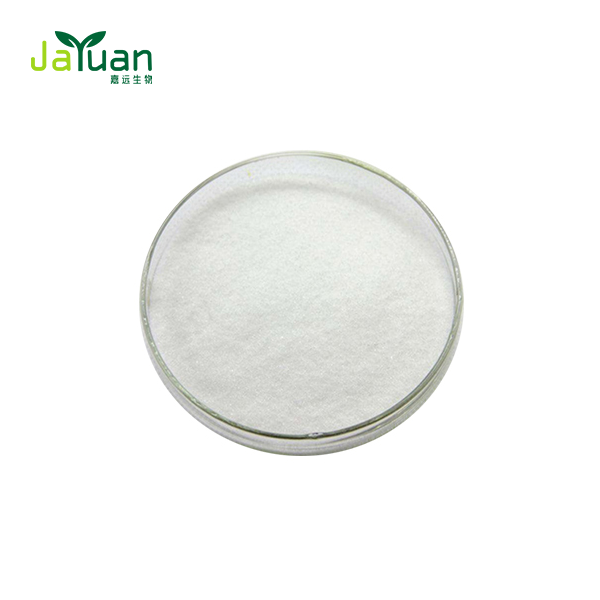
Product Name: Cytisine 98%
CAS NO.: 485-35-8
Molecular formula: C11H14N20
Molecular weight: 190.24
Specification content: 98%(HPLC)
Product Description: Diagonal Prism Powder
Physical properties: Melting point of 98-99 ℃, soluble in water, ethanol, methanol, insoluble in petroleum ether.
MOQ: 500gG-1KG
Our Advantages: Scalable production capacity, strict quality control, cost efficiency from integrated factories, over 20 years of experience, advanced technology, and 24/7 after-sales support.
Certificaions: FSSC2000/ISO2000/HALAL/KOSHER/HACCP
Delivery terms: FedEx, DHL, EMS, UPS, TNT, all kinds of the airline, international shipping companies.
Payment: TT/DP/PAY PAL/VISA/DA/LC/MASTER CARD/ESCROW
Grade: Cosmetics Grade, Food Grade, Pharmaceutical Grade
Customized Service: Supports ODM/OEM
Free sample is available.
We do not sell retail quantities to individuals.
Understanding Cytisine and Its Role in Tobacco Cessation
The biochemical properties of cytisine position it as a capable apparatus in tobacco cessation techniques over different utilization strategies. As a characteristic alkaloid extracted from leguminous plants, cytisine illustrates surprising adequacy in decreasing reliance behaviors through a focus on receptor interactions.
Mechanism of Action in Nicotine Dependency
Cytisine acts as a fractional agonist of nicotinic acetylcholine receptors, advertising a double helpful impact that makes a difference in overseeing withdrawal and avoiding backsliding. When smokeless tobacco is utilized, nicotine ties to these receptors, fortifying the reliance cycle. Cytisine possesses these destinations with lower inherent action, facilitating withdrawal indications while blocking the full fulfilling impacts of nicotine.
Its atomic structure, compared to nicotine, permits cytisine to cross the blood-brain obstruction and tie to receptors in the central nervous framework. This empowers it to viably compete with nicotine, steadily diminishing the user's reliance on tobacco.
Clinical Safety Profile and Tolerability
Extensive clinical inquiry has revealed that cytisine has a favorable security profile over different persistent populaces. Not at all like a few cessation aids, it has negligible medicated, intelligent, and reasonable side impacts, primarily gentle gastrointestinal side effects and brief, unsettling influences, which ordinarily resolve amid the starting treatment phase.
With a fast disposal half-life of 4.8 hours, cytisine permits adaptable dosing plans while minimizing amassing dangers. This is especially advantageous for smokeless tobacco clients, who keep up steady nicotine levels all through the day and require cessation help that fits their utilization patterns.
Dosage Considerations for Smokeless Tobacco Users
Smokeless tobacco cessation requires custom-fitted approaches to address the delayed nicotine presentation of ordinary items like chewing tobacco and snuff. Standard cytisine conventions take after a 25-day graduated dosing plan, beginning with higher frequencies amid the starting withdrawal stage and decreasing off as reliance decreases.
This regimen addresses the interesting challenges confronted by smokeless tobacco clients, such as amplified nicotine contact and the periodic nature of verbal tobacco utilization. Inquire about recommendations that smokeless tobacco clients regularly take advantage of longer treatment lengths than cigarette smokers, as their cessation preparation includes overcoming both chemical reliance and profoundly imbued behavioral habits.
Evaluating Cytisine for Smokeless Tobacco: Effectiveness and Comparisons
Modern cessation treatments offer distinctive approaches to tobacco reliance, each with one-of-a-kind instruments and viability. Understanding how cytisine compares to other medicines makes a difference; obtainment experts make educated choices when creating comprehensive cessation programs.
Comparative Analysis with Conventional Therapies
Clinical trials show that cytisine accomplishes stopped rates comparable to varenicline, the gold standard for pharmacological cessation, with superior tolerability. A randomized controlled trial with 740 members found that cytisine expanded 12-month restraint rates from 2.4% with a fake treatment to 8.4% with dynamic treatment, highlighting its restorative advantage.
Compared to nicotine substitution treatments like gums, patches, and tablets, cytisine gives one-of-a-kind benefits for smokeless tobacco clients. Conventional substitutions regularly come up short to address the particular utilization designs and behavioral angles of verbal tobacco utilization. Cytisine's receptor-blocking component targets both the pharmacological and mental components of dependency.
Bupropion and other antidepressant-based cessation aids act on diverse neurochemical pathways, fundamentally centering on dopaminergic frameworks or maybe more straightforwardly tweaking nicotinic receptors. Whereas these options work for a few populaces, cytisine's focused approach to nicotine receptors offers a more coordinated arrangement for tobacco-specific dependency.
Cost-Effectiveness and Accessibility Advantages
Economic examinations reliably show that cytisine is more cost-effective than branded pharmaceutical options. Its characteristic sourcing and built-up fabricating forms permit critical toll diminishments without compromising restorative adequacy, making it more open to a more extensive run of patients and healthcare frameworks with budget constraints.
This reasonableness is particularly vital for large-scale cessation programs focusing on assorted populaces. Organizations running population-wide tobacco lessening activities can expand their reach and effect through cytisine’s favorable financial matters, possibly moving forward open wellbeing results while controlling program costs.
Evidence Base for Smokeless Tobacco Applications
While most inquiries about cytisine have centered on cigarette smoking cessation, rising proof appears for its viability for different tobacco utilization strategies. The nicotine reliance instruments are comparative over conveyance strategies, recommending that cytisine's benefits amplify to smokeless tobacco clients confronting the same neurochemical challenges.
Meta-analyses on cytisine's adequacy over distinctive tobacco items appear reliable and come about in decreasing desires and supporting forbearance. The adaptability of cytisine conventions permits customization based on item sorts and utilization designs, guaranteeing ideal results for differing client populations.
Procurement Insights: Sourcing Cytisine for B2B Clients
Successful cytisine acquirement requires an exhaustive understanding of administrative systems, quality measures, and supply chain components influencing item accessibility and compliance. Buyers must explore complex necessities while guaranteeing solid access to high-quality materials.
Regulatory Compliance Across International Markets
The administrative status of cytisine shifts over worldwide markets, requiring consideration of nearby prerequisites and purported methods. Whereas European markets have by and large acknowledged cytisine through set-up endorsement pathways, North American directions are still advancing as offices survey its restorative potential.
Understanding country-specific necessities makes a difference; acquirement groups create compliant sourcing procedures, minimizing administrative dangers while guaranteeing item accessibility. Documentation, quality certifications, and endorsement forms contrast altogether between districts, requiring mastery in worldwide pharmaceutical regulations.
As more markets recognize cytisine's helpful esteem, the administrative scene proceeds to move. Remaining educated around developing endorsements and changing prerequisites permits acquirement experts to anticipate advertised openings and alter sourcing methodologies accordingly.
Quality Assessment and Supplier Evaluation
Effective provider assessment centers on fabricating capabilities, quality control frameworks, and administrative compliance. Key criteria incorporate GMP certifications, explanatory testing capabilities, and a steady track record of item quality over numerous generation clusters.
Here are the essential quality indicators for cytisine suppliers:
- Manufacturing Standards: GMP-certified facilities with automated control systems ensure consistent production quality and batch-to-batch reproducibility
- Analytical Capabilities: Advanced testing equipment including HPLC and GC-MS provides comprehensive quality verification and compliance documentation
- Purity Specifications: Products exceeding 95% purity with detailed impurity profiles meet pharmaceutical-grade requirements for therapeutic applications
- Stability Data: Extended shelf-life validation through controlled storage studies demonstrates product integrity over time
- Regulatory Documentation: Complete regulatory packages supporting market access across target jurisdictions
These quality benchmarks ensure procurement decisions support successful product development and regulatory approval processes while minimizing supply chain risks.
Cost Optimization Strategies
Bulk purchasing can significantly lower unit costs while ensuring consistent supply. Volume commitments allow suppliers to optimize production and pass efficiency gains on to customers through better pricing.
Supply chain optimization balances cost, quality, and delivery reliability. Long-term partnerships with established suppliers often offer better value than spot purchasing, especially for products that need specialized handling and storage.
Practical Application: Using Cytisine in Smokeless Tobacco Cessation Programs
Implementing cytisine-based cessation programs requires cautious thought of client profiles, treatment conventions, and bolster frameworks to maximize results. Effective programs combine pharmacological mediation with behavioral bolster and monitoring.
Target Population Identification
Smokeless tobacco clients have one-of-a-kind characteristics that affect the plan and usage of cessation programs. Not at all like cigarette smokers, they frequently have drawn-out introductions to tobacco and show diverse utilization designs, which impact withdrawal and treatment responses.
Identifying candidates for cytisine treatment requires surveying reliance levels, past cessation endeavors, and personal chance variables. Clients with direct-to-tall reliance for the most part benefit most from pharmacological medications, whereas those with lower reliance may succeed with behavioral mediations alone.
Co-occurring conditions, such as mental wellbeing or substance use disorders, require specialized approaches that address complex treatment intelligently. Comprehensive screening guarantees appropriate candidate choice and distinguishes those who may require extra background services.
Treatment Protocol Customization
Effective cytisine conventions account for person contrasts in tobacco utilization, reliance levels, and treatment objectives. Standard plans give a system that can be balanced based on particular client needs and responses.
The continuous measurements decrease approach makes a difference; clients adjust to diminishing nicotine levels, whereas keeping up helpful feedback. Starting stages center on overseeing withdrawal indications, whereas later stages prioritize backslide avoidance and long-term abstinence.
Monitoring frameworks track adherence and distinguish early backslide signs. Normal appraisals permit convenient alterations and extra bolster when needed.
Integration with Behavioral Support Systems
Combining cytisine treatment with behavioral interventions improves cessation victory rates. Counseling addresses mental reliance, whereas pharmacological treatment oversees physiological withdrawal symptoms.
Educational components offer assistance to clients to get the cessation handle and create adapting procedures for challenges. Peer-back systems offer extra inspiration and down-to-earth exhortation from people with comparative experiences.
Technology-based bolster frameworks extend program reach and diminish usage costs. Versatile apps and telehealth stages empower further checking and back, particularly for clients in regions with restricted access to conventional services.
Company Introduction and Product & Service Information
Jiayuan Bio-Tech is a driving producer of high-quality cytisine items, serving worldwide B2B markets with advanced extraction innovations and vigorous quality frameworks. Our commitment to greatness ranges from crude fabric sourcing to last item delivery.
Advanced Manufacturing Capabilities
Our progressive generation offices utilize cutting-edge extraction innovations for predominant proficiency and item quality. The energetic countercurrent and ultrasonic-assisted extraction forms accomplish 30-50% higher effectiveness than conventional strategies, whereas diminishing dissolvable utilization and natural impact.
The recreated moving bed chromatography (SMB) framework empowers persistent generation with steady immaculateness levels over 98%, guaranteeing reliable quality over all clusters to meet the strict guidelines of pharmaceutical and nutraceutical applications.
Automated control frameworks minimize human blunder by accurately controlling key parameters such as pH, temperature, and dissolvable proportions. The Dispersed Control Framework (DCS) gives real-time checking and alterations, guaranteeing ideal conditions all through the generation cycle.
Quality Assurance and Regulatory Compliance
Our double quality control approach combines real-time online observing with exhaustive offline testing to guarantee full compliance with universal pharmacopeia benchmarks. Near-infrared spectroscopy screens extraction forms, whereas HPLC and GC-MS affirm last item specifications.
GMP and ISO 13485 certifications highlight our commitment to the most noteworthy quality measures for pharmaceutical applications. These certifications give us advertising access in Europe, the US, and China, guaranteeing client certainty in our fabricating capabilities.
Product steadiness is prioritized with controlled dampness administration and specialized bundling. Fixed, nitrogen-filled bundling amplifies rack life past a long time, whereas it protects item judgment beneath different capacity conditions.
Cost-Effective Production Solutions
Our coordinated approach to crude fabric utilization maximizes steam extraction and diminishes generation costs. Synchronous extraction of high-value components like flavonoids from the same plant fabric brings down handling costs and upgrades financial efficiency.
Our dissolvable recuperation framework accomplishes over 90% recuperation rates for ethanol and methanol, cutting consumable costs and natural effects. This closed-loop framework bolsters economical generation and makes strides toward competitiveness.
With a 10-ton yearly generation capacity, we accomplish noteworthy fetched decreases compared to smaller operations. This scale advantage comes about in unit costs 40-60% lower than small-scale options, advertising predominant esteem to clients.
Conclusion
Cytisine represents a promising natural solution for smokeless tobacco cessation, offering effective therapeutic benefits through its targeted mechanism of action. The compound's favorable safety profile, cost-effectiveness, and proven efficacy make it an attractive option for pharmaceutical companies, nutraceutical suppliers, and cessation program developers. As regulatory acceptance continues expanding globally, cytisine's accessibility will likely improve, providing broader opportunities for integration into comprehensive tobacco reduction strategies. The combination of natural sourcing, established manufacturing processes, and growing evidence base positions cytisine as a valuable component in the evolving landscape of tobacco cessation therapies.
FAQ
1. Can cytisine effectively help smokeless tobacco users quit?
Clinical evidence supports cytisine's effectiveness in tobacco cessation, including for smokeless tobacco users. Its mechanism targets nicotinic receptors, offering therapeutic benefits for those looking to reduce or quit tobacco use, regardless of the delivery method.
2. How does cytisine compare to nicotine replacement therapy for smokeless tobacco cessation?
Cytisine offers advantages over traditional nicotine replacement products by blocking nicotine effects instead of replacing them. This mechanism reduces the rewarding sensations of tobacco use while managing withdrawal symptoms, potentially leading to better long-term abstinence outcomes.
3. What purity levels are available for cytisine products?
High-quality cytisine products typically achieve purity levels exceeding 95%, with pharmaceutical-grade specifications reaching 99% or higher. These purity levels ensure consistent therapeutic effects and regulatory compliance across various application requirements.
4. Are there specific regulatory considerations for cytisine procurement?
Regulatory requirements differ across markets, with some regions having established approval processes and others still developing frameworks. Procurement teams should consult regulatory experts to ensure compliance with local regulations.
5. What quality certifications should cytisine suppliers maintain?
Reputable cytisine suppliers should maintain GMP certifications, ISO quality standards, and comprehensive analytical testing capabilities. These certifications demonstrate manufacturing competency and regulatory compliance necessary for pharmaceutical and nutraceutical applications.
6. How can bulk purchasing arrangements benefit cytisine procurement?
Volume commitments often lead to significant cost savings while ensuring a steady supply. Long-term partnerships with certified suppliers generally offer better value than spot purchases, especially for specialized compounds that require careful handling and storage.
Contact Jiayuan Bio-Tech for Premium Cytisine Supply Solutions
Jiayuan Bio-Tech stands ready to support your cytisine procurement needs through our advanced manufacturing capabilities and comprehensive quality systems. Our pharmaceutical-grade cytisine products exceed 95% purity while maintaining competitive pricing through efficient production processes and integrated supply chain management. Whether you require bulk cytisine powder for pharmaceutical applications or customized formulations for nutraceutical products, our experienced team provides tailored solutions that meet your specific requirements. Contact our technical specialists at sales@jayuanbio.com or sales1@jayuanbio.com to discuss your project requirements and discover how our cytisine supplier expertise can enhance your product development initiatives.
References
1. Walker N, Howe C, Glover M, et al. Cytisine versus nicotine for smoking cessation. New England Journal of Medicine. 2014;371(25):2353-2362.
2. Tutka P, Zatonski W. Cytisine for the treatment of nicotine addiction: from a molecule to therapeutic efficacy. Pharmacological Reports. 2006;58(6):777-798.
3. Cahill K, Lindson-Hawley N, Thomas KH, et al. Nicotine receptor partial agonists for smoking cessation. Cochrane Database of Systematic Reviews. 2016;(5):CD006103.
4. Hajek P, McRobbie H, Myers K. Efficacy of cytisine in helping smokers quit: systematic review and meta-analysis. Thorax. 2013;68(11):1037-1042.
5. Leaviss J, Sullivan W, Ren S, et al. What is the clinical effectiveness and cost-effectiveness of cytisine compared with varenicline for smoking cessation? A systematic review and economic evaluation. Health Technology Assessment. 2014;18(33):1-120.
6. West R, Zatonski W, Cedzynska M, et al. Placebo-controlled trial of cytisine for smoking cessation. New England Journal of Medicine. 2011;365(13):1193-1200.