
Bulk Astaxanthin Powder Sourcing Guide
Finding reliable bulk astaxanthin powder suppliers requires careful evaluation of quality standards, purity levels, and manufacturing capabilities. This comprehensive Astaxanthin Powder Bulk sourcing guide addresses critical procurement decisions for pharmaceutical companies, cosmetic manufacturers, food producers, nutraceutical suppliers, and research institutions. Understanding extraction methods, stability parameters, and compliance certifications ensures optimal ingredient selection for your specific applications while maintaining product integrity throughout the supply chain.
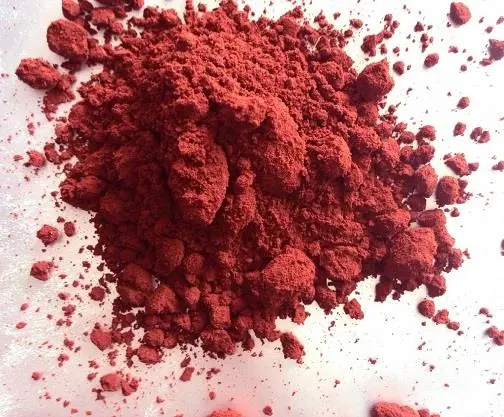
Purity: 1%-10%
Appearance: Dark red powder
CAS NO.: 472-61-7
Molecular Weight: 596.85
Molecular Formula: C40H52O4
MOQ: 500G-1KG
Inventory: in stock
Our Advantages: Scalable production capacity, strict quality control, cost efficiency from integrated factories, over 20 years of experience, advanced technology, and 24/7 after-sales support.
Certificaions: FSSC2000/ISO2000/HALAL/KOSHER/HACCP
Delivery terms: FedEx, DHL, EMS, UPS, TNT, all kinds of the airline, international shipping companies.
Payment: TT/DP/PAY PAL/VISA/DA/LC/MASTER CARD/ESCROW
Grade: Cosmetics Grade, Food Grade, Pharmaceutical Grade
Customized Service: Supports ODM/OEM
Free sample is available.
We do not sell retail quantities to individuals.
Understanding Astaxanthin Powder Bulk Fundamentals
Natural Source and Exceptional Antioxidant Capacity
The potent keto-carotenoid pigment astaxanthin powder in bulk is a concentrated form that is mostly derived from Haematococcus pluvialis microalgae. About 6,000 times stronger than vitamin C and 800 times more effective than coenzyme Q10, this natural astaxanthin source offers remarkable antioxidant capability.
Molecular Structure and Cellular Protection Mechanism
This carotenoid's ability to cover whole cell membranes according to its chemical structure C40H52O4 offers complete defence against oxidative stress. Supercritical CO2 extraction is one of the advanced processing methods used on high-quality astaxanthin extract to ensure minimum solvent residues while maintaining biological activity.
Advanced Extraction and Processing Technologies
The qualities of the finished product are greatly influenced by the manufacturing methods. Modern microencapsulation techniques for Astaxanthin Powder Bulk shield the active ingredient from heat damage, oxygen exposure, and light deterioration. These safeguards keep potency levels constant while extending shelf life to 24 to 36 months.
Stability Management During Storage and Distribution
The stability of astaxanthin becomes essential throughout the periods of storage and transportation. The effectiveness of ingredients is preserved by following proper handling procedures, which stop oxidation cascades. Throughout the distribution cycle, molecular integrity is preserved via light-resistant packaging and temperature-controlled conditions.
Essential Quality Parameters for Procurement
Purity Levels That Match Application Requirements
The quality of astaxanthin powder must be assessed by extensive analytical testing in a number of crucial areas. Usually between 1.0% and 10.0%, purity levels are carefully chosen to satisfy the demands of particular applications and the complexity of the manufacturing process. Higher purity often indicates more sophisticated production processes.
Strict Heavy Metal Limits for Global Compliance
For applications in pharmaceuticals and nutraceuticals, heavy metal contamination poses serious concerns. Adherent providers keep arsenic concentrations below 2.0 ppm, mercury levels below 0.1 ppm, and lead levels below 3.0 ppm. These stringent restrictions meet stringent regulatory standards in international markets while safeguarding the health of consumers.
Microbiological Safety and Pathogen Screening Standards
Microbiological testing uses thorough pathogen screening, yeast and mould enumeration, and total plate count analysis to confirm the safety of ingredients. Good astaxanthin supplements must have bacterial counts less than 10,000 CFU/g and be completely free of dangerous organisms like Salmonella and E. coli to maintain product integrity throughout time.
Solvent Residue Control in Extraction Processes
Potential contamination from different extraction techniques may be found via solvent residue analysis. Supercritical CO₂ techniques are used by reliable vendors because they completely remove hazardous solvents while maintaining sensitive bioactive chemicals. Using different extraction methods might result in unwanted leftovers that need careful monitoring procedures.
Moisture Content and Powder Stability During Storage
Powder flowability and stability during long-term storage are significantly impacted by moisture content. In order to successfully inhibit microbial development and maintain excellent handling qualities throughout production operations and throughout distribution, optimal levels are continuously kept below 5.0%.
Source Verification and Manufacturing Standards
Controlled Cultivation of Haematococcus pluvialis
There is a big difference in the quality and sustainability of natural astaxanthin sources. To get the most development out of Haematococcus pluvialis, you need to create settings that are very regulated and limit the danger of contamination. Reliable suppliers keep detailed documentation of how they grow their crops, including the weather and the exact time of harvest. This creates a clear chain of custody from the pond to the product.
Traceable Geographic Origin of Raw Materials
The location where a raw material comes from has a big effect on its properties because of differences in temperature and water quality in different areas. Reliable suppliers provide full documentation that explains where crops are grown, how seasonal changes are handled, and the steps taken to make sure that quality is the same throughout successive harvests and batches.
Certified Manufacturing and Quality Management Systems
Certifications for manufacturing facilities are a strong sign that a supplier is committed to good quality processes, such as those for Astaxanthin Powder Bulk. Following ISO 22000, following GMP principles, and using HACCP procedures all show that you are taking a methodical approach to avoiding contamination and keeping strict process control. Regular audits and a promise to always do better are what these certifications are based on.
Extraction Technologies That Preserve Astaxanthin Integrity
The extraction process you choose has a big effect on the finished product's properties. Supercritical CO2 extraction keeps the delicate molecular structure of astaxanthin intact and avoids using hazardous solvents. Traditional solvent-based procedures, on the other hand, might lower purity and leave behind undesired chemical residues in the extract.
Equipment Maintenance and Process Consistency
To keep products the same and of good quality, processing equipment must be properly maintained all the time. Following regular calibration schedules, doing preventative maintenance, and following strict cleaning validation protocols all help make sure that production runs as smoothly as possible. This hard work helps make sure that every manufacturing cycle fulfills the quality standards that have been set.
Applications Across Industries
Pharmaceutical Formulations Targeting Oxidative Stress
Pharmaceutical firms use astaxanthin powder in treatment formulations to address disorders linked to oxidative stress. To guarantee adequate absorption and clinical performance, the bioavailability properties of the substance need unique formulation techniques, such as lipid-based delivery systems and specialized coating technologies.
Cosmetic Use in Anti-Aging and Skin Protection Products
The antioxidant qualities of astaxanthin are included by cosmetic producers into high-end skincare lines, anti-aging formulas, and skin protection products. The compound's photo-protective properties improve skin tone and elasticity while bolstering natural collagen production pathways and UV defense.
Functional Ingredient in Food and Beverage Products
Applications in food and drink make use of astaxanthin's inherent coloring qualities in addition to its practical advantages. Water-dispersible forms that allow for clear solutions without precipitation or color fading over long storage periods are especially valued by beverage makers.
Nutraceutical Supplements for Targeted Health Support
Suppliers of nutraceuticals concentrate on astaxanthin softgel formulations and capsules that target certain health advantages. The need for premium components with established bioavailability is primarily driven by the market areas of eye health, cardiovascular support, and athletic performance.
Research-Grade Materials for Scientific Studies
Analytical-grade materials with comprehensive certificates of analysis that assist scientific inquiries are necessary for research institutes. Reliable experimental results are made possible by consistent potency levels and thorough characterisation data under a range of research settings and situations.
Regulatory Compliance Considerations
European Union Novel Food Approval Requirements
International laws pertaining to astaxanthin differ greatly across markets. Strict Novel Food Regulations enforced by the European Union need thorough safety evaluations and official clearance procedures for certain product uses. In addition to ensuring consumer safety, these regulations provide clear routes for firms that comply to enter the EU market.
FDA Safety Classification and Labeling Standards
According to FDA regulations, astaxanthin is classified as generally recognized as safe for a number of uses while upholding strict labeling requirements. Manufacturers are required to gather comprehensive safety paperwork that explains the intended usage and dosage levels of their products. This basis of scientific knowledge promotes customer confidence in advertised items while facilitating regulatory compliance.
Japanese Pharmacopoeia Quality Specifications
Comprehensive quality criteria for Astaxanthin Powder Bulk, such as exact purity parameters and verified analytical techniques, are established by Japanese Pharmacopoeia standards. Strict storage guidelines that preserve product integrity throughout the supply chain must be followed by manufacturers. Adherence to these comprehensive standards demonstrates a dedication to superior quality control while facilitating market access.
Organic Certification and Production Transparency
In-depth records pertaining to growing techniques, processing procedures, and thorough facility management systems are required for organic certifications. From the field to the final product, producers are subjected to stringent audits that confirm their compliance with organic standards. These certifications provide access to eco-aware customer groups looking for natural goods and support premium pricing strategies.
Halal and Kosher Certification for Global Market Access
The market accessibility for dietary supplement applications across a range of consumer groups is significantly increased by Halal and Kosher certifications. Before giving their certification, certifying authorities thoroughly examine the documents pertaining to the procurement of ingredients and the processing facilities. These certificates of religious conformity show cultural awareness and provide access to niche markets throughout the globe.
Supply Chain Management Excellence
Thorough Supplier Evaluation for Consistent Quality
Careful supplier assessment procedures are the first step in creating trustworthy wholesale relationships for astaxanthin powder. An uninterrupted supply chain is ensured by carefully evaluating a prospective partner's financial soundness. Examining their technical prowess at the same time ensures that the product's purity and quality are continuously high, batch after batch.
Inventory Planning to Balance Supply and Freshness
Because lead times vary with the natural cycles of algae culture, navigating the market necessitates a careful approach to inventories. Businesses may guarantee product availability by weighing the expenses of keeping inventory against the possibility of running out. Additionally, by preventing deterioration, this meticulous preparation preserves the delicate compound's distinctive freshness and brightness.
Protective Packaging to Maintain Product Integrity
Packaging must do more than just hold the product along the production-to-consumer route. Together with nitrogen flushing, specialized, light-resistant containers provide an inert environment that prevents oxidation. By controlling moisture, the desiccant packets ensure that the powder will arrive free-flowing and with its molecular structure intact.
Temperature-Controlled Distribution for Stability
Ensuring strict temperature control throughout the distribution network is essential to preserving the compound's remarkable stability. Premium-grade materials need a flawless cold chain; it is not only a choice. By actively extending shelf life, this careful control of the temperature environment guarantees that the final consumer will get a product with the maximum efficacy.
Comprehensive Documentation for Traceability and Compliance
Lastly, a foundation of thorough documentation guarantees compliance and fosters confidence. Essential safety data sheets and certificates of analysis are included with every shipment to confirm its safety and purity. In addition to facilitating complete traceability from source to shelf, this thorough record-keeping makes it easier to confidently navigate regulatory audits.
Cost Optimization Strategies
Long-Term Supply Agreements to Stabilize Prices
The cost of astaxanthin powder is determined by changes in market demand, the difficulty of extraction, and the availability of raw ingredients. Businesses often sign long-term supply agreements in order to control this unpredictability. Even when seasonal demand increases put pressure on the market, these contracts help lock in more stable prices and ensure a consistent supply.
Bulk Purchasing Balanced with Inventory Management
One of the best strategies to reduce the cost of astaxanthin per unit is to purchase in greater quantities. But this strategy requires a delicate balancing act. Effective inventory management is crucial to maintaining profit margins since, while bulk purchases lower the price per gram, they simultaneously raise the expense of keeping goods on hand and need additional storage space.
Quality Grades Influence Cost and Market Position
The quality grade of Astaxanthin Powder Bulk has a significant impact on its ultimate cost. Premium products are processed more thoroughly, attain greater purity, and pass stringent testing procedures. They so inherently fetch a greater price, making them desirable in areas where quality is valued over price.
Synthetic Alternatives for Select Applications
Investigating synthetic astaxanthin may be a good substitute for certain applications for companies looking to save costs. Generally speaking, synthetic equivalents are less expensive. However, because of its high bioavailability and the strong customer desire for nutrients obtained organically, natural astaxanthin continues to have its commercial edge.
Optimized Storage and Logistics to Reduce Expenses
Product storage and transportation may be optimized to drastically save logistics expenses. Businesses may save fuel costs and transportation routes by strategically placing warehouses and combining shipments. In addition to maintaining the cold chain, this strategy lowers total delivery costs while maintaining product integrity.
Conclusion
Successful astaxanthin procurement requires comprehensive evaluation of quality parameters, supplier capabilities, and regulatory compliance factors. Natural astaxanthin sources offer superior bioavailability while requiring careful handling to maintain stability. Supplier partnerships should prioritize quality consistency, technical support, and regulatory expertise to ensure optimal outcomes. Strategic sourcing approaches balance cost considerations against quality requirements while maintaining supply chain reliability.
Partner with Jiayuan Bio-Tech for Premium Astaxanthin Powder Bulk Supplier Solutions
Jiayuan Bio-Tech delivers exceptional Astaxanthin Powder Bulk wholesale quality through advanced manufacturing capabilities and rigorous quality control systems. Our GMP-certified facilities ensure consistent potency levels while maintaining competitive pricing structures. Contact our technical team at sales@jayuanbio.com or sales1@jayuanbio.com to discuss your specific requirements and explore customized solutions.
References
1. Rodriguez-Saiz, M., de la Fuente, J. L., & Barredo, J. L. (2010). Xanthophyllomyces dendrorhous for the industrial production of astaxanthin. Applied Microbiology and Biotechnology, 88(3), 645-658.
2. Guerin, M., Huntley, M. E., & Olaizola, M. (2003). Haematococcus astaxanthin: applications for human health and nutrition. Trends in Biotechnology, 21(5), 210-216.
3. Capelli, B., Bagchi, D., & Cysewski, G. R. (2013). Synthetic astaxanthin is significantly inferior to algal-based astaxanthin as an antioxidant and may not be suitable as a human nutraceutical supplement. Nutrafoods, 12(4), 145-152.
4. Higuera-Ciapara, I., Felix-Valenzuela, L., & Goycoolea, F. M. (2006). Astaxanthin: a review of its chemistry and applications. Critical Reviews in Food Science and Nutrition, 46(2), 185-196.
5. Shah, M. M., Liang, Y., Cheng, J. J., & Daroch, M. (2016). Astaxanthin-producing green microalga Haematococcus pluvialis: from single cell to high value commercial products. Frontiers in Plant Science, 7, 531.
6. Lorenz, R. T., & Cysewski, G. R. (2000). Commercial potential for Haematococcus microalgae as a natural source of astaxanthin. Trends in Biotechnology, 18(4), 160-167.