Bulk Astaxanthin Powder: Cost-Effective Sourcing Guide
To get astaxanthin powder bulk, you need to know how prices change around the world, what the quality standards are, and what the seller can do. This complete guide shows pharmaceutical companies, cosmetics makers, and nutraceutical sellers how to buy things in a way that saves them money. As more people learn about astaxanthin's antioxidant qualities, the market for it has grown by 15% every year. Smart buyers use buying astaxanthin powder bulk to save a lot of money while still getting the same quality products and following the rules.
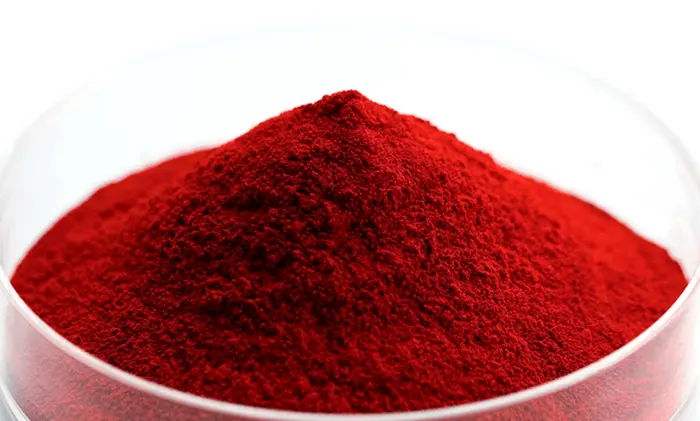
Purity: 1%-10%
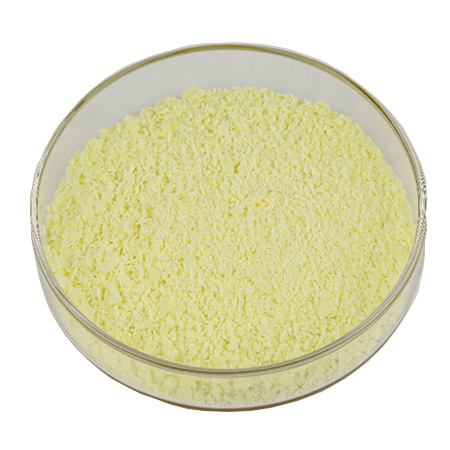
Appearance: Dark red powder
CAS NO.: 472-61-7
Molecular Weight: 596.85
Molecular Formula: C40H52O4
MOQ: 500G-1KG
Inventory: in stock
Our Advantages: Scalable production capacity, strict quality control, cost efficiency from integrated factories, over 20 years of experience, advanced technology, and 24/7 after-sales support.
Certificaions: FSSC2000/ISO2000/HALAL/KOSHER/HACCP
Delivery terms: FedEx, DHL, EMS, UPS, TNT, all kinds of the airline, international shipping companies.
Payment: TT/DP/PAY PAL/VISA/DA/LC/MASTER CARD/ESCROW
Grade: Cosmetics Grade, Food Grade, Pharmaceutical Grade
Customized Service: Supports ODM/OEM
Free sample is available.
We do not sell retail quantities to individuals.
Global Market Analysis for Astaxanthin Powder Procurement
Current Market Dynamics and Pricing Trends
The global market for astaxanthin has grown a lot. The price of bulk powder varies from $800 to $2,400 per kilogram, based on the purity level and the area where it is sourced. The higher price of natural astaxanthin compared to synthetic options is due to the fact that it is more bioavailable and consumers prefer it. Analysts think that the market will continue to grow as more pharmaceutical companies add astaxanthin pills to their lines.
Regional output hubs have a big effect on how prices are set. Asian makers, especially those with state-of-the-art extraction facilities, have low prices and high quality standards. The astaxanthin extract market benefits from economies of scale, which let people who buy in bulk get better deals when they place big orders.
Quality Standards and Regulatory Considerations
When making procurement choices, quality assurance must come before cost concerns. Heavy metals, microorganisms, and solvent residues are tested for in very strict ways by leading providers. Filter paper residue tests show levels of product purity, with better astaxanthin powder showing few impurities and higher antioxidant capacity.
International standards, such as USP, EP, and JP requirements, must be met by pharmaceutical-grade astaxanthin. For reliable experiment results, research organizations and labs need quality standards that are always the same. Cosmetic companies use astaxanthin most often for skin uses, which means they need certain purity levels and particle size distributions.
Comprehensive Price Breakdown and Cost Analysis
Factory Price Ranges and Wholesale Pricing
The selling price of astaxanthin powder bulk from the factory changes a lot depending on the concentration level and the amount of powder ordered. Standard 2% natural astaxanthin powder costs between $800 and $1,200 per kilogram FOB. Higher amounts of 5 to 10 percent cost between $1,500 and $2,400 per kilogram. CIF prices include shipping costs, which can add anywhere from 8 to 15 percent to FOB prices, based on the market where the goods are going.
Bulk discount structures usually start with orders of at least 500 kilograms, with bigger saves at 1-ton and 5-ton levels. When buyers in bulk sign annual supply deals, the prices they pay are 10–25% less than the spot market prices. Strategies for buying astaxanthin powder in bulk should look at the total yearly needs to get the best deals.
Additional Cost Considerations
Depending on the country of destination and the trade deal, import duties and tariffs can add 5 to 12 percent to the cost of delivery. Logistics costs, such as specialty cold-chain storage, add another 3–8 percent to the total cost of procurement. Customs clearance fees and paperwork fees usually cost between $200 and $800 per shipment. This means that bigger orders are cheaper.
Quality testing and certification costs, which are necessary for compliance, add $500 to $2,000 per batch, based on the testing parameters that need to be met. Insurance for high-value shipments adds 0.5% to 1.5% to the total cost, but it's necessary for protecting big purchases.
Critical Factors Influencing Astaxanthin Pricing
Raw Material and Production Variables
The price of astaxanthin marine sources is directly affected by their availability. The costs of growing Haematococcus pluvialis change depending on where it is grown and the method used for production. Costs of labor, energy, and upkeep for the building make up 25 to 40 percent of the total price of the product. Changes in the exchange rates between countries that make and buy goods cause prices to go up and down, so it's important to plan when to buy things.
Biotechnology businesses are affected by government policies that change the costs of production and the availability of markets. Environmental rules that grow facilities have an effect on running costs, and quality standards set specific requirements for processing. The natural sources of astaxanthin need to be handled in a certain way throughout the supply chain, which adds to the high prices.
Seasonal and Supply Chain Considerations
Microalgae sources have cycles of cultivation that cause yearly changes in supply that affect bulk prices. Peak production times usually happen during good growing seasons, which means that you can buy things at lower prices. Price increases can be caused by problems in the supply chain, such as transportation delays and a lack of raw materials. This means that companies need to be able to adapt their buying strategies.
Changes in market demand from major consumers have an effect on price trends. Bulk prices are going up because pharmaceutical companies are making more astaxanthin supplements. Astaxanthin is being used in more and more skin and eye care goods, which helps to keep demand growing.
Regional Price Comparison and Sourcing Advantages
Asian Manufacturing Hub Analysis
Asian production centers make most of the world's astaxanthin. They offer big cost savings thanks to their well-established infrastructure and technical know-how. New extraction methods allow for higher yields and higher purity levels, which helps keep prices low for large buyers. Regional suppliers have complex quality control systems that make sure that product standards are always met.
Asian ports are better for shipping, which lowers the costs of logistics for buyers around the world, especially for big shipments. Trade relationships that are already in place and streamlined customs procedures make the buying process run smoothly. OEM processing services can be tailored to meet the needs of each customer thanks to local technical help and the ability to make changes.
Cost-Benefit Assessment
Comparative research shows that buying astaxanthin powder bulk from well-known Asian manufacturers instead of other regional suppliers can save you 15 to 30 percent on costs. Quality certificates, such as ISO, SGS, and HACCP standards, ensure that the products are reliable and that the prices stay low. When you buy in bulk, you can save even more money because you don't have to pay markups for going through middlemen.
International deals have lower procurement risks when the currency is stable and payment terms are set. There are many shipping choices, such as ocean transport and air freight, which gives you options for meeting urgent needs and lowering costs.
Strategic Procurement and Price Optimization
Supplier Negotiation Strategies
To negotiate well, you need to know how the supplier sets prices and how they place themselves in the market. Long-term partnership deals are good for both parties because they keep prices stable and make sure that supplies don't run out. Volume agreements that cover more than one quarter allow for big cost cuts while keeping products available all the time.
Aligning technical requirements cuts down on the cost of customization and speeds up the order fulfillment process. Quality assurance procedures, such as testing before shipping, get rid of problems that happen after delivery. By negotiating payment terms, you may be able to save even more money by getting deals for paying early or getting longer credit terms.
OEM and Customization Cost Management
When you need custom formulations and packaging, OEM processing services can help you save money. When you standardize product specs, it makes manufacturing easier and cheaper. Custom packaging solutions for bulk goods strike a balance between the need to protect brand identity and the need to save money.
Working together on research and development with sellers lets you come up with new formulas while splitting the costs of development. In addition to supplying products, technical support services like application help and troubleshooting add value. Quality testing services built into the manufacturing process make sure compliance without having to pay for testing outside of manufacturing.
Market Forecast and Future Pricing Trends
Economic Indicators and Market Projections
Industry research shows that the need for astaxanthin will continue to grow, with medicinal uses leading the market's growth. Research on anti-inflammatory qualities supports using them more in therapeutic settings. Astaxanthin's benefits being recognized in preventive health care leads to steady demand growth that keeps prices fixed.
Leading manufacturers' investments in expanding their production capacity suggest that better supply availability will keep price rises in check. New technologies in extraction processes offer to make them more efficient, which could lower the cost of production. Regulatory approvals in emerging markets increase the amount of money that people can spend, which helps the market grow in the long run.
Strategic Planning Considerations
Planning for purchases should include looking at market trends and figuring out how much a seller can offer, especially for astaxanthin powder bulk. Diversified supplier networks are one way to reduce risk and protect against supply outages. Costs of moving items and the need for supply security are balanced by inventory optimization.
Price monitoring tools let you plan when to buy things based on how the market is doing. Annual supply agreements with flexible volume adjustments can adapt to changes in demand while getting good prices. As quality standards change, suppliers' abilities need to be evaluated on a regular basis, and partnerships need to be adjusted.
Conclusion
To strategically buy astaxanthin powder in bulk, you need to know a lot about the market, evaluate suppliers, and come up with ways to cut costs. Quality control is still very important, and competitive pricing can be reached by making volume promises and working directly with suppliers. Market predictions show that growth will continue, which will keep supply stable for smart buyers.
A successful procurement process strikes a balance between short-term cost concerns and long-term relationship building. Premium suppliers are different from commodity suppliers because they have quality certifications, follow the rules, and offer technical help. Smart buyers use their knowledge of the market and ties with suppliers to get the best deals on goods while keeping the quality of the goods and the reliability of the supply chain.
Frequently Asked Questions
Q1: What is the typical minimum order quantity for bulk astaxanthin powder purchases?
A: Most reputable suppliers require minimum orders of 25-100 kilograms for bulk astaxanthin powder, with significant price reductions available for orders exceeding 500 kilograms. Pharmaceutical-grade products may have higher MOQs due to specialized production requirements and quality testing protocols.
Q2: How do I verify the quality and purity of astaxanthin powder before large-scale procurement?
A: Request comprehensive certificates of analysis including heavy metals testing, microbial analysis, and solvent residue reports. Conduct filter paper residue tests to verify purity levels and antioxidant capacity. Reputable suppliers provide samples with complete documentation for independent laboratory verification before bulk orders.
Q3: What factors should I consider when comparing astaxanthin powder prices from different suppliers?
A: Evaluate total landed costs including product price, shipping, customs duties, and quality testing expenses. Consider supplier certifications, technical support capabilities, and payment terms. Factor in supply reliability, customization options, and long-term partnership potential beyond initial pricing considerations.
Partner with Jiayuan Bio-Tech for Premium Astaxanthin Powder Bulk Supply
Jiayuan Bio-Tech is your reliable astaxanthin powder bulk supplier, offering pharmaceutical-grade products with guaranteed quality at competitive prices. Our state-of-the-art GMP production facilities ensure consistent purity, maintaining heavy metals, microorganisms, and solvent residues within strict compliance limits. We consistently demonstrate superior product purity through filter paper residue tests compared to other suppliers.
Our comprehensive services include direct delivery via established partnerships with FedEx, DHL, and major carriers, along with full customs clearance support for seamless international procurement. By providing factory-direct pricing, we eliminate intermediary costs, and our warehouse stocking service helps reduce your logistics expenses. Whether you need astaxanthin for cosmetics, pharmaceuticals, or research applications, our experienced team is here to offer technical support and customized formulations. Elevate your procurement strategy with dependable supply partnerships and exceptional product quality. Contact us at sales@jiayuanbio.com and sales1@jayuanbio.com to discuss your astaxanthin powder bulk needs and learn how Jiayuan Bio-Tech can deliver superior value for your business.
References
1. Global Astaxanthin Market Analysis and Price Trends 2023-2024, International Nutraceutical Research Institute
2. Comparative Quality Assessment of Natural Astaxanthin Powder Sources, Journal of Marine Biotechnology Applications
3. Cost-Benefit Analysis of Bulk Astaxanthin Procurement Strategies for Pharmaceutical Manufacturing, Industrial Biotechnology Quarterly
4. Regulatory Compliance Guidelines for Astaxanthin Import and Quality Standards, International Food and Drug Administration Handbook
5. Supply Chain Risk Assessment in Natural Antioxidant Sourcing, Global Procurement Management Review
6. Economic Impact Analysis of Astaxanthin Production Technologies and Market Forecasting, Biotechnology Economics Research Publications