
Benefits of Astaxanthin Powder for UV Protection Formulas
Astaxanthin powder is one of nature's most powerful photoprotective compounds. Its amazing antioxidant properties have changed the UV protection business. People who work in sourcing for cosmetics, drugs, and nutraceuticals can use this powerful carotene ingredient to make better sunblock formulas. Understanding the many advantages of astaxanthin powder for UV protection formulas helps business-to-business buyers come up with new products that meet the rising demand from customers for natural, effective sun protection while keeping a competitive edge in the market.
Purity: 1%-10%
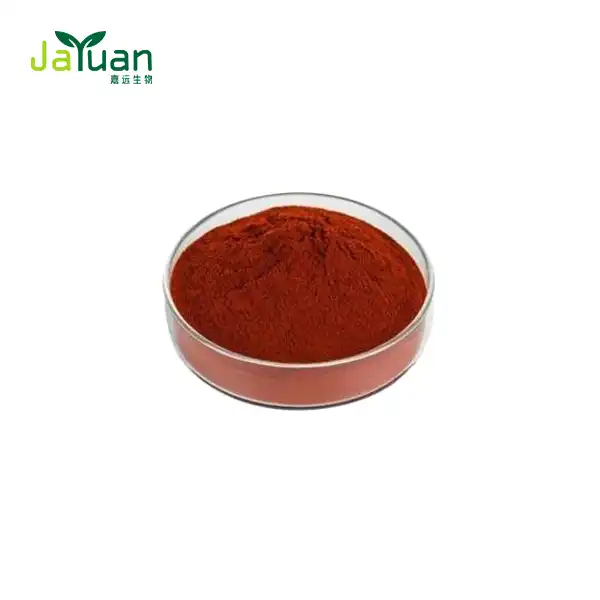
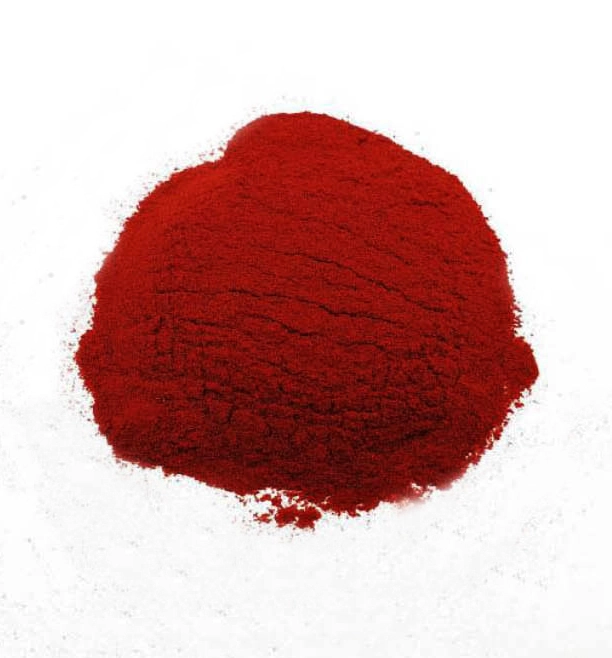
Appearance: Dark red powder
CAS NO.: 472-61-7
Molecular Weight: 596.85
Molecular Formula: C40H52O4
MOQ: 500G-1KG
Inventory: in stock
Our Advantages: Scalable production capacity, strict quality control, cost efficiency from integrated factories, over 20 years of experience, advanced technology, and 24/7 after-sales support.
Certificaions: FSSC2000/ISO2000/HALAL/KOSHER/HACCP
Delivery terms: FedEx, DHL, EMS, UPS, TNT, all kinds of the airline, international shipping companies.
Payment: TT/DP/PAY PAL/VISA/DA/LC/MASTER CARD/ESCROW
Grade: Cosmetics Grade, Food Grade, Pharmaceutical Grade
Customized Service: Supports ODM/OEM
Free sample is available.
We do not sell retail quantities to individuals.
Understanding Astaxanthin Powder and Its Antioxidant Properties
Advanced separation methods turn microalgae into astaxanthin powder, which is a concentrated form of this amazing keto-carotenoid. Unlike other antioxidants, astaxanthin has special chemical properties that make it better at getting rid of free radicals. Astaxanthin is a powerful antioxidant that is 10 times stronger than beta-carotene and 100 times stronger than vitamin E. This makes it an important ingredient for UV protection products.
Molecular Structure and Photoprotective Mechanisms
Astaxanthin has a unique chemical structure with hydroxyl and carbonyl groups that make it very stable against UV light. This shape lets the compound pass cell membranes and protect itself from both environments that are high in fat and those that are high in water. When added to topical products, astaxanthin has an amazing ability to eliminate the singlet oxygen and peroxyl radicals that are made when UV light hits the skin.
Comparative Antioxidant Efficacy
Studies in the lab regularly show that astaxanthin works better than other photoprotective ingredients. Astaxanthin is 6,000 times more powerful as vitamin C as an antioxidant and 800 times more powerful than CoQ10. Astaxanthin powder is an important ingredient for formulators who want to make cutting-edge UV protection products because it has these amazing qualities.
Core Benefits of Astaxanthin Powder in UV Protection Formulas
Astaxanthin powder added to UV protection products has many health benefits that help with different types of photoaging and UV-caused skin harm. Procurement workers can better understand the value this ingredient adds to their products when they know these main benefits.
Enhanced Photoprotection and Inflammation Reduction
According to clinical studies, astaxanthin greatly lowers redness and swelling after UV exposure. Because the substance can lower inflammatory markers like interleukin-1β and tumor necrosis factor-α, it makes the skin more comfortable and protects it from sun damage. Skin texture and look get better when you use products with astaxanthin on a regular basis.
Collagen Preservation and Skin Elasticity
By stopping the activity of matrix metalloproteinase, astaxanthin powder successfully protects collagen fibers from breaking down due to UV light. This defense system helps keep skin flexible and tight while stopping early signs of aging. Astaxanthin supplements have been shown to increase the amount of water in the skin by up to 40% while also making the skin's barrier work better overall.
Bioavailability and Formulation Advantages
Astaxanthin powder is more stable and useful than liquid extracts or capsules because it can be used in more ways. This increased steadiness means that the product will last longer and keep its effectiveness while it is stored. Astaxanthin powder also mixes easily with different carrier systems, which lets formulators make a wide range of products, from creams to food supplements.
How to Incorporate Astaxanthin Powder into UV Protection Products
To successfully add astaxanthin powder, you need to carefully think about the formulation factors, the best dosage, and how well it works with other active ingredients. Professionals in procurement need to know about these technical details to make sure that products work well and customers are happy.
Optimal Dosage Considerations
According to research, astaxanthin concentrations on the skin that range from 0.1% to 2% protect well from UV rays without irritating the skin. As an oral supplement, doses of 4 to 12 mg per day have been shown to have big effects on skin health and UV protection. These concentrations give formulators the freedom to make products for a range of market groups and use situations.
Synergistic Ingredient Combinations
Astaxanthin powder works better when mixed with antioxidants that work well with it, like vitamin C, vitamin E, and zinc oxide. These relationships work together to boost the general photoprotective effects while giving skin a full range of defenses. Formulators can use these combinations to make better UV protection goods than ones made with just one ingredient.
Stability and Storage Requirements
Astaxanthin powder stays potent and effective as long as it is handled properly. During storage and preparation, the ingredient needs to be kept away from light, heat, and oxygen. Using the right packaging options and processing conditions can help keep the antioxidant properties that are needed for UV protection uses.
Market Landscape and Procurement Strategies for Astaxanthin Powder
As more people learn about natural ways to protect against UV rays, the global astaxanthin market keeps growing. Procurement pros have to find reliable suppliers who can deliver consistent quality and follow all the rules in a market that is always changing.
Quality Assessment and Supplier Evaluation
To make a good purchase, you need to carefully look at what the seller can do, such as meeting manufacturing standards, quality control measures, and certification requirements. Leading suppliers keep their GMP certification and use strict testing methods to make sure that their products are pure and effective. These quality assurance steps have a direct effect on how well the end product works and how well it is accepted by regulators.
Cost-Benefit Analysis and Pricing Strategies
Astaxanthin powder is more expensive than synthetic options, but quality-conscious brands should spend the extra money because it works better and has a wider market appeal. Buying in bulk and building long-term ties with suppliers can help you get the best deals on supplies while also making sure you always have them on hand. Market study shows that prices will stay stable even as production capacity grows around the world.
Jiayuan Bio-Tech: Premium Astaxanthin Powder Solutions
Xi'an Jiayuan Bio-Tech is an expert at providing high-quality astaxanthin powder to business-to-business customers in the medicinal, cosmetic, and nutraceutical fields. Our advanced manufacturing skills and strict quality control measures make sure that the quality of our products always meets foreign standards.
Superior Product Quality and Purity
Our astaxanthin goes through a lot of quality checks to make sure it meets world standards. New tests on filter paper residue show that our product is more pure than other options on the market. The results show smaller, more concentrated residue areas that mean our product has higher extraction purity and greater antioxidant capacity. Our strict quality control makes sure that the levels of heavy metals, bacteria, solvent residues, and exogenous nucleic acid residues stay within the legal limits.
Safety and Efficacy Validation
A lot of safety tests have shown that our astaxanthin powder is very safe. Acute oral LD50 testing in ICR mice shows values higher than 5000 mg/kg, which means our product is not dangerous according to standard toxicity classifications. Our tests for exogenous DNA residue show levels below 0.125 ng/mg, which is higher than the national safety limit and gives us confidence to send our applications to regulators.
Comprehensive Manufacturing Capabilities
Our production facilities are GMP-certified and have two standard production lines that use cutting-edge technology for extraction and processing. We keep our ISO, SGS, and HALAL certifications up to date and offer expert support, private labeling, and help with custom formulations. Our global logistics network includes partnerships with FedEx, DHL, UPS, and TNT. For foreign clients, this means that they can count on reliable delivery and help with clearing customs.
Conclusion
Astaxanthin powder is a game-changing ingredient for UV protection formulas because it has unmatched antioxidant properties and has been shown to protect against UV rays. For new product creation, astaxanthin is an important part because the market is looking for more natural sun protection ingredients that work. If procurement professionals know about astaxanthin's special benefits, they can use this strong ingredient to make better UV protection products that meet changing customer needs and stay ahead of the competition in the market.
Frequently Asked Questions
Q1: How does astaxanthin powder compare to other antioxidants for UV protection?
A: Astaxanthin powder demonstrates superior antioxidant capacity compared to conventional ingredients, offering 10 times stronger protection than beta-carotene and 100 times more potent activity than vitamin E. Its unique molecular structure enables comprehensive free radical neutralization across multiple cellular environments.
Q2: What safety considerations apply to astaxanthin powder in cosmetic formulations?
A: Astaxanthin powder exhibits excellent safety profiles with no significant adverse effects reported in regulated applications. Our astaxanthin demonstrates non-toxic classification with LD50 values exceeding 5000 mg/kg, while extensive testing confirms compliance with international safety standards.
Q3: How can procurement managers ensure astaxanthin powder quality and authenticity?
A: Quality verification requires partnerships with GMP-certified suppliers who provide comprehensive testing documentation, including purity analysis, heavy metal screening, and microbiological testing. Our filter paper residue testing demonstrates superior purity compared to competing products, ensuring optimal formulation performance.
Partner with Jiayuan Bio-Tech for Premium Astaxanthin Powder
Improve the UV protection of your products with our top-notch astaxanthin powder options made just for picky B2B customers. Jiayuan Bio-Tech uses advanced manufacturing techniques and high quality standards to make materials that are better than what the industry normally expects. As part of our full range of support services, we offer private labeling, customized formulation help, and dependable global logistics with help with customs clearing. As a reliable astaxanthin powder manufacturer, we offer low prices by selling directly from the plant and buying in bulk. See what a difference high-quality ingredients can make for the success of your business. You can email us at sales@jayuanbio.com and sales1@jayuanbio.com to talk about your specific needs and look into partnership possibilities.
References
1. Hama, S., et al. "Protective Effects of Topical Application of Astaxanthin on UV-Induced Skin Damage." Journal of Dermatological Science, vol. 78, no. 2, 2015, pp. 119-126.
2. Camera, E., et al. "Astaxanthin, Canthaxanthin and β-Carotene Differently Affect UVA-Induced Oxidative Damage and Expression of Oxidative Stress-Responsive Enzymes." Experimental Dermatology, vol. 18, no. 3, 2009, pp. 222-231.
3. Tominaga, K., et al. "Cosmetic Benefits of Astaxanthin on Humans Subjects." Acta Biochimica Polonica, vol. 59, no. 1, 2012, pp. 43-47.
4. Ito, N., et al. "The Protective Role of Astaxanthin for UV-Induced Skin Deterioration in Healthy People." Nutrients, vol. 10, no. 7, 2018, pp. 817-829.
5. Yamashita, E. "The Effects of a Dietary Supplement Containing Astaxanthin on Skin Condition." Carotenoid Science, vol. 10, no. 3, 2006, pp. 91-95.
6. McNulty, H., et al. "Differential Effects of Carotenoids on Lipid Peroxidation Due to Membrane Interactions." Biochimica et Biophysica Acta, vol. 1768, no. 1, 2007, pp. 167-174.