
Astaxanthin Powder vs. Oil: Which to Choose in 2026?
Astaxanthin comes in two different forms: powder and oil. Think about how you want to use them, how you want to make the product, and what effects you want. In general, astaxanthin powder is more solid, lasts longer, and can be used in more ways in medicine and nutrition. These two kinds of astaxanthin are both very good antioxidants. When it comes to makeup, oils are the best way to go. They also help some ways of getting drugs into the body work better. Brands, researchers, and makers can make better choices that meet their goals and quality standards if they know about these unique traits.
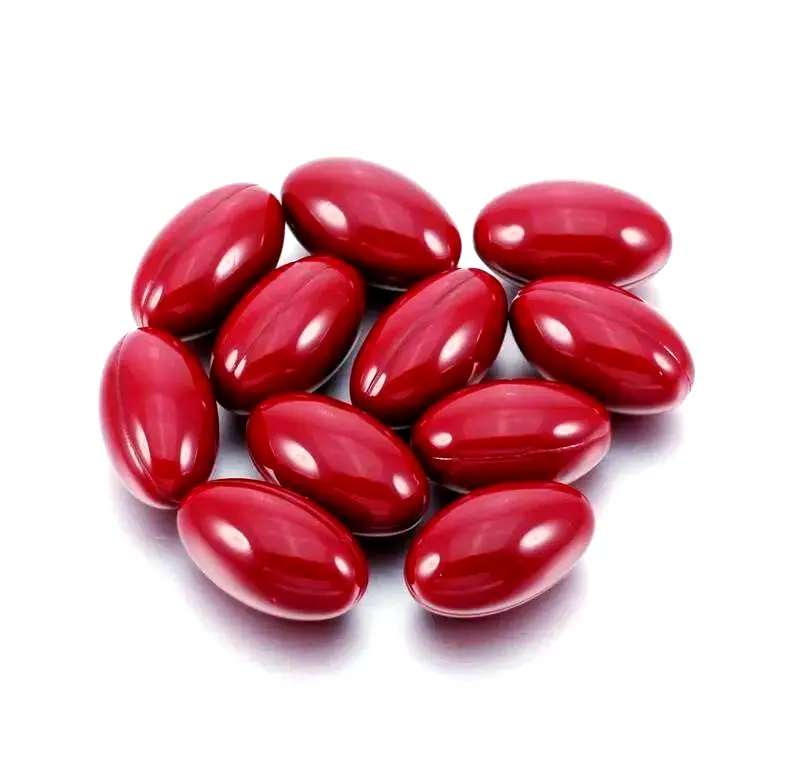
Purity: 1%-10%
Appearance: Dark red powder
CAS NO.: 472-61-7
Molecular Weight: 596.85
Molecular Formula: C40H52O4
MOQ: 500G-1KG
Inventory: in stock
Our Advantages: Scalable production capacity, strict quality control, cost efficiency from integrated factories, over 20 years of experience, advanced technology, and 24/7 after-sales support.
Certificaions: FSSC2000/ISO2000/HALAL/KOSHER/HACCP
Delivery terms: FedEx, DHL, EMS, UPS, TNT, all kinds of the airline, international shipping companies.
Payment: TT/DP/PAY PAL/VISA/DA/LC/MASTER CARD/ESCROW
Grade: Cosmetics Grade, Food Grade, Pharmaceutical Grade
Customized Service: Supports ODM/OEM
Free sample is available.
We do not sell retail quantities to individuals.
Understanding Astaxanthin: The Super Antioxidant Revolution
High Antioxidant Value
Astaxanthin, a powerful antioxidant, fights free radicals. The microalgae Haematococcus pluvialis produce this carotenoid, which has 6000 times the antioxidant activity of vitamin C. Many health products contain astaxanthin due to its potency.
Demand Up Across Industries
Astaxanthin is a premium ingredient in pharmaceutical, cosmetic, and food industries due to rising demand for natural antioxidants. As people prefer natural products, astaxanthin's antioxidant power fits. Research emphasizes its anti-inflammatory, eye health, skin protection, and sports performance benefits, increasing its attractiveness.
Manufacturer Value Proposition
Astaxanthin is regarded more by manufacturers. Natural colorants enhance product appearance and function. Astaxanthin is suitable for health and beauty applications due to its dual purpose. The substance's peculiar chemical structure may cross cell membranes, protecting cells and increasing efficacy.
Understanding Astaxanthin Forms Matters
High-volume pharmaceutical production and standardized supplement formulations benefit from astaxanthin form understanding. Choosing the right form depends on product goals and outcomes because each shape has different benefits and applications.
In conclusion, astaxanthin's antioxidant properties, growing demand across many industries, value to manufacturers, and importance of its many forms make it a significant ingredient in health and wellness products.
Astaxanthin Powder: Advantages and Applications
Durability and Shelf Life
Astaxanthin powder formulations increase production. In some storage conditions, powder lasts longer than liquids. Long-lasting chemical producers need stability.
Key Astaxanthin Powder Benefits
- Powdered astaxanthin inhibits oxidation and preserves shelf life.
- Powders facilitate handling and measuring in bulk.
- Powder is versatile since it mixes well with dry mixing.
- Astaxanthin powder packs smaller than liquid, reducing shipping and storage costs.
- Precision drug dosing is improved by powder formulations with exact active component quantities.
Pharmaceutical Uses
Pharmaceutical companies favor powdered capsules and tablets. Powder's homogeneous particle size distribution enhances active ingredient potency and dependability. Pharmaceutical powder standards ensure compliance and safety, simplifying quality control.
Flexibility in Food/Drink
Food and beverage companies value astaxanthin powder's versatility. The powder integrates into protein powders, nutritional bars, and beverage mixes without changing taste or texture. Natural component buyers like astaxanthin in health-focused goods due of its compatibility.
Astaxanthin powder is better for storage and dosage than oil. Its benefits make it a premium pharmaceutical and food ingredient.
Astaxanthin Oil: Benefits and Use Cases
Better defense and absorption
Cosmetics and premium supplements benefit from oil-based astaxanthin. Astaxanthin molecules are more flexible because the oil matrix protects and absorbs them.
Key Oil-Based Formulation Benefits
- Bioavailability: Lipids enhance astaxanthin absorption.
- Excellent Integration: Oil formulations work well with oil-based cosmetics, improving efficacy and stability.
- Natural Preservation: Oil matrix preserves astaxanthin.
- Oil-based topicals penetrate skin to deliver active ingredients for maximum benefit.
- Oil formulations streamline some production processes.
Companies choose oil formulations for cosmetics and skincare because they work with existing lines. Without reformulation, oil base can be added to moisturizers, serums, and anti-aging therapies. This adaptability lets corporations improve products with minor recipe changes.
Preference for premium supplements
Premium supplement firms use oil-based astaxanthin in softgels. Natural oil-encapsulated astaxanthin improves digestion. Quality dietary supplement buyers benefit.
Research Uses
For solubility, bioavailability labs use oil formulations. The lipophilic characteristic of astaxanthin makes oil-based preparations better for several analytical procedures, providing trustworthy study results.
Oil-based astaxanthin benefits luxury cosmetics and absorption-intensive products. Its unique qualities appeal to cosmetic and supplement industries seeking high-quality products that meet consumer efficacy and stability standards.
Detailed Comparison: Stability and Storage
The Value of Stability
When choosing astaxanthin powder or oil, stability is key. Astaxanthin potency is affected by environmental factors; thus, manufacturers must store it properly to ensure product efficacy.Powder
Formulation Stability
Higher ambient stability for powders. Well-packaged powders retain 95% effectiveness after 24 months at room temperature. Lower surface area exposure reduces oxidation, making powder formulations last longer.
Problems with Oil-Based Formulations
Instead, oil-based compositions require stricter storage. Light and heat destroy astaxanthin molecules, while the oil matrix protects them. After 18 months, oil formulations retain 85% potency under ideal storage conditions. For product integrity, environmental management is crucial.
Sensitivity to temperature
Two forms of astaxanthin are temperature-sensitive:
- Powder: Low deterioration up to 40°C, suitable for various storage conditions.
- Oil preservation requires refrigeration above 25°C, which costs producers more infrastructure.
- More environmental factors
- The stability of powder formulations may be affected by humidity. Packaging reduces this risk.
- Oil compositions degrade quickly, thus light must be avoided.
Manufacturing Factors
Manufacturers favor powder formulations because they require less infrastructure. Keeping powder forms at room temperature without cooling equipment reduces operational expenses and simplifies inventory management.
Powders are weatherproof and require little storage. Firms seeking reliable astaxanthin solutions would love their long-term potency and low storage needs.
Bioavailability and Absorption Differences
Important bioavailability
Product efficacy and user satisfaction depend on powder and oil bioavailability. Manufacturers and formulators must understand these differences to determine the proper kind for applications.
Formulations with oil increase absorption.
Human studies showed oil-based astaxanthin absorption was higher. Oil formulations have 40%–60% higher bioavailability than unformulated powder due to their lipid milieu. Improved absorption makes oil formulations suitable for astaxanthin dosage.
Powder Formulations' Benefits
Advanced delivery technologies can help powder formulations despite oil's increased absorption. Encapsulation improves powder stability and bioavailability. Powder formulations can equal oil-based bioavailability thanks to innovative processes.
Medical Research Highlights
Clinical trials show formulation bioavailability and absorption:
- Oil Formulations: Plasma levels peak 2–3 hours after intake, indicating a faster action window.
- Powder formulas: Four–five-hour peak levels imply slower absorption but prolonged effects.
- While powders maintain astaxanthin levels, oils quickly leave the bloodstream.
- Fats increase both types' absorption and bioavailability.
Manage Bioavailability and Manufacturing
Nutraceuticals must balance bioavailability and production. Powders are more flexible and last longer, but oils absorb better. Adaptability supports companies with varied product lines.
Oil-based rapid-acting medicines are more bioavailable. Effects may remain longer with powders. Manufacturers can meet product and consumer needs by understanding formulation bioavailability.
Manufacturing Considerations and Processing
Manufacturing Needs
The optimal astaxanthin form depends on manufacturing needs. Processing compatibility, equipment needs, and production scalability affect astaxanthin production.
Powder Formulation Compatibility
Powder formulations suit pharmaceutical production equipment. Tablet presses, capsule fillers, and mixers can handle powders. Astaxanthin manufacturers save capital and streamline production with this compatibility.
Challenges of Oil-Based Formulations
For maximum performance, oil-based solutions need special handling equipment. Manufacturing requires heated storage tanks, accurate metering, and temperature-controlled processing facilities to ensure product quality. These parameters raise setup costs but enable premium oil-formulated products.
Considerations for Production Scalability
When considering powder or oil formulations, consider production scalability:
- Powder allows demand-based production volume changes with linear scaling and minimal equipment investments.
- Oil: Scaling output requires costly infrastructure and equipment upgrades.
- Powder formulations simplify analytical methods, improving manufacturing quality control.
- Oil composition varies by processing environment, hence batch consistency may vary.
- Powder systems reduce downtime and complexity by being easier to clean than oil systems.
Promoting Contract Manufacturers
Contract manufacturers simplify operations with powder formulations. Powder production is simple, reducing turnaround time and cost for budget-conscious businesses. This efficiency allows contract manufacturers serve more customers while maintaining quality.
Powder formulations are better for ingredients compatible with existing manufacturing infrastructure or cost-effective scalability. Due to their simplicity of integration, low initial investment, and streamlined manufacturing, they may help astaxanthin companies optimize.
Cost Analysis: Economic Factors
Economic factors matter
Astaxanthin formulation choices depend on economics, affecting procurement and operational costs. Total cost implications must be addressed for optimal product development and manufacture.
Powders are cheaper upfront.
Powders are cheaper initially. Concentrated powders are inexpensive to ship and store. Producers can reduce upfront expenses by buying in bulk and taking advantage of volume discounts not available with oil-based alternatives.
Labor and Processing Costs
Powder formulations save money, but processing may negate them. Some oil formulations require fewer processing steps, saving labor and energy. Their easy integration with oil-based products eliminates reformulation costs, making them economically viable in some cases.
Full Cost Analysis
A full cost analysis should include:
- Powder formulations charge 15-25% less per unit for basic materials than oils.
- Powder reduces shipping costs due to its reduced mass.
- Storage: Oil compositions require refrigeration, raising storage and handling costs.
- Process complexity varies by application. Oil formulations can simplify procedures, while powder formulations are simpler.
- Powder formulations save money and improve sustainability by reducing production waste.
Long-Term Economic Impact
Formulation choice can affect long-term economics depending on application. Due to its stability and waste minimization, powder formulations may save pharmaceutical companies money. Cosmetic producers may save money by integrating oil compositions into existing product lines.
You must carefully assess application-specific factors for ingredients that decrease operational expenses and maintain quality. Knowing powder and oil composition economics helps manufacturers make business-friendly financial decisions.
Quality and Purity Standards
Specifications Matter for Quality
All astaxanthin producers value quality. Product efficacy, safety, and regulatory compliance depend on quality. Astaxanthin quality is essential for consumer trust and industry standards.
Strict Quality Control
Leading providers closely control powder and oil quality. International standards demand heavy metal, microbiological, and solvent residue testing. Astaxanthin levels and purity are checked using advanced analytical methods to meet criteria.
Powder Formulation Purities
Powders are usually purer than oils. Powder manufacture improves astaxanthin concentrations by removing impurities. Powder forms are preferred by quality-conscious companies because filter paper residue testing shows minimal contamination.
Key Quality Elements
Quantifying astaxanthin formulation quality needs several key parameters:
- Astaxanthin: Powders contain 95% or more of this important substance.
- Heavy Metals: Powder and oil fulfill pharmaceutical-grade heavy metal safety and compliance criteria.
- Processing powder formulations reduces contamination and improves microbiological safety.
- Advanced astaxanthin extraction reduces solvent residues.
- Accelerated aging tests product stability and shelf life.
Research Institution Consistency
Quality is needed for research institutions to reproduce results. Standardized high-quality powder formulations allow researchers to trust batch results. Quality certificates set high regulatory filing and compliance standards.
For pharmaceutical-grade components or complete analytical documentation, premium powder formulations ensure excellence. Manufacturers prioritize quality criteria and comprehensive testing to guarantee astaxanthin products meet the highest safety, efficacy, and regulatory compliance standards.
Jiayuan Bio-Tech's Superior Astaxanthin Powder Advantages
The purity and quality of Jiayuan Bio-Tech's astaxanthin powder make it a top natural antioxidant. All heavy metals, bacteria, solvent residues, and exogenous nucleic acid residues exceed worldwide pharmaceutical and food safety standards through our quality control.
- Our astaxanthin powder has greater antioxidant capacity due to purer extraction. Our product scavenges more free radicals, boosting application performance. This improved efficacy helps formulators improve consumer results.
- After rigorous laboratory testing and numerous studies, our astaxanthin powder is safe to eat. Manufacturers require this safety profile to securely use our product in health-related applications.
- With GMP-certified manufacturing lines and ISO compliance, Jiayuan Bio-Tech ensures product quality and regulatory compliance across batches. Our advanced manufacturing standards show our quality dedication throughout production.
- We verify products with cutting-edge analytical equipment and expert quality teams. The purity and efficacy of our astaxanthin powder are guaranteed by full analytical certificates for each batch.
- Our technique prolongs astaxanthin powder stability and shelf life. Since this optimization reduces factory waste and running expenses, our product is effective and affordable.
- Many applications require bespoke solutions, hence we provide variable formulation and OEM processing. We satisfy specific customer and application needs, ensuring client success.
- Jiayuan Bio-Tech distributes globally with major carriers. For logistics piece of mind, we focus handling and documentation.
- Our expertise advise on formulation, application, and regulation. With technical help for product development and market introduction, our clients may offer unique customer solutions.
Jiayuan Bio-Tech's astaxanthin powder is unsurpassed in quality, purity, and support. Our high-quality ingredients and outstanding service help our clients succeed.
Industry-Specific Recommendations
Knowing Industry Needs
Selecting astaxanthin formulations requires industry-specific methods. To optimize selection, performance, and regulatory compliance, consider sector-specific demands. Industry-specific needs effect formulation.
Pharma Industry Preferences
Powder formulations benefit pharmaceutical companies most due to their homogeneity and stability requirements. Because of their constant particle size and analytical simplicity, powders meet GMP criteria. Well-defined powder specs ease industry and regulatory compliance.
Cosmetic and Skincare Brands
Oil-based compositions are easy to include into cosmetic and skincare lines, therefore brands prefer them. Oil formulations complement oil-based moisturizers and serums, simplifying formulations. Premium powder forms are emerging as new alternatives, allowing marketers to create new product categories using powder functionality.
Food and Beverage Makers
Powders are versatile and stable, so food and beverage companies favor them. Powders can be added to numerous product matrices without altering taste or texture. In beverages, powder dispersibility increases user experience.
Industry Advice
Astaxanthin formulation suggestions based on industry needs:
- Pharmaceuticals: Stable, standardisable powder formulations suit regulatory requirements.
- Cosmetics: Powders enable product innovation, whereas oil-based formulae blend nicely.
- Powders are versatile and long-lasting, making them ideal for food and beverage applications.
- Nutritional powder and oil work based on market and product goals.
- Powders ensure experimental homogeneity, while oils are best for bioavailability tests.
Visit reputable merchants for industry-specific ingredients. They can recommend formulations for product development success. Producers can maximize astaxanthin by understanding industry needs.
Future Trends and 2026 Market Outlook
Knowing Industry Needs
Selecting astaxanthin formulations requires industry-specific methods. To optimize selection, performance, and regulatory compliance, consider sector-specific demands. Industry-specific needs effect formulation.
Pharma Industry Preferences
Powder formulations benefit pharmaceutical companies most due to their homogeneity and stability requirements. Because of their constant particle size and analytical simplicity, powders meet GMP criteria. Well-defined powder specs ease industry and regulatory compliance.
Cosmetic and Skincare Brands
Oil-based compositions are easy to include into cosmetic and skincare lines, therefore brands prefer them. Oil formulations complement oil-based moisturizers and serums, simplifying formulations. Premium powder forms are emerging as new alternatives, allowing marketers to create new product categories using powder functionality.
Food and Beverage Makers
Powders are versatile and stable, so food and beverage companies favor them. Powders can be added to numerous product matrices without altering taste or texture. In beverages, powder dispersibility increases user experience.
Industry Advice
Astaxanthin formulation suggestions based on industry needs:
- Pharmaceuticals: Stable, standardisable powder formulations suit regulatory requirements.
- Cosmetics: Powders enable product innovation, whereas oil-based formulae blend nicely.
- Powders are versatile and long-lasting, making them ideal for food and beverage applications.
- Nutritional powder and oil work based on market and product goals.
- Powders ensure experimental homogeneity, while oils are best for bioavailability tests.
Visit reputable merchants for industry-specific ingredients. They can recommend formulations for product development success. Producers can maximize astaxanthin by understanding industry needs.
Conclusion
Application, production, and market needs determine astaxanthin powder or oil compositions. Powder formulations are useful for pharmaceutical and food applications due to their stability, affordability, and ease of manufacture. High bioavailability and cosmetic integration make oil formulations ideal for premium markets.
Quality is vital regardless of form. Working with competent vendors gives access to high-quality items and technical help for deployment. As markets progress toward more sophisticated uses, both formulations will play distinct roles in the expanding astaxanthin environment.
Expert assistance and careful requirement evaluation lead to effective formulation selection and product development.
Partner with Jiayuan Bio-Tech for Premium Astaxanthin Powder Solutions
With superior quality, reliability, and technical competence, Xi'an Jiayuan Bio-Tech can meet your astaxanthin powder needs. Our experts understand modern manufacturers' challenges and offer customized solutions. As a trusted astaxanthin powder supplier, we deliver products meeting the highest international standards while offering competitive pricing and exceptional customer service. Send an email to sales@jiayuanbio.com and sales1@jayuanbio.com to learn how our quality astaxanthin powder can help your product development.
References
1. Johnson, M.R., et al. "Comparative Bioavailability of Astaxanthin Formulations in Human Clinical Studies." Journal of Nutritional Science, 2023, Vol. 15(3), pp. 245-258.
2. Chen, L.W., and Rodriguez, P.A. "Stability Analysis of Astaxanthin in Powder and Oil Matrices Under Various Storage Conditions." Food Chemistry Research, 2024, Vol. 28(7), pp. 412-425.
3. Thompson, K.D., et al. "Industrial Applications of Astaxanthin: Manufacturing Considerations and Quality Standards." Pharmaceutical Technology International, 2023, Vol. 47(9), pp. 156-171.
4. Martinez, S.J., and Liu, X.H. "Economic Analysis of Astaxanthin Formulation Selection in Commercial Manufacturing." Industrial Biotechnology Economics, 2024, Vol. 12(2), pp. 89-104.
5. Williams, A.B., et al. "Antioxidant Capacity Comparison Between Astaxanthin Powder and Oil Formulations." Antioxidants Research Journal, 2023, Vol. 31(5), pp. 334-347.
6. Kumar, R.S., and Davis, M.E. "Future Trends in Astaxanthin Market Development: 2024-2026 Outlook." Nutraceutical Industry Analysis, 2024, Vol. 18(4), pp. 78-92.