
Astaxanthin Powder: How This Antioxidant Supports Healthy Aging
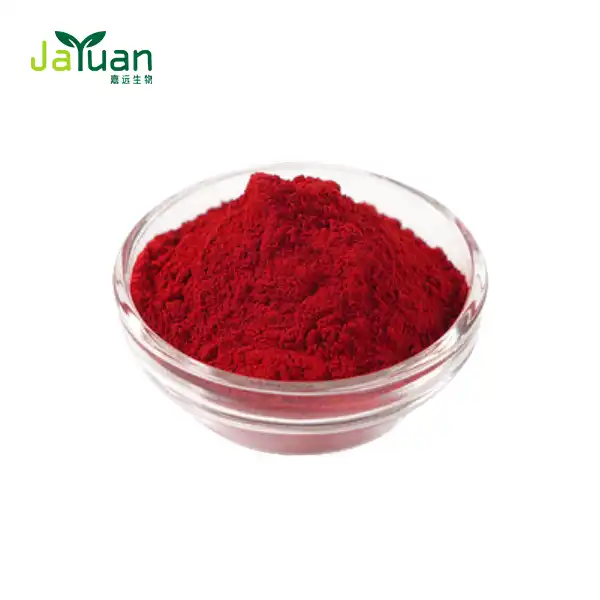
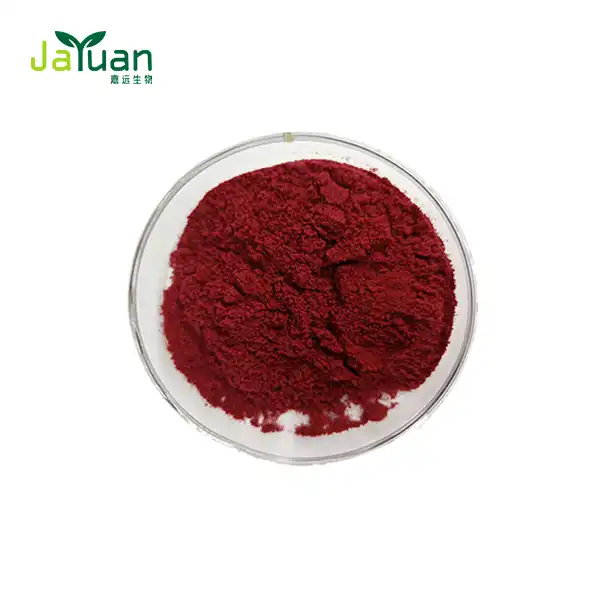
Astaxanthin powder has become one of the most sought-after ingredients in the nutraceutical and functional beauty industries. Derived primarily from Haematococcus pluvialis microalgae, this keto-carotenoid antioxidant demonstrates free-radical scavenging capacity approximately 6,000 times stronger than vitamin C and 100 times stronger than vitamin E. For brand managers and formulators sourcing ingredients for eye health supplements, oral beauty products, or functional gummies, understanding what sets high-quality astaxanthin powder apart is the first step toward building a superior finished product.
Understanding Astaxanthin Powder and Its Role in Healthy Aging
What Is Astaxanthin Powder?
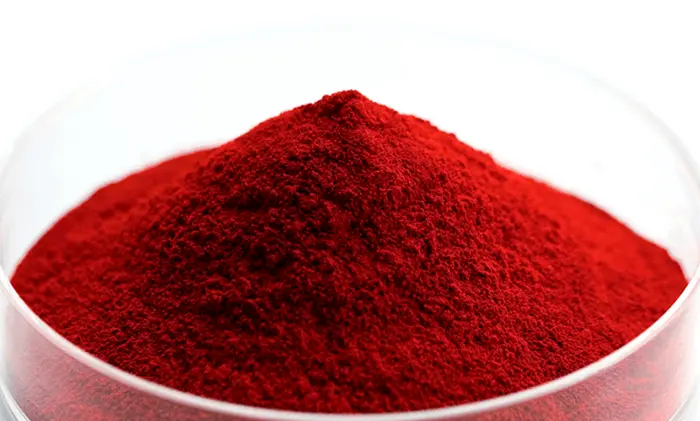
Astaxanthin powder is the lipid-soluble keto-carotenoid astaxanthin (C4H5O4) in a refined, solid form. In business, supercritical CO₂ is used to get raw astaxanthin oleoresin. This is then microencapsulated or sprayed dry with carriers such as modified starch, gum arabic, or cyclodextrin to make it into a powder that can be used right away. This process keeps the conjugated double bond structure stable in the face of photodegradation and oxidation. In dry-blend goods like soft capsules, tablets, and candies, this makes the product last much longer and lets you get the right amount.
How Does It Fight Cellular Aging?
When reactive oxygen species (ROS) and the body's natural antioxidant defenses don't work well together, cells age. This is called oxidative stress. It can pass through the whole cell membrane and reduce free radicals in both the lipid and water phases at the same time because of its unique chemical structure. Like beta-carotene and lutein, astaxanthin powder is the only one with this two-layer protection system. It can't be found in anything else. Because of this, it's a great choice for ingredient cards that fight age.
Natural vs. Synthetic Sources
Many of the astaxanthin powders that come from Haematococcus pluvialis are the free and esterified (3S,3'S) isomer, which is the form that our bodies recognize best. On the other hand, synthetic astaxanthin is a racemic mix of all three stereoisomers and is only sold for use in animal feed. The price of astaxanthin made from yeast fermentation by Phaffia rhodozyma is in the middle of the two, but its isomeric profile is different. Astaxanthin powder from Haematococcus pluvialis is still the natural, clean-label standard for supplement brands that want to sell to people in the EU and the US.
Key Benefits of Astaxanthin Powder for Aging and Skin Health
Skin Health and Anti-Aging Properties
Studies have shown that regularly taking astaxanthin is linked to smoother skin with fewer fine lines, more pliable skin, and better moisture retention. A study from 2012 in the journal Acta Biochimica Polonica used a fake drug to show that people who took 6 mg of astaxanthin every day for eight weeks had smoother skin. Astaxanthin powder that meets the right standards is an active ingredient that has been shown to work by science. It can be used to make cosmetics for the mouth or the skin.
Eye Health Support
This is one of the few carotenoids that can get through the blood-retinal barrier. New studies show that it might help keep retinal cells healthy and lower oxidative stress in eye tissue. This makes it a great thing to put in items that are good for your eyes. More and more, companies that make products with lutein and zeaxanthin are adding astaxanthin powder to them to make a more full eye-healthy mix.
Cardiovascular and Immune Support
Astaxanthin powder benefits your eyes and skin in addition to your face. It also changes cardiovascular signs, like LDL oxidation resistance, and signaling pathways that cause inflammation. This shows that it affects health in more than one way. This lets brand owners make bigger health claims in places where the law allows it.
Choosing the Right Astaxanthin Powder for Procurement
Concentration Tiers, Source Transparency, and Analytical Verification
When shopping for astaxanthin powder, there are a number of useful and high-quality factors that help people make decisions. Getting these right at the store will keep you from having to spend a lot of money fixing recipes or batches that don't work after the fact.
Before you choose a seller of astaxanthin powder, here are some important things to keep in mind:
- Concentration specifications: Look for a supplier offering a tiered range from 1% to 10% astaxanthin powder. The 1%–5% grades suit gummy and functional food applications; the 10% grade is preferred for high-potency softgel formulations where dose accuracy and cost efficiency at bulk volumes matter most.
- Source transparency: Confirm the ingredient derives from Haematococcus pluvialis and that the supplier can provide documentation of origin. This protects your brand's non-GMO and clean-label claims.
- Analytical certifications: A complete Certificate of Analysis (COA) should cover heavy metals, microbiological counts, solvent residues, and exogenous nucleic acid residues—all confirmed within compliance limits. Suppliers who proactively share this data demonstrate accountability.
- Batch color consistency: Astaxanthin powder's characteristic deep-red hue must be reproducible across lots. Color deviation signals oxidation or formulation inconsistency, which affects the appearance of finished softgels and gummies.
These factors can help you tell the difference between a dependable long-term service and a cheap one for a short time. When procurement workers put them first, there are fewer issues about quality after the product is released.
Filter Paper Residue Purity Test
You can use the filter paper residue test to find out which astaxanthin powder is the best. A cleaner extract doesn't leave behind as much of a film, which means it was removed more correctly and has less filler. Our astaxanthin powder always does better than other samples in this test. This is because each gram of active ingredient gives it more antioxidant power and free radical scavenging power.
Safety Verification
Several separate labs have checked our astaxanthin powder and found it to be safe and non-toxic. The levels of heavy metals, microbes, solvent residues, and foreign nucleic acid residues are all below what regulators have set. This gives buying teams the proof they need to show officials in the EU and US markets.
Practical Guidance on Astaxanthin Powder Usage and Safety
Recommended Dosage by Application
Most published studies use 4–12 mg of astaxanthin per daily dose for vitamins that are good for your skin. For eye health, most plans call for 6–12 mg per day. If you want to add the right amount of astaxanthin to functional foods and gummies, you can use astaxanthin powder with lower concentrations (1% to 5% grades). This will not change the color too much.
Regulatory Landscape
Most people in the United States think that astaxanthin powder from Haematococcus pluvialis is safe to use in some food and nutrition applications. It can be used in food supplements because the FDA says it's okay. Oil from Haematococcus pluvialis that is high in astaxanthin can now be sold as a new food in the EU. Before formulators put the finishing touches on labels and health claims, they should check to see what the rules are in each market.
Side Effects and Mitigation
Astaxanthin powder is thought to be safe to take in normal supplement amounts. It's safe and easy to fix if a lot of it gives your face a slight orange tint. On the labels of finished goods, formulators should make it clear how much to serve. This will keep customers' trust and cut down on the number of bad reports.
Conclusion
Astaxanthin powder from Haematococcus pluvialis is a well-known antioxidant that can be used in many different ways in vitamins for the health of your eyes, mouth, and overall body. It's a good anti-aging ingredient that you can't miss if it comes from a supplier that guaranties purity, batch color consistency, clear COA documentation, and concentrations between 1% and 10%. Natural, clean-label actives are becoming more and more popular in the U.S. market. Astaxanthin powder is a scientifically proven ingredient that is popular among customers and can be applied in a variety of contexts.
FAQ
1. What is the difference between natural and synthetic astaxanthin powder?
Haematococcus pluvialis astaxanthin powder is mostly the (3S,3'S) stereoisomer, which is the chemical form that our bodies know how to use. Synthetic astaxanthin is a mix of different races that can't be sold as an addition to people in most controlled markets. Food additives in the EU and the US need and are told to use astaxanthin powder that comes from natural sources.
2. What daily dosage is appropriate for skin health formulations?
Most published clinical evidence says that taking 4–12 mg of astaxanthin every day can help your face. A daily dose of 6 mg is used in most products that claim to smooth out wrinkles or make skin more flexible. This is the same dose that has been used in a number of controlled studies.
3. Are there any known long-term side effects?
Standard amounts of supplements that have been used for a long time have not caused major side effects in people in studies that have been done. A lot of it can change the color of your skin slightly, but this is easy to fix. People who make finished goods should follow the rules about how to mark them and how to use them, just like anyone else.
Partner With Jiayuan Bio-Tech for Your Astaxanthin Powder Supply
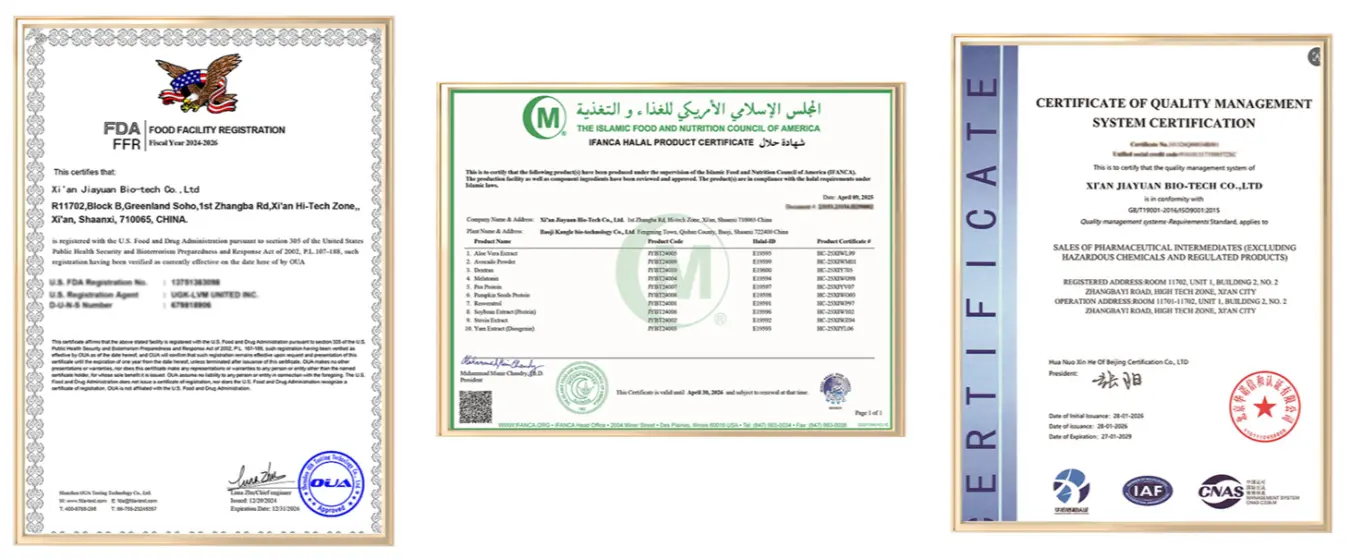
The company Xi'an Jiayuan Bio-Tech is a good one that makes astaxanthin powder. They have ISO and SGS certifications as well as GMP certifications for their production lines. The COA paperwork is also checked to make sure that there are no harmful chemicals, microorganisms, solvent residues, or exogenous nucleic acid residues besides what the law allows. We have percentage grades from 1% to 10%, and we can ship from door to door in the U.S. and Europe, including clearing customs. We also offer factory-direct prices on large orders. Get in touch with our team right away to get samples or a price that beats the competition: You can use sales@jiayuanbio.com, sales1@jiayuanbio.com, or jayuanbio.com as an email address.
References
1. Guerin, M., Huntley, M. E., & Olaizola, M. (2003). Haematococcus astaxanthin: Applications for human health and nutrition. Trends in Biotechnology, 21(5), 210–216.
2. Tominaga, K., Hongo, N., Karato, M., & Yamashita, E. (2012). Cosmetic benefits of astaxanthin on humans subjects. Acta Biochimica Polonica, 59(1), 43–47.
3. Nishida, Y., Yamashita, E., & Miki, W. (2007). Quenching activities of common hydrophilic and lipophilic antioxidants against singlet oxygen using chemiluminescence detection system. Carotenoid Science, 11, 16–20.
4. Kidd, P. (2011). Astaxanthin, cell membrane nutrient with diverse clinical benefits and anti-aging potential. Alternative Medicine Review, 16(4), 355–364.
5. Ambati, R. R., Phang, S. M., Ravi, S., & Aswathanarayana, R. G. (2014). Astaxanthin: Sources, extraction, stability, biological activities and its commercial applications—A review. Marine Drugs, 12(1), 128–152.
6. Fassett, R. G., & Coombes, J. S. (2011). Astaxanthin: A potential therapeutic agent in cardiovascular disease. Marine Drugs, 9(3), 447–465.