Astaxanthin Powder Bulk Organic Options: Are They Better
When getting Astaxanthin Powder Bulk for your firm, the dilemma of whether to pay extra for organic arises immediately. This relies on your product positioning, your target market, and the importance your buyers place on verified ingredient labelling. Organic grades often provide a greater level of purity, fitting with the clean-label trend that continues to drive supplement and cosmetic sales. This paper does an in-depth analysis of the genuine differences between organic and conventional astaxanthin – encompassing purity, formulation performance, pricing and sourcing logistics – so procurement teams at pharma, nutraceutical and cosmetic firms can make an educated decision.
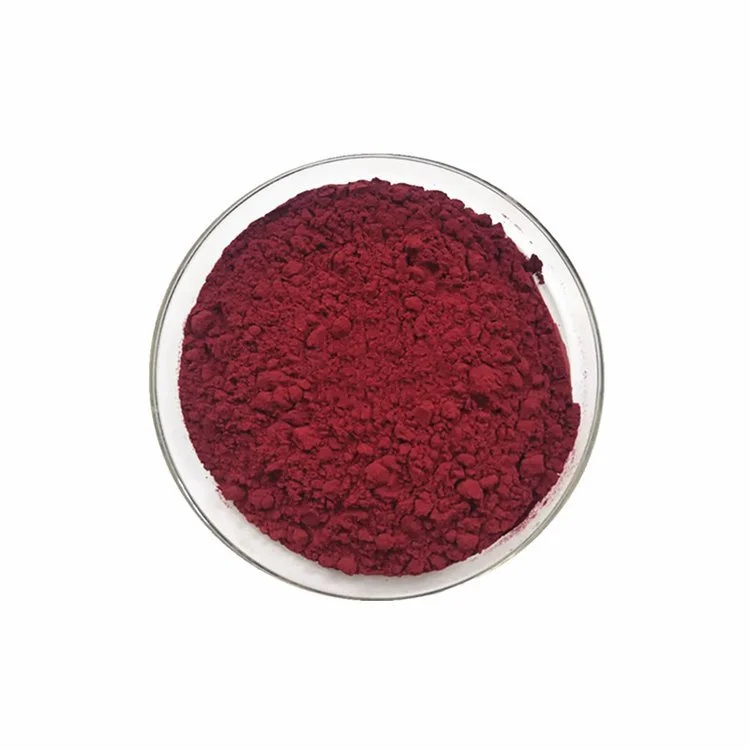

Purity: 1%-10%
Appearance: Dark red powder
CAS NO.: 472-61-7
Molecular Weight: 596.85
Molecular Formula: C40H52O4
MOQ: 500G-1KG
Inventory: in stock
Our Advantages: Scalable production capacity, strict quality control, cost efficiency from integrated factories, over 20 years of experience, advanced technology, and 24/7 after-sales support.
Certificaions: FSSC2000/ISO2000/HALAL/KOSHER/HACCP
Delivery terms: FedEx, DHL, EMS, UPS, TNT, all kinds of the airline, international shipping companies.
Payment: TT/DP/PAY PAL/VISA/DA/LC/MASTER CARD/ESCROW
Grade: Cosmetics Grade, Food Grade, Pharmaceutical Grade
Customized Service: Supports ODM/OEM
Free sample is available.
We do not sell retail quantities to individuals.
Understanding Astaxanthin Powder Bulk and Its Organic Variants
What Defines Bulk Astaxanthin as a Commercial Ingredient
Astaxanthin Powder Bulk is a keto-carotenoid pigment predominantly sourced from the microalgae Haematococcus pluvialis. Its chemical framework – conjugated double bonds with hydroxyl groups – provides it a high capacity for scavenging free radicals. Multiple peer-reviewed studies show its antioxidant activity is much superior than vitamin E, beta-carotene and zeaxanthin, per molecule (Ambati et al., 2014). In our Jiayuan Bio-Tech manufacturing process, the active substance is separated by supercritical CO2 extraction without any residual solvent. The powder produced is pharmaceutical and food quality with heavy metals, microbiological counts and residual solvents all within USP standards.
Natural Versus Synthetic Origins
Many purchasers don’t realise how much the difference between natural and synthetic is worth. The 3S,3’S stereoisomer of synthetic astaxanthin powder bulk obtained from microalgae has been shown to have greater bioavailability in comparison to the mixed-isomer profile of synthetically manufactured astaxanthin (Capelli et al., 2013). Another layer of regulation is organic certification. Organic astaxanthin is made from microalgae farmed without synthetic pesticides, artificial fertilisers or genetic alteration. Certification agencies like USDA Organic and EU Organic have developed criteria that span the whole chain from algae culture and harvest thru to extraction and packing, offering purchasers a traceable route from pond to powder.
Antioxidant Properties and Health Applications
Clinical study has shown that astaxanthin may penetrate the blood-brain and blood-retinal barriers, a trait most carotenoids do not possess. Human studies show improvements in skin elasticity, oxidative eye protection and joint pain from exercise (Yuan et al, 2011). For formulators, these attributes are translated into specific product claims. Jiayuan Bio-Tech’s potency is tested by HPLC on a per batch basis and screened for microbes to ensure antioxidant efficacy in food, cosmetic and supplement applications. Our internal records show that the supercritical CO2 process preserves a higher percentage of the 3S,3’S isomer compared to solvent-based extraction methods used by some competitors — a difference that shows up in formulation stability and bioavailability testing.
Comparing Organic and Non-Organic Astaxanthin Powder Bulk
Quality and Purity Distinctions
Organic astaxanthin is cultivated in regulated certified settings, therefore it has a reduced contamination risk profile. Non-organic sources might include pesticide residues or heavy metals from uncontrolled water supplies. When choosing Astaxanthin Powder Bulk providers, always ask for complete Certificates of Analysis (COAs) with real test results, not simply pass/fail ranges. Jiayuan Bio-Tech has two GMP-certified manufacturing lines equipped with HPLC for potency verification and USP-compliant microbiological screening and GC for residual solvent testing. These processes are applied to organic and conventional grades alike, regardless of the grade you purchase, thus batch-to-batch uniformity is guaranteed.
Performance Characteristics in Formulation
The behaviour of organic and conventional Astaxanthin Powder Bulk is subject to the carrier system. The cold-water-dispersible (CWD) grades use natural carriers such modified starch or gum arabic to generate stable emulsions for beverage applications. Oleoresin forms are easily soluble in lipids and are the gold standard for softgel administration with omega-3 oils. Studies on bioavailability have shown that astaxanthin given with natural lipid carriers is absorbed more effectively than synthetic versions, which indicates that formulators frequently may achieve the same effectiveness at a lower active dosage (Guerin et al., 2003). That dose-sparing effect may help offset the higher raw material cost of organic grades – something worth putting thru your cost-of-goods model.
Price-Versus-Benefit Evaluation
Organic astaxanthin is usually 20-40% more expensive than conventional grades because of certification expenses, reduced algal yields, and the need of segregated handling. With the premium you get more than a label claim. The use of certified organic ingredients may lower the regulatory friction in areas with rigorous natural product legislation, including the EU and North America, and can decrease the time to shelf for new product launches. The organic tag also lends itself to premium pricing that frequently more than makes up for the ingredient cost differential for businesses playing in health-conscious retail channels. The question boils down to whether the input cost can be absorbed by the price point and channel strategy of your final product.
How to Procure High-Quality Organic Astaxanthin Powder Bulk
Essential Supplier Selection Criteria
Start with purity documentation. Ask suppliers for COAs that report actual assay values, not ranges. The method matters too: HPLC with UV detection remains the industry standard for quantifying astaxanthin content, and reference standards should be traceable to recognized metrology bodies. At Jiayuan Bio-Tech, our HPLC methods use calibrated reference standards, and we provide detailed documentation of methods on request. Equally important is batch uniformity. Enquire about manufacturing frequency and usual batch sizes. Major manufacturers such as Jiayuan Bio-Tech run distinct manufacturing campaigns for organic and conventional grades, thereby preventing cross-contamination, and maintaining the material’s qualities from shipment to shipment.
Logistical and Packaging Considerations
Packaging is a feature not to be overlooked, astaxanthin degrades when exposed to light, heat and oxygen. Professional grade material is sent in three layer aluminium foil pouches flushed with nitrogen to displace oxygen. International exports may use fibre drums or ISO containers for supplementary protection against physical damage. Temperature management during transportation may be hard, especially for organic material that cannot be augmented with synthetic preservatives. Jiayuan Bio-Tech works with transportation companies familiar with the management of temperature sensitive natural substances, and uses insulated packaging and cold chain documentation as necessary. Our shipping staff will give storage instructions including optimal temperature (below 25°C) and humidity conditions to maximise shelf life at your facility.
Strategic Sourcing Best Practices
“Buying direct from the manufacturer instead of a distributor means improved access to technical support, faster specification changes and better pricing transparency.” Prepare a detailed spec sheet before contacting suppliers: goal astaxanthin content, moisture limitations, particle size, carrier preferences, regulatory requirements for your target market, etc. Assess supplier responsiveness in the inquiry stage. A manufacturer that provides thorough, technically competent responses to your formulation queries is more likely to collaborate with you during production issues down the road. We recommend procurement teams to obtain small quantity samples before committing to big purchases. Jiayuan Bio-Tech’s sample program allows you to evaluate for formulation compatibility – dissolving behaviour, colour stability & carrier interaction – prior to scale up.
Are Organic Astaxanthin Powder Bulk Options Truly Better?
Environmental and Safety Advantages
Organic microalgae farming does not produce synthetic pesticide run-off and so preserves nearby water systems. Most organic producers employ closed photobioreactor systems, which decrease the possibility of contamination from outside water sources, guarantee constant biomass quality, and need less water than open-pond operations. “Regarding safety, natural astaxanthin has a well-established tolerance profile. Its safety has been supported by decades of clinical usage and toxicological research on a large population (Higuera-Ciapara et al., 2006). Synthetic production, which involves petroleum-derived precursors, can introduce trace contaminants that are absent from natural sources. Jiayuan Bio-Tech’s astaxanthin has passed multiple toxicology examinations – including acute and subchronic investigations – proving its appropriateness for food, cosmetic and supplement uses.
Potential Limitations
The greatest drawback is the increased price of organic astaxanthin. The additional standards for organic certification make cultivation more complicated and limit production per pond, both of which increase the cost of raw materials. Procurement managers need to balance these expenses with the market positioning and price premium organic finished products may demand. Another factor is the natural fluctuation in the amounts of biologically active compounds. Unlike synthetic astaxanthin, the content of organic Astaxanthin Powder Bulk may vary somewhat from lot to lot because of biological variability in algae production. Jiayuan Bio-Tech controls this via standardised mixing procedures and laboratory confirmation, maintaining potency within a narrow specification range across batches.
Commercial Benefits Demonstrated Through Client Success
Supplement companies that reformulated with certified organic astaxanthin report faster sell-through in natural retail channels and greater positioning in premium shopfronts. Many personal care firms that have worked with Jiayuan Bio-Tech have included our organic astaxanthin powder in anti-aging serums and oral beauty supplements, and these products have seen above-average repeat purchase rates relative to their product categories. We can’t mention names due to NDA, but the trend is the same, organic certification expedites retail buyer clearance and helps justify premium pricing to offset the ingredient cost disparity.
Final Recommendations for B2B Procurement Managers
Decision Framework for Organic Selection
Align your ingredients procurement with your brand positioning and target market. If your product targets the premium health-conscious category – notably in North America or Western Europe – organic certification is a great differentiation that merchants and customers in those regions actively reward. Value-oriented companies might discover that high-purity conventional grades can be used to fulfil their quality criteria at a cheaper price. Both are legitimate, provided the quality of the ingredients is consistent with the position of the product in the market. Also take into account local regulations. More developed organic markets tend to provide more margin support for certified ingredients, whereas developing markets may be more price-focused than certification.
Building Robust Supplier Relationships
Regular communication helps prevent situations from spiralling out of control. Hold quarterly business reviews with major suppliers such as Jiayuan Bio-Tech to assess demand projections, quality trends and anticipated product development requirements. Such planned interactions provide the kind of institutional knowledge that comes in handy when supply chains are disrupted. Supplier audits are another important technique. Reviewing certificates on paper is a starting point, but on-site audits reveal how quality systems actually function day to day. Jiayuan Bio-Tech welcomes customer audits — they give us the opportunity to demonstrate our quality culture and manufacturing capabilities firsthand.
Anticipating Market Evolution
The clean label idea is gaining momentum across supplement, food, and cosmetic markets. Consumers are increasingly reading ingredient panels and seeking goods with recognisable, less processed ingredients. Organic astaxanthin matches this description well, as goods position well as clean label standards transition from niche to mainstream. Sustainability is becoming a competitive aspect as well. Organic Certification is a third-party verification of acceptable environmental practices that may reinforce business ESG reporting and sustainability claims. Sustainability measures are being added to the costs and quality that are already common assessment criteria for suppliers, in forward-looking procurement plans.
Conclusion
Astaxanthin Powder Bulk provides genuine benefits for firms who are concerned about quality, sustainability and customer confidence. You need to think twice before paying premium prices, but the advantages – better safety margins, higher purity, less regulatory friction and obvious marketing distinction – usually outweigh the expense for items positioned at the top end of the market. Success depends on finding a provider with consistent quality, full documentation and fast technical assistance. Jiayuan Bio-Tech adopts the latest supercritical CO2 extraction technology and strict quality control to provide organic and conventional astaxanthin grades with worldwide standards. Transparency, traceability and cooperation are our commitment – to realise your formulation objectives effectively and reliably.
Frequently Asked Questions About Organic Astaxanthin Powder Bulk
1. What is the expected shelf life of organic astaxanthin powder under proper storage conditions?
Astaxanthin Powder Bulk retains full potency for 24 to 36 months from the manufacturing date when stored in sealed containers at temperatures below 25°C, protected from light, heat, and moisture. Refrigerated storage extends stability further, particularly in warm-climate warehouses. We recommend monitoring color intensity as a practical stability indicator — any noticeable fading may signal oxidative degradation. Nitrogen flushing during packaging and tamper-evident seals on containers help preserve the original potency through the labeled shelf life.
2. Are there safety concerns or side effects when incorporating astaxanthin into commercial formulations?
Natural astaxanthin has a strong safety profile, supported by extensive toxicological studies and decades of use in supplements and food. It holds GRAS (Generally Recognized as Safe) status in the United States. Clinical studies at daily doses of 4–12 mg have reported no adverse effects in healthy adults (Fassett & Coombes, 2011). As with any active ingredient, formulation safety depends on following regulatory guidelines and conducting appropriate stability and compatibility testing. Jiayuan Bio-Tech verifies safety through repeated toxicological screening, confirming suitability for food, cosmetic, and supplement applications.
3. Can organic astaxanthin powder be used in both food and cosmetic applications?
Yes — certified organic astaxanthin is versatile when manufactured under appropriate quality systems. Food-grade specifications meet regulatory requirements for functional beverages and dietary supplements, while cosmetic-grade specifications address personal care formulation standards. The organic certification applies across applications, though manufacturing and testing protocols may differ by grade. Jiayuan Bio-Tech maintains separate production lines for food and cosmetic grades, ensuring that each meets the relevant quality standards while maximizing the utility of organic certification.
Partner With Jiayuan Bio-Tech for Premium Astaxanthin Powder Bulk Supply
Jiayuan Bio-Tech supplies certified organic and conventional Astaxanthin Powder Bulk with full technical documentation, rigorous quality control, and flexible ordering options for pharmaceutical, nutraceutical, and cosmetic applications. Our GMP-certified facility produces high-purity material that meets international standards, and we back every shipment with complete traceability and responsive technical support.
We understand that reliable sourcing is about more than price — it is about finding a partner who understands your formulation challenges and business objectives. Our flexible minimum order quantities accommodate both R&D projects and full-scale production runs, and our factory-direct pricing structure keeps your cost of goods competitive.
Ready to evaluate our material? Email us at sales@jayuanbio.com and sales1@jayuanbio.com to request COAs, specification sheets, and samples. Our technical team will respond within 24 hours to discuss your formulation requirements and provide a customized quote.
References
1. Ambati, R.R., Phang, S.M., Ravi, S., and Aswathanarayana, R.G. (2014). Astaxanthin: Sources, Extraction, Stability, Biological Activities and Commercial Applications. Marine Drugs, 12(1), 128-152.
2. Capelli, B., Bagchi, D., and Cysewski, G.R. (2013). Synthetic Astaxanthin is Significantly Inferior to Algal-Based Astaxanthin as an Antioxidant and May Not be Suitable as a Human Nutraceutical Supplement. Nutrafoods, 12(4), 145-152.
3. Fassett, R.G. and Coombes, J.S. (2011). Astaxanthin: A Potential Therapeutic Agent in Cardiovascular Disease. Marine Drugs, 9(3), 447-465.
4. Guerin, M., Huntley, M.E., and Olaizola, M. (2003). Haematococcus Astaxanthin: Applications for Human Health and Nutrition. Trends in Biotechnology, 21(5), 210-216.
5. Higuera-Ciapara, I., Felix-Valenzuela, L., and Goycoolea, F.M. (2006). Astaxanthin: A Review of its Chemistry and Applications. Critical Reviews in Food Science and Nutrition, 46(2), 185-196.
6. Yuan, J.P., Peng, J., Yin, K., and Wang, J.H. (2011). Potential Health-Promoting Effects of Astaxanthin: A High-Value Carotenoid Mainly from Microalgae. Molecular Nutrition & Food Research, 55(1), 150-165.