
A Beginner's Guide to Working with Astaxanthin Powder for Product Development
Developing products with astaxanthin powder requires understanding its unique properties, applications, and formulation requirements across pharmaceutical, cosmetic, and nutraceutical industries. This powerful antioxidant, derived from marine microalgae, offers exceptional stability and bioavailability when properly incorporated into product formulations. Successful integration depends on selecting high-quality powder with verified purity standards, understanding solubility characteristics, and implementing appropriate storage protocols. Whether creating dietary supplements, skincare formulations, or functional foods, manufacturers must consider factors like dosage requirements, stability testing, and regulatory compliance to maximize product effectiveness and market success.
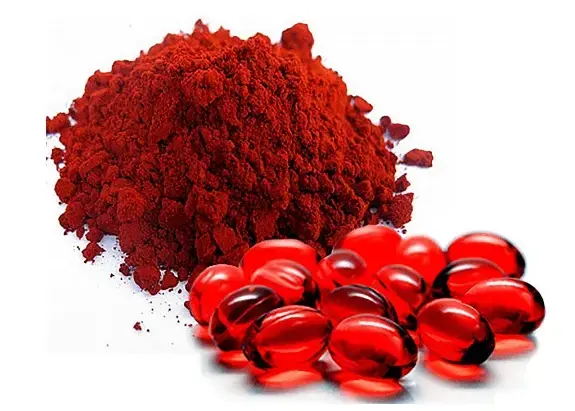
Purity: 1%-10%
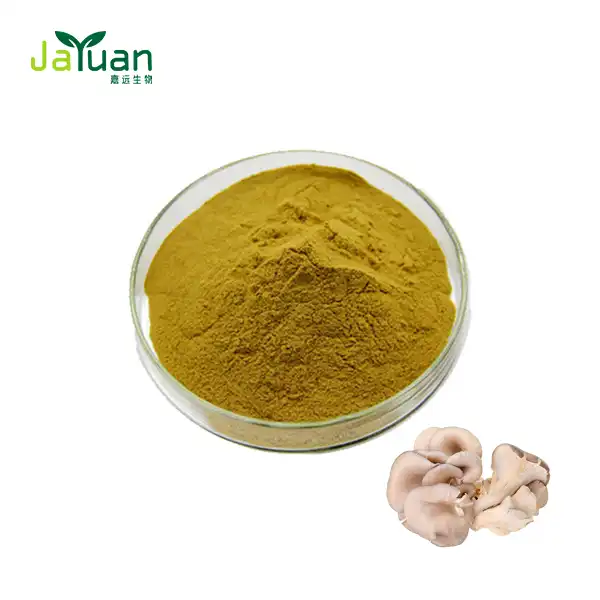
Appearance: Dark red powder
CAS NO.: 472-61-7
Molecular Weight: 596.85
Molecular Formula: C40H52O4
MOQ: 500G-1KG
Inventory: in stock
Our Advantages: Scalable production capacity, strict quality control, cost efficiency from integrated factories, over 20 years of experience, advanced technology, and 24/7 after-sales support.
Certificaions: FSSC2000/ISO2000/HALAL/KOSHER/HACCP
Delivery terms: FedEx, DHL, EMS, UPS, TNT, all kinds of the airline, international shipping companies.
Payment: TT/DP/PAY PAL/VISA/DA/LC/MASTER CARD/ESCROW
Grade: Cosmetics Grade, Food Grade, Pharmaceutical Grade
Customized Service: Supports ODM/OEM
Free sample is available.
We do not sell retail quantities to individuals.
Understanding the Fundamentals of Astaxanthin
Astaxanthin stands as one of nature's strongest antioxidant compounds, outperforming the defensive capabilities of vitamin C and vitamin E by noteworthy edges. This surprising carotenoid actually happens in marine living beings, especially the microalgae Haematococcus pluvialis, which serves as the essential commercial source for premium astaxanthin extraction.
The compound's unmistakable ruddy pigmentation reflects its effective atomic structure, including an expanded conjugated framework that empowers extraordinary free radical rummaging capacities. Not at all like numerous cancer prevention agents that can end up as pro-oxidants beneath certain conditions, astaxanthin keeps up its defensive properties all through different natural processes.
Natural astaxanthin powder exists fundamentally in an esterified frame, where greasy corrosive particles join to the center structure. This arrangement improves bioavailability compared to manufactured options, permitting way better assimilation and utilization inside target applications. The stereoisomer arrangement (3S,3'S) found in characteristic sources illustrates predominant natural movement, making it the favored choice for pharmaceutical and nutraceutical applications.
Research demonstrates that astaxanthin benefits amplify over numerous physiological frameworks, supporting cardiovascular wellbeing, eye work, skin security, and safe framework direction. These differing helpful properties make openings for item engineers over different industries.
Quality Standards and Purity Considerations
Manufacturing fabulousness starts with rigid quality control measures that guarantee steady item execution and administrative compliance. Premium astaxanthin providers execute comprehensive testing conventions covering heavy metals, microorganisms, dissolvable buildups, and exogenous nucleic acid contamination.
Filter paper buildup testing uncovers critical contrasts between providers, with prevalent items illustrating uncommon immaculateness levels and flexibility from undesirable pollutions. This upgraded virtue translates straightforwardly into more grounded antioxidant capacity and more successful free radical rummaging execution, giving producers dependable crude materials for item development.
Safety confirmation through rehashed test conventions affirms the non-toxic nature of high-grade astaxanthin arrangements. These thorough testing strategies incorporate intense harmfulness thinking, mutagenicity appraisals, and long-term solidness assessments beneath different natural conditions.
Astaxanthin powder virtue levels regularly run from 1% to 10% concentrations, with particular grades chosen based on planning applications. Pharmaceutical definitions frequently require higher immaculateness grades, whereas nourishment and refreshment applications may utilize lower concentrations effectively.
Stability testing uncovers that appropriately prepared astaxanthin keeps up strength beneath controlled capacity conditions, with negligible corruption over amplified periods. Temperature, light presentation, and oxygen contact essentially affect item astuteness, requiring fitting bundling and capacity protocols.
Formulation Strategies Across Industries
- Pharmaceutical companies use astaxanthin's restorative properties in creating arrangements focused on well-being. The compound's capacity to cross the blood-brain obstruction and blood-retinal boundary makes it especially important for neurological and ophthalmic applications. Detailing researchers must consider bioavailability improvement procedures, including microencapsulation and liposomal conveyance systems.
- Cosmetic and skincare brands join astaxanthin for its photoprotective and anti-aging properties. The compound's capacity to neutralize UV-induced oxidative push while supporting collagen amalgamation makes it perfect for premium skincare definitions. Dissolvability contemplations require cautious determination of carrier oils and emulsification frameworks to guarantee uniform conveyance and stability.
- Food and refreshment producers utilize astaxanthin as both a utilitarian fixing and common colorant. Warm steadiness amid handling requires particular care of conventions, whereas taste nonpartisanship guarantees buyer acknowledgment. Refreshment applications benefit from the compound's water-dispersible details, whereas strong nourishments may join oil-suspended preparations.
- Nutraceutical applications center on maximizing bioavailability through key definition approaches. Combining astaxanthin with solid fats improves retention, whereas enteric coating secures the compound amid gastric travel. Measurement shapes run from conventional capsules to inventive delicate gels and fluid preparations.
Dosage Guidelines and Bioavailability Optimization
Effective astaxanthin dose changes essentially based on aiming for wellbeing results and target populaces. Clinical studies illustrate benefits over a wide range, from 4 mg every day for common antioxidant bolstering to 12 mg for particular restorative applications. Item engineers must adjust viability prerequisites with fetched contemplations and administrative guidelines.
Bioavailability improvement techniques incorporate combining astaxanthin with fitting lipid carriers, executing molecule measure diminishment methods, and utilizing specialized conveyance frameworks. Characteristic astaxanthin's esterified frame gives inalienable bioavailability focal points compared to manufactured options, possibly requiring lower measurements to accomplish identical effects.
Timing contemplations impact assimilation rates, with utilization of nearby dinners containing solid fats optimizing take-up. This figure impacts item situating and customer instruction materials, especially for dietary supplement applications.
Individual variety in retention rates requires adaptable dosing suggestions, permitting shoppers to alter admissions based on individual reaction and well-being objectives. Item labeling ought to give clear direction while keeping up administrative compliance.
Storage and Stability Management
Proper capacity conventions protect astaxanthin powder and amplify item rack life altogether.
- Temperature control speaks to the most basic figure, with refrigerated capacity suggested for bulk powder inventories. Encompassing temperature capacity remains satisfactory for wrapped-up items with fitting bundling protection.
- Light presentation quickens debasement, requiring dark bundling materials and controlled fabricating situations. UV-protective coatings and golden holders give extra assurance for customer products.
- Oxygen presentation starts oxidative debasement, requiring idle gas bundling and dampness control measures. Vacuum fixing and nitrogen flushing strategies keep up item astuteness amid capacity and transportation.
Regular steadiness testing screens item quality over time, building up precise termination dates and capacity proposals. Quickened maturing considers anticipated long-term execution beneath different natural conditions.
Regulatory Compliance and Market Considerations
Different markets force changing administrative prerequisites for astaxanthin-containing items. For the most part, Recognized as Secure (GRAS) status in the United States encourages nourishment and dietary supplement applications, whereas European markets require particular novel nourishment endorsements for certain uses.
Documentation prerequisites incorporate certificates of examination, security considerations, and fabricating compliance records. Providers ought to give comprehensive administrative bolster bundles to streamline item endorsement processes.
Labeling controls order precise fixing announcements, allergen notices, and well-being claim substantiation. Claims must adjust with endorsed administrative dialect while viably communicating item benefits to target consumers.
International markets display openings for extension but require a cautious route of neighborhood administrative scenes. Joining forces with experienced providers commonplace with worldwide compliance necessities diminishes administrative dangers and quickens showcase passage.
Conclusion
Successful product development with astaxanthin powder demands meticulous attention to quality standards, formulation strategies, and regulatory compliance across a wide range of market applications. Manufacturers must understand astaxanthin’s unique properties, including its exceptional antioxidant activity, high bioavailability, and stability requirements, to create products that deliver tangible health benefits to consumers. By carefully optimizing formulations and adhering to strict quality controls, companies can ensure consistent efficacy and safety. With a growing body of scientific research supporting astaxanthin’s health advantages, opportunities continue to expand for innovative developers who prioritize quality, effectiveness, and consumer trust in their product design and development processes.
Partner with Jiayuan Bio-Tech for Premium Astaxanthin Solutions
Jiayuan Bio-Tech is dedicated to providing exceptional astaxanthin powder with unwavering quality and comprehensive technical support for all your product development needs. Our GMP-certified production facilities and advanced testing capabilities ensure the highest standards in every batch, while our flexible customization options allow us to meet the unique requirements of pharmaceutical, cosmetic, and nutraceutical applications. Whether you're developing new formulations or enhancing existing products, our team is here to provide expert guidance throughout the process. Connect with our technical team at sales@jayuanbio.com or sales1@jayuanbio.com to discuss your specific requirements and receive samples from a trusted astaxanthin powder manufacturer committed to your success.
References
1. Ambati, R.R., Phang, S.M., Ravi, S., & Aswathanarayana, R.G. (2014). Astaxanthin: sources, extraction, stability, biological activities and its commercial applications. Marine Drugs, 12(1), 128-152.
2. Higuera-Ciapara, I., Félix-Valenzuela, L., & Goycoolea, F.M. (2006). Astaxanthin: a review of its chemistry and applications. Critical Reviews in Food Science and Nutrition, 46(2), 185-196.
3. Kidd, P. (2011). Astaxanthin, cell membrane nutrient with diverse clinical benefits and anti-aging potential. Alternative Medicine Review, 16(4), 355-364.
4. Shah, M.M., Liang, Y., Cheng, J.J., & Daroch, M. (2016). Astaxanthin-producing green microalga Haematococcus pluvialis: from single cell to high value commercial products. Frontiers in Plant Science, 7, 531.
5. Capelli, B., Bagchi, D., & Cysewski, G.R. (2013). Synthetic astaxanthin is significantly inferior to algal-based astaxanthin as an antioxidant and may not be suitable as a human nutraceutical supplement. Nutrafoods, 12(4), 145-152.
6. Yuan, J.P., Peng, J., Yin, K., & Wang, J.H. (2011). Potential health-promoting effects of astaxanthin: a high-value carotenoid mostly from microalgae. Molecular Nutrition & Food Research, 55(1), 150-165.